In a historic scientific achievement, researchers aboard the JOIDES Resolution, as part of the International Ocean Discovery Program Expedition 399, drilled 1,268 meters into Earth’s mantle rock. This unprecedented feat was accomplished at the Atlantis Massif, a serpentinized peridotite outcrop in the Mid-Atlantic Ridge. The operation allowed the extraction of pristine samples from depths previously unreachable, advancing our understanding of Earth’s geology and potentially shedding light on the origins of life through chemical reactions in the mantle.
The Challenges of Drilling to the Mantle
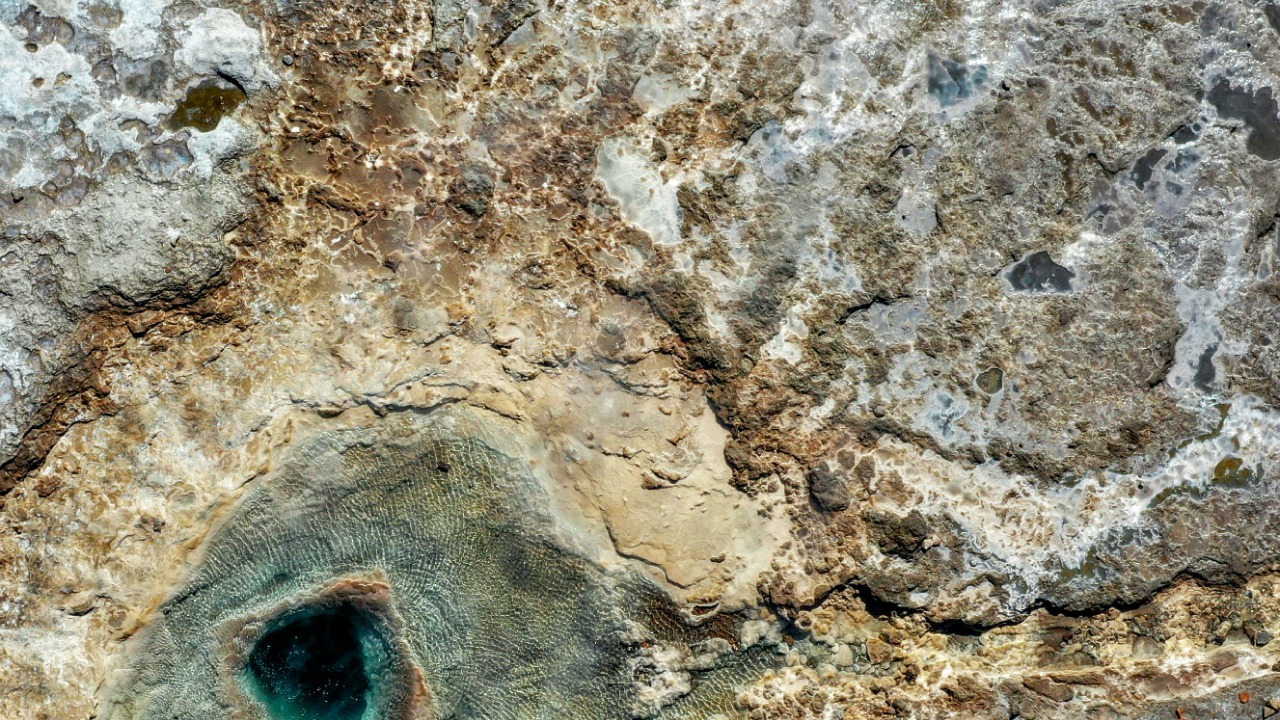
Drilling into the Earth’s mantle is a monumental task fraught with technical challenges. The team aboard the JOIDES Resolution had to contend with extreme pressures and temperatures at oceanic depths exceeding 3,000 meters. This required the use of specialized drill bits and real-time monitoring systems to prevent equipment failure, as reported by Popular Mechanics.
Previous attempts to reach the mantle, such as the 1960s Mohole project, fell short due to unstable seafloor conditions and limitations in drilling technology. In contrast, Expedition 399 utilized advanced rotary drilling techniques. The success of this mission was also a testament to international collaboration, with over 30 scientists from institutions like the University of Southampton and JAMSTEC overcoming logistical issues like weather delays during the April 2023 expedition.
Site Selection: The Atlantis Massif
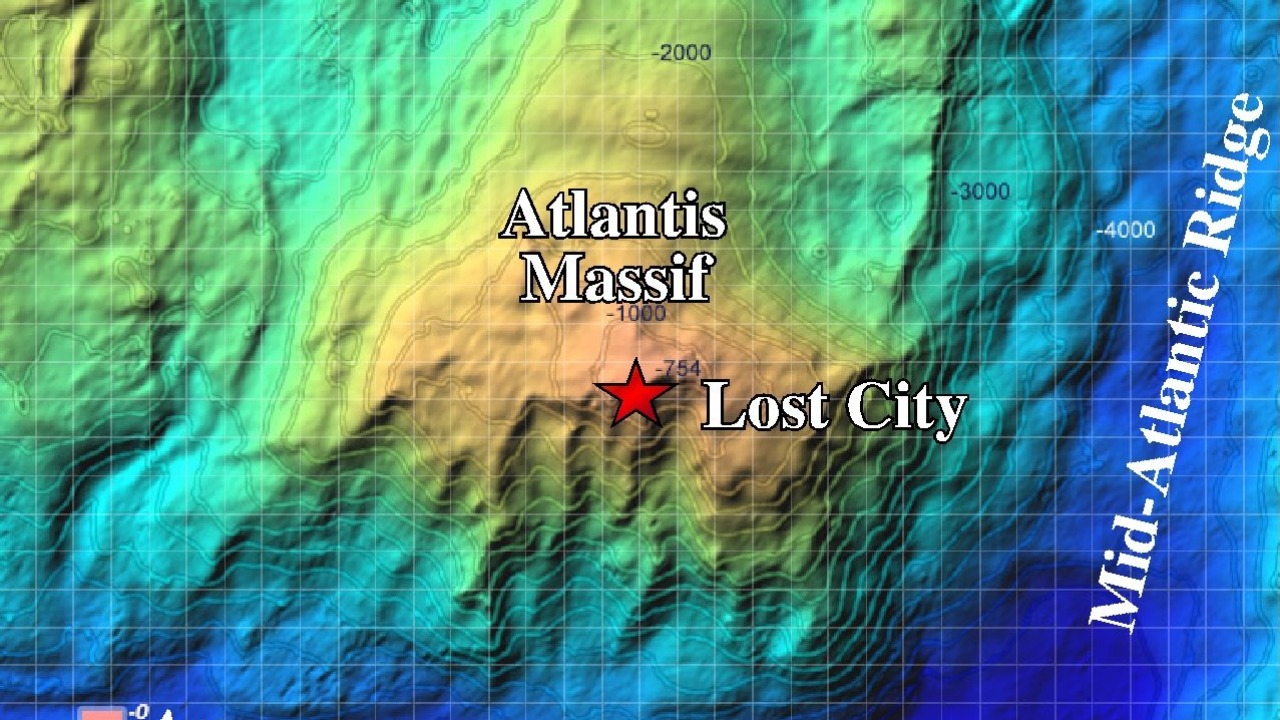
The Atlantis Massif was chosen as the drilling site due to its geological significance. This tectonic window exposes mantle peridotite beneath a thin crustal cover of just 100 meters, enabling direct access to the mantle. Located at coordinates 30°N, 42°W in the Mid-Atlantic Ridge, the site is characterized by hydrothermal activity and serpentinization processes, making it ideal for studying mantle-ocean interactions.
Prior to drilling, seismic surveys were conducted to confirm the site’s stability and rock composition. The surveys revealed high magnesium and low silica levels, typical of mantle material, as noted by Yahoo News.
Breakthrough Discoveries from Core Samples
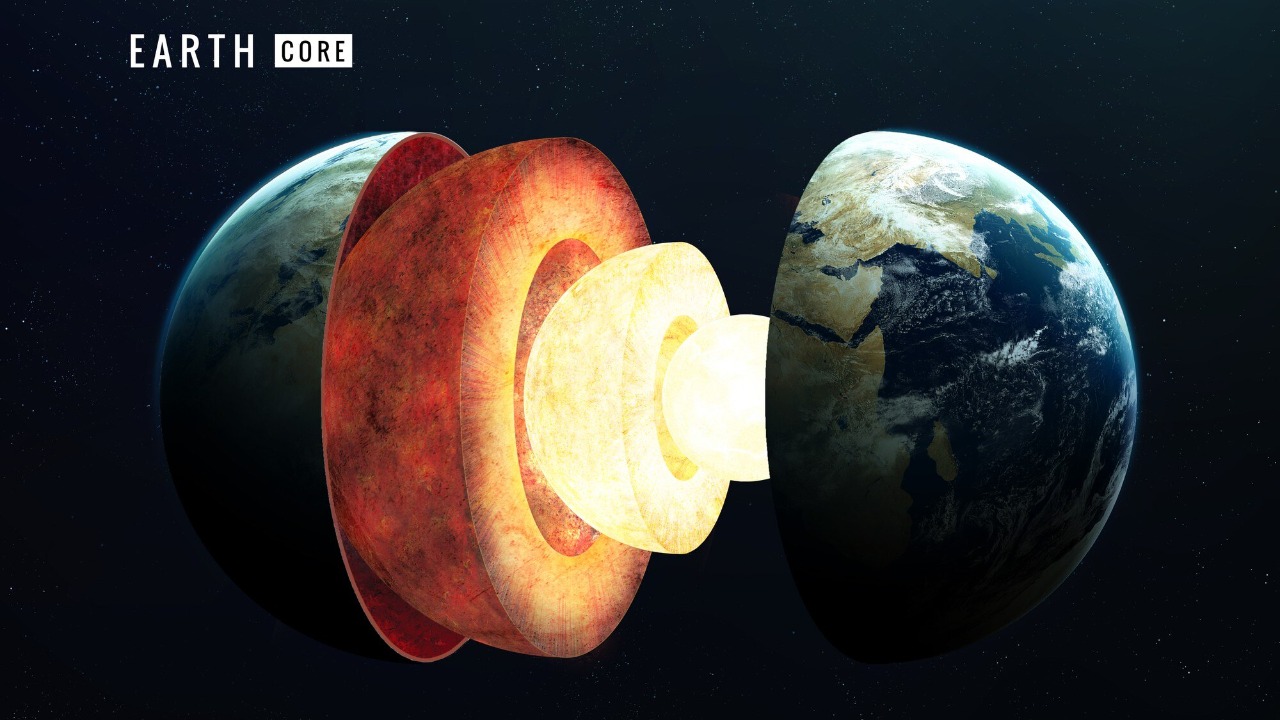
The core samples recovered from the drilling operation revealed pristine mantle rock with evidence of hydrogen-producing serpentinization. This process could have fueled early microbial life, according to Smithsonian Magazine. Additionally, the detection of unexpected volatile compounds, such as carbon and nitrogen, in the samples suggests that the mantle may have contributed to Earth’s atmospheric and biological evolution.
The samples, taken from a depth of 1,268.87 meters below the seafloor, provide the first uncontaminated mantle material for lab analysis, offering unprecedented insights into the Earth’s interior.
Implications for Understanding Earth’s Interior
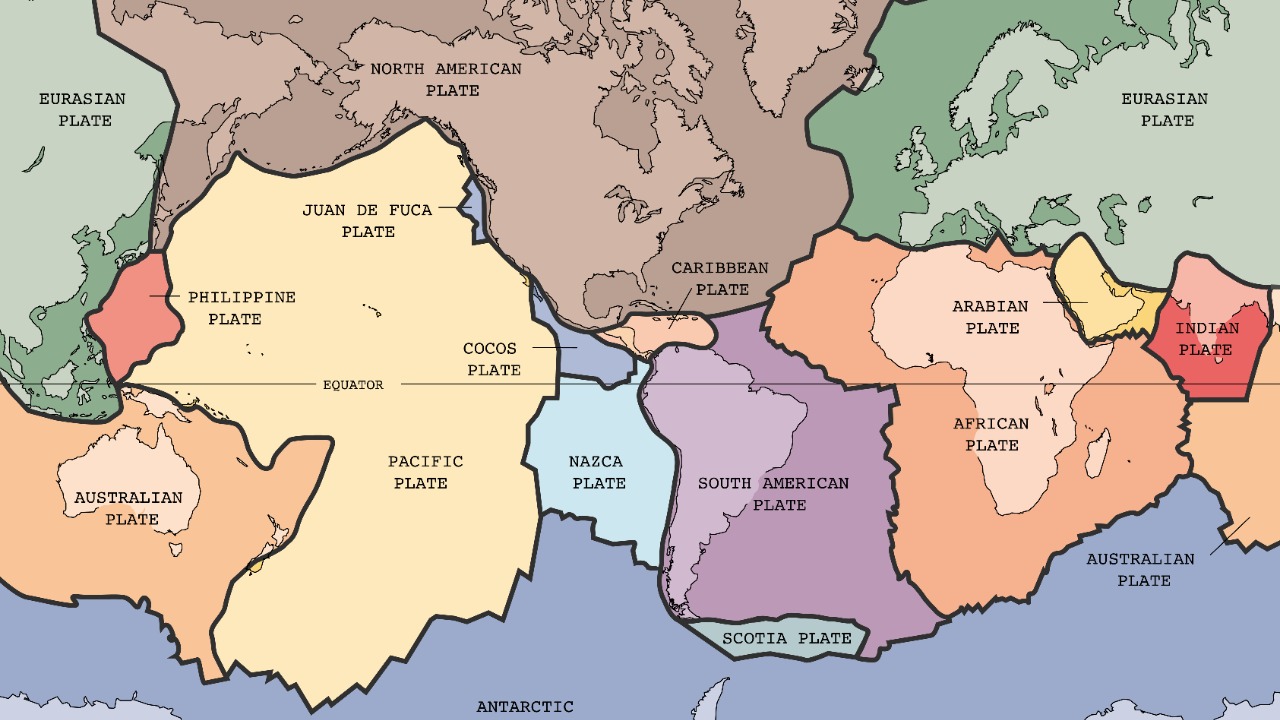
The data obtained from the drilling operation refines our understanding of plate tectonics. It shows that mantle convection patterns are influenced by the uplift of the Atlantis Massif. Furthermore, seismic shifts observed during the expedition indicated “something huge shifting” in the mantle. This could be interpreted as large-scale flow or plume activity, suggesting dynamic processes at work deep within the Earth.
The isotopic signatures of the samples indicate ancient mantle recycling from subduction zones dating back billions of years. These findings, as reported by Popular Mechanics, provide a window into the Earth’s geological past and the complex processes that have shaped our planet.
Links to the Origin of Life
The process of serpentinization, which generates reducing environments rich in hydrogen and methane, could have enabled prebiotic chemistry in alkaline hydrothermal vents near the drill site. This suggests that the mantle may have played a crucial role in the origins of life on Earth.
Lead scientist Johan Lissenberg emphasized the significance of the drilling operation, stating, “This is the first time we’ve drilled into mantle rock that’s unaltered by surface processes.” This unaltered mantle rock could provide valuable insights into abiogenesis, the process by which life arises naturally from non-living matter. The findings also have implications for astrobiology, suggesting that similar processes on early Earth or other planets could explain the emergence of life from mantle-derived energy.
Future Expeditions and Technological Advances
Building on the success of Expedition 399, future International Ocean Discovery Program missions plan to target other mantle outcrops, aiming to reach depths beyond 2,000 meters. Technological innovations, such as diamond-impregnated drill bits and AI-assisted core logging, enabled the 1,268-meter penetration and could be scaled for continental drilling.
As we venture deeper into the Earth, environmental safeguards are crucial. Protocols for minimal seafloor disturbance ensure that our quest for knowledge does not come at the expense of the planet’s health. As we continue to push the boundaries of scientific exploration, we are reminded of the delicate balance between discovery and preservation.
