In a groundbreaking discovery, scientists have unearthed mysterious tunnels embedded deep within ancient rock formations, believed to have been created by an unknown lifeform. These enigmatic structures have sparked a flurry of research, aiming to understand the implications for our knowledge of ancient ecosystems and the evolution of life on Earth.
The Discovery of the Mysterious Tunnels
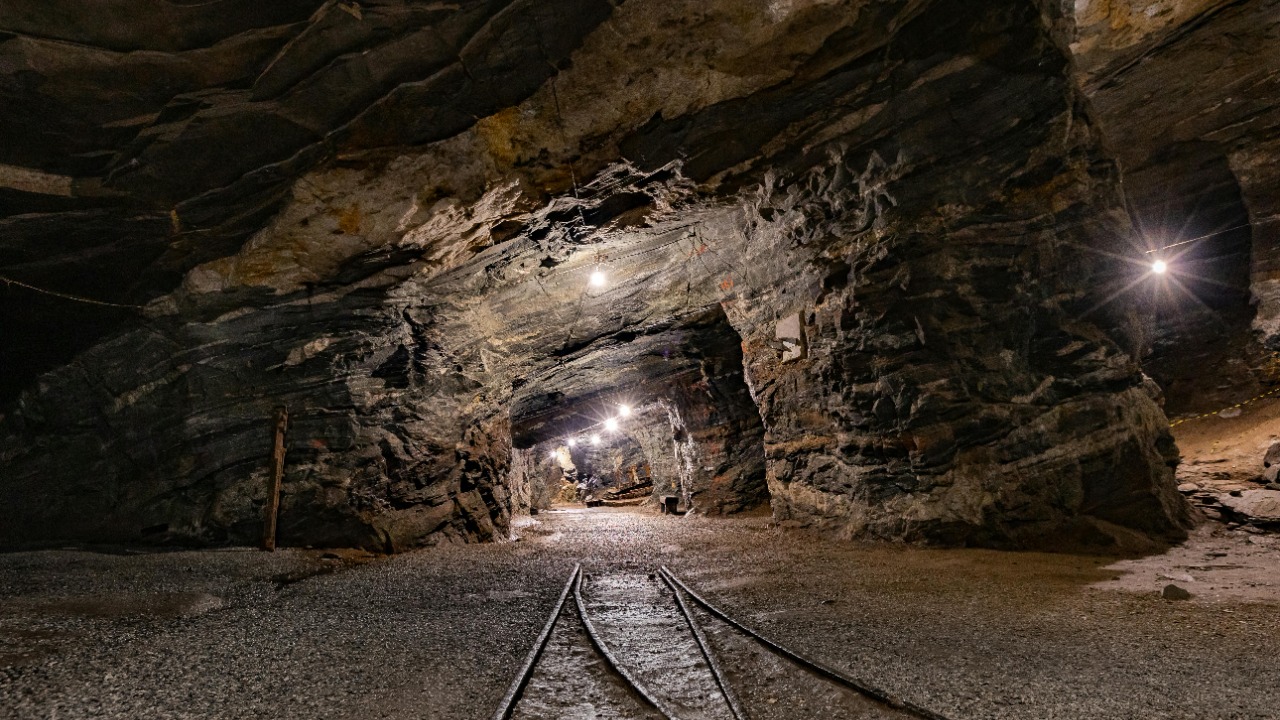
The initial finding of these tunnels was made in a remote region, buried deep within rock formations that date back millions of years. The location of the discovery, though not disclosed to the public, is said to be rich in geological history, providing a fertile ground for such groundbreaking revelations. The tunnels were found at varying depths, with some reaching down several meters into the Earth’s crust. Their unusual appearance, coupled with their complex network, has piqued the interest of many in the scientific community.
The discovery process employed a range of sophisticated techniques and technologies. Geological surveys were conducted to map out the terrain, while advanced dating methods were used to ascertain the age of the rock formations. Initial hypotheses about the origins of these tunnels suggest that they could have been formed by an ancient lifeform previously unknown to science. The excitement among researchers is palpable, as this finding could potentially rewrite parts of our understanding of ancient life.
Characteristics of the Tunnels
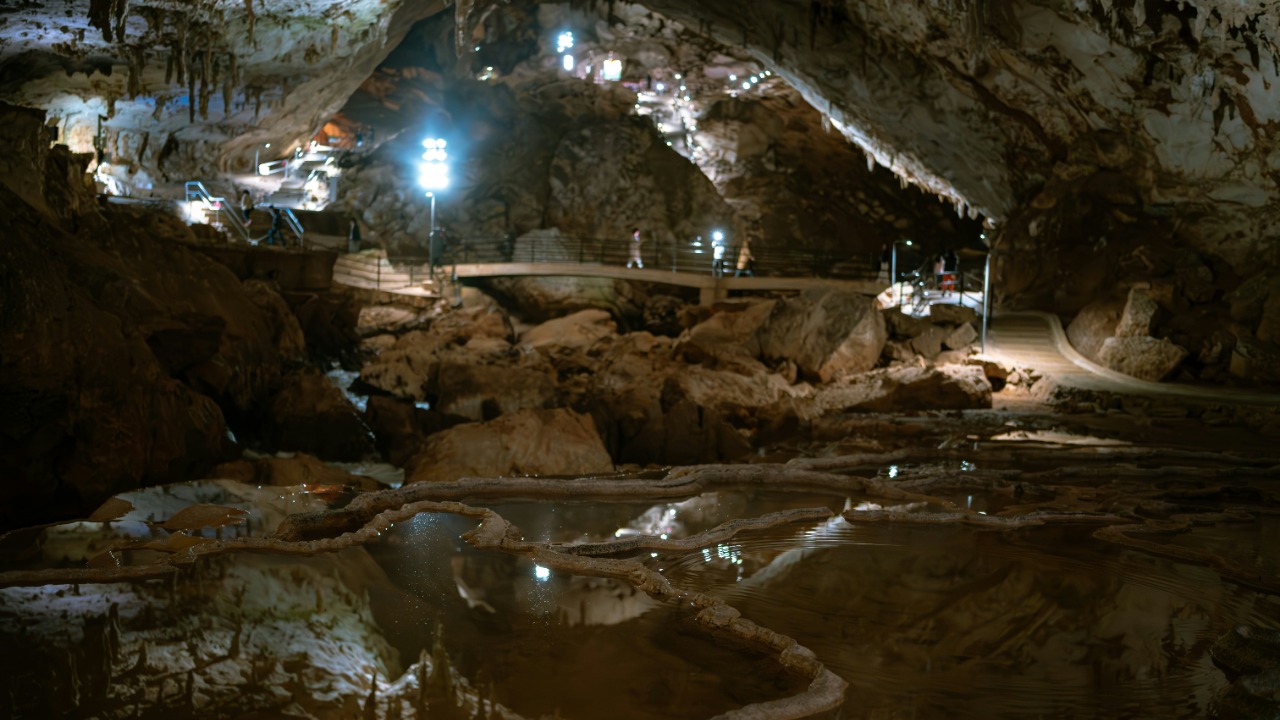
The tunnels exhibit fascinating physical characteristics, with varying sizes, shapes, and orientations. Some are narrow and winding, while others are broader, resembling underground highways. Their orientation within the rock suggests that they were not randomly formed but created with a purpose, possibly for habitation or resource extraction by the lifeform responsible.
Chemical and mineralogical analyses of the surrounding rock have revealed intriguing details. The rock is composed of minerals that suggest the possibility of biological residues, hinting at the presence of life during the time the tunnels were formed. Comparisons with known burrowing patterns of both ancient and modern organisms have been made, but the tunnels do not perfectly match any known species, adding to the mystery.
Potential Candidates for the Tunnel Architects
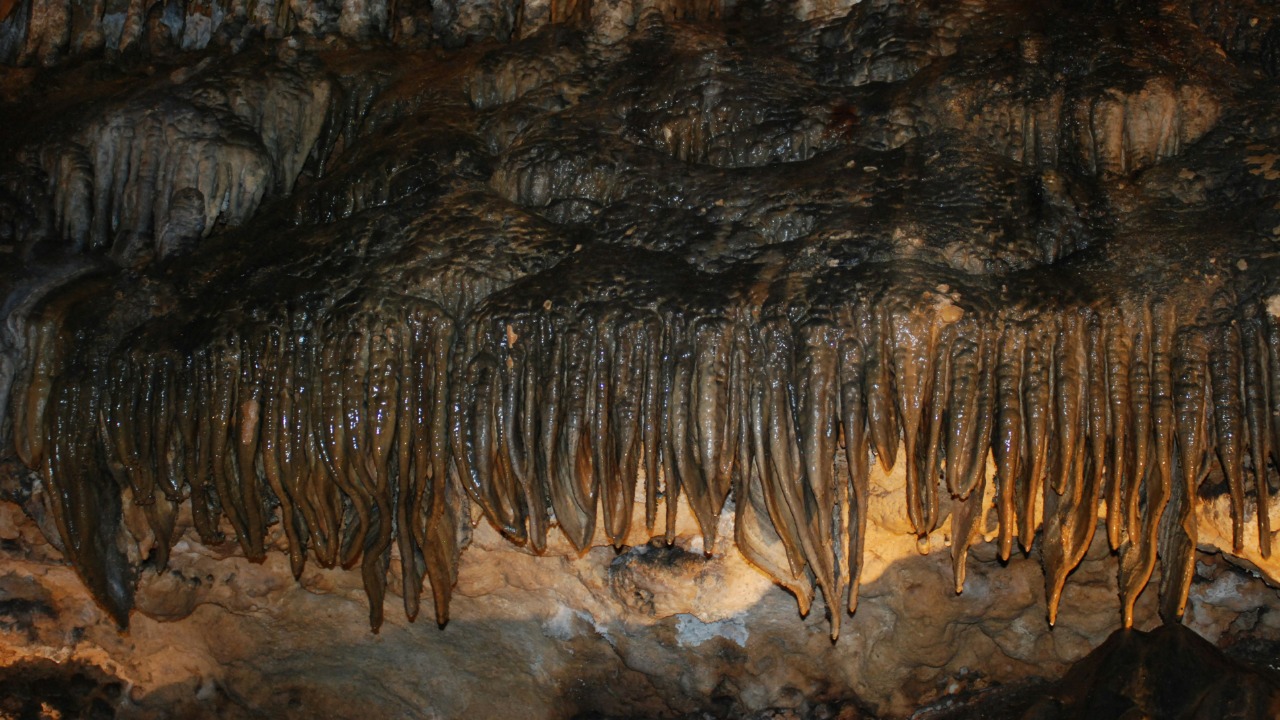
Scientists are exploring various possibilities for the ancient lifeforms that might have created these tunnels. Some speculate microbial activity, which is known to leave behind similar structures in other geological contexts, could be responsible. However, the size and complexity of the tunnels suggest something more significant than mere microbes.
Similar structures have been found in different parts of the world, often attributed to ancient creatures like worms or crustaceans. However, the distinctiveness of these tunnels suggests a unique creator. The environmental conditions during the geological period when the tunnels were formed might have been conducive to the evolution of such lifeforms, providing them with the necessary resources and habitat for survival.
Implications for Understanding Ancient Ecosystems
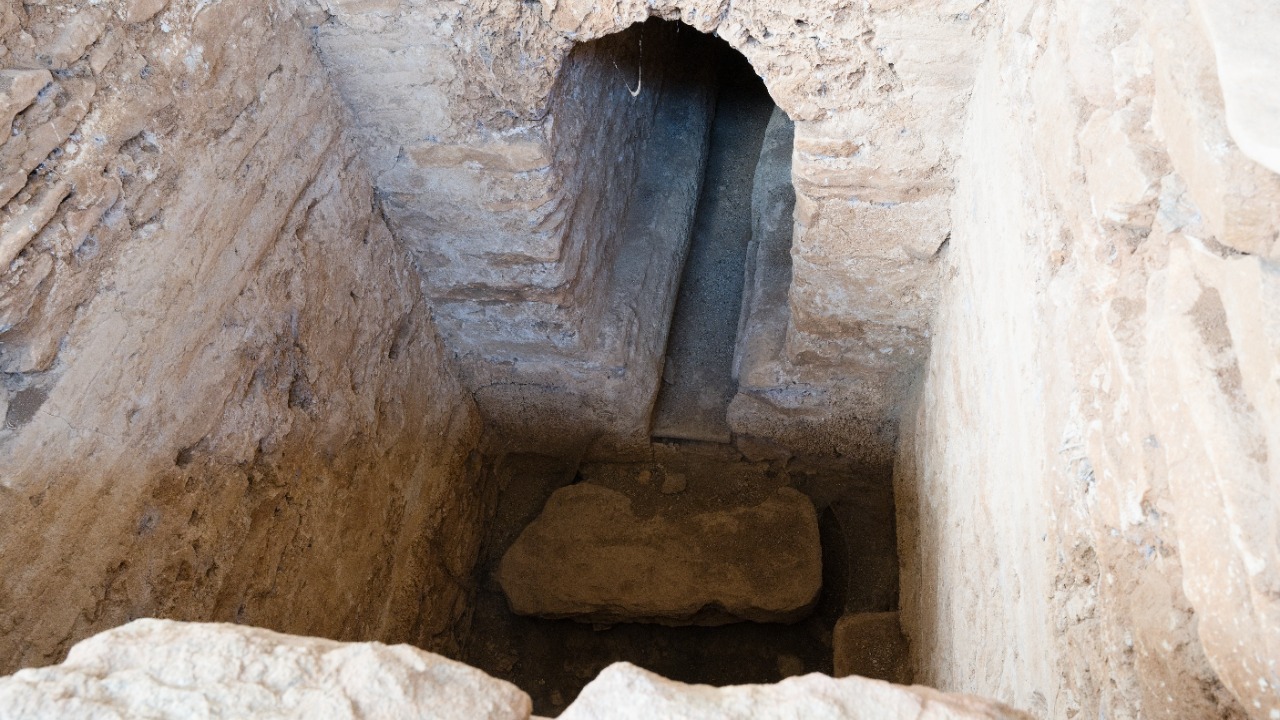
The discovery of these tunnels could significantly reshape our understanding of ancient ecosystems and biodiversity. If indeed created by an unknown lifeform, it would suggest a previously unrecognized level of complexity and adaptability in ancient life. This could impact existing theories of evolution, particularly concerning the adaptability of life in harsh conditions.
Insights into the interactions between these lifeforms and their environment are also crucial. Understanding how they adapted and thrived in their surroundings could provide valuable information about the resilience of life and its ability to evolve under varying conditions. Such knowledge is vital for predicting how current ecosystems might respond to environmental changes.
Future Research and Exploration

Future research efforts are being planned to delve deeper into the mystery of these tunnels and their creators. This will include further expeditions to uncover more tunnels and possibly find fossilized remains of the lifeforms responsible. Interdisciplinary approaches, combining geology, biology, and chemistry, are essential to solving this mystery.
International collaboration will play a crucial role in expanding our understanding of Earth’s biological history. By bringing together experts from different fields and countries, researchers hope to piece together the puzzle of these ancient tunnels. The potential discoveries could have far-reaching implications, offering new insights into the history and evolution of life on our planet.
For more information about similar discoveries, you can read about how unknown organisms shaped ancient rocks, or explore the mystery of microbes that burrowed into rocks millions of years ago. Furthermore, the strange million-year-old rock tunnels found in Africa continue to baffle scientists, providing a fascinating area of study.
