In a groundbreaking discovery, astronomers have identified a super-Jupiter exoplanet with an extensive ring system, reminiscent of Saturn but on a much grander scale. This finding not only intrigues the scientific community but also adds a new layer of complexity to our understanding of planetary formation and characteristics beyond our solar system.
The Discovery of a Super-Jupiter
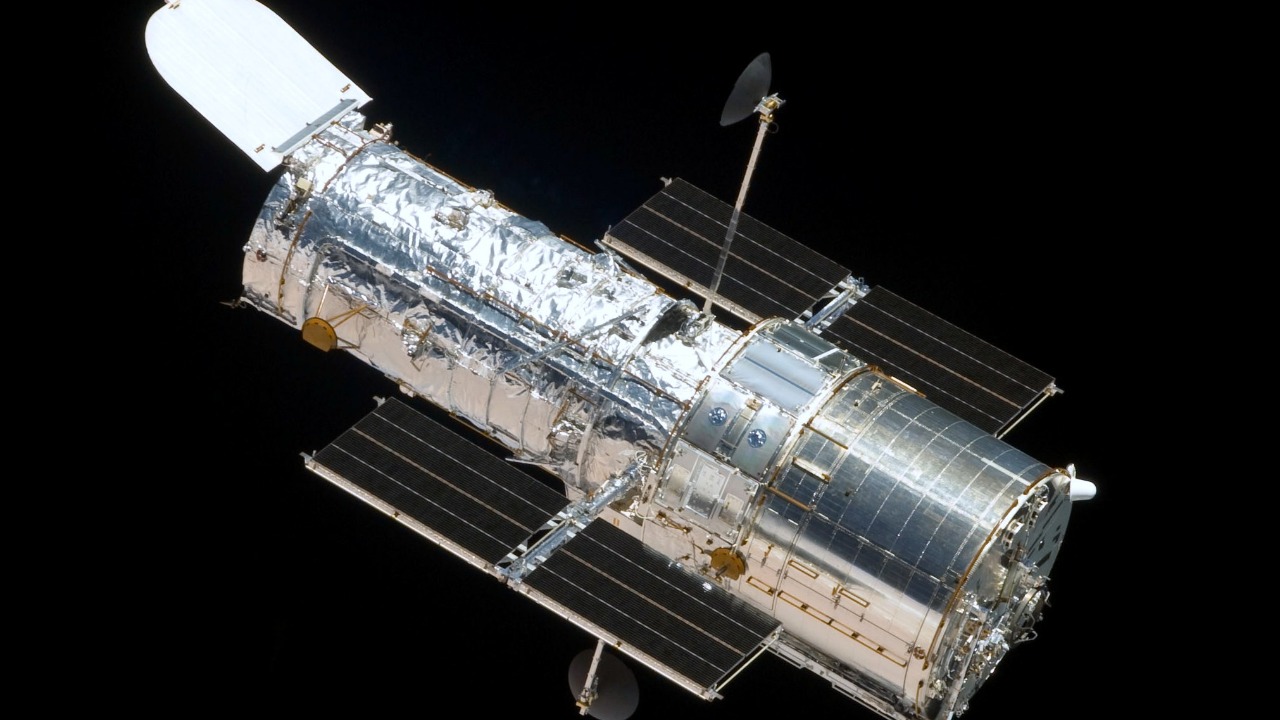
The newly discovered super-Jupiter is a fascinating celestial body located hundreds of light-years away from Earth. This exoplanet is magnitudes larger than our solar system’s largest planet, Jupiter. With a mass estimated to be several times that of Jupiter, it challenges our traditional understanding of planetary classification. The exoplanet resides in a distant star system, its exact coordinates still being a subject of ongoing research, but its sheer size and mass make it a remarkable object of study.
Detecting such a distant and massive exoplanet required the use of advanced observational techniques and instruments. Astronomers employed a combination of transit photometry and radial velocity measurements, alongside cutting-edge space telescopes, to pinpoint this super-Jupiter. These methods, which involve observing the dimming of starlight as the planet passes in front of its host star and measuring the star’s gravitational wobble, have proven instrumental in identifying and characterizing distant celestial bodies.
The Enigmatic Ring System
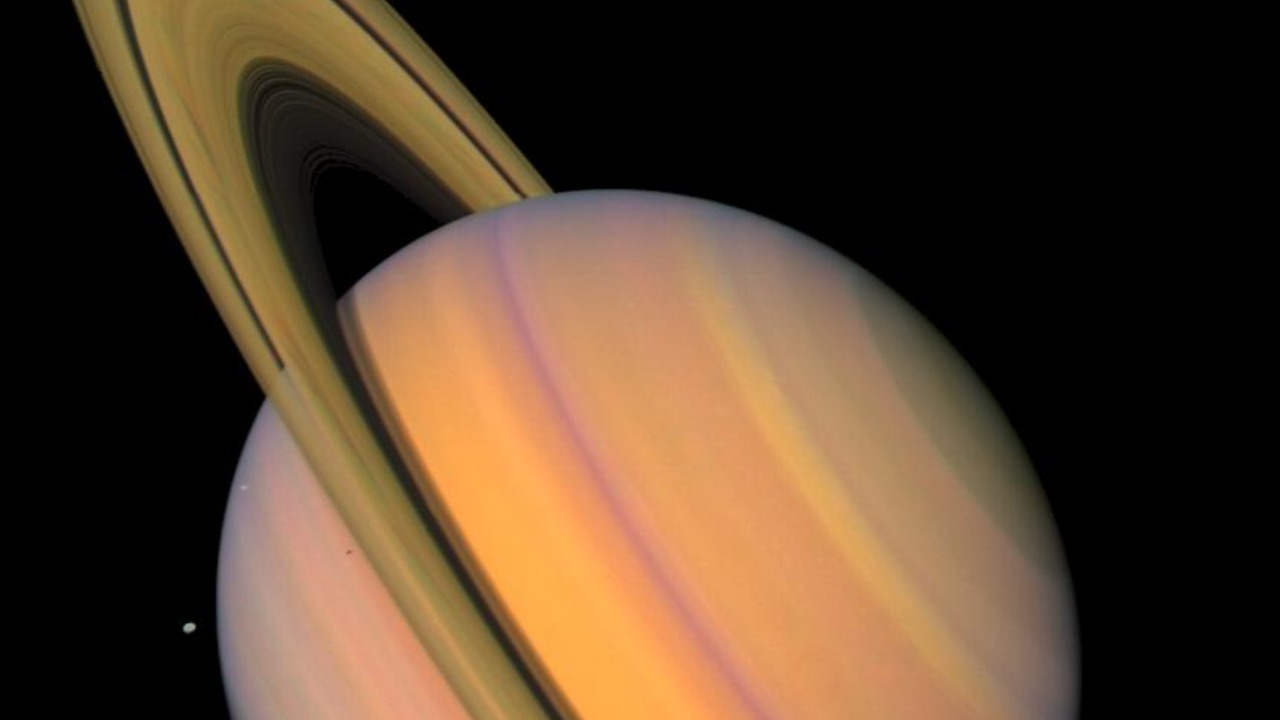
One of the most compelling features of this super-Jupiter is its extensive ring system, which draws inevitable comparisons to Saturn’s iconic rings. However, the rings encircling this exoplanet are far more massive and expansive. While Saturn’s rings span nearly 300,000 kilometers in diameter, the rings of this super-Jupiter stretch over several million kilometers. They are also believed to be composed of a different mix of ice, dust, and rocky material, hinting at a unique history of formation and evolution.
The formation of such colossal ring systems around gas giants remains a topic of active scientific debate. Current hypotheses suggest that these rings could be remnants of a moon that was torn apart by the planet’s gravity or the result of debris from a cataclysmic collision. Understanding the precise mechanisms behind their formation could offer insights into how massive ring systems develop and evolve over time, and what these processes reveal about the early stages of planetary systems.
Implications for Exoplanet Research

This discovery of a super-Jupiter with an extensive ring system has profound implications for our understanding of planetary systems. It challenges the traditional models of solar system formation and suggests that the diversity of planetary systems may be greater than previously thought. As astronomers continue to discover a wide variety of exoplanets, it becomes increasingly clear that our solar system might not be as typical as once assumed.
Moreover, the presence of such a massive ring system around an exoplanet could significantly influence future exoplanet studies. Researchers may now prioritize the search for similar characteristics in other gas giants, potentially leading to the identification of more exoplanets with rings. This could also refine our criteria for studying planetary atmospheres and compositions, further expanding our knowledge of the universe.
Technological Advances in Astronomy

Advanced telescopes and observational equipment have played a crucial role in making such discoveries possible. Instruments like the Hubble Space Telescope and the James Webb Space Telescope have provided astronomers with unprecedented capabilities to observe distant worlds in exquisite detail. The precision and sensitivity of these telescopes allow researchers to detect minute changes in starlight and gravitational shifts, which are essential for identifying new exoplanets and understanding their characteristics.
As technology continues to evolve, the future of space exploration looks promising. The development of even more sophisticated instruments, such as the upcoming Extremely Large Telescope (ELT), promises to push the boundaries of what we can observe and understand about our universe. These advancements could lead to more groundbreaking discoveries, offering deeper insights into the formation and evolution of planetary systems and the potential for life beyond Earth.
The Fascination with Giant Exoplanets

Discoveries like the super-Jupiter with its extensive ring system captivate the public’s imagination and fuel interest in astronomy and space sciences. The allure of these giant exoplanets lies in their potential to reveal the mysteries of the cosmos and the possibility of finding other worlds similar to our own. As media coverage of such discoveries increases, so does public engagement with space exploration and scientific research.
The cultural and scientific significance of these discoveries cannot be overstated. They challenge our perceptions of the universe and our place within it, encouraging a sense of wonder and curiosity. By pushing the boundaries of what we know, these findings inspire both scientific endeavors and cultural narratives about space, ultimately contributing to a broader understanding of the cosmos and our quest to explore it.
