Scientists have recently uncovered a groundbreaking discovery in the ocean’s depths, revealing a new form of life that could reshape our understanding of biology and ecosystems. This discovery, made in the hadal trenches, provides new insights into the adaptability and diversity of life on Earth, challenging previous assumptions about the limits of life.
The Discovery: A New Frontier
Unveiling the Hadal Trenches
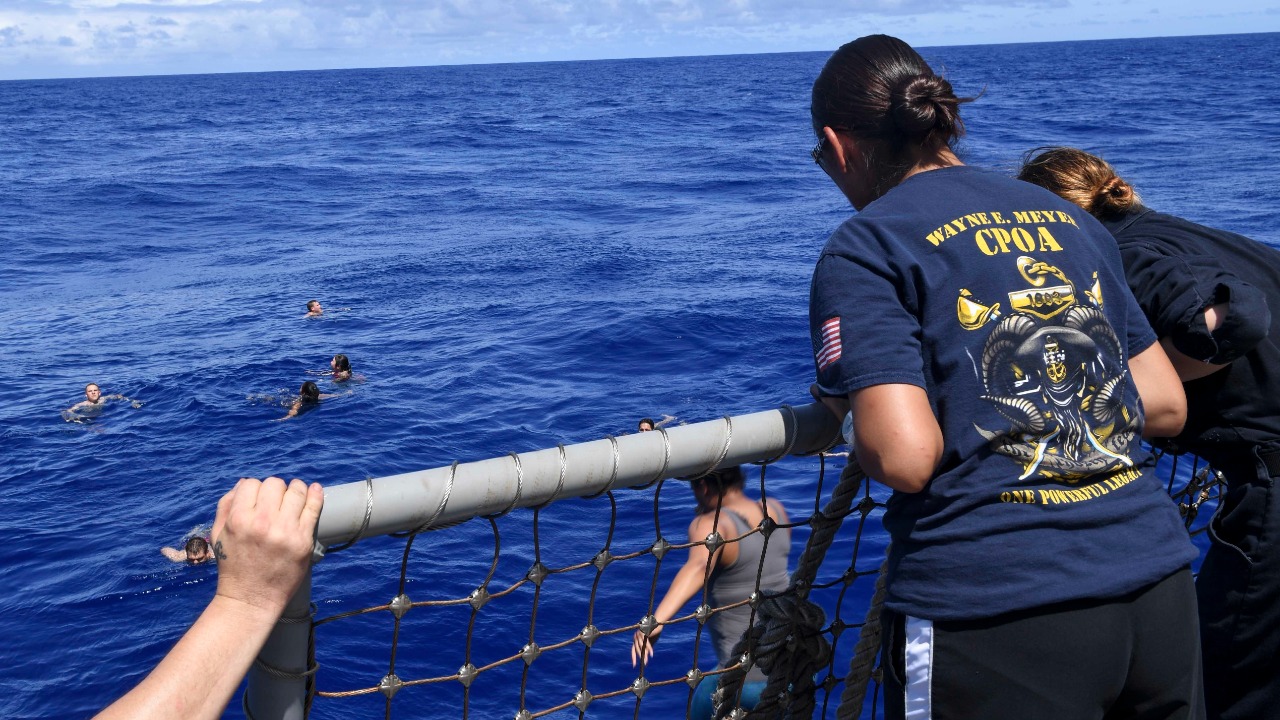
The hadal trenches, named after Hades, the Greek god of the underworld, are some of the most mysterious and least explored regions of our planet. These deep-sea environments, reaching depths of over 6,000 meters, are characterized by extreme conditions, including high pressure and near-freezing temperatures. Despite these harsh conditions, the hadal zones host a variety of unique life forms, which have adapted to survive in such an inhospitable environment. Recent explorations have uncovered this new form of life, adding another layer of complexity to the biological tapestry of our planet.
Scientists have long been fascinated by these trenches, which are found in various parts of the world, including the Mariana Trench in the Pacific Ocean. The discovery of new life forms in these depths not only highlights the vast unexplored potential of Earth’s oceans but also raises questions about the adaptability of life in extreme environments. This recent finding, documented in a BBC report, underscores the importance of continued exploration and study of these remote regions.
The Role of Submersibles and Technology
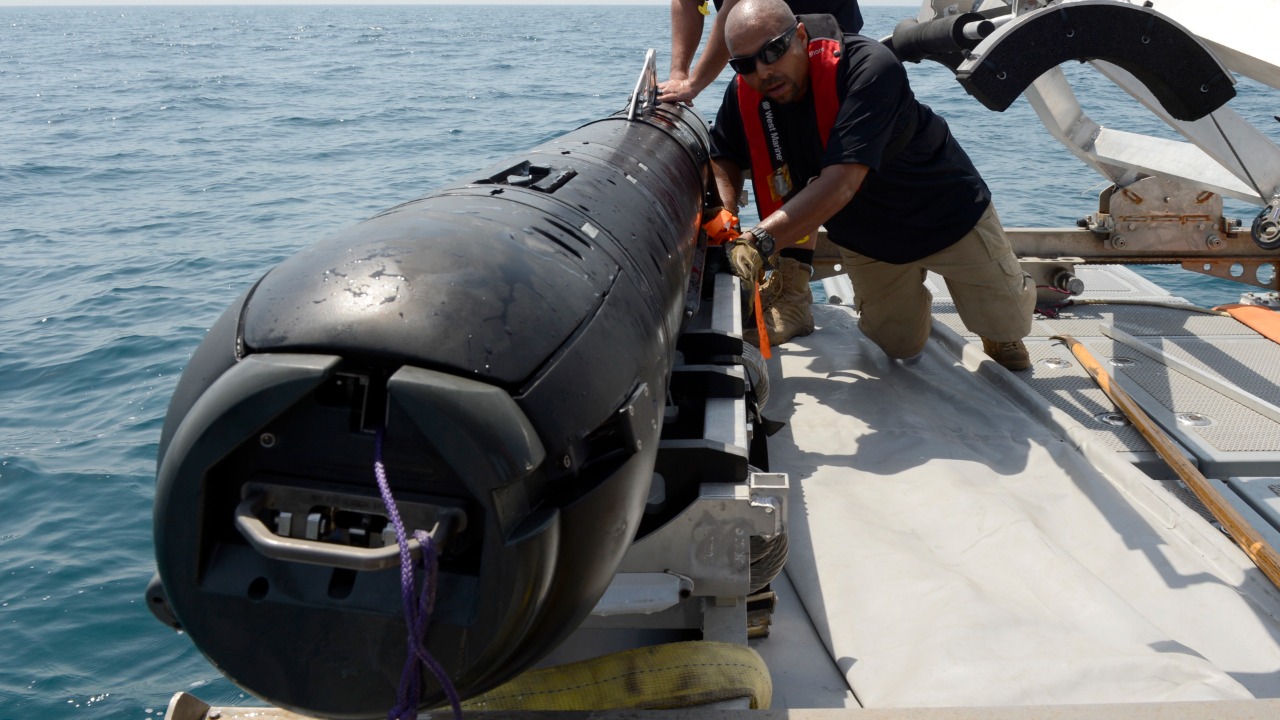
Advancements in technology have played a crucial role in this groundbreaking discovery. Modern submersibles, equipped with state-of-the-art instruments and cameras, have made it possible to explore the deepest parts of the ocean with unprecedented precision. These submersibles are designed to withstand the immense pressures of the hadal zones, allowing scientists to observe and document life forms that have remained hidden for millennia.
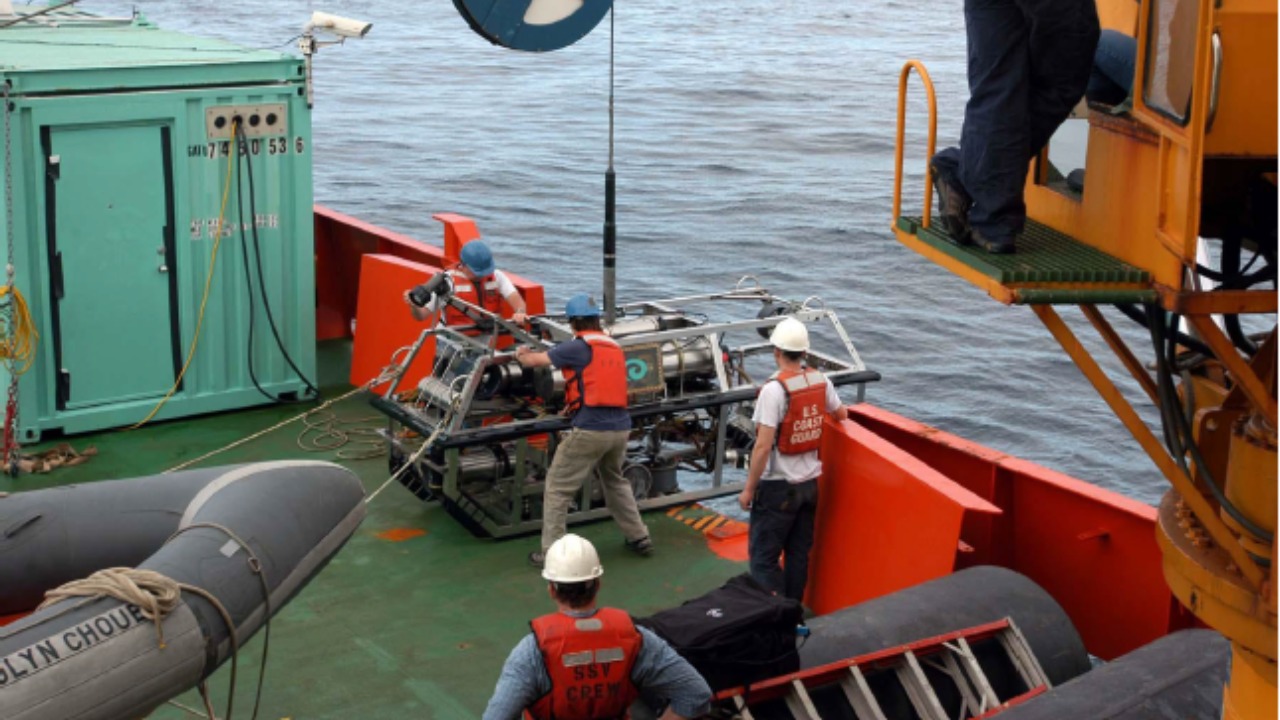
One of the key technologies that enabled this discovery is the remotely operated vehicle (ROV), which can dive to extreme depths and capture high-resolution images and videos. These ROVs are equipped with robotic arms that can collect samples and perform experiments in situ. The data gathered from these missions is invaluable in understanding the unique ecosystems of the hadal trenches. As noted in a NBC News article, these technological advancements have opened new frontiers in marine biology and deep-sea exploration.
Characteristics of the Newly Discovered Life Form
Unique Biological Features
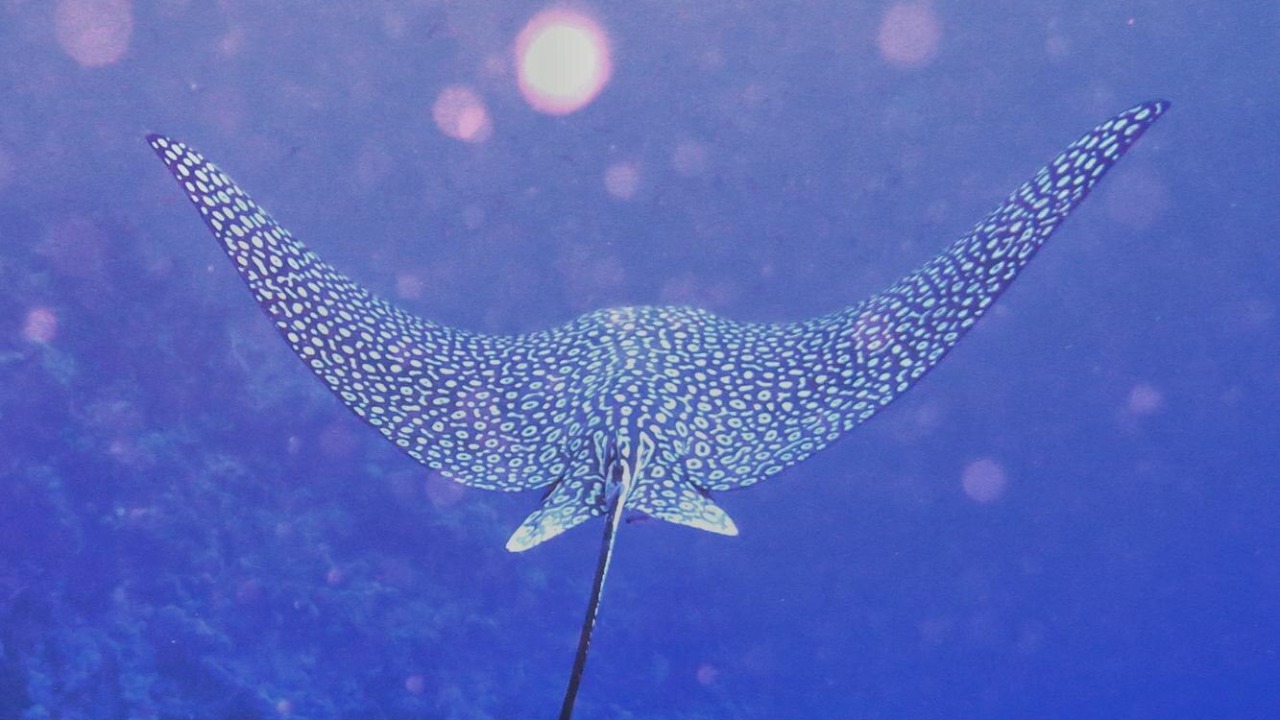
The newly discovered life form exhibits several unique biological features that set it apart from previously known species. One of the most striking characteristics is its bioluminescent properties, which allow it to emit light in the pitch-black environment of the ocean depths. This bioluminescence is not only a survival mechanism but also plays a role in communication and predation.
In addition to bioluminescence, this organism possesses specialized enzymes that enable it to process nutrients in a high-pressure environment. These enzymes are thought to be a key factor in the organism’s ability to thrive in conditions that would be lethal to most other life forms. The discovery of such unique adaptations challenges our understanding of biological processes and suggests that life can exist in a wider range of conditions than previously thought.
Adaptations to Extreme Conditions
Adaptations to extreme conditions are a hallmark of life in the hadal trenches. The new life form has developed a range of physical and biochemical adaptations that allow it to survive and thrive in this challenging environment. Its cellular structure is reinforced to withstand the crushing pressures found at such depths, while its metabolic processes are finely tuned to function efficiently in low-light and low-temperature conditions.
These adaptations not only highlight the resilience of life but also provide valuable insights into the potential for life beyond Earth. If organisms can thrive in the extreme conditions of the hadal trenches, it raises the possibility that similar life forms could exist in the harsh environments of other planets and moons. This discovery, as highlighted in a CNN report, underscores the need to rethink our assumptions about the limits of life.
Implications for Science and the Environment
Expanding the Tree of Life
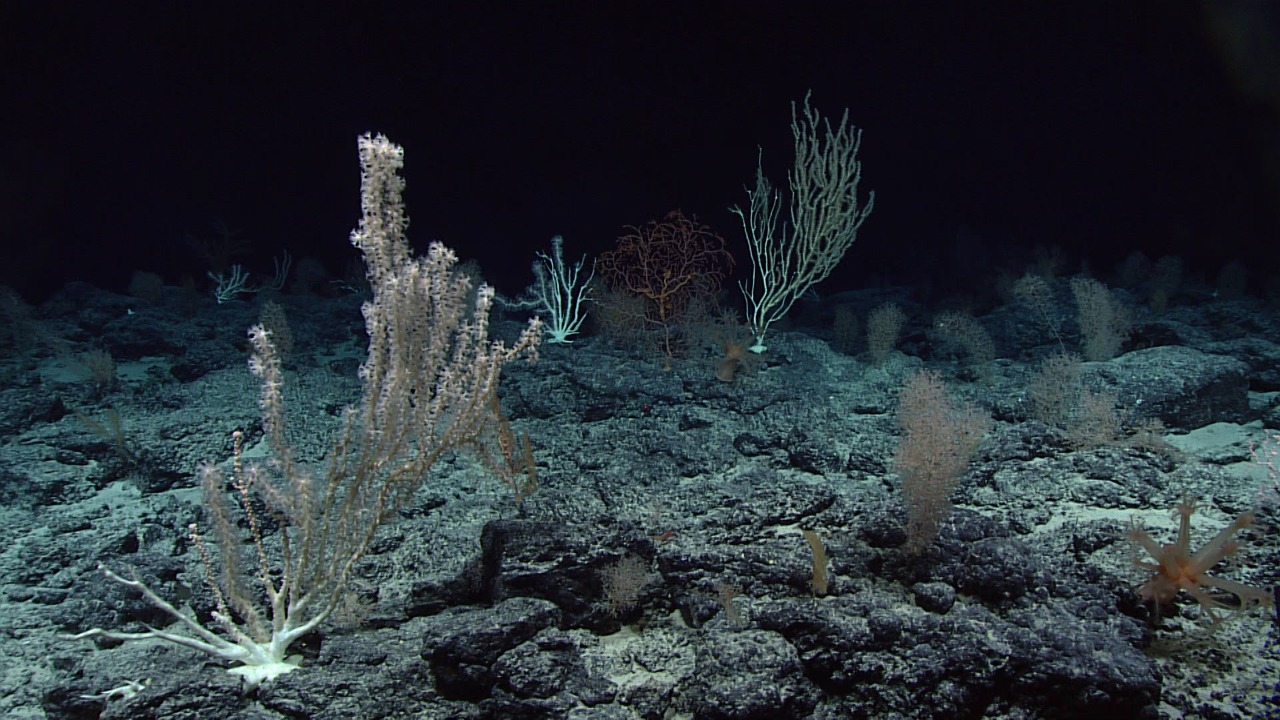
The discovery of a new form of life in the ocean depths has significant implications for our understanding of the biological tree of life. It challenges existing taxonomic classifications and suggests that there may be more branches on the tree of life than previously recognized. This could lead to a reevaluation of evolutionary processes and the development of new models to explain the diversity of life on Earth.
Moreover, this finding emphasizes the importance of exploring and studying Earth’s unexplored regions to gain a comprehensive understanding of biodiversity. As published in a JSTOR article, expanding our knowledge of the biological tree of life is crucial for advancing scientific research and conservation efforts.
Potential Environmental Impact
The discovery of new life forms in the hadal trenches also has potential implications for ocean ecosystems and the broader environment. Understanding how these organisms interact with their surroundings can provide insights into the dynamics of deep-sea ecosystems and their role in global processes such as carbon cycling and nutrient distribution.
Furthermore, this discovery highlights the need for careful consideration of conservation strategies to protect these unique ecosystems from human activities such as deep-sea mining and pollution. Preserving the biodiversity of the hadal zones is essential for maintaining the health and resilience of our planet’s oceans.
The Future of Deep-Sea Exploration
Technological Advancements and Challenges
As we look to the future, technological advancements will continue to play a crucial role in deep-sea exploration. Innovations in submersible design, propulsion systems, and data collection methods will enable scientists to explore even greater depths and uncover more of the ocean’s hidden mysteries. These advancements will also help overcome the challenges associated with deep-sea exploration, such as the high cost and logistical complexities of operating in remote and extreme environments.
Collaboration between scientific institutions, governments, and private companies will be essential to drive innovation and reduce the costs associated with deep-sea research. As technology continues to evolve, the potential for new discoveries in the ocean depths is vast, promising to reshape our understanding of the natural world.
International Collaboration and Funding
International collaboration and funding are critical components of successful deep-sea research and exploration. By pooling resources and expertise, scientists from around the world can tackle the complex challenges of exploring the hadal trenches and other deep-sea environments. This collaborative approach not only enhances the effectiveness of research efforts but also promotes the sharing of knowledge and best practices.
Securing adequate funding for deep-sea exploration is essential to support long-term research initiatives and ensure the sustainability of these efforts. Public and private investment in marine science and technology will be crucial in advancing our understanding of the ocean depths and unlocking the secrets they hold.
Broader Implications for Humanity
Reassessing Life’s Possibilities
The discovery of a new form of life in the ocean depths challenges our perception of where and how life can exist beyond Earth. It suggests that life is more adaptable and resilient than previously thought, opening up new possibilities for the existence of life in extreme environments elsewhere in the universe. This finding has implications for the search for extraterrestrial life and the study of astrobiology, as it expands the range of conditions under which life might be found.
As we continue to explore the far reaches of our own planet, we gain valuable insights into the potential for life beyond Earth. This discovery encourages us to broaden our horizons and consider the vast possibilities that the universe holds.
Ethical Considerations and Responsibilities
As we venture into the unexplored depths of the ocean, we must also consider the ethical responsibilities that come with such exploration. The discovery of new ecosystems and life forms raises important questions about the potential exploitation and conservation of these environments. It is crucial to balance the pursuit of scientific knowledge with the need to protect and preserve the fragile ecosystems of the deep sea.
Ethical considerations should guide our actions as we explore and study these newly discovered ecosystems. Responsible exploration and conservation efforts will ensure that the wonders of the deep sea can be appreciated by future generations while maintaining the health and integrity of our planet’s oceans.
