A groundbreaking discovery has emerged from the frozen expanse of Antarctica, where scientists have unearthed a lost world hidden beneath the ice for millions of years. This ancient ecosystem, preserved in time, offers a unique glimpse into Earth’s prehistoric past and holds significant implications for our understanding of climate change and biodiversity.
The Discovery: A Hidden Time Capsule
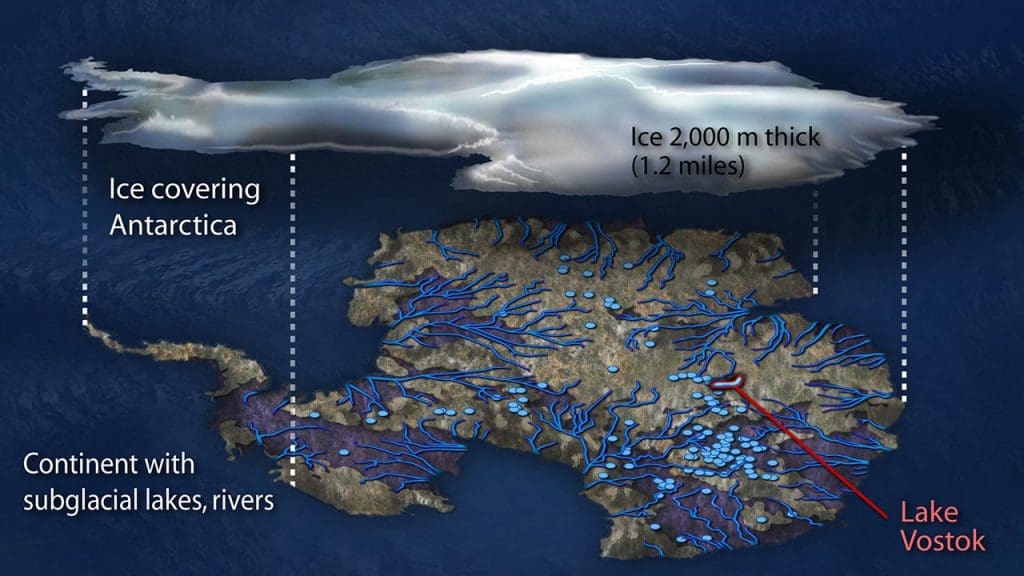
This remarkable find is the result of a daring scientific mission that employed advanced technology to peer beneath the Antarctic ice. Using tools such as ice-penetrating radar and remote sensing equipment, researchers were able to identify an ancient ecosystem buried under 2 kilometers of ice. The significance of these findings cannot be overstated, as they offer a snapshot of life on Earth over 30 million years ago, providing invaluable data for paleontologists and climate scientists alike.
The journey to uncover this hidden world was fraught with challenges. The research team faced logistical hurdles such as extreme cold, unpredictable weather, and the sheer remoteness of the location. Overcoming these obstacles required meticulous planning and coordination, making the discovery not just a scientific triumph but a testament to human ingenuity and perseverance.
Unraveling Earth’s Prehistoric Past
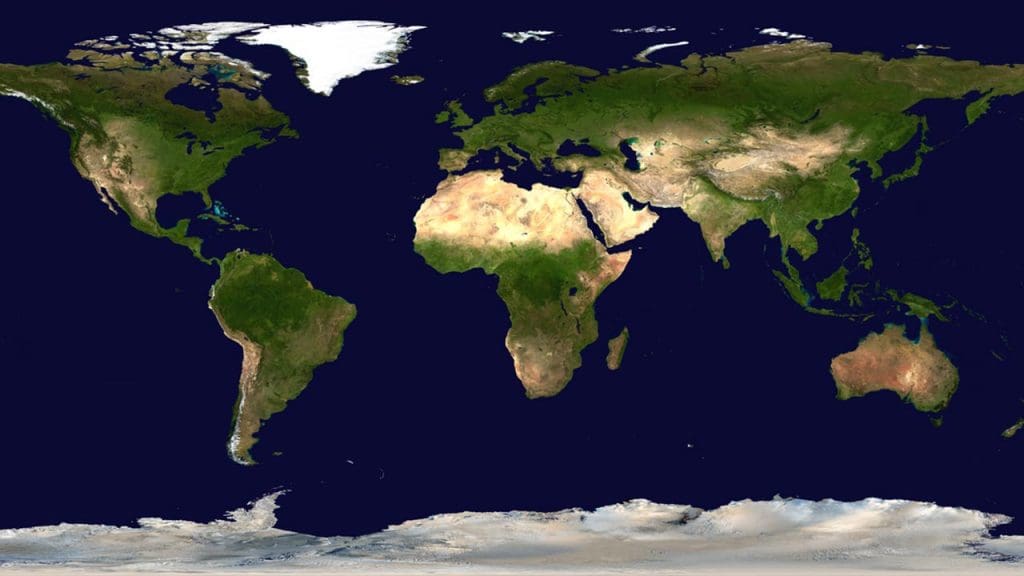
The discovery has unveiled a treasure trove of information about ancient ecosystems. Fossilized remains of flora and fauna found beneath the ice offer insights into the biodiversity of a bygone era. These findings help reconstruct the evolutionary history of life on Earth and provide a deeper understanding of how species adapted to changing climates. By analyzing these ancient organisms, scientists can draw parallels between past and present climates, shedding light on the natural processes that have shaped our planet.
Antarctica’s role in Earth’s geological history is pivotal, as it has been both a cradle of life and a key player in the narrative of continental drift. The lost world discovered beneath its icy surface fits into this broader story, offering clues about the continent’s past climate conditions and their relevance to current climate change studies. Understanding these historical climates is crucial for refining models that predict future climate scenarios.
Technological Innovations in Antarctic Research
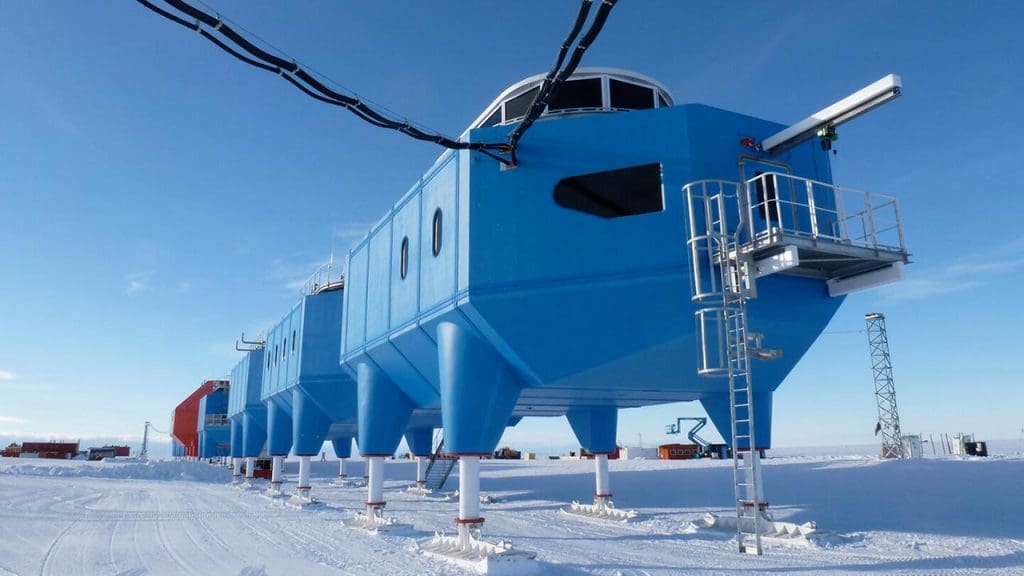
The success of this discovery was made possible by cutting-edge technology that has revolutionized Antarctic research. Tools like ice-penetrating radar have allowed scientists to explore areas previously thought inaccessible, while remote sensing equipment provides detailed images of the hidden world beneath the ice. This technological evolution has been a game-changer for polar exploration, enabling researchers to make discoveries that were once beyond reach.
As Antarctic research continues to advance, the potential for further discoveries grows. Future expeditions will likely rely on even more sophisticated tools and techniques, pushing the boundaries of what is possible in polar exploration. The ongoing need for innovation in this field underscores the importance of investing in research and development, ensuring that scientists have the resources they need to uncover the secrets of the frozen continent.
Implications for Climate Science and Biodiversity
Understanding ancient ecosystems is not just a matter of academic interest; it has practical implications for biodiversity conservation efforts today. By studying how life thrived under different climatic conditions, scientists can glean insights that inform current conservation strategies. This knowledge is vital for preserving the planet’s biodiversity in the face of ongoing environmental changes.
The discovery also has significant ramifications for climate science. By providing a clearer picture of past climate conditions, it can help refine models that predict future climate scenarios. This is crucial for policymakers and scientists working to mitigate the impacts of climate change. Furthermore, the importance of preserving polar regions as natural laboratories cannot be overstated. Antarctic research plays a critical role in shaping global environmental policies and preservation strategies, highlighting the need for international collaboration and commitment.
The Global Impact of the Discovery
This monumental discovery was made possible through international collaboration in science. Researchers from around the world came together, pooling their expertise and resources to achieve a common goal. This spirit of cooperation is essential for tackling the complex challenges of climate change and environmental conservation on a global scale.
Discoveries like this one capture the public’s imagination and underscore the importance of raising awareness about Earth’s history. By engaging with the public, scientists can foster a greater appreciation for the natural world and inspire the next generation of researchers. Ultimately, such discoveries can influence environmental and scientific policies, encouraging a more informed and proactive approach to preserving our planet.
