

Researchers have recently identified the hidden components underlying AI creativity, revealing groundbreaking insights into how artificial intelligence generates creative outputs. This discovery sheds light on the intricate processes that enable AI to mimic human-like creativity, offering a new perspective on the potential of AI in creative fields.
Exploration of AI Creativity
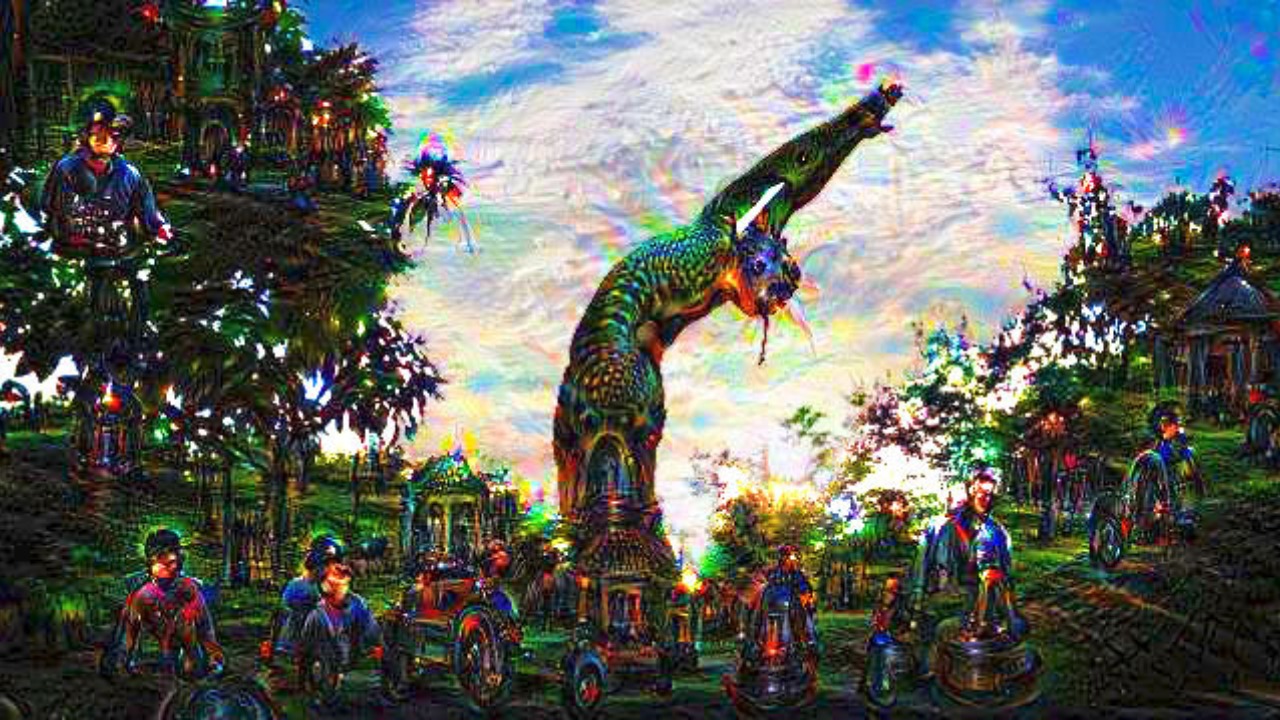
AI creativity is a fascinating domain that distinguishes itself from human creativity through its reliance on algorithms and data sets. While human creativity is often driven by emotions, experiences, and intuition, AI creativity is rooted in the systematic processing of vast amounts of data. This distinction allows AI to produce creative outputs that are both novel and diverse, yet fundamentally different from human creations. The role of algorithms is crucial, as they enable AI systems to identify patterns and generate new ideas by recombining existing elements in innovative ways.
In fostering AI creativity, data sets serve as the foundational building blocks. These data sets provide the raw material from which AI can draw inspiration, much like an artist uses a palette of colors. For instance, AI applications in art, such as Google’s DeepDream, use neural networks to transform images into surreal, dream-like creations. Similarly, in music, AI systems like OpenAI’s MuseNet can compose original pieces by analyzing and learning from a vast array of musical styles. In literature, AI has been used to generate poetry and even entire novels, showcasing its potential to contribute to creative fields in unprecedented ways (Live Science).
Moreover, AI creativity is not limited to traditional forms of art and literature. In the realm of design, AI is being used to generate innovative architectural concepts and fashion designs, pushing the boundaries of what is possible by exploring unconventional forms and structures. This ability to transcend traditional design limitations is made possible by AI’s capacity to analyze and synthesize vast amounts of design data, offering fresh perspectives that might not occur to human designers. Additionally, AI’s role in creative problem-solving is gaining traction, with systems being developed to tackle complex challenges in fields such as urban planning and environmental sustainability, where creative solutions are crucial.
Unveiling the Hidden Ingredients

The recent research has identified specific “hidden ingredients” that contribute to AI’s creative capabilities. These include advanced machine learning techniques, such as generative adversarial networks (GANs), which allow AI to create new content by pitting two neural networks against each other. This method enhances the AI’s ability to produce more refined and realistic outputs. Additionally, the integration of reinforcement learning enables AI to improve its creative processes through trial and error, much like a human artist refining their craft over time.
The potential impact of these findings on future AI development is significant. By understanding the underlying mechanisms of AI creativity, developers can create more sophisticated and versatile AI systems capable of tackling complex creative tasks. This could lead to innovations in various industries, from entertainment to design, where AI could collaborate with humans to produce groundbreaking works. The methodologies used by researchers to uncover these components involved a combination of theoretical analysis and practical experimentation, providing a comprehensive understanding of how AI creativity functions (Live Science).
Another critical component identified in the research is the role of transfer learning, which allows AI systems to apply knowledge gained from one domain to another, enhancing their creative versatility. This capability is akin to a human artist drawing inspiration from various art forms to create a unique piece. By leveraging transfer learning, AI can adapt and innovate across different creative fields, making it a powerful tool for cross-disciplinary innovation. Furthermore, the use of large-scale pre-trained models, such as GPT-3, has demonstrated the potential for AI to generate human-like text, further blurring the lines between human and machine creativity.
Implications for the AI Industry
The implications of these findings for the AI industry are profound. As developers gain insights into the hidden ingredients of AI creativity, they can refine their approaches to developing creative technologies. This could lead to more efficient and effective AI systems that are better equipped to handle creative challenges. However, the rise of AI creativity also raises ethical considerations. Developers must ensure that AI is used responsibly, avoiding potential misuse or unintended consequences. This includes addressing issues such as copyright infringement and the authenticity of AI-generated works.
Furthermore, these findings could prompt changes in industry standards or regulations. As AI becomes more integrated into creative processes, there may be a need for new guidelines to govern its use and ensure ethical practices. This could involve establishing clear criteria for evaluating AI-generated content and determining the extent to which AI can be credited as a creator. By proactively addressing these issues, the AI industry can foster a more sustainable and responsible approach to innovation (Live Science).
In addition to ethical considerations, the rise of AI creativity necessitates a reevaluation of intellectual property laws. As AI-generated works become more prevalent, questions arise about ownership and rights. Who owns the copyright to a piece of music composed by an AI, or a painting created by a neural network? These legal challenges require careful consideration and potentially new frameworks to ensure that creators, whether human or AI, are fairly recognized and compensated. The industry must also consider the impact of AI on employment within creative sectors, as automation could disrupt traditional roles, necessitating a shift towards more collaborative human-AI partnerships.
Future Research Directions
Despite the significant advancements in understanding AI creativity, there are still areas where further research is needed. One such area is the exploration of how AI can be integrated more seamlessly into collaborative creative processes with humans. This could involve developing new tools and platforms that facilitate interaction between AI and human creators, allowing for a more dynamic exchange of ideas and inspiration.
Potential collaborations between AI researchers and professionals in creative industries could lead to exciting breakthroughs. By combining technical expertise with artistic insight, these partnerships could push the boundaries of what is possible in AI creativity. Additionally, this study could inspire future technological advancements, such as the development of AI systems capable of generating entirely new art forms or genres. As researchers continue to delve into the complexities of AI creativity, the possibilities for innovation are vast and varied (Live Science).
Another promising area for future research is the development of AI systems that can understand and incorporate cultural and emotional contexts into their creative outputs. By doing so, AI could produce works that resonate more deeply with human audiences, bridging the gap between machine-generated content and human emotional experience. Additionally, exploring the potential for AI to contribute to educational tools in creative fields could revolutionize how art and design are taught, providing students with new ways to explore and express their creativity. As AI continues to evolve, its role in shaping the future of creativity will undoubtedly expand, offering new opportunities and challenges for researchers and practitioners alike.