In an era marked by an escalating global plastic pollution crisis, science may have found a potential solution in an unlikely candidate – bacteria. Recent research has brought to light certain strains of bacteria capable of feasting on plastics, reducing them to harmless compounds in just a few days.
The Plastic Problem: A Brief Overview
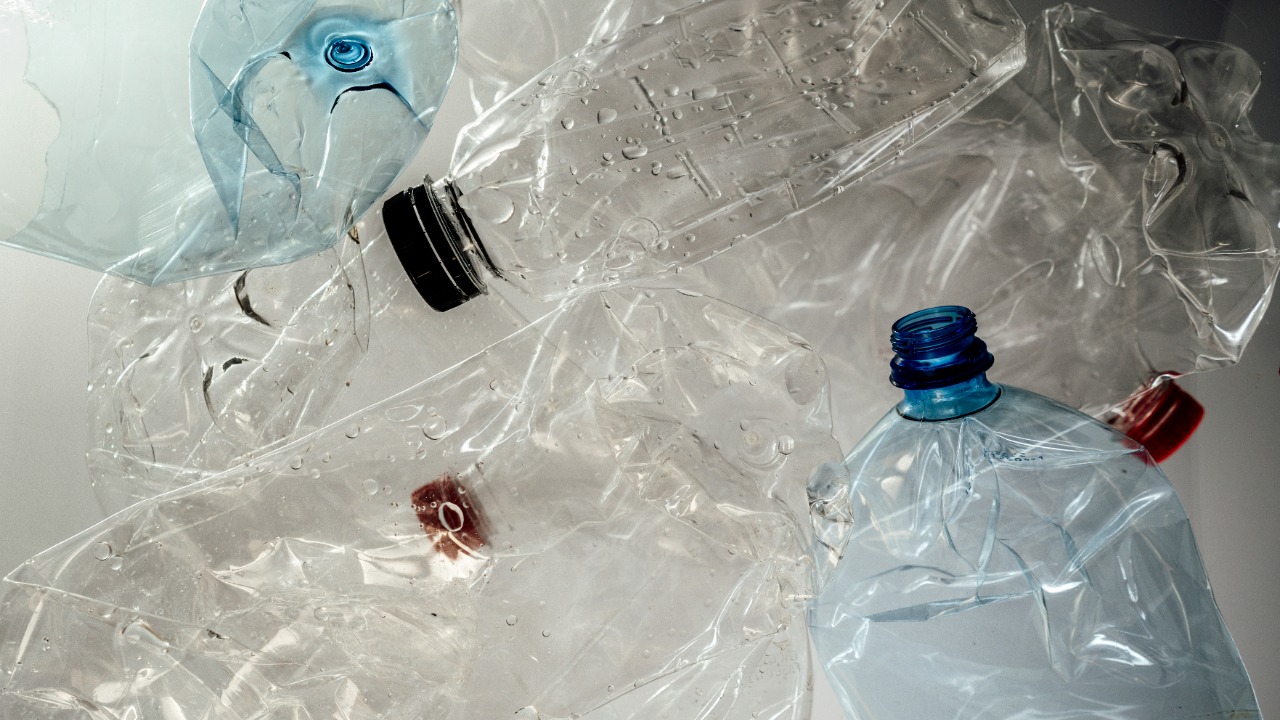
The plastic pollution crisis is a formidable global issue. Approximately 8 million tons of plastic waste find their way into the oceans every year, posing severe threats to marine life and ecosystems. Despite the widespread recognition of this problem, managing plastic waste remains a significant challenge due to the material’s inherent durability and resistance to decomposition. The traditional methods of waste management, such as landfilling and incineration, are fraught with environmental concerns, while recycling is often hampered by technical complexities and economic feasibility.
Plastic’s resistance to degradation is a result of its synthetic nature. Most plastics are essentially long chains of polymers – large, complex molecules that resist breaking down. This durability, while beneficial for product longevity, becomes a problem once the material is discarded. Given the scale of plastic production and consumption, finding efficient and environmentally friendly ways to manage plastic waste is of paramount importance.
Discovery of Plastic-Eating Bacteria
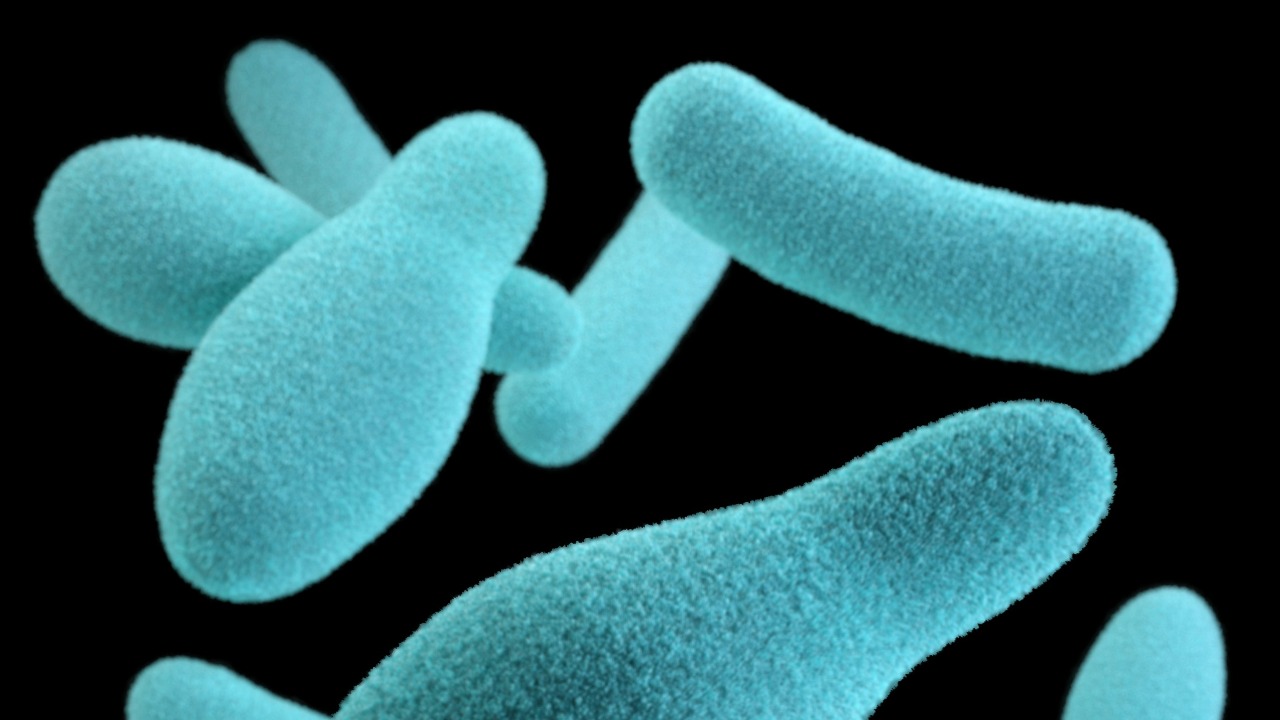
The scientific community’s quest for a solution to the plastic problem led to the discovery of Ideonella sakaiensis 201-F6, a bacterium found near a plastic recycling facility in Japan. This bacterium demonstrated an ability to break down Polyethylene terephthalate (PET), a common type of plastic used in packaging and textiles. The discovery sparked interest in exploring the potential of bacteria as a tool for plastic waste management.
Following the initial discovery, researchers have identified other similar bacteria capable of consuming plastic in a matter of days. These bacteria are typically found in environments heavily polluted with plastic waste, such as landfill sites and recycling plants. They seem to have adapted to their habitat by evolving the ability to degrade plastic. For instance, researchers have found certain bacteria that can consume polyurethane, a common plastic found in furniture and insulation materials.
How the Bacteria Works: The Science Behind Plastic Consumption
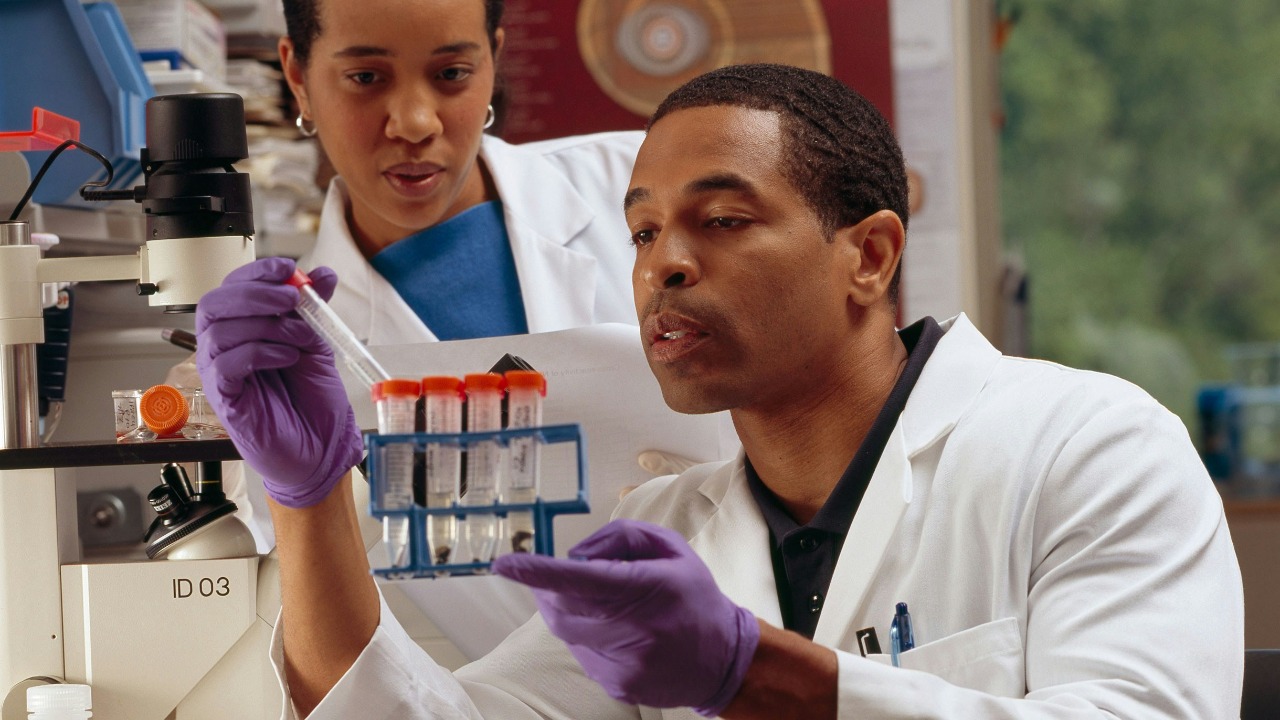
The process of bacterial plastic consumption is fascinating. These bacteria produce special enzymes that can break down the strong bonds holding the plastic polymers together. Once these bonds are broken, the bacteria can consume the resulting smaller molecules as a source of energy and carbon.
For example, Ideonella sakaiensis produces an enzyme called PETase, which can break down PET into its basic building blocks. Another enzyme, MHETase, then further degrades these building blocks into compounds that the bacteria can digest. Scientists are now working on harnessing and optimizing these enzymes for plastic degradation.
The Potential and Limitations of Bacteria in Plastic Waste Management
The discovery of plastic-eating bacteria has opened up exciting possibilities for managing plastic waste. If these bacteria can be harnessed on a large scale, they could provide an efficient and environmentally friendly way to deal with plastic pollution. They could be used in waste treatment facilities to break down plastic before it’s discarded, or even deployed directly to polluted environments to consume plastic waste.
However, the use of these bacteria also presents challenges. It’s not yet clear whether they can be safely and effectively used outside the laboratory. There’s also the concern that if these bacteria were to escape into the environment, they could potentially disrupt ecosystems. Furthermore, not all plastics are the same, and different types may require different bacterial strains or enzymes for degradation. Thus, while the potential is great, there’s still a lot we need to understand before these bacteria can be deployed on a large scale.
Other Biological Solutions to the Plastic Problem
Bacteria are not the only biological entities capable of consuming plastic. Other organisms, such as mealworms, fungi, and other microbes, have also shown promise in this area. For example, researchers have found that mealworms can consume and degrade Styrofoam, a type of plastic. This discovery could potentially pave the way for a biological solution to Styrofoam waste, which is particularly challenging to manage due to its bulkiness and low recyclability.
Furthermore, certain fungi have been found to consume plastics as well. For instance, the fungi Aspergillus tubingensis can break down plastics in weeks, and Pestalotiopsis microspora can consume polyurethane, even in anaerobic (oxygen-free) environments. The diversity of these biological solutions offers a glimpse of the potential for a multi-pronged biological approach to tackle the plastic pollution crisis.
Future of Plastic Waste Management: The Role of Science and Technology
Ongoing research and developments in the field of plastic waste management are encouraging. Scientists are continually exploring the potential of biotechnology, with hopes of bioengineering organisms specifically tailored to degrade different types of plastic. This approach could provide a more tailored and efficient solution to plastic waste management.
However, as promising as these developments are, it’s important to remember that they are not a silver bullet. They should be viewed as part of a broader strategy to tackle plastic pollution, which includes reducing plastic production and consumption, improving recycling technologies, and promoting responsible waste management. As we continue to innovate, we must also continue to educate and advocate for sustainable practices. The future of plastic waste management likely lies in a combination of technological advancements and societal change.
