Scientists have recently uncovered ancient signals emanating from deep space, sparking intrigue and speculation within the scientific community. These mysterious signals, potentially originating from billions of light-years away, offer a unique glimpse into the cosmos and challenge our understanding of the universe. This article delves into the fascinating discovery, the technology behind it, and its implications for future space exploration.
The Discovery of Ancient Signals
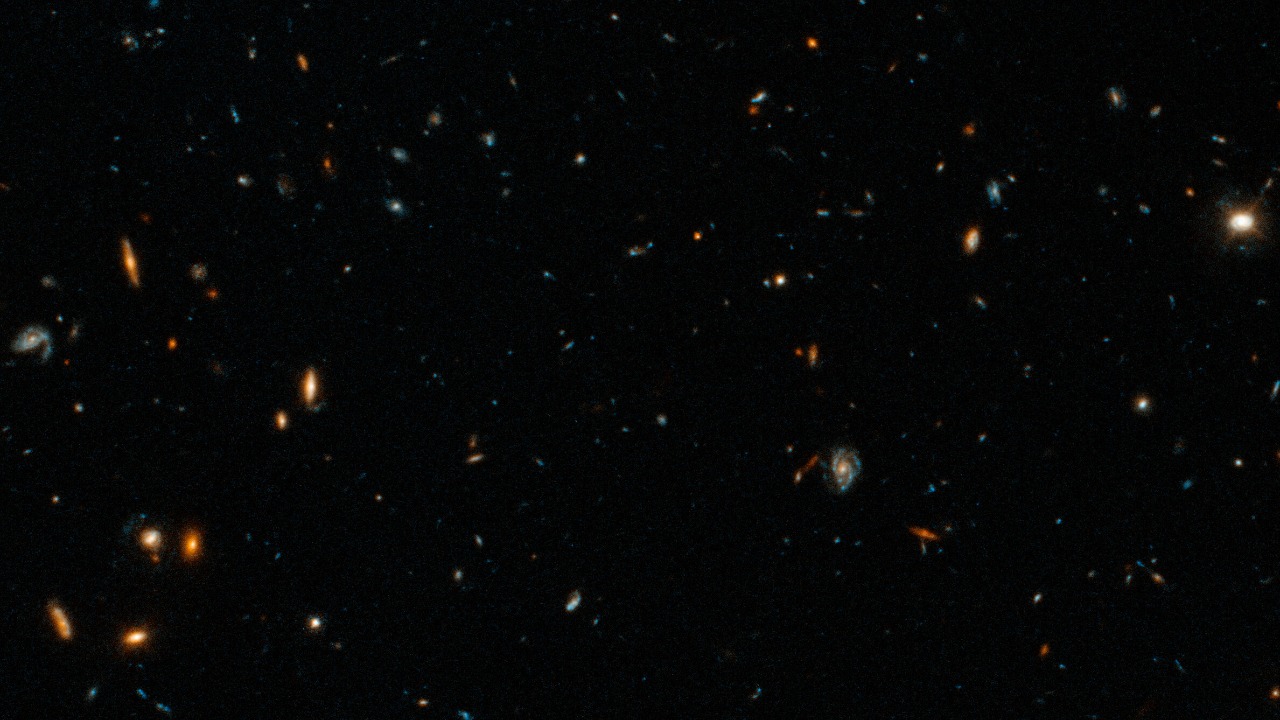
The recent breakthrough in detecting ancient signals from deep space has captivated astronomers and scientists worldwide. These signals, identified as fast radio bursts (FRBs), are intense, millisecond-long bursts of radio waves that appear to originate from outside our galaxy. Since their initial discovery in 2007, FRBs have provided tantalizing clues about the universe’s most enigmatic phenomena. With the latest detection of these signals, scientists are now one step closer to unraveling the mysteries of deep space.
Fast radio bursts have emerged as a valuable tool for understanding cosmic events. By studying FRBs, scientists aim to gain insights into the nature of neutron stars, black holes, and other celestial phenomena that remain shrouded in mystery. The scientific community has been abuzz with excitement and speculation, with researchers eager to explore the potential implications of this discovery. Initial interpretations vary, but the consensus is clear: these signals hold the key to unlocking a deeper understanding of the universe.
The Technology Behind the Discovery
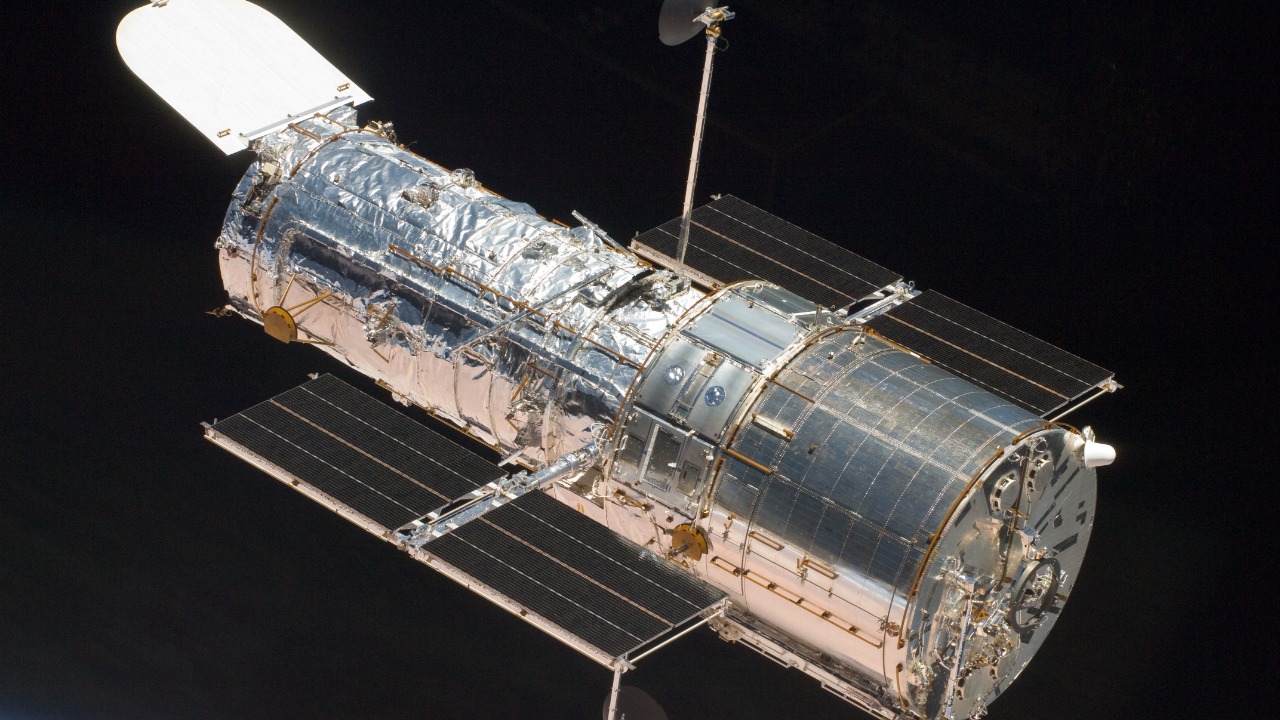
The detection of ancient signals from deep space is made possible by advanced telescopes and instruments designed to capture radio waves from the farthest reaches of the universe. Facilities like the Canadian Hydrogen Intensity Mapping Experiment (CHIME) and the Australian Square Kilometre Array Pathfinder (ASKAP) are at the forefront of this groundbreaking research. These cutting-edge tools enable scientists to detect even the faintest signals, allowing for a more comprehensive exploration of the cosmos.
Radio astronomy has become an essential component of modern astrophysics, providing critical insights into the universe’s structure and evolution. However, identifying and confirming the source of these signals presents significant challenges. The vast distances involved, coupled with the brief duration of FRBs, make it difficult to pinpoint their exact origins. Despite these obstacles, researchers remain undeterred, driven by the potential discoveries that await in the depths of space.
Potential Origins and Nature of the Signals
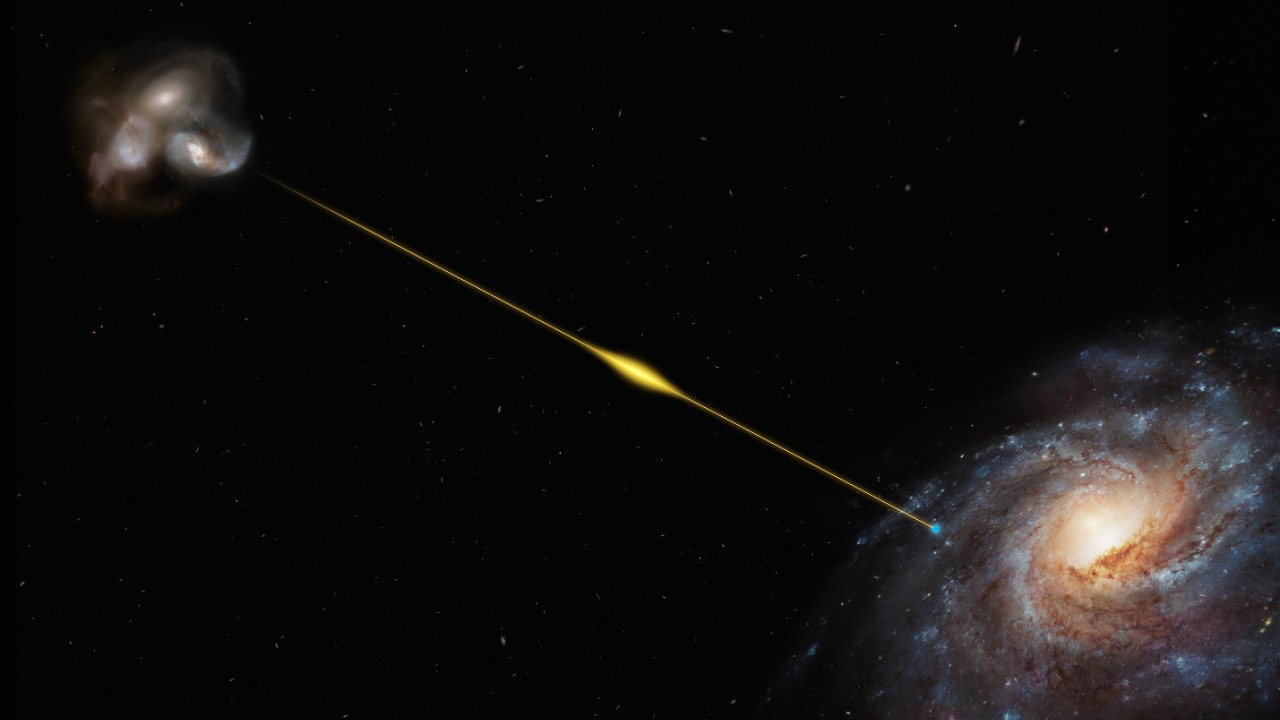
The origins of these ancient signals continue to be a topic of intense debate among scientists. One theory suggests that FRBs may originate from dead galaxies, where the remnants of massive stars serve as the source of the bursts. Other possibilities include the collision of neutron stars or the activities of exotic cosmic objects like magnetars. These theories highlight the complexity and diversity of the universe, offering a glimpse into the myriad phenomena that exist beyond our immediate cosmic neighborhood.
Comparing the recent signals to past detections adds another layer of intrigue. Some earlier signals were initially thought to be from deep space but were later traced back to more mundane origins, such as a dead NASA satellite. This highlights the importance of careful analysis and verification in the field of radio astronomy. Additionally, the possibility of these signals indicating extraterrestrial life continues to fuel debate, as the search for life beyond Earth remains one of humanity’s most enduring quests.
Implications for Astronomy and Space Exploration
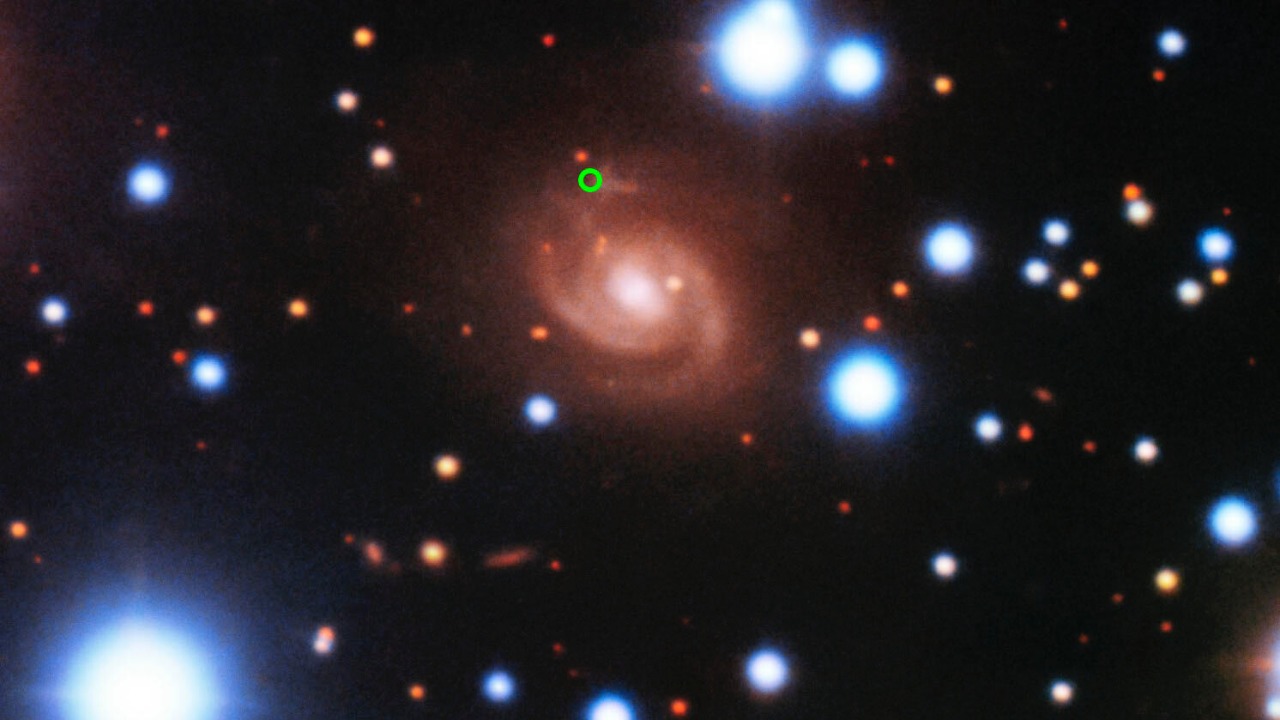
The discovery of ancient signals from deep space holds significant implications for our understanding of the universe’s history and evolution. By analyzing these signals, scientists hope to gain insights into the processes that shaped the cosmos, from the formation of galaxies to the behavior of exotic cosmic objects. This newfound knowledge could reshape existing theories and pave the way for new lines of inquiry in astrophysics.
The potential impact on future astronomical research and space missions is profound. As scientists continue to investigate these signals, interdisciplinary collaborations are expected to flourish, bringing together experts from fields as diverse as astrophysics, engineering, and computer science. The development of new technologies and methodologies will be crucial in advancing our understanding of the universe and exploring the vast, uncharted territories of space.
Public Interest and Speculation

The discovery of deep space signals has captured the public’s imagination, leading to widespread media coverage and a surge of interest in the field of astronomy. Articles and discussions abound, with headlines speculating on the implications of the find. For instance, some suggest the signals could be part of a mysterious pattern repeating every 44 minutes, prompting questions about their origin and significance.
However, with public interest comes a proliferation of misconceptions and myths. Popular media often sensationalizes scientific discoveries, leading to misunderstandings about the nature of the signals and their potential link to extraterrestrial life. It is crucial for science communicators to address these misconceptions and provide clear, accurate information to the public. By doing so, they can foster a greater appreciation for the complexities of space exploration and the rigorous scientific processes that underpin it.
In conclusion, the detection of ancient signals from deep space represents a significant milestone in our quest to understand the universe. As scientists continue to explore these signals, the potential for new discoveries and advancements in space exploration is immense. With the right tools, collaborations, and public engagement, we stand on the brink of a new era in our understanding of the cosmos.
