In a groundbreaking development, scientists have created a new type of plastic that can fully degrade within 72 hours. This innovation comes at a crucial time when the world grapples with the challenges of plastic waste management and environmental conservation. The new material promises to revolutionize industries that rely heavily on plastics while significantly reducing environmental impact.
The Science Behind Rapid Degradation

The newly developed plastic owes its rapid degradation capabilities to a unique combination of polymers and additives. At the heart of this innovation lies a blend of organic compounds that are specifically structured to break down quickly when exposed to environmental factors such as moisture and temperature. Unlike traditional plastics, which can persist in the environment for hundreds of years, these innovative materials are designed to decompose completely and revert to natural elements, leaving no toxic residue behind.
Traditional biodegradable plastics often fall short due to their reliance on specific conditions for decomposition, which may not be met in natural environments. The new plastic, however, boasts a formulation that allows for accelerated degradation under a wide range of conditions, including varying temperatures and humidity levels. This breakthrough was achieved by integrating certain enzymes and catalysts that activate the breakdown process even in less-than-ideal conditions, a stark contrast to the limitations faced by existing biodegradable solutions. Research conducted by scientists highlights the potential of this new material to outperform conventional options by a significant margin (source).
Potential Environmental Impact
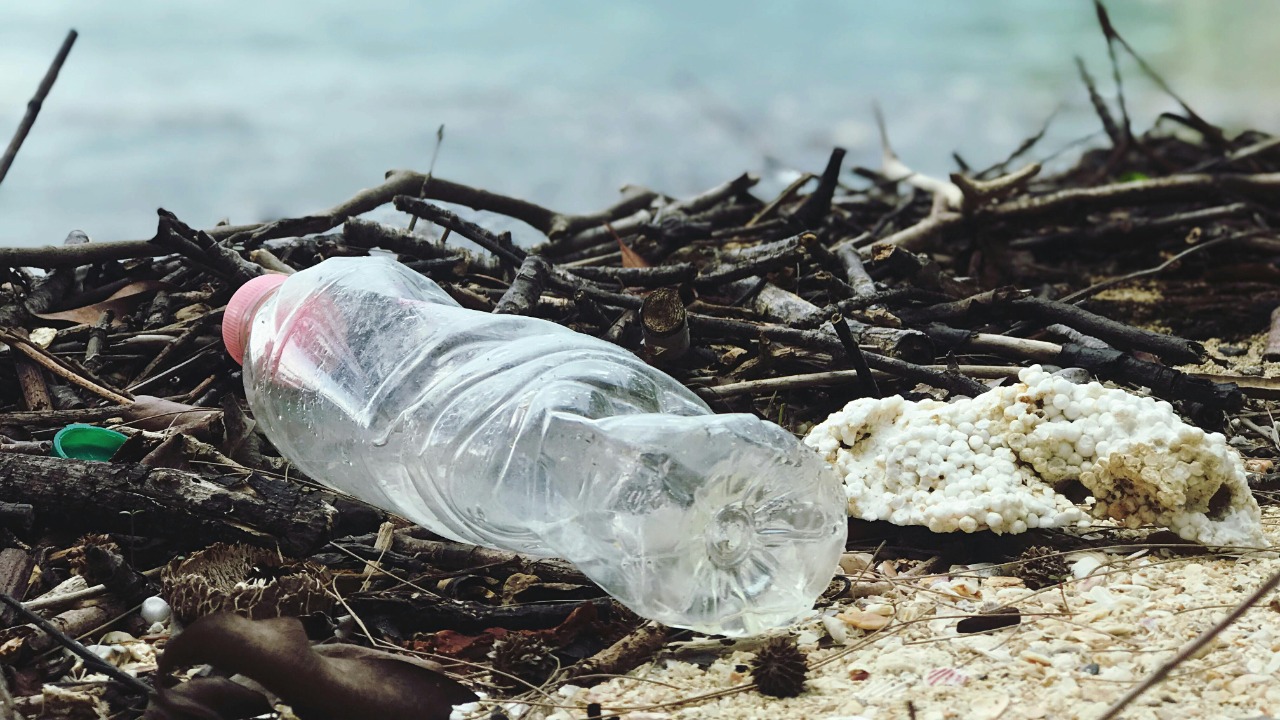
The introduction of this rapidly degrading plastic could dramatically reduce the accumulation of plastic waste in landfills and oceans. With millions of tons of plastic waste generated annually, the ability to significantly lower its persistence in the environment offers a promising solution for global waste management challenges. This development could lead to changes in waste management practices, encouraging policies that promote the use of biodegradable materials and facilitate their integration into existing systems.
Beyond waste management, the ecological benefits of such an innovation are profound. Marine and terrestrial wildlife have long suffered from the detrimental effects of plastic pollution, often resulting in injury or death. By decreasing the amount of persistent plastic in natural habitats, the new material could contribute to healthier ecosystems and improved biodiversity. Long-term, this reduction in plastic pollution could enhance the resilience of ecosystems, fostering a more sustainable coexistence between human activities and the natural world (source).
Applications Across Industries
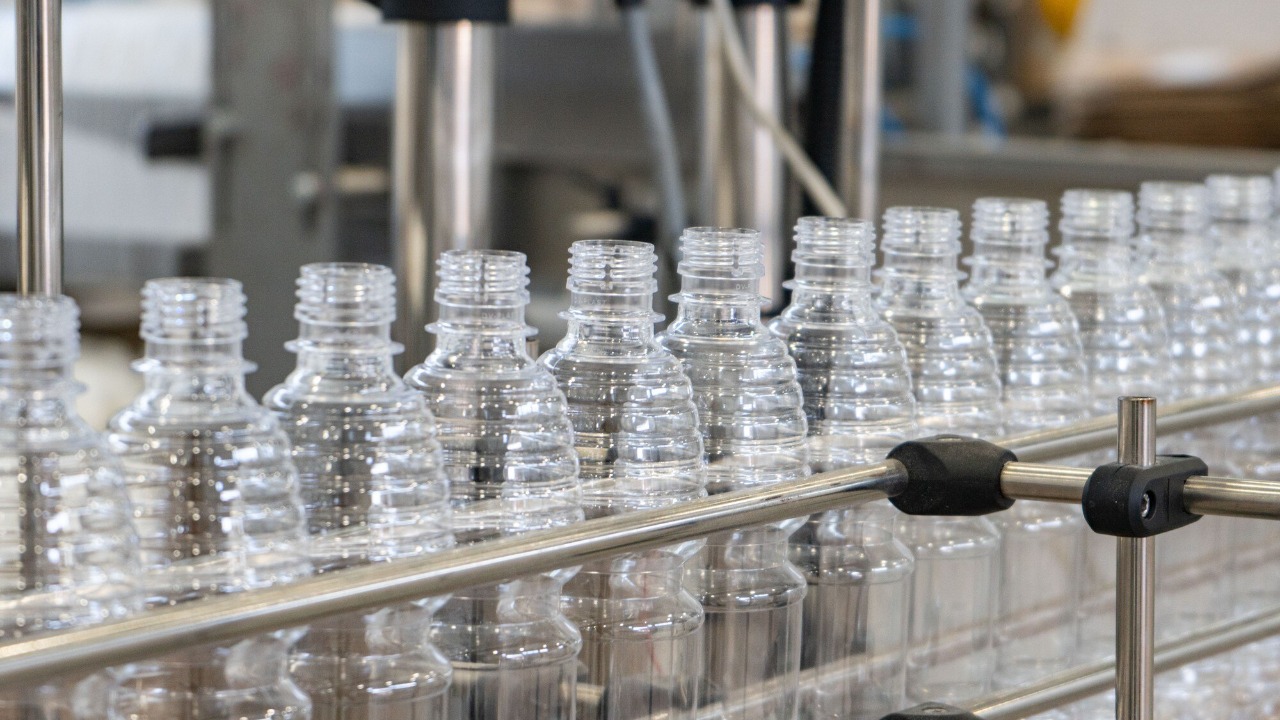
The potential applications of this innovative plastic extend across numerous industries, starting with packaging and consumer goods. As a significant contributor to plastic waste, the packaging industry stands to benefit immensely from a shift to degradable alternatives. This new material could replace conventional packaging solutions in sectors such as food and beverage, retail, and cosmetics, offering an eco-friendly alternative that aligns with increasing consumer demand for sustainable products.
In the healthcare and pharmaceutical sectors, the benefits of a rapidly degrading plastic are equally compelling. Medical devices and drug delivery systems often rely on plastic materials that contribute to medical waste. By integrating this new plastic into healthcare products, the industry could reduce its environmental footprint while enhancing the sustainability of healthcare practices. This shift could lead to innovations in how medical products are designed, manufactured, and disposed of, ultimately improving the sector’s environmental impact (source).
Challenges and Future Prospects

Despite its promising potential, the large-scale production of this new plastic faces several technical and economic hurdles. Manufacturing processes must be adapted to accommodate the unique composition of the material, which may require significant investment and innovation. Additionally, the cost of production could initially be higher than that of traditional plastics, posing a challenge for widespread adoption. Nevertheless, ongoing research aims to address these issues, exploring ways to enhance scalability and reduce costs.
Future research opportunities abound, with scientists investigating further enhancements to the material’s properties and exploring new applications. The role of policy and collaboration cannot be understated in this context; concerted efforts between governments, industry leaders, and researchers are essential to advancing the development and adoption of biodegradable plastics. By fostering an environment conducive to innovation and investment, stakeholders can expedite the transition to more sustainable materials (source).
Global Implications and Adoption
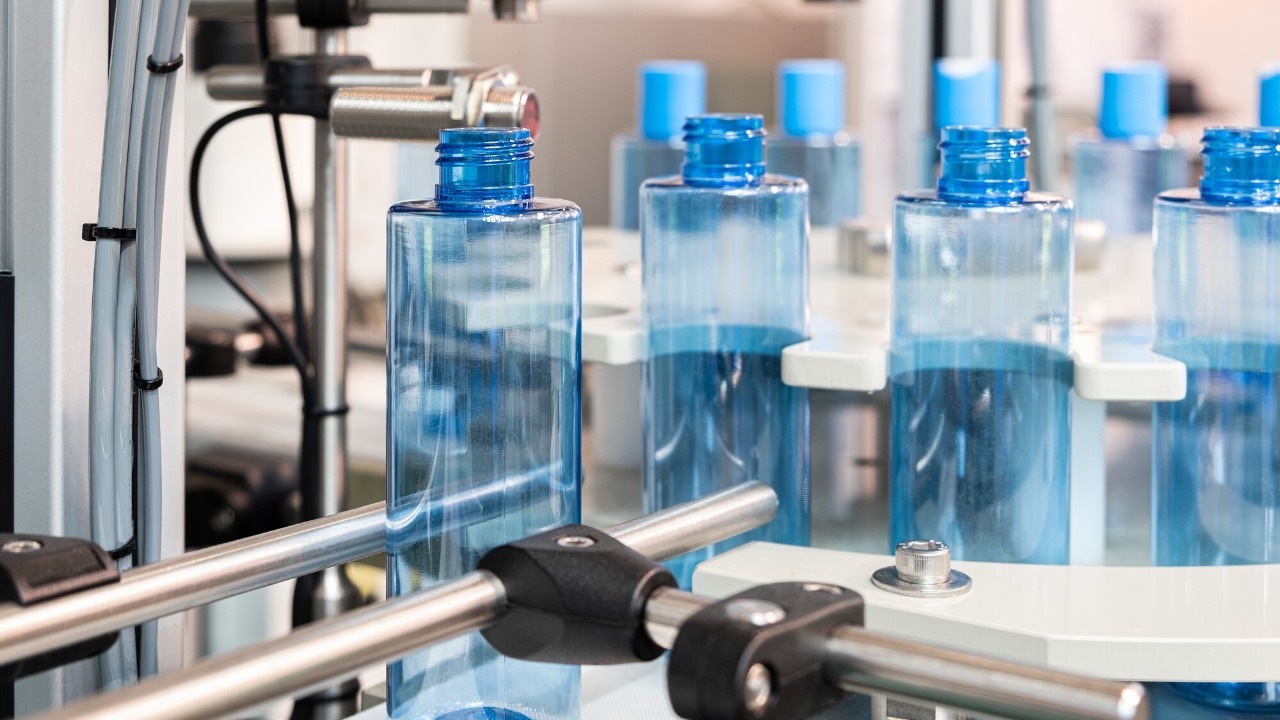
The successful integration of this new plastic into global markets will likely rely on international collaboration and regulation. Cross-border partnerships can facilitate the sharing of knowledge and resources, enabling countries to collectively address the challenges of plastic waste. Furthermore, new regulations may be necessary to encourage the use of biodegradable plastics, providing incentives for industries to transition away from conventional materials.
Several case studies and pilot projects demonstrate the potential for real-world impact. For instance, early adopters in industries such as packaging and healthcare have reported positive outcomes, showcasing the feasibility and benefits of switching to biodegradable options. As these initiatives scale up, the feedback and insights gained will be invaluable in refining the material and its applications, paving the way for broader adoption and a more sustainable future (source).
