Recent findings in the field of astrophysics suggest something quite extraordinary – there could be movement within the Moon. This exciting revelation has sparked a flurry of research and theories about the nature of our closest celestial neighbor.
Unpacking the Discovery
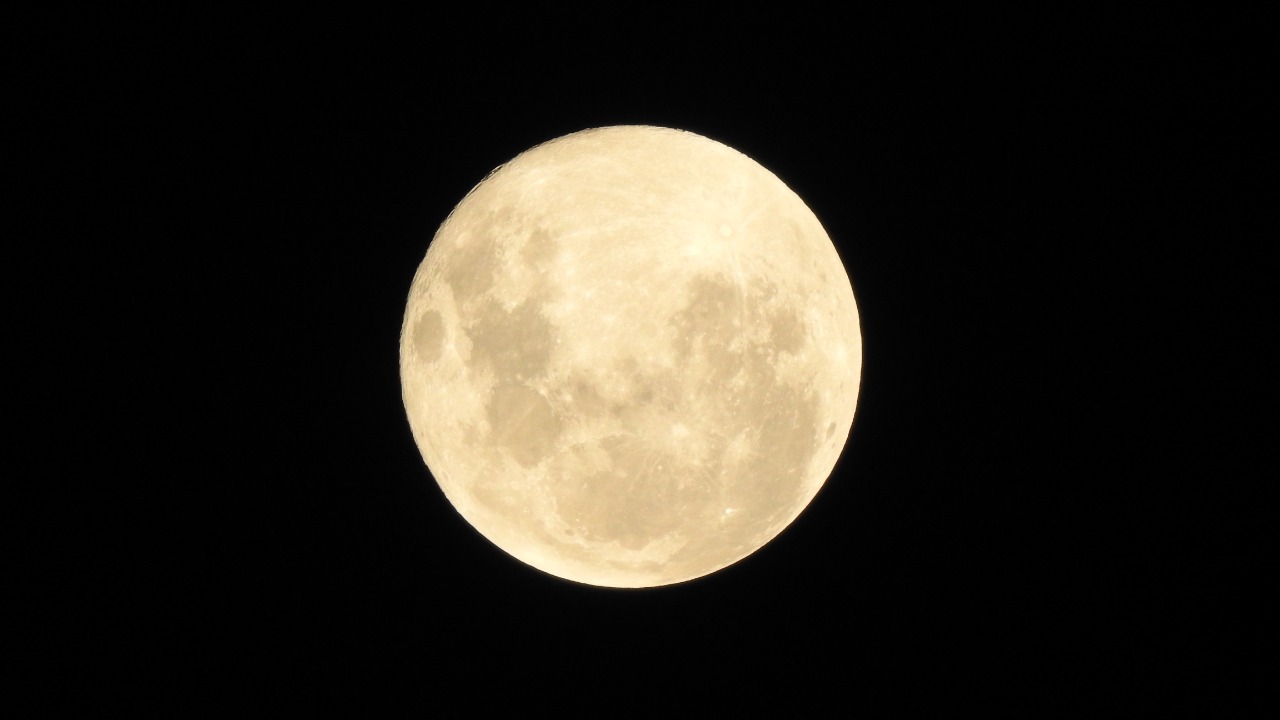
The original discovery of possible internal lunar movement was made by a team of international scientists using advanced detection tools. By utilizing seismic data and satellite technology, these researchers were able to identify signs of movement deep within the Moon. The evidence points to some form of activity occurring beneath the Moon’s surface, although the exact nature of this activity remains unknown.
The tools used in this discovery are primarily based on seismic and gravitational data. Lunar seismometers, originally placed by Apollo missions, provide valuable information about the Moon’s internal structure. Meanwhile, satellite data offers additional insight into the gravitational anomalies associated with the internal lunar movement.
Anomalies in the Moon’s Gravitational Field
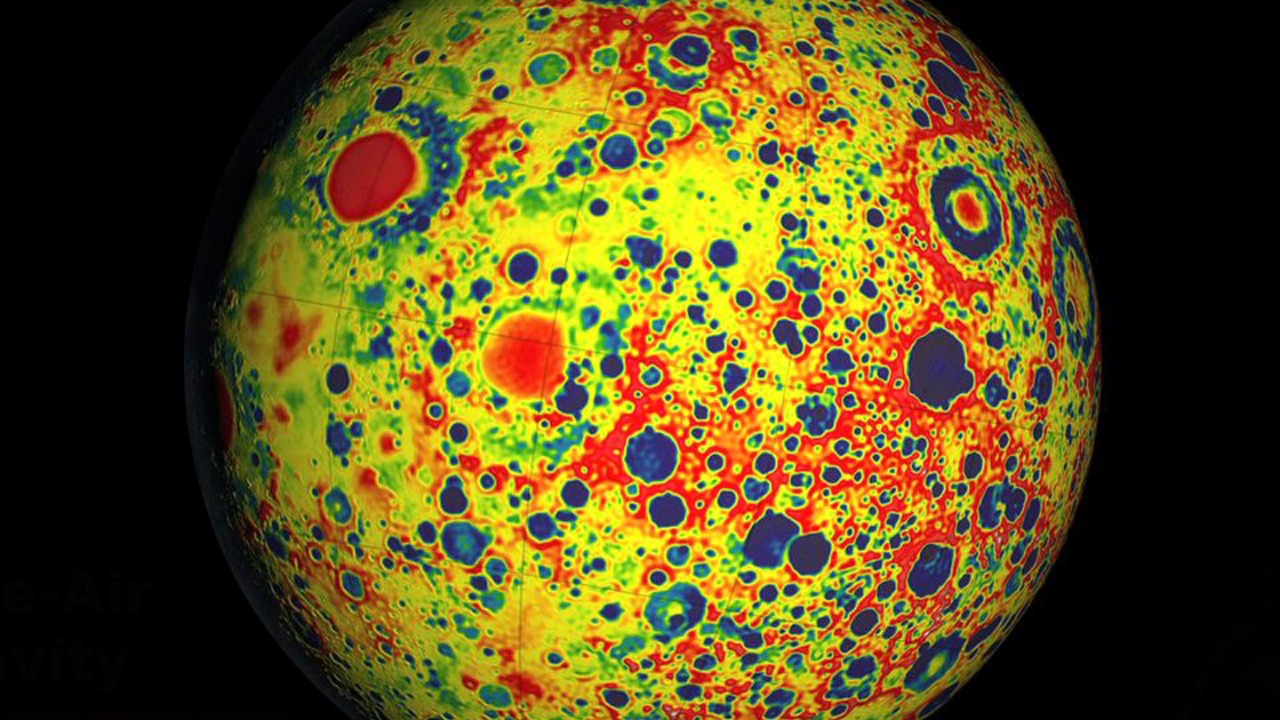
The discovery of movement inside the Moon was greatly aided by the detection of anomalies in the Moon’s gravitational field. The Moon’s gravitational field is not uniform, with certain areas exerting a stronger pull than others. These anomalies, or mass concentrations, provide significant clues about the Moon’s interior.
The causes for these gravitational anomalies are still subject to ongoing research. Some theories suggest they could be due to variations in the Moon’s density, while others propose they might be linked to the presence of subterranean structures. Irrespective of the cause, these anomalies indicate movement within the celestial body, bringing us closer to understanding the Moon’s internal dynamics.
Understanding Lunar Geology
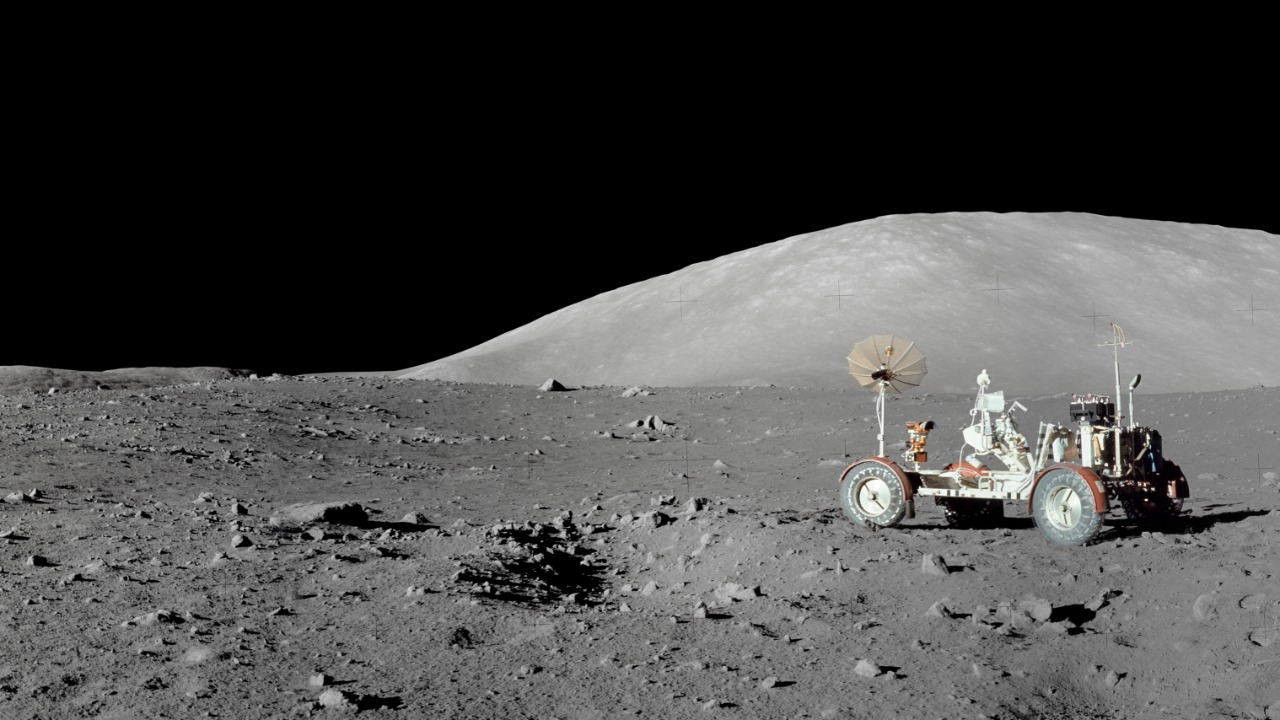
The field of lunar geology has made significant strides since the Apollo missions, but this new discovery could potentially redefine our understanding of the Moon’s internal structure. Our current knowledge recognizes the Moon as a geologically active body, characterized by moonquakes and thermal activity.
Moonquakes, similar to earthquakes on Earth, are seismic activities that shake the Moon. They’ve been known to scientists for decades, and their study has provided invaluable insights into the Moon’s internal structure. This recent discovery of movement could point to yet undiscovered geological processes, potentially expanding our understanding of lunar geology.
The Moon’s Mysterious “Goo”
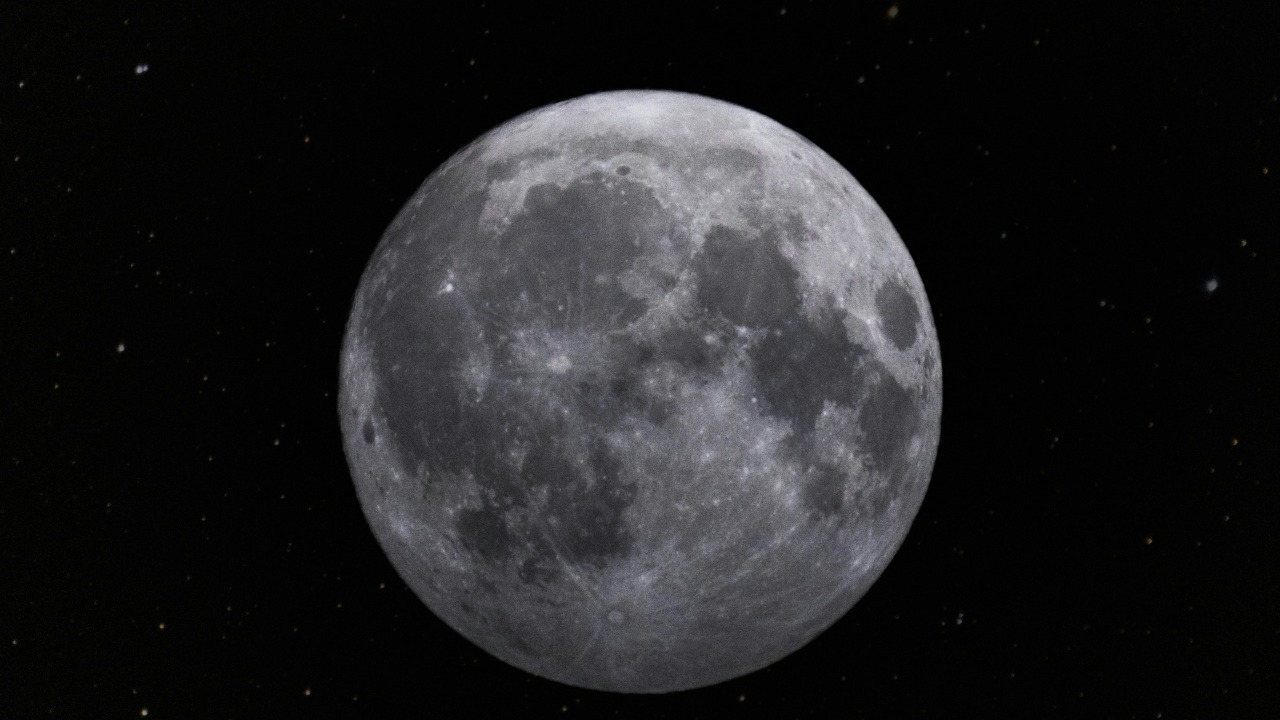
One of the most intriguing theories to emerge from this discovery is the existence of a mysterious substance, colloquially termed “Moon Goo”. This theory suggests that the detected movement could be due to the presence of a semi-fluid layer beneath the Moon’s surface.
The evidence supporting the existence of “Moon Goo” is still preliminary and subject to further verification. However, if proven, it could significantly contribute to our understanding of the Moon’s internal dynamics. The curious case of the “Moon Goo” has been discussed extensively in various scientific forums, sparking lively debates and exciting possibilities.
Implications for Future Lunar Research and Exploration

The discovery of internal lunar movement could have significant implications for future lunar research and exploration. This newfound knowledge might influence the direction of future lunar missions, possibly focusing more on unraveling the Moon’s inner mysteries.
Furthermore, this movement could affect the planning and execution of human settlements on the Moon, a concept that has been gaining momentum in recent years. The discovery of this internal activity could also provide fresh insights into the geology and behavior of other celestial bodies, thereby expanding our understanding of the universe at large.
