In a groundbreaking discovery, scientists have identified a new form of matter known as a “living crystal” that appears to grow without any external energy source. This astonishing phenomenon challenges our current understanding of physics and could have significant implications for material science and biology. Researchers are now delving deeper into the properties and potential applications of this mysterious substance.
The Discovery of Living Crystals
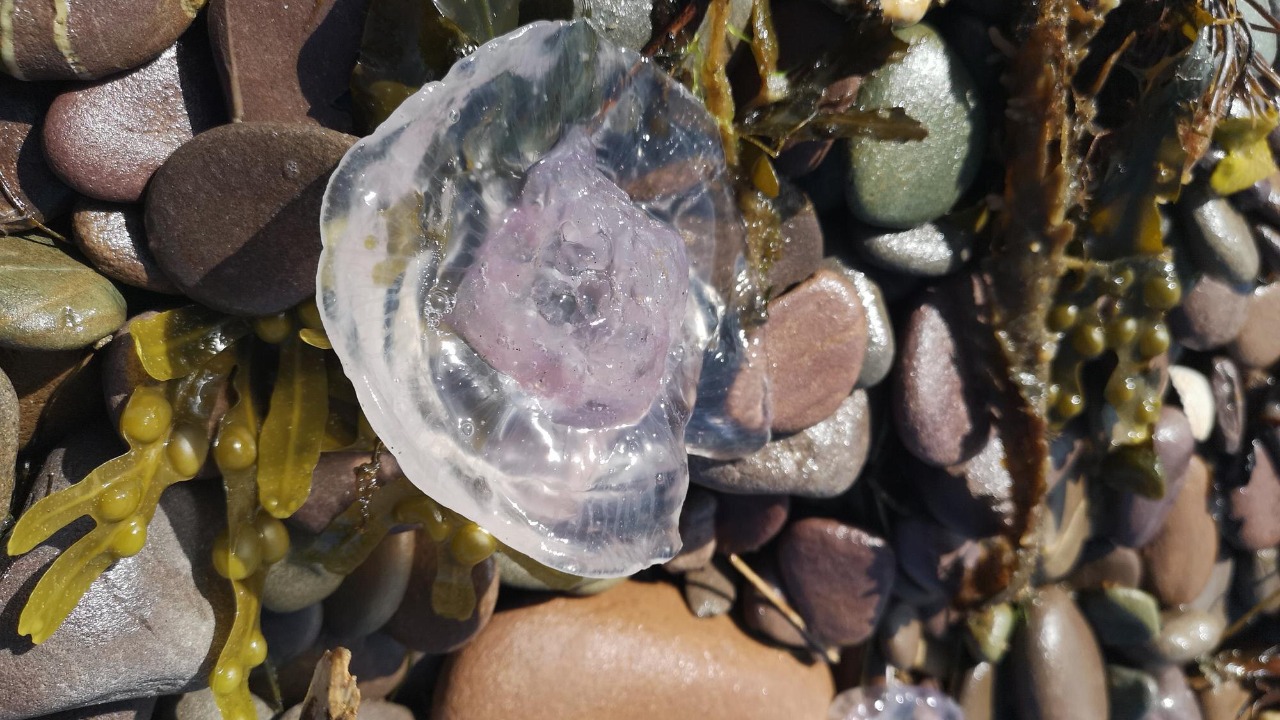
The discovery of living crystals was made by a team of researchers who were initially investigating the properties of certain molecular structures under controlled laboratory conditions. The team, composed of physicists and chemists from various institutions, observed that these crystals exhibited growth patterns that defied conventional scientific understanding. Their initial observations were made using advanced microscopy techniques, which allowed them to visualize the crystals at a molecular level.
To identify the living crystals, the researchers conducted experiments in a highly controlled environment, ensuring that no external energy sources could influence the growth of the crystals. They used a combination of spectroscopic analysis and electron microscopy to monitor the development of these structures over time. Initial hypotheses suggested that the crystals might be utilizing an unknown internal mechanism to facilitate their growth, prompting further investigation into their unique properties.
Understanding the Growth Mechanism
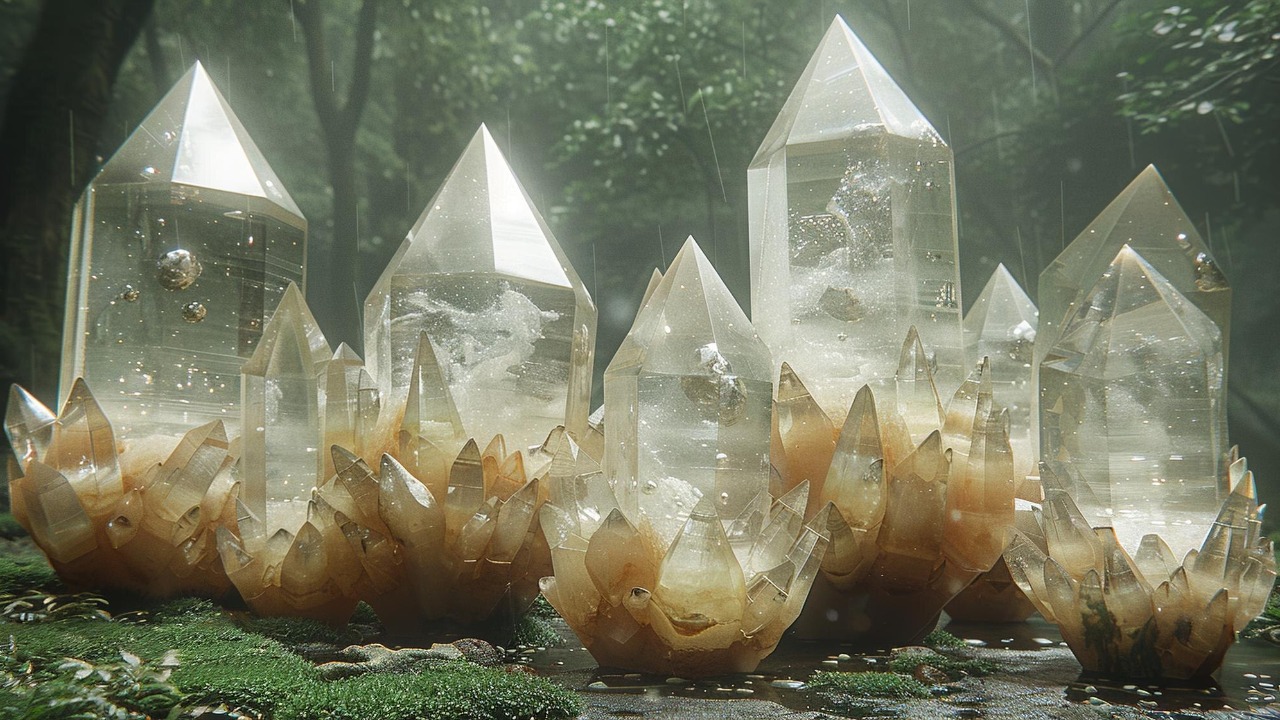
The growth mechanism of living crystals appears to be driven by self-organizing properties that are not yet fully understood. Unlike traditional crystals, which require external energy or catalysts to grow, these living crystals seem to harness a form of intrinsic energy. Researchers are exploring the possibility that molecular interactions within the crystal lattice play a crucial role in this process, allowing the crystals to self-assemble and expand without external input.
Comparisons with other known energy-independent growth phenomena, such as certain biological processes, have been made to better understand the underlying principles of living crystal growth. These comparisons suggest that the crystals may share similarities with biological systems that exhibit self-sustaining growth, although the exact mechanisms remain a subject of ongoing research. Understanding these processes could provide valuable insights into both material science and the fundamental principles of life.
Potential Implications for Science and Technology
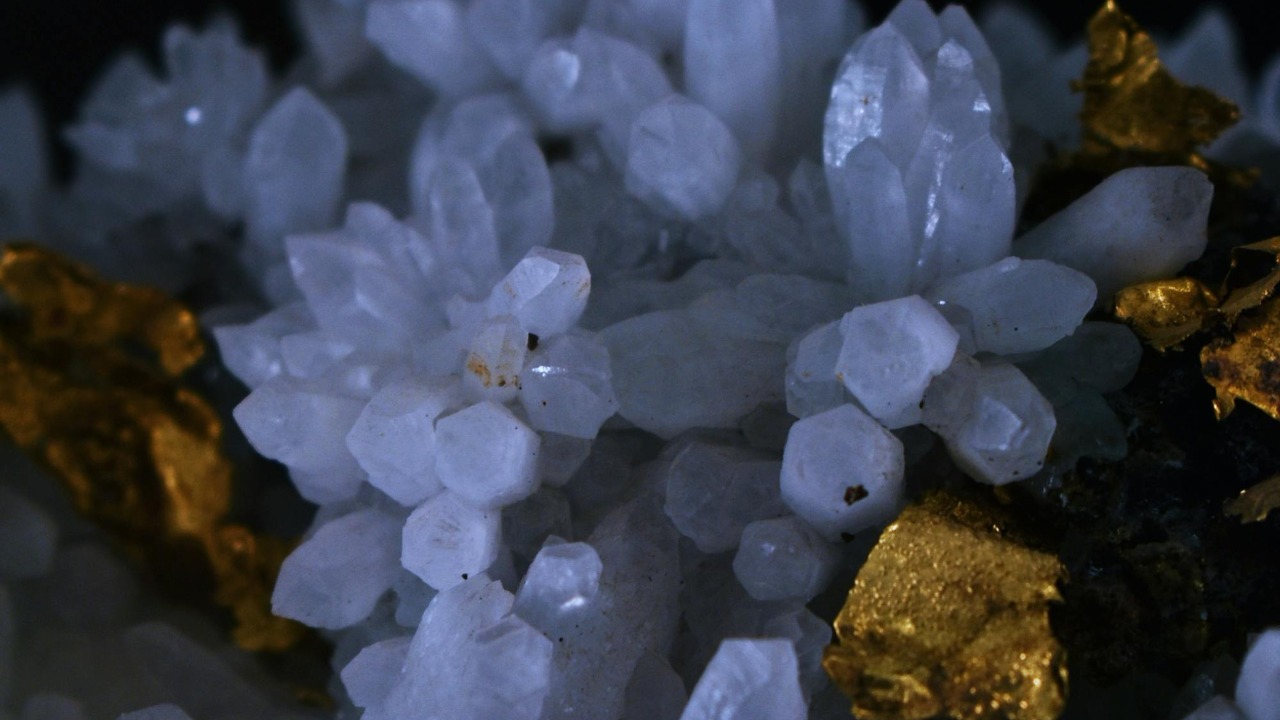
The discovery of living crystals holds significant potential for innovation in material science and engineering. These crystals could lead to the development of new materials with self-repairing or self-assembling properties, revolutionizing industries such as construction, manufacturing, and electronics. The ability to create materials that grow and adapt without external energy could also have profound implications for sustainable technology and resource management.
Beyond material science, this discovery could influence our understanding of life and biology. The self-organizing properties of living crystals may offer new perspectives on the origins of life and the conditions necessary for biological systems to thrive. Additionally, the study of these crystals could impact future research in physics and chemistry, challenging existing theories and prompting the development of new models to explain their behavior.
Challenges and Controversies
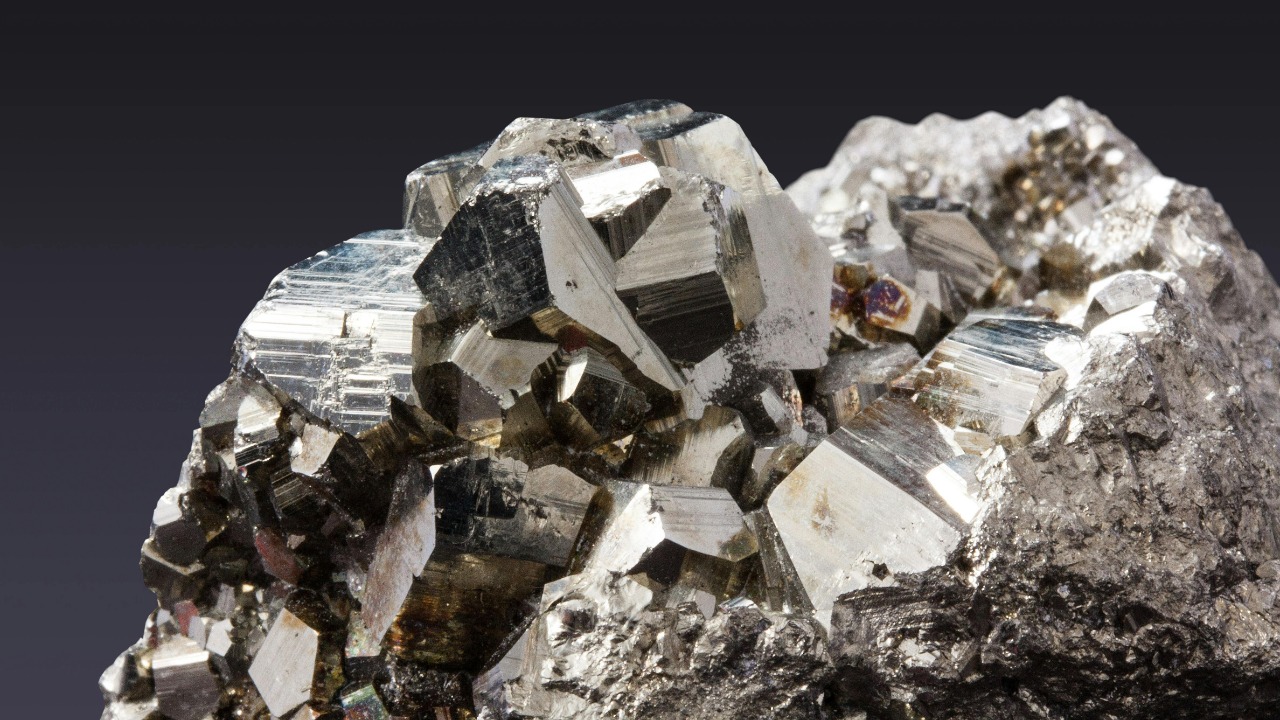
Despite the excitement surrounding the discovery of living crystals, there is skepticism and debate within the scientific community. Some researchers question the validity of the findings, arguing that the observed growth may be due to previously unidentified external factors. Replicating the conditions under which the crystals grow has proven to be technically challenging, further complicating efforts to validate the initial observations.
There are also ethical considerations to address, particularly regarding the potential applications of living crystals. As with any groundbreaking discovery, there is a need for careful consideration of the implications and potential risks associated with their use. Ongoing research and peer-reviewed studies will be essential to ensure that the findings are robust and that any applications are developed responsibly.
Future Directions in Research
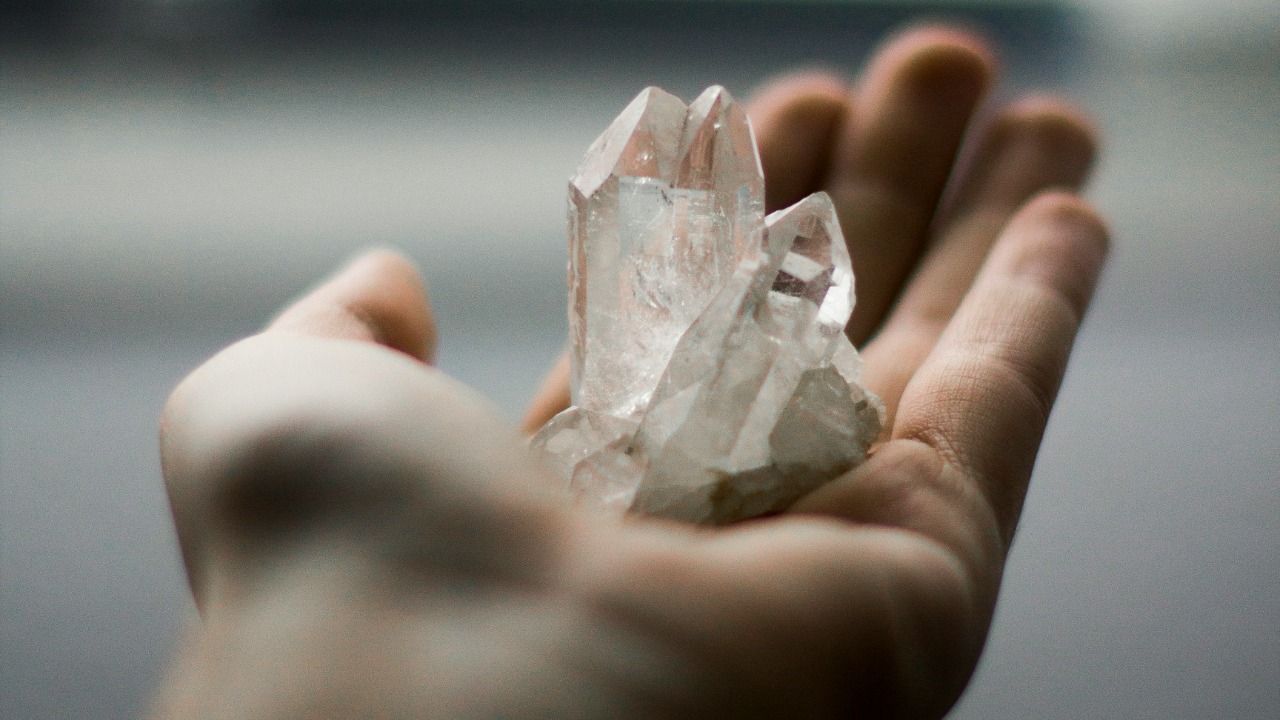
Future research on living crystals will likely focus on conducting more detailed experiments to explore their full potential. Proposed studies include investigating the molecular structure of the crystals in greater depth and experimenting with different environmental conditions to better understand the factors influencing their growth. These efforts will require collaboration across multiple scientific disciplines, combining expertise in physics, chemistry, and biology.
Long-term goals for research on living crystals include integrating them into practical applications, such as developing new materials with unique properties or exploring their potential role in biological systems. By continuing to study these phenomena, scientists hope to unlock new possibilities for technology and deepen our understanding of the natural world.
