Scientists have made a groundbreaking discovery by detecting gravitational waves emitted from the collision of two neutron stars. This finding, which builds on the pioneering work of detecting gravitational waves, offers new insights into the dynamics and aftermath of such cosmic events. It also opens up promising avenues for astrophysical research and our understanding of the universe.
The Phenomenon of Gravitational Waves
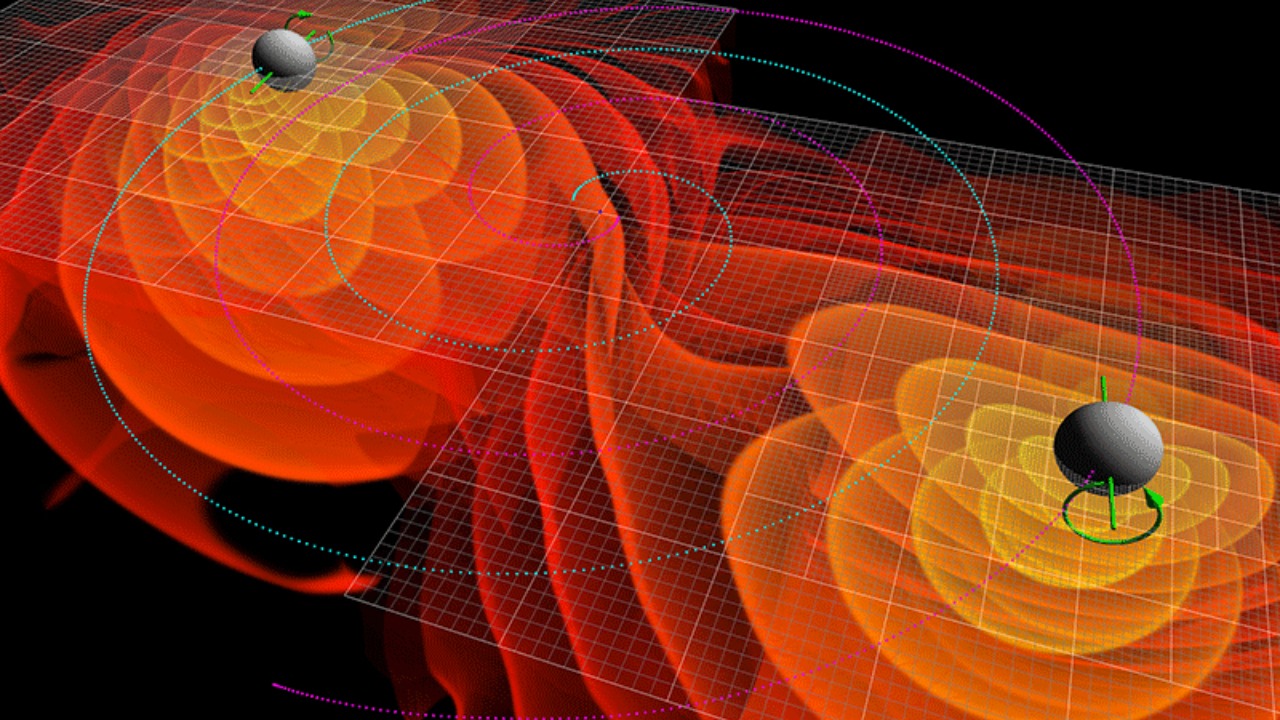
Gravitational waves are ripples in spacetime caused by some of the most violent and energetic processes in the universe. These waves were first predicted by Albert Einstein in 1916 as part of his general theory of relativity. They are significant because they provide a new way to observe and understand the universe, offering insights that are not possible through traditional electromagnetic observations. The detection of gravitational waves allows scientists to see the universe in a way that was previously impossible, opening up new possibilities for research and exploration.
Einstein’s prediction laid the groundwork for a century of theoretical and experimental physics. However, it was not until 2015 that the first direct detection of gravitational waves was made by the Laser Interferometer Gravitational-Wave Observatory (LIGO), confirming Einstein’s theory. This historic detection marked the beginning of a new era in astrophysics, where gravitational waves became a powerful tool for understanding the cosmos. The technological advancements that made this possible include highly sensitive instruments capable of measuring incredibly small disturbances in spacetime, allowing us to detect events that occurred millions or even billions of light-years away.
Neutron Stars and Their Collisions
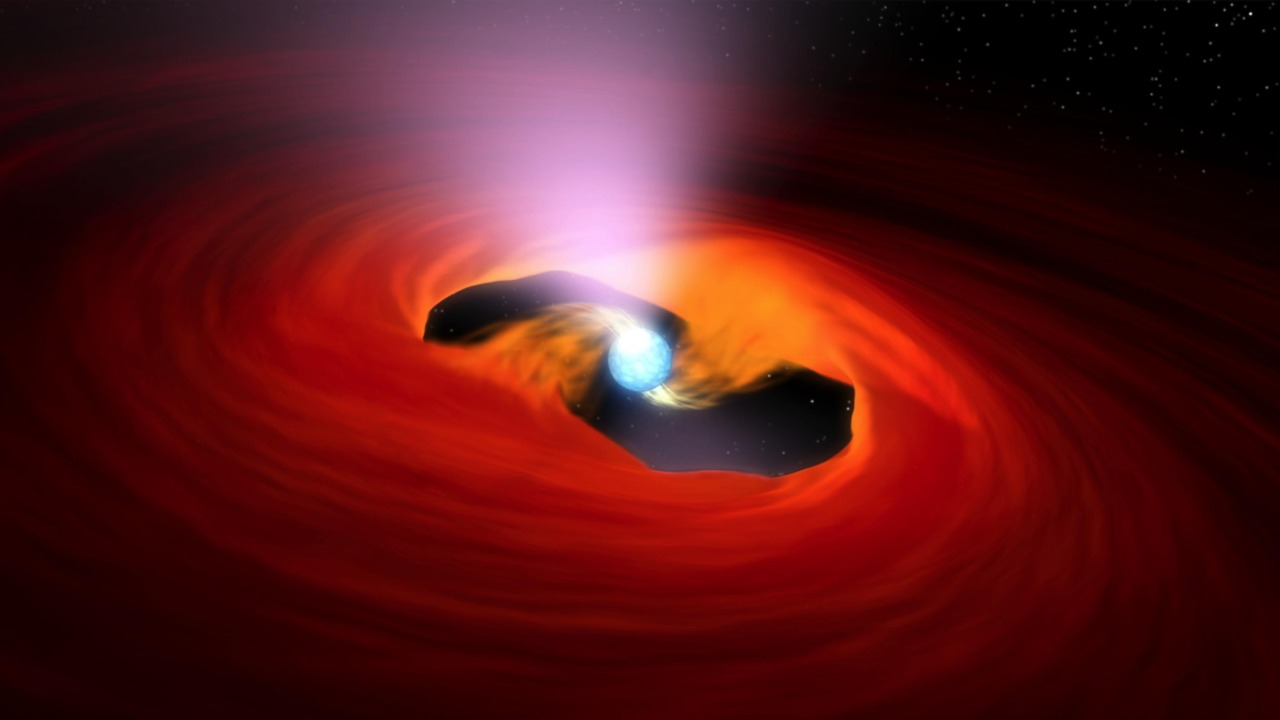
Neutron stars are the remnants of massive stars that have undergone supernova explosions. These stars are incredibly dense, with masses greater than that of our sun but compressed into a sphere only about 20 kilometers across. This extreme density gives neutron stars unique properties, such as intense gravitational fields and rapid rotation rates. The formation of neutron stars occurs when a massive star exhausts its nuclear fuel and its core collapses under gravity, leading to a supernova explosion that blows off the outer layers of the star.
The collision of two neutron stars is a cataclysmic event, releasing enormous amounts of energy in the form of gravitational waves and electromagnetic radiation. These collisions are rare but extremely powerful, capable of producing phenomena such as gamma-ray bursts and the synthesis of heavy elements like gold and platinum. The conditions leading to neutron star mergers involve binary systems where two neutron stars orbit each other for millions of years before eventually spiraling inward and colliding. The aftermath of such collisions provides valuable information about the state of matter under extreme conditions, which is crucial for understanding fundamental physics.
Detecting Gravitational Waves from Neutron Stars
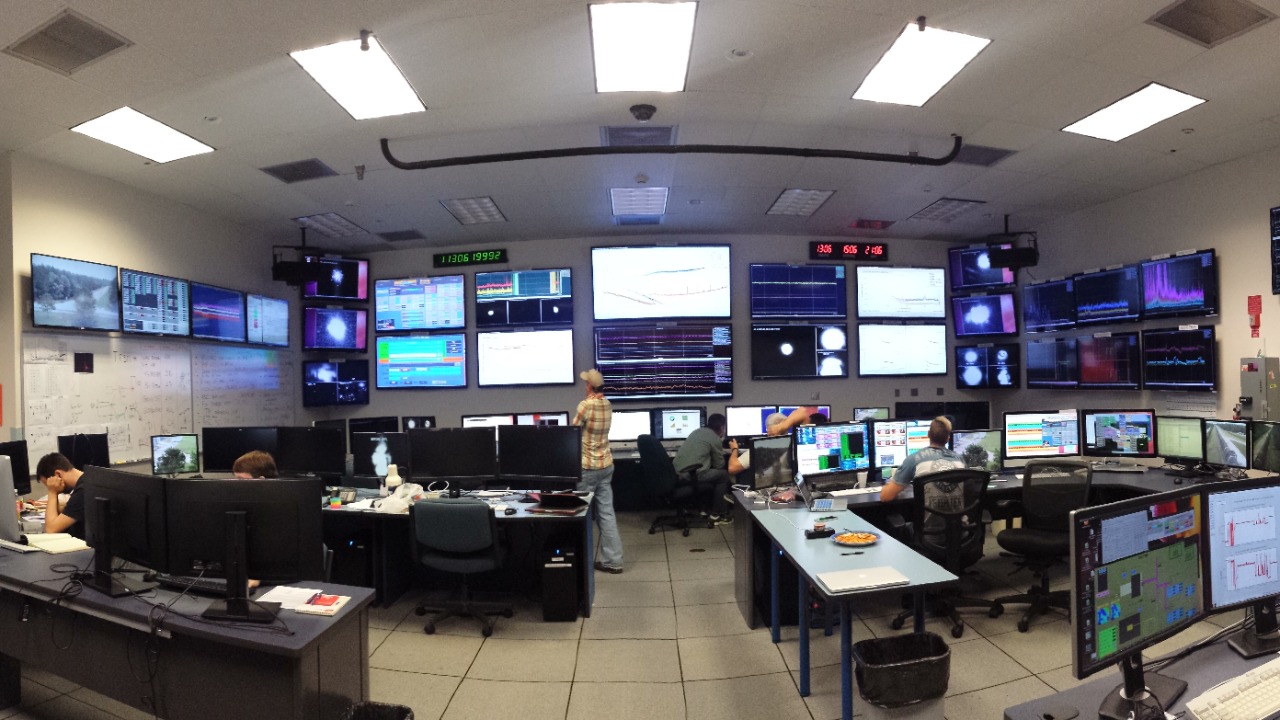
Observatories like LIGO and Virgo play a crucial role in detecting gravitational waves. These facilities use laser interferometry to measure the incredibly small changes in distance caused by passing gravitational waves. When two neutron stars collide, the resulting gravitational waves travel through space and can be detected by these observatories, allowing scientists to study the event in detail. This detection process involves sophisticated technology and data analysis techniques that filter out noise and identify the characteristic signals of gravitational waves.
The detection of GW170817 was a landmark event in this field. It was the first time gravitational waves from a neutron star collision were observed, confirming many theoretical predictions about such events. This discovery was significant because it provided direct evidence of the connection between neutron star mergers and short gamma-ray bursts, as well as insights into the production of heavy elements. The event was observed not only through gravitational waves but also through a range of electromagnetic signals, marking the advent of multi-messenger astronomy, which combines different forms of astronomical observation to provide a more comprehensive understanding of cosmic phenomena.
Implications for Astrophysics and Cosmology
The detection of gravitational waves from neutron star collisions has profound implications for astrophysics and cosmology. These observations provide a new way to study the universe’s fundamental properties, such as the rate of expansion and the nature of dark matter and dark energy. By analyzing the gravitational waves emitted by these events, scientists can test the limits of existing theories in physics and refine our understanding of the fundamental forces that govern the universe.
Gravitational wave observations challenge existing theories and push the boundaries of our knowledge. For instance, they offer insights into the behavior of matter under extreme conditions, which is crucial for understanding the nature of neutron stars and the state of matter at nuclear densities. These observations also help to test general relativity in the strong-field regime, providing opportunities to discover deviations from Einstein’s theory that could indicate new physics. As we continue to detect gravitational waves from various cosmic events, we gain valuable information that could lead to breakthroughs in our understanding of the universe.
Broader Impact and Future Prospects
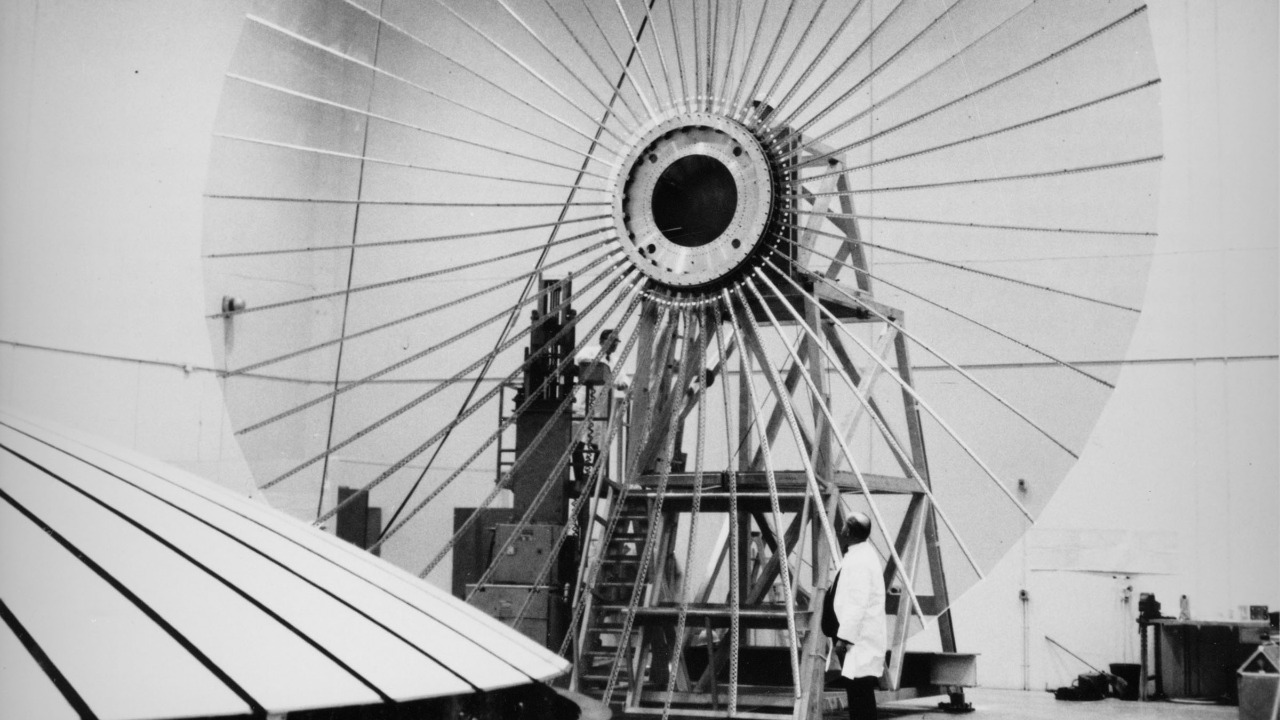
Ongoing advancements in technology are essential for enhancing gravitational wave detection and analysis. As detectors become more sensitive and new observatories come online, scientists will be able to detect a wider range of events and gain deeper insights into the universe. The development of next-generation detectors, such as the Einstein Telescope and the Laser Interferometer Space Antenna (LISA), promises to expand our observational capabilities and allow us to explore new frontiers in gravitational wave astronomy.
Raising public awareness and understanding of gravitational wave research is also crucial. Educational initiatives and public outreach programs can help demystify this complex field and inspire the next generation of scientists. By engaging the public with the excitement of discovery and the profound implications of gravitational wave research, we can foster a greater appreciation for the importance of science in our society. Additionally, international collaboration is vital for advancing the study of gravitational waves and neutron stars. Working together, scientists from around the world can share data, resources, and expertise to tackle the challenges of this rapidly evolving field and make new discoveries that deepen our understanding of the universe.
