In a groundbreaking discovery, scientists have detected what appears to be a hidden ocean beneath Mars’ northern pole. This revelation, derived from recent data and advanced radar technology, offers new insights into the Red Planet’s geological history and its potential to support life. The presence of this subsurface water challenges previous assumptions about Mars and opens up exciting possibilities for future exploration and the search for extraterrestrial life.
The Discovery: Unveiling Mars’ Hidden Ocean
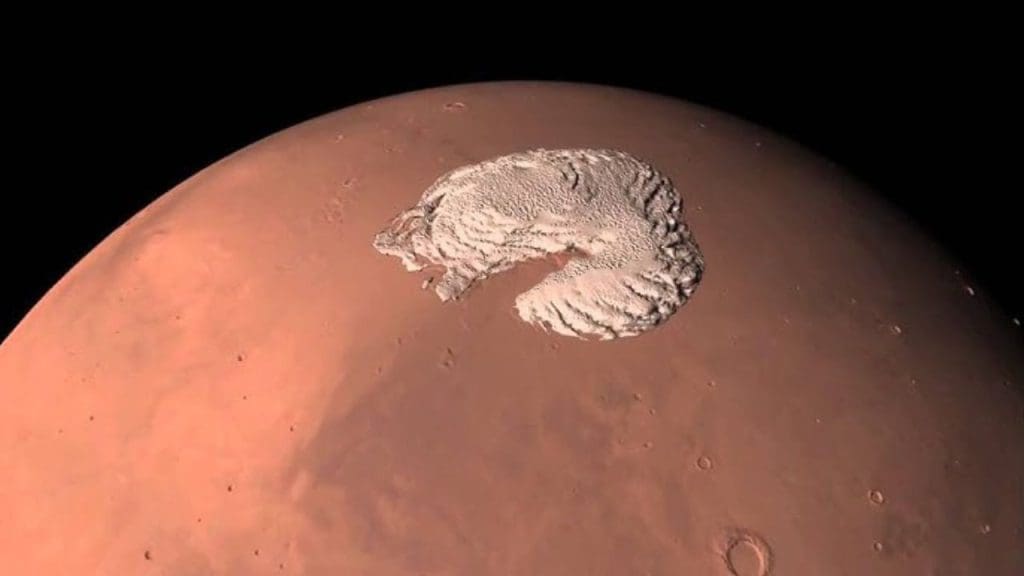
Recent advancements in radar technology have played a crucial role in detecting the hidden ocean beneath Mars’ northern pole. Scientists utilized sophisticated radar systems aboard spacecraft to penetrate the Martian surface and identify the presence of liquid water. This technology, similar to that used in the Mars Express mission that detected liquid water under the planet’s south pole, has been instrumental in revealing the subsurface ocean. By analyzing the radar data, researchers were able to discern the distinct signatures of liquid water, confirming its existence beneath the icy surface.
The northern pole of Mars is a particularly significant location for this discovery. Previous studies have indicated that Mars’ polar regions are rich in water ice, making them prime targets for exploration. The detection of a hidden ocean beneath the northern ice cap aligns with these findings and suggests that Mars may have more extensive water reserves than previously thought. This discovery also builds on earlier research that identified the northern ice cap as surprisingly young, which could imply dynamic processes at play beneath the surface.
Implications for Martian Geology and Climate
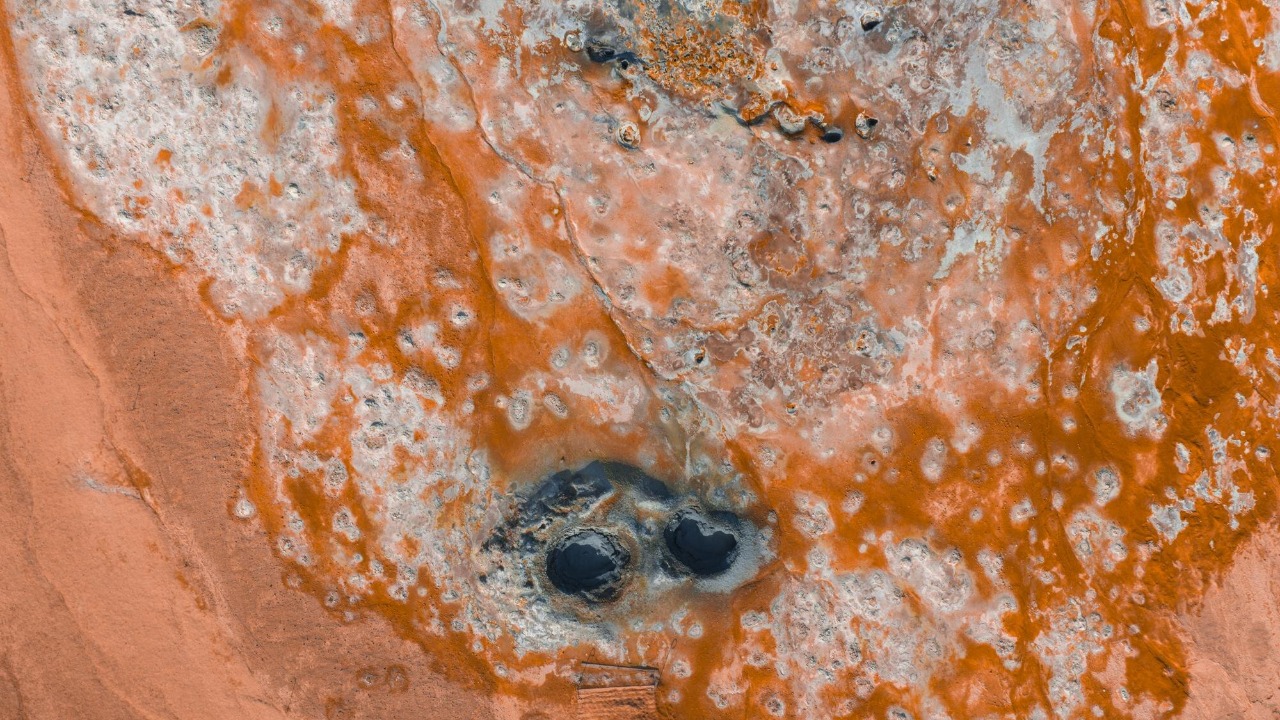
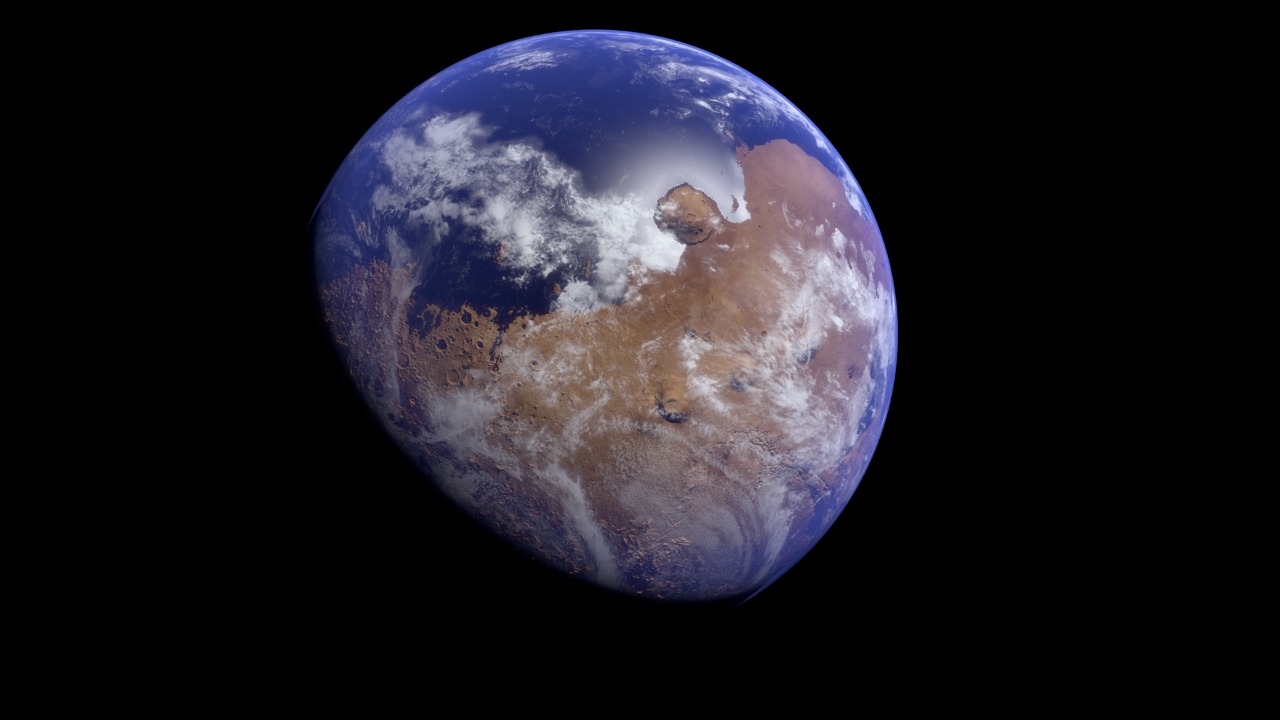
The presence of a hidden ocean beneath Mars’ northern pole has profound implications for our understanding of the planet’s geological and climatic history. Traditionally, Mars has been viewed as a cold, arid world with a thin atmosphere and limited water resources. However, the discovery of subsurface water challenges this perception and suggests that Mars may have had a more dynamic and wetter past. This hidden ocean could be a remnant of a time when Mars had a thicker atmosphere and a more temperate climate, potentially supporting liquid water on its surface.
Furthermore, the existence of this ocean could be linked to Mars’ climate cycles. The planet’s axial tilt and orbit cause significant variations in its climate over time, leading to changes in the distribution of ice and water. The hidden ocean may play a role in these cycles, acting as a reservoir that exchanges water with the surface and atmosphere. Understanding this interaction is crucial for reconstructing Mars’ climatic history and assessing its potential to support life. The recent detection of a hidden Martian shoreline further supports the idea that Mars once had significant bodies of water, reinforcing the importance of this discovery.
Potential for Life: What This Means for Astrobiology
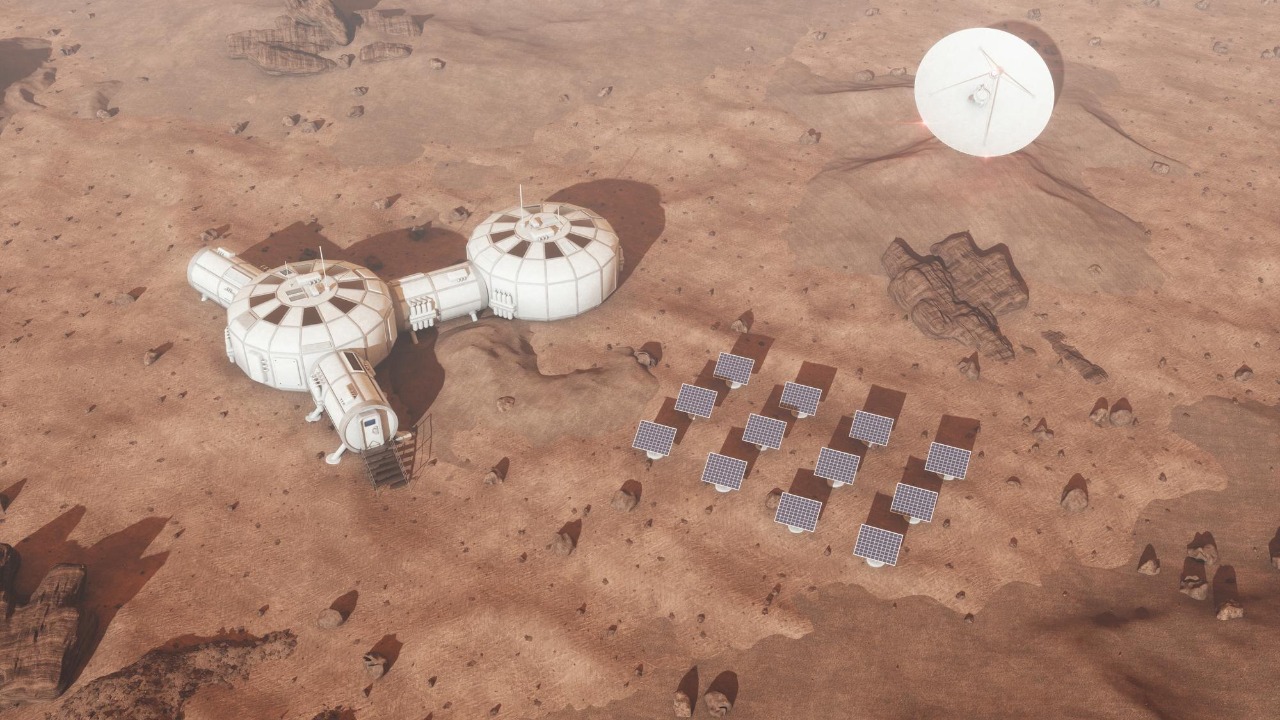
The discovery of a hidden ocean beneath Mars’ northern pole raises intriguing possibilities for the existence of life on the Red Planet. Liquid water is a fundamental requirement for life as we know it, and the presence of a subsurface ocean provides a potential habitat for microbial organisms. The conditions within this ocean, such as temperature and chemical composition, could be conducive to life, similar to environments found on Earth where extremophiles thrive.
Comparative analysis with other celestial bodies further highlights the significance of this discovery. Moons like Europa and Enceladus, which also harbor subsurface oceans, are considered prime candidates in the search for extraterrestrial life. The similarities between these moons and Mars suggest that the Red Planet could host life in its hidden ocean. This potential for life makes Mars an even more compelling target for future exploration and astrobiological studies. The recent findings of hints of hidden liquid water further bolster the case for investigating Mars’ potential to support life.
Technological Advances and Future Exploration
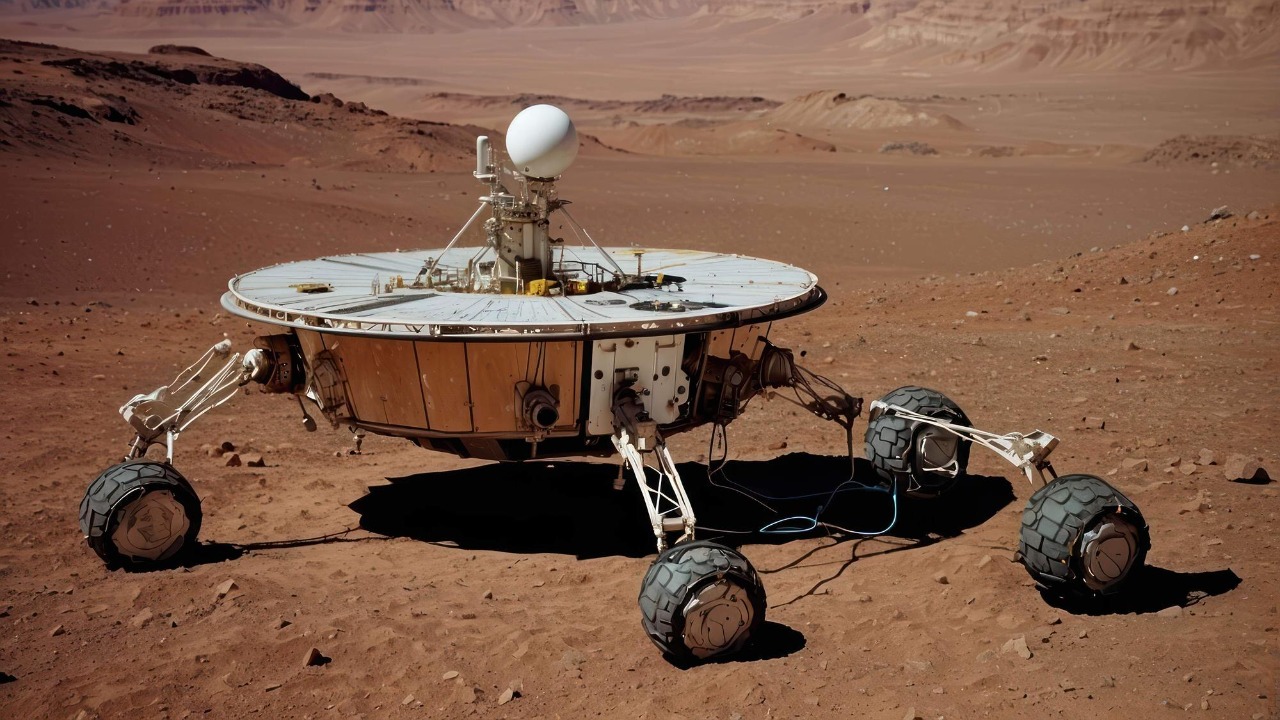
The detection of Mars’ hidden ocean is a testament to the advancements in exploration technology. Recent developments in radar systems and spacecraft instrumentation have enabled scientists to probe beneath the Martian surface with unprecedented precision. These technologies have not only revealed the presence of subsurface water but also provided valuable data on the planet’s geological features and composition. As exploration technology continues to evolve, it will play a crucial role in unraveling the mysteries of Mars and other celestial bodies.
Looking ahead, the discovery of a hidden ocean beneath Mars’ northern pole will undoubtedly shape the objectives and strategies of future missions. Upcoming missions will likely focus on further investigating this ocean and its potential to support life. Drilling and sampling technologies will be essential for accessing the subsurface water and analyzing its properties. These missions will build on the success of previous endeavors and pave the way for more ambitious exploration efforts. The recent reports of significant amounts of water beneath Mars’ surface underscore the importance of continued exploration and study.
Challenges and Controversies
Despite the excitement surrounding the discovery of Mars’ hidden ocean, it has also sparked debates within the scientific community. Some researchers question the interpretation of the radar data and argue that alternative explanations, such as unusual geological formations, could account for the observed signatures. These debates highlight the need for further investigation and validation of the findings. As more data becomes available, scientists will continue to refine their understanding of Mars’ subsurface environment and the implications of this discovery.
In addition to scientific debates, there are significant technical challenges associated with confirming the presence of the ocean and studying it further. Drilling into the Martian surface to access the subsurface water poses numerous obstacles, including the harsh environmental conditions and the need for specialized equipment. Sampling and analyzing the water will require innovative technologies and methodologies to ensure the integrity of the samples and the accuracy of the results. Overcoming these challenges will be crucial for advancing our knowledge of Mars and its potential to support life.
