In a groundbreaking scientific achievement, researchers have successfully decoded the DNA of the giant moa, a bird that roamed New Zealand before its extinction hundreds of years ago. This discovery, facilitated by advanced genetic technologies, sheds light on the mysteries of ancient ecosystems and opens up discussions about the potential for de-extinction. The moa’s genetic secrets, once thought lost to time, offer a unique window into the past and raise intriguing possibilities for the future.
The Giant Moa: A Prehistoric Titan
History and Habitat
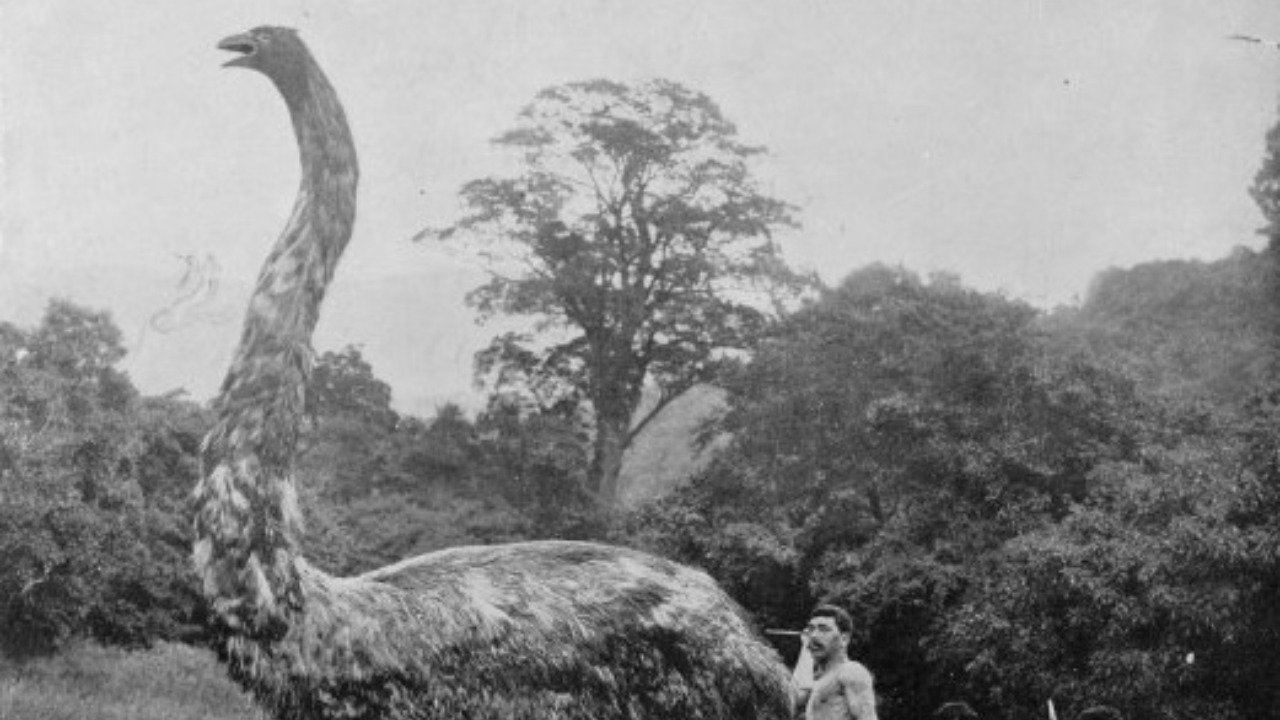
The giant moa, a flightless bird endemic to New Zealand, was one of the largest birds to have ever existed. Standing up to 12 feet tall and weighing several hundred pounds, the moa occupied a variety of habitats across New Zealand, ranging from coastal regions to dense forests. These birds played a critical role in their ecosystems, influencing the vegetation and serving as a food source for predators like the Haast’s eagle. Their presence was integral to the balance of New Zealand’s prehistoric environment.
Extinction Causes
Despite their dominance in the ecosystem, the moa faced extinction approximately 600 years ago. The primary drivers of this extinction were human hunting and habitat destruction. The arrival of the Māori people in New Zealand around the 13th century marked the beginning of the end for the moa. As these early settlers hunted the birds for food and cleared large swaths of land for agriculture, the moa populations dwindled rapidly. Additionally, environmental changes such as climate fluctuations may have compounded these pressures, ultimately leading to the moa’s disappearance.
Decoding the DNA: The Scientific Breakthrough

Advanced Genetic Techniques
The successful decoding of the moa’s DNA was made possible by cutting-edge genetic technologies. Researchers employed advanced methods to extract and sequence the bird’s genetic material from well-preserved bone specimens. The process was fraught with challenges, as DNA degrades over time, making it difficult to piece together a complete genome. However, through meticulous work and the use of modern sequencing techniques, scientists overcame these hurdles, unraveling the moa’s genetic blueprint.
Collaboration and Innovation
This scientific triumph was the result of a collaborative effort among geneticists, paleontologists, and other experts. By combining their expertise, these scientists were able to tackle the complex task of reconstructing the moa’s DNA. Interdisciplinary teamwork fostered innovation, allowing for the development of new methodologies and approaches. The success of this project underscores the importance of collaboration in pushing the boundaries of what is possible in scientific research.
Implications of the Discovery

Understanding Ancient Ecosystems
The decoding of the moa’s DNA provides valuable insights into the biodiversity and ecological dynamics of prehistoric New Zealand. By understanding the genetic makeup of the moa, scientists can infer aspects of the bird’s biology and its role within ancient ecosystems. This knowledge enhances our understanding of how ecosystems functioned before human intervention and offers clues about the interactions between species in a pre-human world.
Genetic Insights
The analysis of the moa’s DNA has revealed fascinating details about the bird’s biology, behavior, and evolutionary history. For instance, genetic data suggests variations in size and plumage among different moa species, indicating diverse adaptations to their environments. These insights contribute to our understanding of avian evolution and provide a clearer picture of how these remarkable birds thrived in their natural habitats.
The Ethics and Controversy of De-extinction

Debating De-extinction
The prospect of using genetic technology to revive extinct species like the moa has sparked significant ethical debates. Proponents argue that de-extinction could restore lost biodiversity and reverse some of the ecological damage caused by humans. However, critics caution against the unforeseen consequences of reintroducing species into modern ecosystems, where they may not have natural predators or suitable habitats. The ethical implications of “playing God” with nature remain a contentious topic among scientists and ethicists alike.
Environmental Impact
Reintroducing extinct species poses complex ecological challenges. The modern environment has changed significantly since the moa’s extinction, and the reintroduction of such a large herbivore could disrupt current ecosystems. There is also the risk of invasive species dynamics, where reintroduced species may outcompete native wildlife for resources. These potential impacts must be carefully considered in any de-extinction efforts, as highlighted in discussions about the efforts to revive the moa.
Future Prospects and Research Directions

Technological Advancements
The future of genetic research holds exciting possibilities for further de-extinction efforts. As sequencing technologies continue to advance, scientists may become more adept at reconstructing the genomes of extinct species, making the dream of de-extinction more feasible. Organizations like Colossal Biosciences are already working on projects to bring back extinct species, pushing the envelope of what’s possible with genetic engineering.
Conservation Implications
The insights gained from decoding the moa’s DNA could influence current conservation strategies. Understanding historical ecosystems and the genetic diversity of extinct species helps scientists develop more effective conservation plans for endangered species today. Moreover, the potential for de-extinction raises questions about prioritizing resources for conservation. Should efforts focus on reviving lost species, or should they be directed towards preserving those that are currently at risk? These questions are central to ongoing discussions within the conservation community.
As we continue to explore the possibilities of genetic technology, the story of the giant moa serves as a reminder of both the fragility of life and the resilience of scientific inquiry. Whether or not de-extinction becomes a reality, the lessons learned from the moa’s DNA provide invaluable insights into our planet’s past and future. For more on the ethical debates surrounding de-extinction, explore this discussion.
