Scientists have developed an innovative method to grow wood in a lab, offering a sustainable alternative to traditional lumber. This breakthrough technology could revolutionize industries reliant on wood while addressing critical environmental concerns such as deforestation and carbon emissions.
The Science Behind Lab-Grown Wood

Lab-grown wood is produced through advanced cellular agriculture techniques that cultivate wood in a controlled environment. This process involves the manipulation of plant cells to replicate the natural growth of wood without the need for traditional forestry practices. By utilizing tissue engineering, scientists are able to create wood that mimics the structure and properties of naturally grown wood, but with more control over its characteristics.
Plant cells are induced to form the desired wood structure through the use of growth hormones and specific environmental conditions. This method allows for precise control over the density, strength, and appearance of the wood, providing opportunities for customization that traditional wood production cannot offer. Additionally, lab-grown wood can be produced without the imperfections often found in natural wood, such as knots or irregular grain patterns.
When compared to conventional wood production, lab-grown wood offers several advantages. Traditional methods often involve extensive logging, which can lead to deforestation and habitat destruction. In contrast, lab-grown wood eliminates the need to harvest trees, preserving natural forests and reducing environmental impact. Furthermore, the controlled growing environment minimizes waste, as the entire process can be optimized for efficiency and sustainability.
Environmental Impact and Sustainability
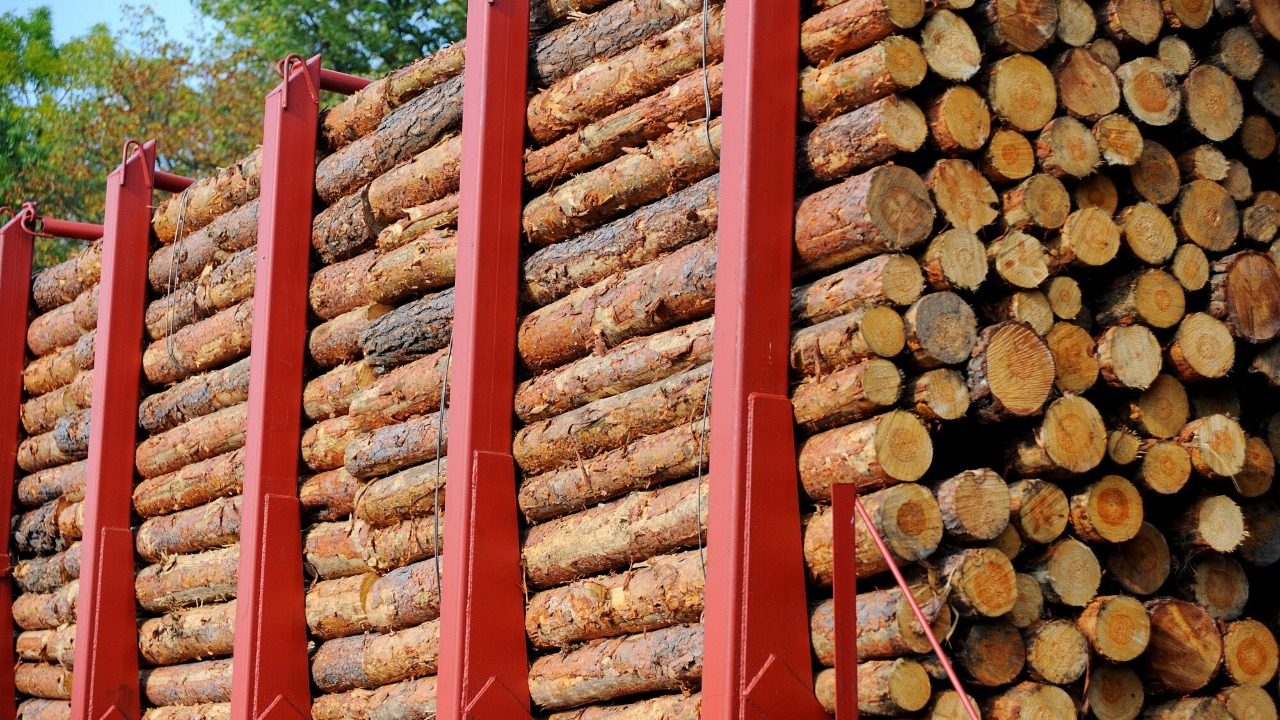
One of the most significant benefits of lab-grown wood is its potential to reduce deforestation. By growing wood in laboratories, the demand for logging can be significantly decreased, allowing natural forests to remain intact. This not only helps preserve biodiversity but also maintains the ecological balance necessary for healthy ecosystems. The preservation of forests is crucial in combating climate change, as trees play a vital role in carbon sequestration.
Lab-grown wood presents a promising opportunity to lower carbon emissions associated with traditional forestry practices. The process of cutting down trees, transporting logs, and processing wood into usable products is energy-intensive and contributes significantly to greenhouse gas emissions. By eliminating these steps, lab-grown wood offers a more sustainable alternative that aligns with global efforts to reduce carbon footprints and combat climate change.
Furthermore, the adoption of lab-grown wood can aid in the conservation of wildlife habitats. As forests are preserved, the natural homes of countless species remain undisturbed, promoting biodiversity and protecting endangered species. This technology allows for a more harmonious coexistence between human development and the natural world, fostering a future where environmental sustainability and economic progress go hand in hand.
Potential Applications and Industries
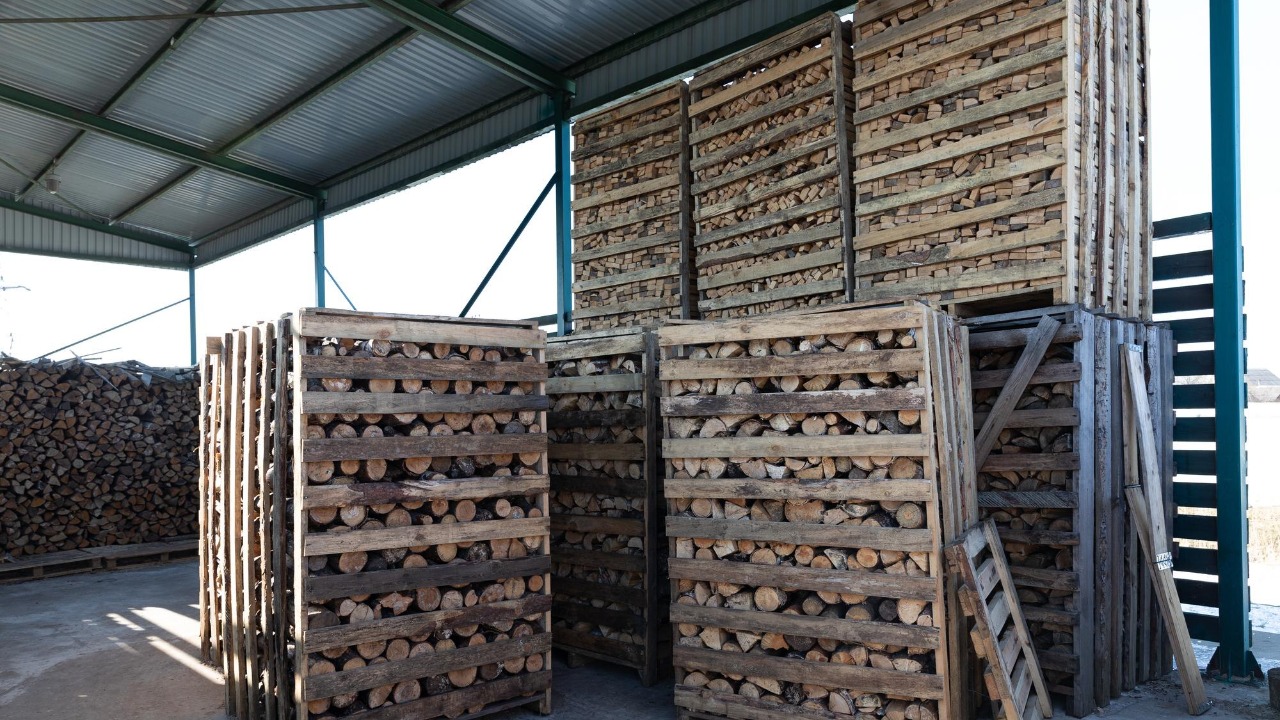
Lab-grown wood has the potential to transform various industries, starting with construction and architecture. Traditional building materials often rely on wood for its strength and versatility. By offering a sustainable alternative, lab-grown wood could become a staple in the construction industry, providing eco-friendly building materials without sacrificing quality or performance. Architects and builders may soon have access to customizable wood products that meet specific design and structural requirements.
The furniture design and manufacturing industry also stands to benefit from lab-grown wood. This technology enables the creation of unique, customizable pieces that cater to consumer preferences while maintaining an eco-friendly approach. With the ability to control the wood’s appearance and characteristics, designers can explore new possibilities in aesthetics and functionality, offering consumers innovative and sustainable options for their homes.
In addition to construction and furniture, the paper and packaging industries could see significant changes with the introduction of lab-grown wood. By reducing reliance on pulpwood, these sectors can lower their environmental impact and embrace more sustainable practices. The potential for lab-grown wood to revolutionize these industries is vast, offering a path toward reduced waste and environmentally conscious production methods.
Economic Implications and Market Potential
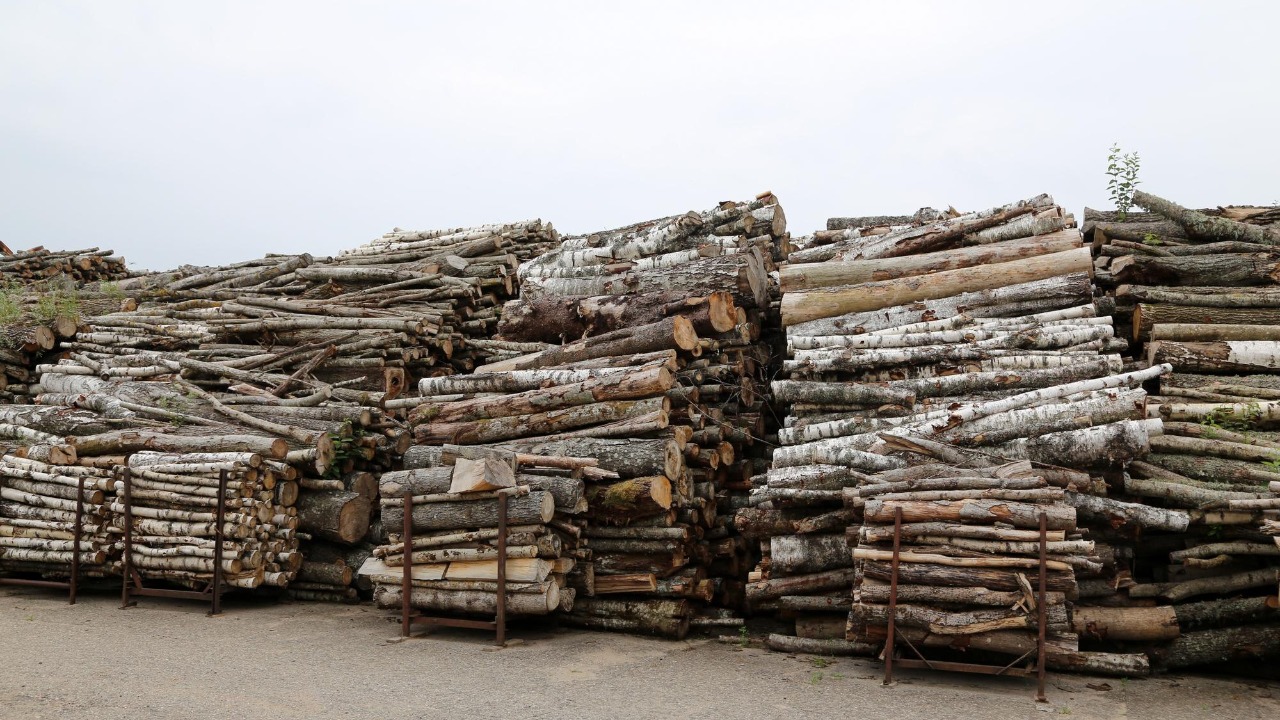
The economic feasibility of lab-grown wood hinges on cost analysis and production scalability. While the initial investment in technology and infrastructure may be high, the long-term benefits of reduced resource consumption and waste are promising. As research and development continue, the cost of producing lab-grown wood is expected to decrease, making it a competitive alternative to traditional lumber. The scalability of production will be a key factor in determining the widespread adoption of this technology.
Market acceptance and consumer perceptions will play a crucial role in the success of lab-grown wood products. Educating consumers about the benefits and sustainability of these products is essential for gaining trust and acceptance. As more people become aware of the environmental impact of traditional wood production, lab-grown wood may become an increasingly attractive option for eco-conscious consumers.
Investment and interest from industries are already growing, as companies recognize the potential of lab-grown wood to address environmental challenges and meet consumer demand for sustainable products. This growing interest is likely to drive further innovation and development, paving the way for lab-grown wood to become a mainstream material in various sectors.
Future Prospects and Challenges

As the field of lab-grown wood production continues to evolve, ongoing research efforts are focused on technological advancements and improvements. Scientists are working to enhance the efficiency and quality of the production process, aiming to create wood that matches or exceeds the properties of naturally grown wood. These advancements will be crucial in making lab-grown wood a viable alternative for a wider range of applications.
Regulatory and ethical considerations will also play a significant role in the commercialization of lab-grown wood. As with any emerging technology, there are potential concerns about the environmental impact of production processes and the ethical implications of manipulating natural materials. Addressing these concerns will be vital for gaining public trust and ensuring responsible development and use of lab-grown wood.
Looking ahead, the long-term vision for lab-grown wood involves its integration into global markets and its potential to drive sustainable practices worldwide. This technology offers the promise of a future where human needs are met without compromising the health of our planet. By reducing deforestation, lowering carbon emissions, and preserving biodiversity, lab-grown wood represents a significant step toward a more sustainable and harmonious relationship between industry and the environment.
