In a groundbreaking achievement, scientists have successfully synthesized an elusive type of diamond that is predicted to be 50% harder than traditional diamonds found on Earth. This remarkable feat, inspired by meteorite diamonds, could revolutionize various industries with its unparalleled hardness and unique properties.
The Quest for Meteorite Diamonds
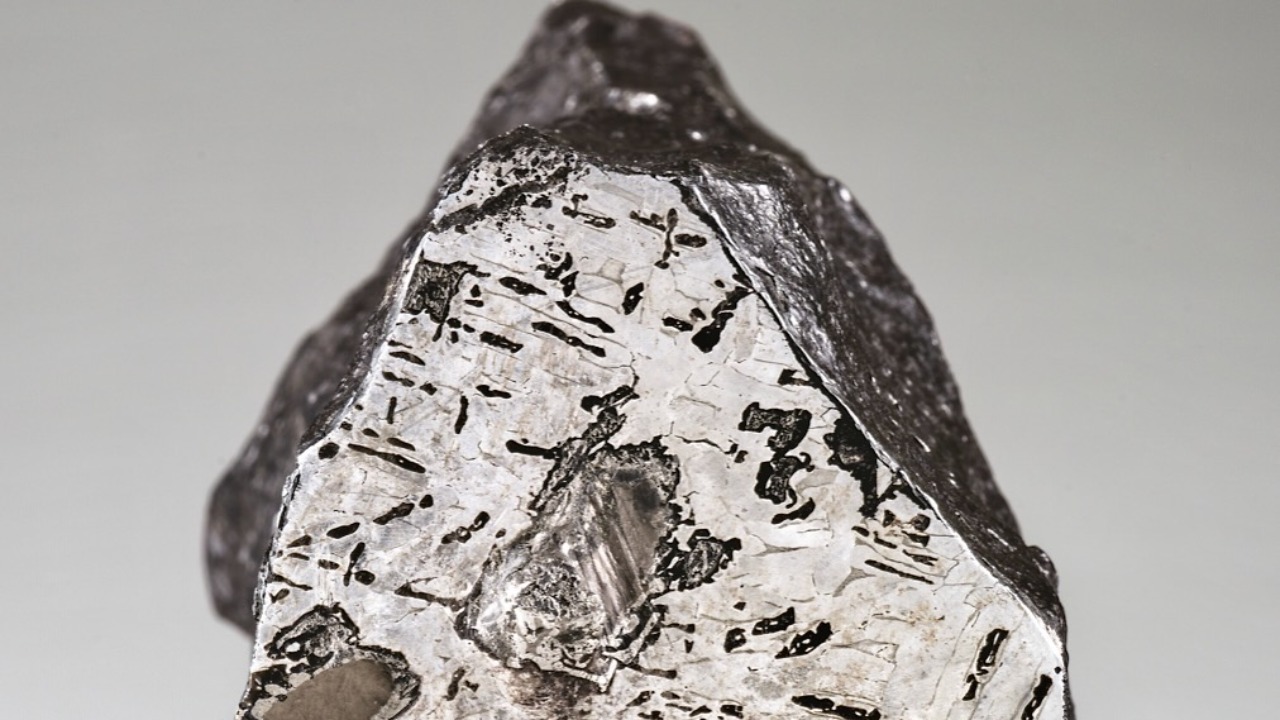
The allure of meteorite diamonds has fascinated researchers since their discovery. These extraterrestrial gems were first identified in meteorite fragments that landed on Earth, captivating scientists with their unique crystalline structure. The study of such diamonds has provided insights into the high-pressure conditions of space, and their ability to withstand extremities has piqued the interest of material scientists for decades.
Replicating these diamonds on Earth, however, has been no small feat. The primary challenge lies in the extreme conditions under which meteorite diamonds form. Scientists have had to simulate these conditions—high pressure and temperature—within laboratory settings. This task has required the development of sophisticated technology and innovative techniques to mimic the natural processes occurring in the vastness of space. The breakthrough came when researchers employed cutting-edge technology, including high-pressure experiments and advanced computational models, to successfully synthesize these elusive diamonds.
The pivotal moment in this scientific quest came when a team of researchers applied a novel approach, combining high-pressure synthesis with meticulous control over the growth environment. This allowed them to replicate the unique structural characteristics of meteorite diamonds, opening new doors for further exploration and application. The success of these experiments marks a significant milestone in materials science, providing a tangible link between terrestrial and extraterrestrial materials.
Unique Properties of the Synthetic Meteorite Diamond
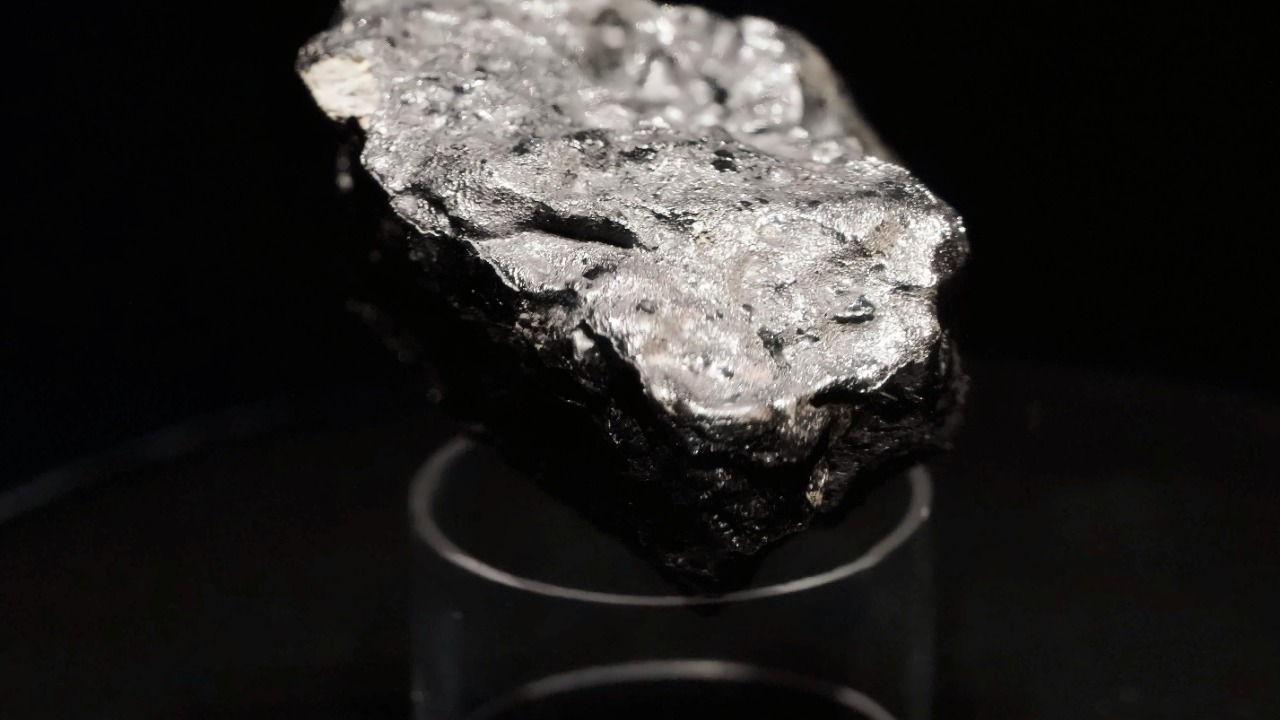
The synthetic meteorite diamond stands out for its unmatched hardness and durability. Predicted to be 50% harder than natural Earth diamonds, this material offers a range of possibilities for various industries. Its extraordinary hardness makes it an ideal candidate for cutting and drilling applications, where traditional materials often fall short. The automotive and aerospace industries, in particular, could benefit from the diamond’s robust nature, using it in wear-resistant coatings and high-performance components.
What sets these synthetic diamonds apart from their Earthly counterparts is their unique structural composition. Unlike natural diamonds, which are composed of carbon atoms arranged in a cubic lattice, meteorite diamonds exhibit a distinct hexagonal structure. This arrangement endows them with superior strength and resilience, making them not only harder but also more durable under extreme conditions. This structural difference is what gives synthetic meteorite diamonds their remarkable properties and potential for revolutionary applications.
The exceptional characteristics of these diamonds open up a plethora of potential applications. In addition to their use in industrial tools, these diamonds could play a critical role in the development of advanced technologies such as quantum computing and high-capacity data storage. Furthermore, their unparalleled hardness could lead to innovations in the medical field, where they might be used to create highly precise surgical instruments. The possibilities are as limitless as the imagination, promising a future where the boundaries of material science are continually expanded.
Scientific Implications and Future Research
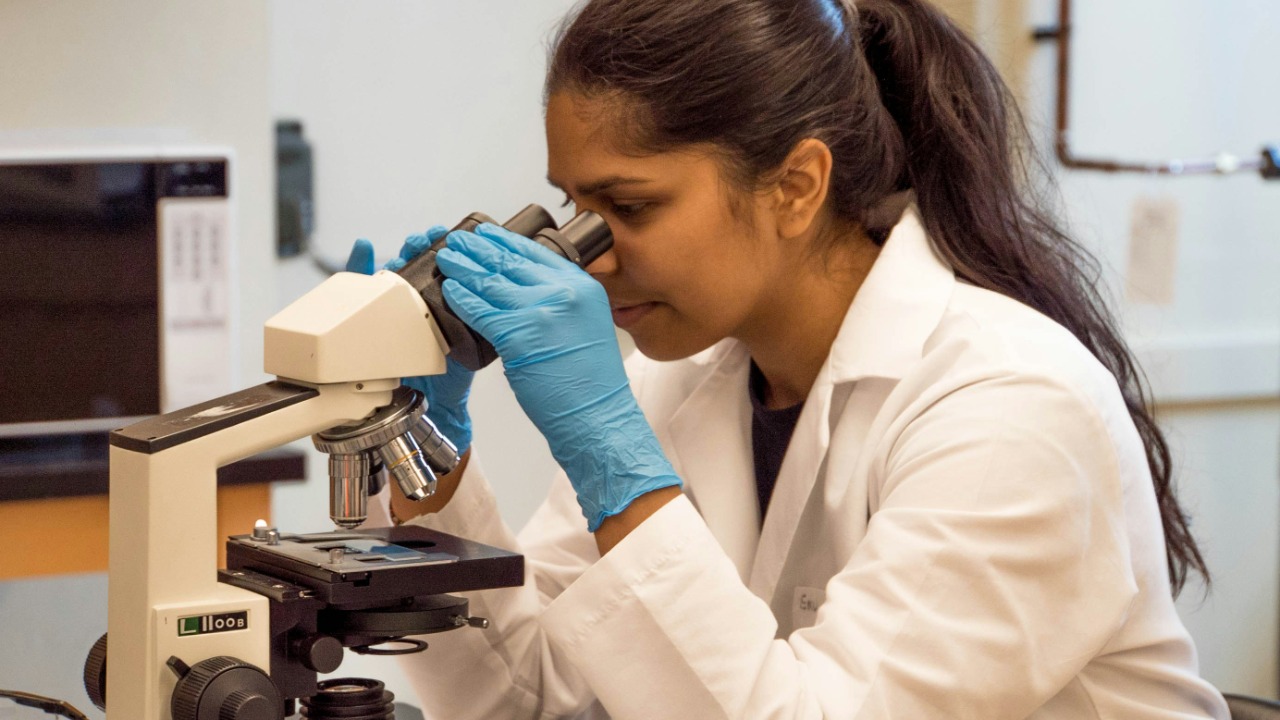
The successful synthesis of meteorite diamonds is poised to have a profound impact on materials science. This advancement not only provides a deeper understanding of diamond formation under extreme conditions but also paves the way for the development of new materials with tailored properties. Researchers can now explore the potential of creating other extraterrestrial materials, further bridging the gap between space and Earth-based technologies.
From an environmental standpoint, the ability to synthesize diamonds presents an intriguing alternative to traditional diamond mining. The environmental impact of diamond mining has long been a concern, with issues ranging from habitat destruction to carbon emissions. In contrast, the synthetic production of diamonds offers a more sustainable option, reducing the ecological footprint associated with diamond extraction. This shift could lead to a more environmentally conscious industry, aligning with global efforts to mitigate climate change.
Looking ahead, there are numerous avenues for future research. Scientists are keen to explore the full potential of these synthetic meteorite diamonds, investigating their properties further to unlock new applications. Areas such as nanotechnology, electronics, and even jewelry design could benefit from this innovation, driving researchers to refine the synthesis process and explore additional uses. The discovery also raises questions about the possibility of other extraterrestrial materials that could be synthesized, sparking curiosity and fueling ongoing research in the field.
Challenges and Ethical Considerations

As with any technological advancement, the creation of synthetic meteorite diamonds raises several ethical considerations. The introduction of these diamonds has the potential to disrupt the traditional diamond industry, which has long been associated with cultural and economic significance. Ethical concerns arise regarding the impact on communities dependent on diamond mining, as well as the potential for synthetic diamonds to be used unethically in consumer markets.
The market dynamics of the diamond industry are likely to undergo significant changes with the introduction of synthetic meteorite diamonds. Consumers may face a shift in perception, questioning the value and authenticity of natural versus synthetic stones. This shift could lead to changes in consumer behavior and demand, prompting the industry to adapt to these new realities.
Regulatory considerations will also play a crucial role in the widespread adoption of synthetic meteorite diamonds. As the production and use of these diamonds become more prevalent, regulatory bodies will need to establish guidelines and standards to ensure transparency and ethical practices. These regulations will be essential in maintaining consumer trust and ensuring that the benefits of synthetic diamonds are realized without compromising ethical standards.
With the synthesis of these extraordinary diamonds, we stand at the brink of a new era in materials science. As researchers continue to explore and refine this technology, the potential applications are vast and varied. From industrial uses to transformative technological advances, the impact of synthetic meteorite diamonds is set to be felt across multiple domains. As we navigate the challenges and opportunities that lie ahead, one thing is certain: the future of diamond technology is brighter and harder than ever before.
