Researchers at the University of Manchester have made a groundbreaking advancement in water desalination technology by developing a graphene oxide membrane capable of purifying seawater in seconds. This innovative approach not only promises to revolutionize water filtration but also has the potential to address global water scarcity issues. The swift desalination process is expected to be a game-changer in providing clean water to populations in need.
The Science Behind Graphene Oxide Membranes
Understanding Graphene Oxide
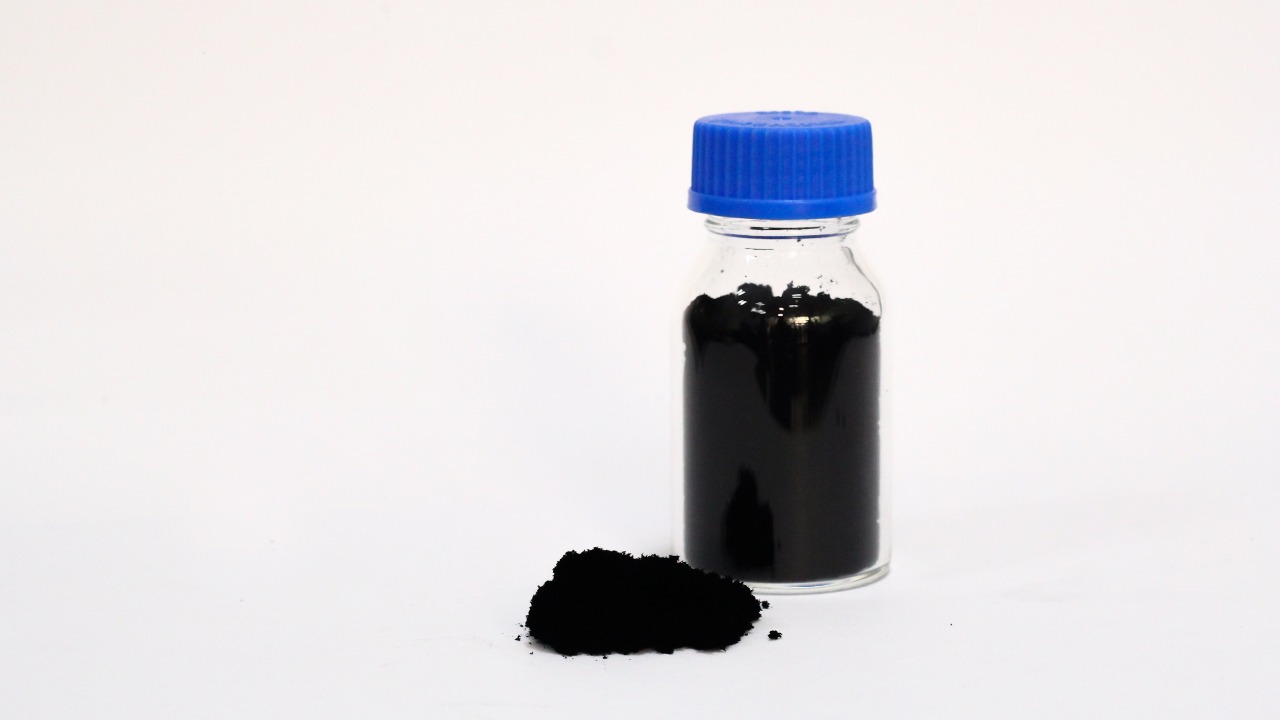
Graphene oxide, a derivative of graphene, is a highly promising material due to its exceptional properties. Comprising a single layer of carbon atoms arranged in a two-dimensional honeycomb lattice, graphene oxide has remarkable mechanical strength and flexibility. Its chemical structure allows it to form a highly selective barrier, making it ideal for water filtration applications. The unique attributes of graphene oxide, such as its hydrophilic nature and controllable interlayer spacing, enable precise control over ion and molecule separation.
Mechanism of Desalination
The graphene oxide membrane operates on a simple yet effective principle: it selectively filters out salt ions while allowing water molecules to pass through. The membrane’s nanoscale pores are engineered to block ions like sodium and chloride, which are larger in size, while water molecules, being smaller, can easily traverse the barrier. This selective permeability is key to its rapid desalination capability. The membrane’s efficiency in ion exclusion is attributed to the precisely tuned interlayer spacing, which can be adjusted to enhance performance.
Comparisons with Traditional Methods
Compared to traditional desalination techniques such as reverse osmosis, graphene oxide membranes offer significant advantages. Reverse osmosis requires high energy input and extensive infrastructure, whereas the graphene oxide approach is more energy-efficient and compact. Additionally, reverse osmosis systems often suffer from fouling and require frequent maintenance. In contrast, the graphene oxide membrane’s robust structure and resistance to fouling make it a more sustainable option for long-term use. This breakthrough has been recognized by various experts, as highlighted in a BBC report.
University of Manchester’s Breakthrough Research

Research Team and Methodology
The research team at the University of Manchester, led by renowned scientists in materials science, meticulously developed the graphene oxide membrane through a series of innovative experiments. Their methodology involved synthesizing graphene oxide sheets and assembling them into layered structures with precise control over interlayer spacing. This process enabled the creation of membranes with tailored properties for optimal desalination performance. The researchers conducted extensive testing to refine the membrane’s design and ensure its effectiveness in various water conditions.
Key Findings and Results
The study yielded impressive results, showcasing the graphene oxide membrane’s ability to desalinate seawater rapidly and efficiently. The membrane demonstrated a remarkable ability to filter out over 99% of salt ions, achieving potable water quality in mere seconds. These findings were documented in a detailed research publication, highlighting its potential scalability for large-scale applications. The membrane’s durability and performance metrics indicate that it can be a viable solution for addressing global water scarcity.
Peer Reception and Expert Opinions
The breakthrough has garnered significant attention from the academic and scientific communities. Experts have lauded the research for its innovative approach and potential impact on global water management. The development has been featured in various news outlets, with many experts expressing optimism about its future applications. The technology’s scalability and adaptability have been key points of discussion among peers, as researchers explore ways to implement it in different regions worldwide.
Potential Impact on Global Water Scarcity
Addressing Water Shortages
The graphene oxide membrane holds immense promise for alleviating water shortages in regions facing severe scarcity. By providing a rapid and efficient method of desalination, this technology could transform the water supply landscape in arid and drought-prone areas. Countries in the Middle East, North Africa, and parts of Asia, where freshwater resources are limited, stand to benefit significantly from this innovation. The membrane’s capability to deliver clean water swiftly and sustainably is a crucial factor in addressing global water challenges.
Economic and Environmental Benefits
Beyond its technical prowess, the graphene oxide desalination method offers substantial economic and environmental benefits. Its energy-efficient operation and reduced infrastructure requirements translate to lower operational costs compared to conventional methods. Furthermore, the membrane’s durability minimizes maintenance expenses, making it a cost-effective solution for large-scale deployment. Environmentally, the reduced energy consumption and minimal chemical usage contribute to a lower carbon footprint, aligning with global sustainability goals.
Challenges and Considerations
Despite its promising potential, several challenges must be addressed before widespread adoption can occur. Production costs of graphene oxide and its membranes need to be reduced to ensure affordability for all regions. Additionally, the long-term durability and performance under diverse environmental conditions require further exploration. Researchers and industry stakeholders must collaborate to overcome these hurdles and develop strategies for mass production and distribution.
Future Prospects and Applications

Scaling the Technology
The next step for the graphene oxide membrane is scaling up production to meet global demand. Researchers are working on optimizing manufacturing processes to increase efficiency and reduce costs. Potential collaborations with industry partners and governments could facilitate the establishment of production facilities worldwide. The technology’s scalability is crucial for its successful integration into existing water supply systems and addressing large-scale water scarcity issues.
Innovative Uses Beyond Desalination
The versatility of graphene oxide membranes extends beyond desalination. Their ability to filter contaminants and impurities makes them suitable for wastewater treatment and industrial applications. Industries such as pharmaceuticals and food processing could benefit from the membrane’s high selectivity and efficiency. Researchers are exploring these potential applications, aiming to expand the technology’s reach and impact across various sectors.
Collaborations and Funding
Ongoing collaborations between academic institutions, governments, and private sectors play a critical role in advancing graphene oxide membrane technology. Securing funding is essential for continued research and development efforts, enabling further refinement and optimization of the membrane. Support from innovative organizations and government initiatives can accelerate the technology’s progression from laboratory research to real-world implementation. These collaborative efforts are vital for realizing the full potential of graphene oxide membranes in addressing water scarcity and beyond.
