In a significant breakthrough for the scientific community, a new element has been confirmed on the periodic table. This discovery holds potential implications for a wide range of scientific fields, from physics to medicine, and marks a new chapter in our understanding of the universe’s building blocks.
The Discovery of the New Element

The discovery of this new element is the result of tireless work by a dedicated team of scientists. Their method, while complex, was rooted in the principles of experimental chemistry and physics. The team’s efforts were focused on creating conditions conducive to the formation of new elements, a process that requires both precision and patience.
The new element, yet to be named, has a unique atomic number and symbol that distinguish it from all other elements on the periodic table. Its properties, while still under investigation, promise to add a new layer of complexity to our understanding of matter. The discovery was verified and accepted by the International Union of Pure and Applied Chemistry (IUPAC), the global authority on chemical nomenclature, terminology, and measurement.
Historical Context of New Elements

The periodic table has seen the addition of new elements throughout its history. Each discovery has not only expanded the table but also deepened our understanding of the universe. The completion of the seventh row of the periodic table in 2016 was a significant milestone, marking the addition of four new elements and demonstrating the potential for further discoveries.
The discovery of new elements has always been a significant event in the scientific community. Each new element provides a fresh perspective on the fundamental principles of chemistry and physics, challenging existing theories and opening up new avenues of research.
The Implications of the New Element

The discovery of this new element has far-reaching implications for various scientific fields. In physics, it could lead to new theories about the structure and behavior of matter. In medicine, it could open up new possibilities for treatments and therapies. Even in fields like materials science and engineering, the new element could lead to the development of novel materials with unique properties.
The addition of this new element may also impact the future design of the periodic table. As we continue to discover new elements, the structure of the table may need to be revised to accommodate them. This discovery also raises the tantalizing possibility of finding even more new elements in the future.
Challenges and Controversies

The process of discovering and verifying new elements is fraught with challenges. It requires not only sophisticated equipment and technical expertise but also a great deal of perseverance. The verification process, in particular, is rigorous and demanding, requiring conclusive evidence that the new element has been produced and observed.
There have also been controversies and disputes in the field, particularly around the issues of naming and symbolizing new elements. Competing claims of discovery have led to heated debates and disagreements, underscoring the high stakes and intense competition in this area of science.
The Future of the Periodic Table
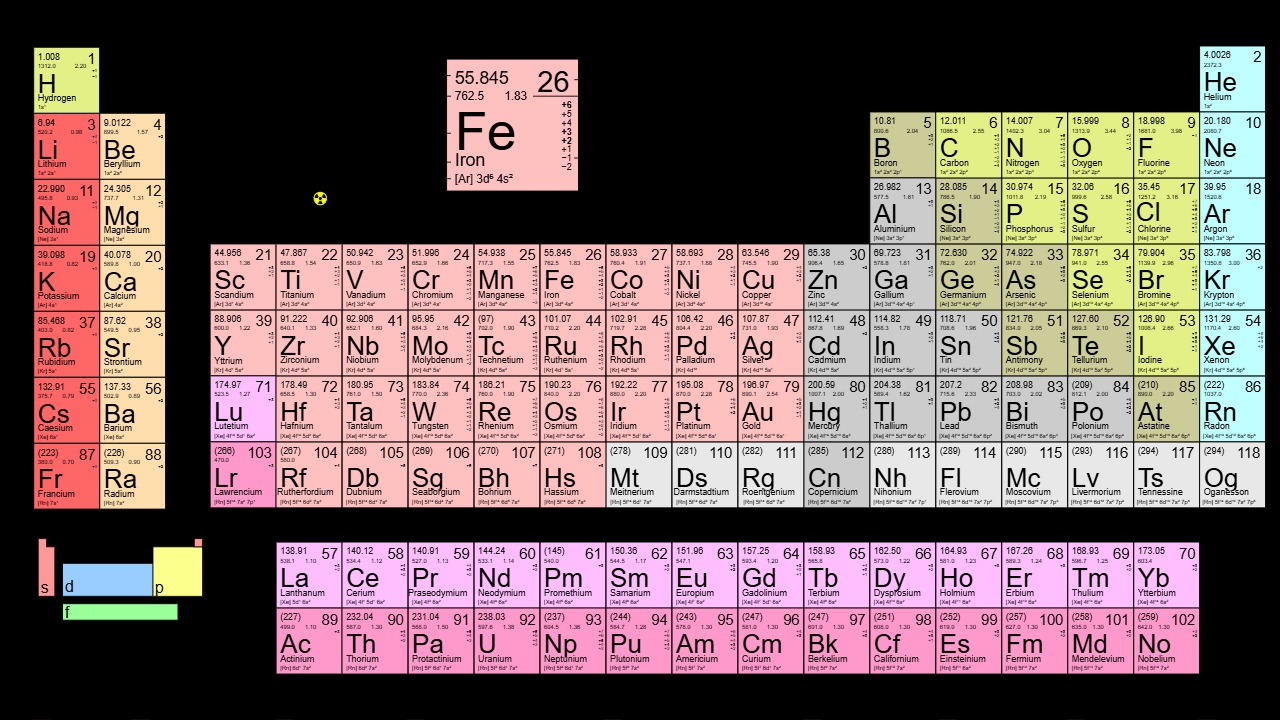
The discovery of this new element raises intriguing questions about the future of the periodic table. Will we continue to find new elements, and if so, how will they be accommodated? Theories and predictions abound, with some scientists speculating about the possibility of an eighth row and beyond.
The implications of these potential discoveries for the fields of chemistry and physics are profound. As we continue to expand our understanding of the universe’s building blocks, we may need to rethink some of our fundamental theories and assumptions. As the Smithsonian Magazine asked in 2016, “When will we reach the end of the periodic table?” With this latest discovery, it seems the end is not in sight just yet.
The journey of the periodic table, from its inception to its current form, has been a testament to the resilience and ingenuity of the scientific community. As we look to the future, the periodic table will continue to evolve, reflecting our ever-growing understanding of the universe. As the Nature article on how the periodic table survived a war to secure chemistry’s future suggests, the periodic table is not just a tool for scientists, but a symbol of our collective quest for knowledge.
