In a remarkable fusion of biology and technology, a DNA-based computer that performs effectively has been created by scientists. This innovative breakthrough promises to redefine the boundaries of computing, hinting at a future where life and technology are intimately intertwined.
Understanding DNA-based Computers
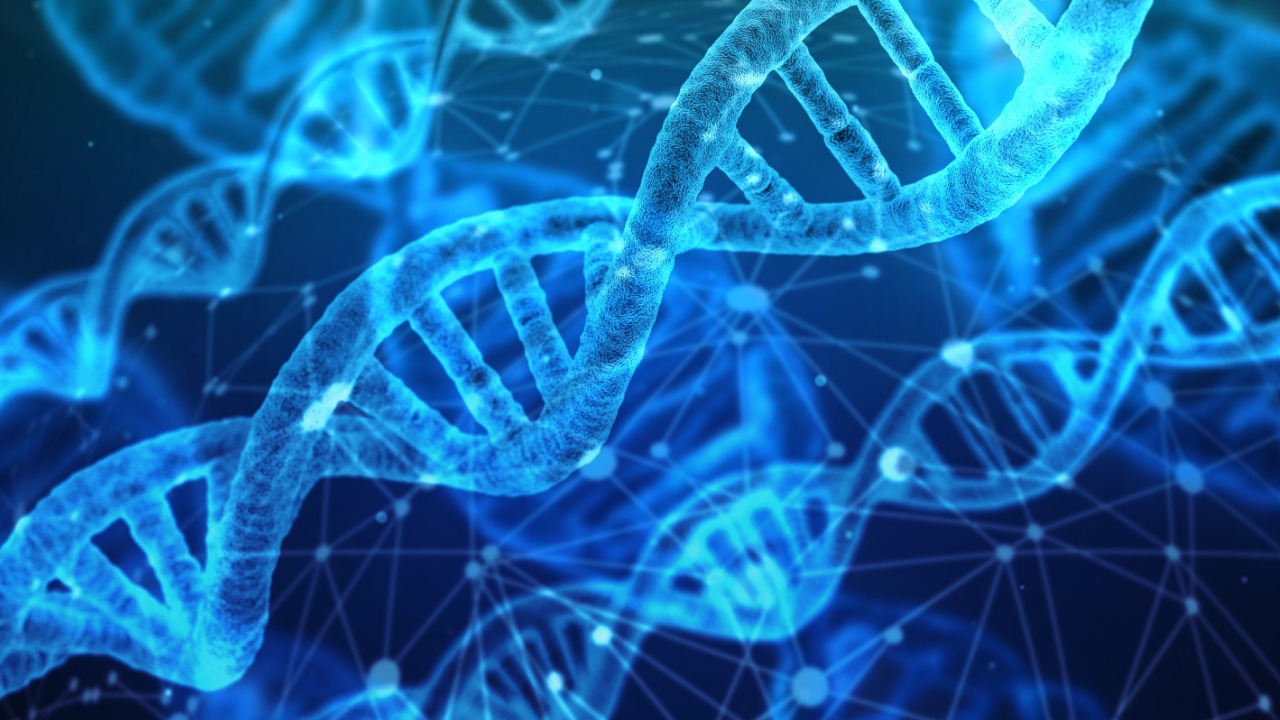
At its core, DNA-based computing represents a radical departure from traditional computational models. Instead of relying on electronic circuits and binary code, it uses the inherent properties of DNA molecules to store information and perform complex calculations. The idea is not as far-fetched as it might seem; after all, the cells in our body use DNA to store and process an immense amount of data.
There are numerous advantages to a DNA-based computing system. Perhaps the most significant is its potential storage capacity. A single gram of DNA can theoretically store up to 215 petabytes (or 215 million gigabytes) of data. Furthermore, DNA-based computing could lead to more energy-efficient systems, as DNA reactions occur naturally and require very little energy.
The Evolution of DNA-based Computing
DNA-based computing can trace its roots back to the groundbreaking work of Leonard Adleman, a computer scientist who, in 1994, solved a complex mathematical problem using DNA. His work marked the first practical demonstration of DNA computing and opened the door to the possibility of harnessing the power of biology for computational tasks. You can find more details about the development of DNA-based computing in the relevant literature.
Since Adleman’s pioneering work, numerous researchers have contributed to the evolution of this field. A multidisciplinary approach, involving computer scientists, biologists, chemists, and engineers, has been crucial for the development and realization of DNA-based computers.
The Construction of the DNA-based Computer
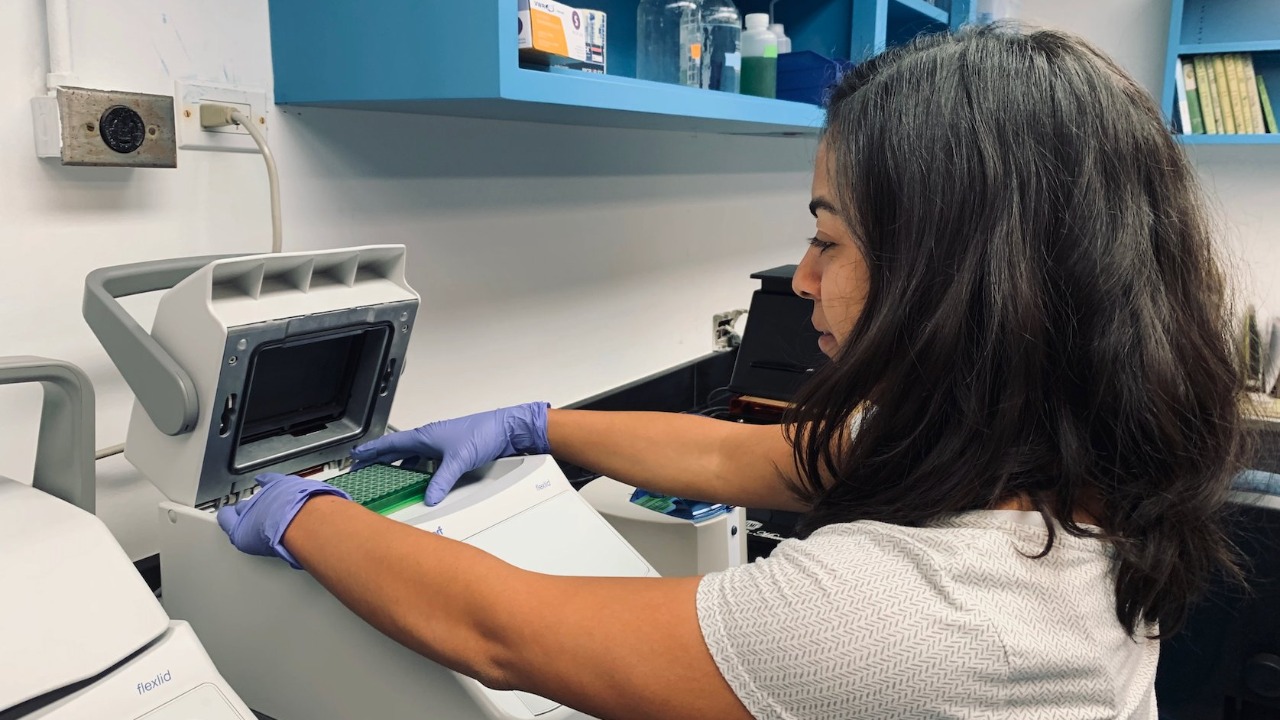
The process of constructing a DNA-based computer is complex and requires a deep understanding of both biology and computer science. The construction of the DNA-based computer was a significant technical challenge. It necessitated the manipulation of DNA molecules to store and retrieve data, and the development of biochemical processes to perform computations.
Among the many challenges faced was ensuring that the DNA reactions were accurate and reliable. Errors in DNA replication or transcription could lead to incorrect results or system failures. However, through careful design and rigorous testing, these issues were successfully addressed.
Functionality and Performance
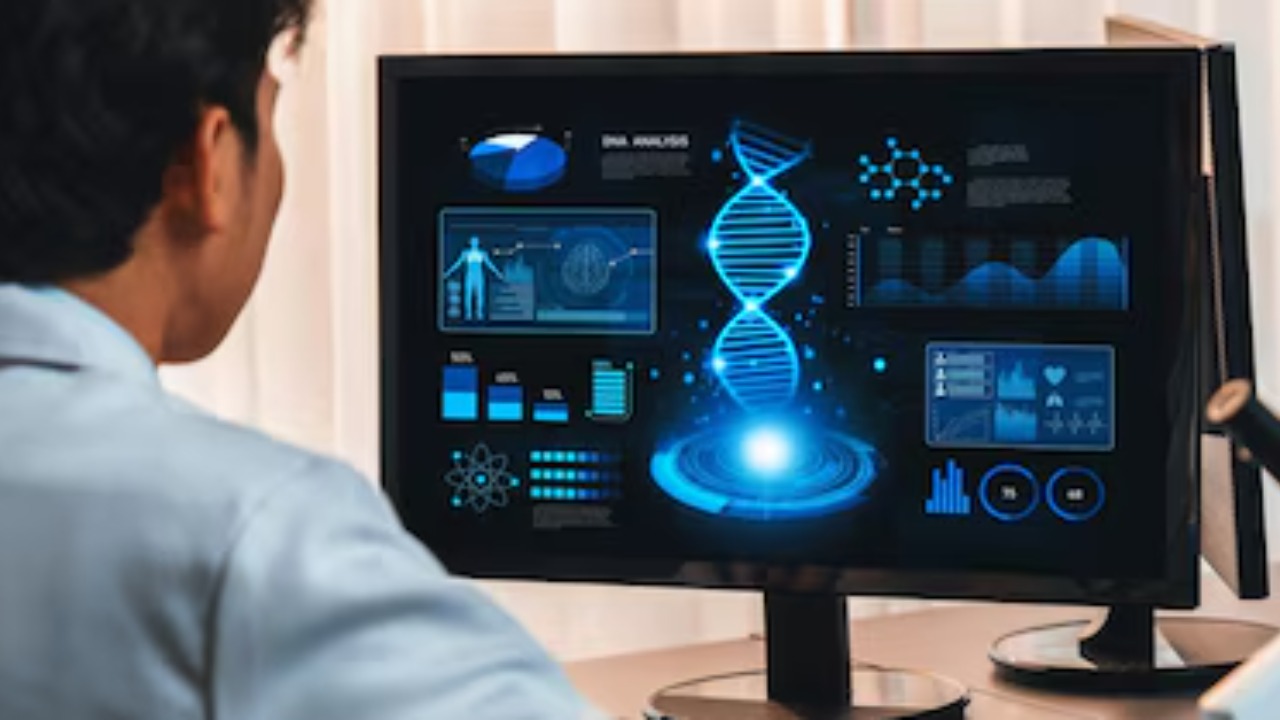
To understand how a DNA-based computer works, one must delve into the world of molecular biology. DNA molecules are made up of sequences of four different bases, and these sequences can be used to represent binary data. For instance, the DNA sequence AGCT could represent the binary number 1101.
A detailed analysis of the computer’s performance and efficiency can be found in the relevant study. The study shows that while a DNA-based computer may not currently match the speed of traditional computers, it excels in parallel processing – the ability to perform many calculations simultaneously. This makes DNA computers potentially ideal for solving complex problems that require the exploration of numerous possibilities.
The Role of AI in DNA-based Computing

Artificial intelligence (AI) plays a significant role in advancing the field of DNA-based computing. AI algorithms are capable of modeling and predicting the behavior of biological systems, including the complex dynamics of DNA. A recent breakthrough in this area is the creation of Evo, an AI trained to create genomes from scratch, as outlined in a recent report.
It’s clear that there is a symbiotic relationship between AI and DNA-based computing. AI can help us understand and manipulate DNA more effectively, while DNA-based computing can provide a novel and powerful computational model that can help advance AI research.
Future Implications and Developments
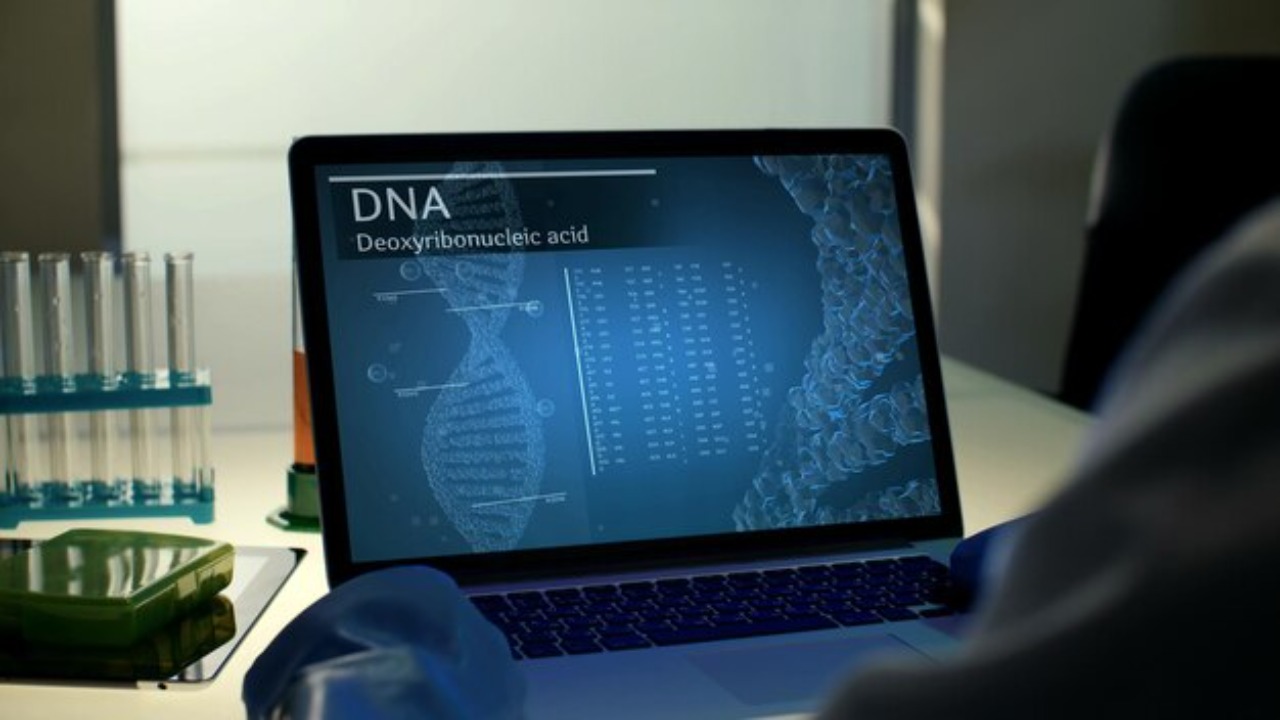
The potential impact of DNA-based computing on various industries and sectors is immense. For instance, in healthcare, DNA computers could be used to create personalized treatment plans based on a patient’s genetic profile. In data storage, DNA could provide a solution to the ever-increasing demand for storage space.
Looking forward, with continuous advancements in the field of DNA-based computing as documented in a recent study, the line between life and machine may become increasingly blurred. We may see a future where computers are not built, but grown, and where data is stored not in silicon, but in the fabric of life itself.
