In a groundbreaking scientific endeavor, researchers are working to bring back the Moa, a giant bird that once roamed New Zealand. This 12-foot tall creature, which weighed half a ton, has been extinct for 600 years. The project, which involves reviving what some describe as an “extremely dangerous” species, has garnered support from renowned director Peter Jackson. Recent advancements in cell growth technology, which have already shown promise with species like the Dire Wolf and the Dodo, are paving the way for this ambitious revival effort.
The Moa: Characteristics and Extinction
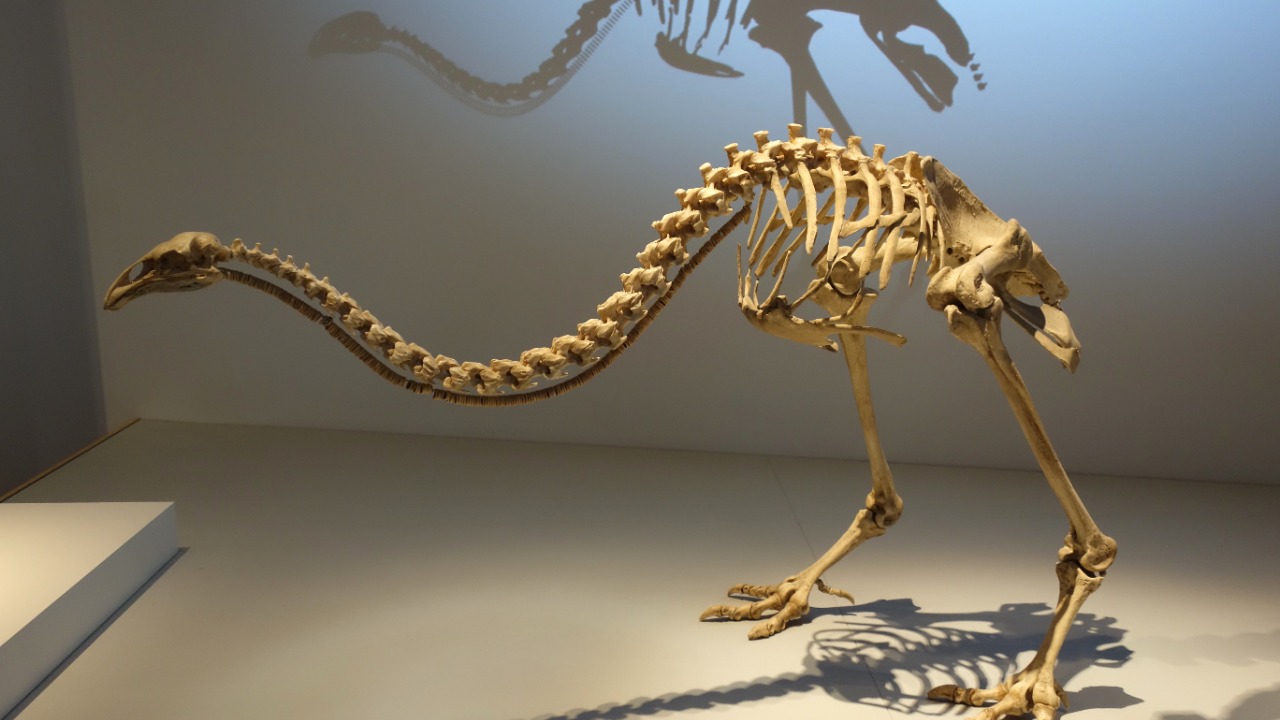
The Moa was a colossal bird, standing at an impressive 12 feet tall and weighing around half a ton. Its sheer size and presence made it a dominant figure in its ecosystem. However, despite its formidable stature, the Moa became extinct approximately 600 years ago. The reasons for its extinction are still debated, but human activity and habitat changes are often cited as contributing factors. The Moa’s reputation as an “extremely dangerous” bird adds a layer of intrigue to its history, as scientists now consider the implications of bringing such a creature back to life (New York Post).
Efforts to de-extinct the Moa are not just about reviving a lost species but also about understanding the ecological roles these birds once played. The Moa’s extinction marked a significant ecological shift, and its potential return could offer insights into past ecosystems and the dynamics of species interactions. The bird’s size and behavior have led some to label it as “extremely dangerous,” a factor that scientists must consider as they proceed with de-extinction efforts (The Express).
The Moa’s extinction is often attributed to overhunting by the Māori, the indigenous people of New Zealand, who arrived on the islands around 1300 AD. The birds were a crucial food source, and their large size made them easy targets. Additionally, the introduction of new predators and changes in vegetation due to human activity further contributed to their decline. The loss of the Moa had a cascading effect on the ecosystem, as they were primary herbivores that influenced plant growth and seed dispersal. Understanding these historical interactions is vital as scientists consider the ecological ramifications of reintroducing the Moa into modern environments.
De-Extinction Efforts and Scientific Methods

Scientists are employing cutting-edge de-extinction techniques to bring the Moa back from its 600-year absence. These methods involve sophisticated genetic engineering and cell growth technologies, which have already shown success in other projects. For instance, recent advancements have enabled researchers to grow cells that could potentially revive species like the Dire Wolf and the Dodo, which have been extinct for 300 years (IBTimes).
A de-extinction company is at the forefront of this ambitious project, aiming to revive the Moa despite its classification as an “extremely dangerous” species. This initiative is part of a broader movement to explore the possibilities of de-extinction, which could have profound implications for biodiversity and conservation. The company’s efforts are supported by a growing body of scientific research that seeks to understand the genetic and ecological complexities involved in bringing extinct species back to life (The Express).
The process of de-extinction involves several complex steps, starting with the extraction of DNA from Moa remains, which are often found in well-preserved conditions due to New Zealand’s unique climate. Scientists then compare this ancient DNA with that of closely related species, such as the emu, to identify genetic similarities and differences. This comparative analysis helps in reconstructing the Moa’s genome. Once the genome is mapped, researchers use advanced techniques like CRISPR to edit the DNA of a living relative, effectively creating a hybrid embryo that can be implanted into a surrogate bird. This meticulous process requires not only technological precision but also a deep understanding of avian biology and genetics.
Key Supporters and Celebrity Involvement
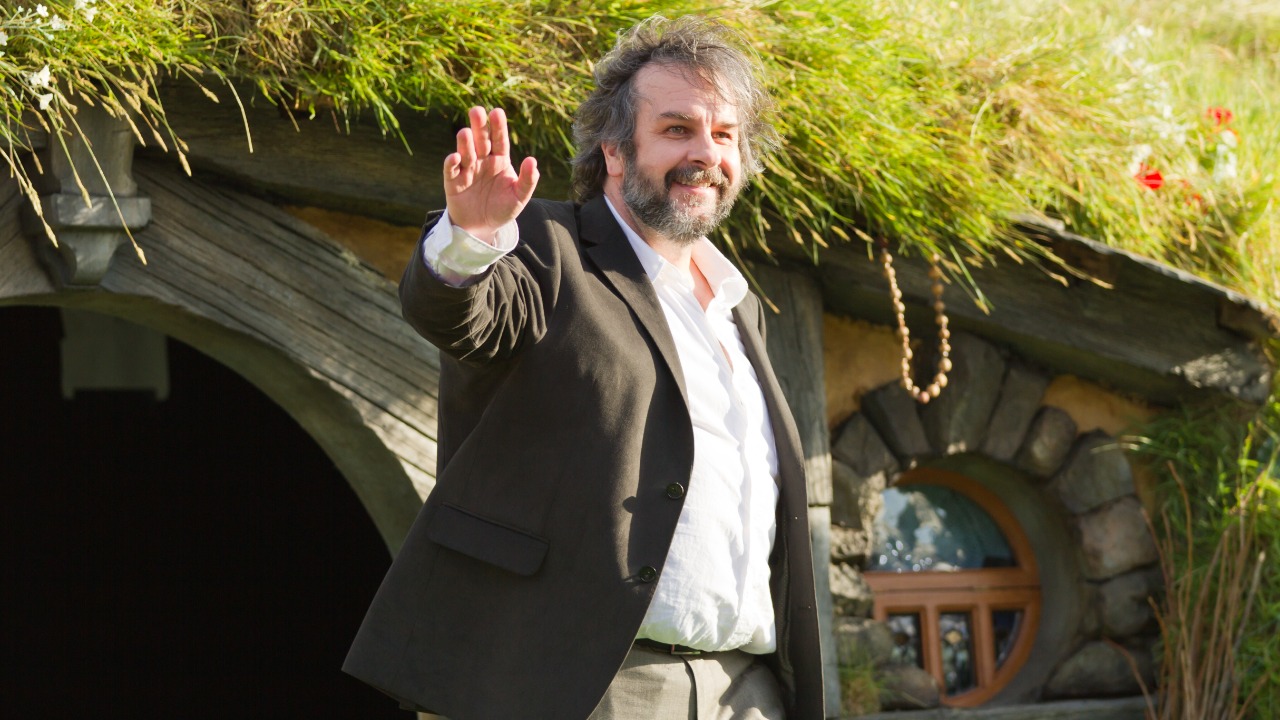
Director Peter Jackson, known for his work on the “Lord of the Rings” films, is lending his support to the scientists working to resurrect the Moa. Jackson’s involvement brings significant attention to the project, highlighting the intersection of science and popular culture in the realm of de-extinction. His support is not just symbolic; it underscores a commitment to exploring the scientific and ethical dimensions of reviving extinct species (Independent.ie).
Jackson’s interest in the Moa project aligns with broader de-extinction initiatives, which aim to restore lost biodiversity and address the ecological impacts of past extinctions. His involvement may also inspire public interest and support for scientific research, fostering a greater understanding of the potential benefits and challenges associated with de-extinction. As scientists continue their work, the collaboration between researchers and influential figures like Jackson could play a crucial role in advancing these groundbreaking efforts (Independent).
Challenges and Implications of Resurrection
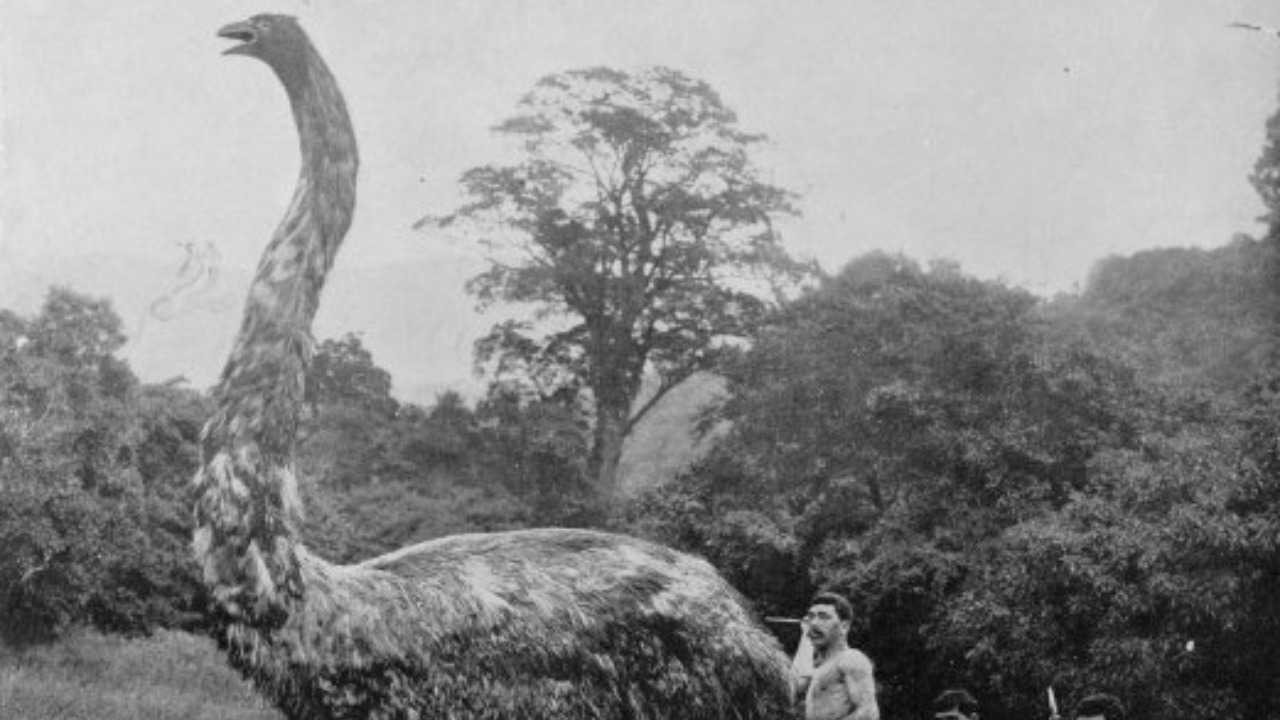
Reviving a half-ton, 12-foot bird that has been extinct for 600 years presents numerous challenges. The potential risks associated with bringing back such a large and potentially dangerous species are significant. Scientists must carefully consider the ecological and ethical implications of reintroducing the Moa into modern ecosystems. The bird’s size and behavior could have unforeseen impacts on current wildlife and habitats, necessitating thorough research and planning (New York Post).
Ethical concerns also play a critical role in the de-extinction debate. The idea of reviving an “extremely dangerous” species like the Moa raises questions about human responsibility and the potential consequences of altering natural processes. As scientists make strides in cell-growing techniques, as demonstrated with species like the Dodo, these ethical considerations become increasingly relevant. The successes and challenges of past de-extinction efforts can provide valuable insights as researchers navigate the complexities of bringing the Moa back to life (IBTimes).
Beyond the technical hurdles, reintroducing the Moa poses significant ecological challenges. The current landscape of New Zealand has changed dramatically since the Moa’s extinction, with new species and altered habitats. Scientists must assess whether the environment can support such a large herbivore and how its presence might affect existing wildlife. There is also the question of public perception and acceptance, as the introduction of a potentially dangerous species could lead to conflicts with human activities. These considerations highlight the need for comprehensive environmental impact assessments and community engagement to ensure that de-extinction efforts are both scientifically sound and socially responsible.
