Recent reports are painting a promising picture of Saturn’s moon, Enceladus, as it shows increased signs of habitability. This has sparked interest from the scientific community and prompted exploration plans from Europe.
Enceladus: An Unexpectedly Habitable Moon
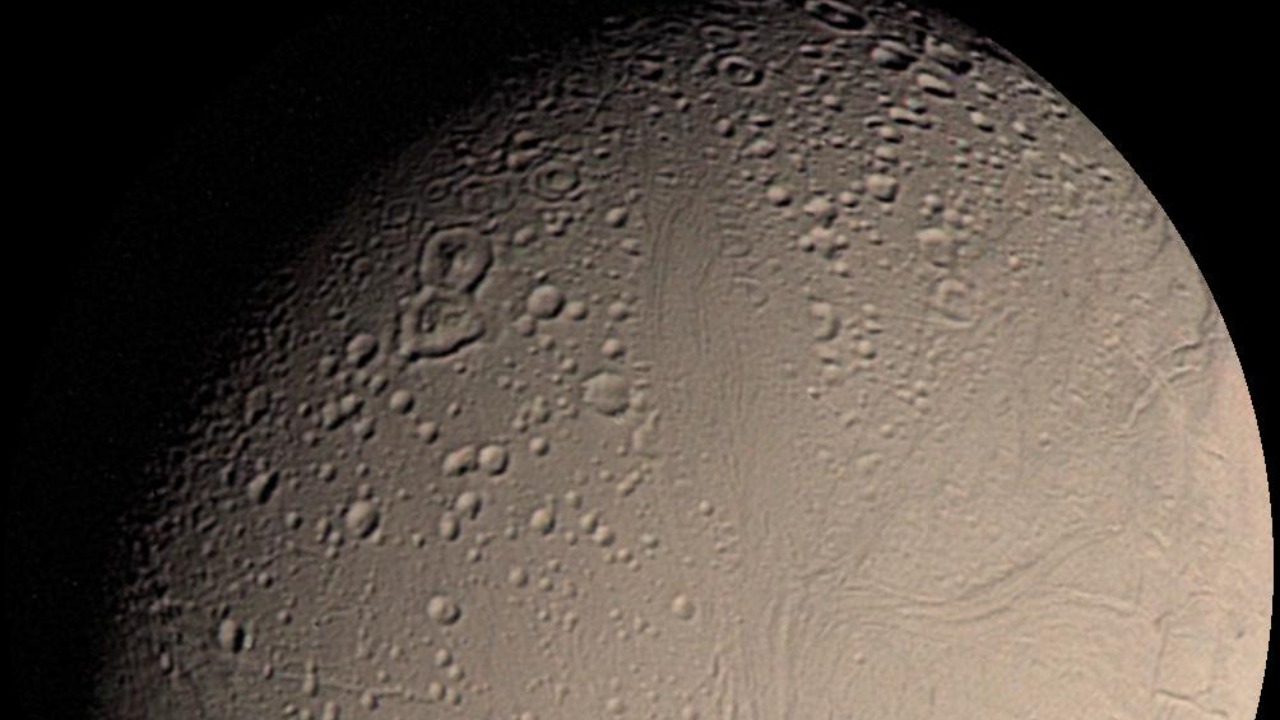
Recent findings have indicated an increased potential for habitability on Enceladus, a moon of Saturn. These findings, reported by ZME Science and Astronomy, have shifted our understanding of this icy moon and its potential to harbor life.
Compared to earlier expectations, Enceladus is showing more signs of being a habitable environment. As reported by the Smithsonian Magazine, this moon of Saturn is proving to be more habitable than previously thought, making it a subject of great interest in the search for extraterrestrial life.
One of the key factors contributing to Enceladus’s potential habitability is its subsurface ocean. According to ZME Science, this ocean is kept warm by tidal heating caused by the gravitational interaction between Enceladus and Saturn. This heat source could potentially support life, much like hydrothermal vents on Earth’s ocean floor.
Furthermore, Astronomy reports that Enceladus’s icy surface is not a barrier to life but rather a protective shield. The ice layer insulates the subsurface ocean, maintaining its liquid state and protecting potential life forms from harmful radiation.
Scientific Interest in Enceladus
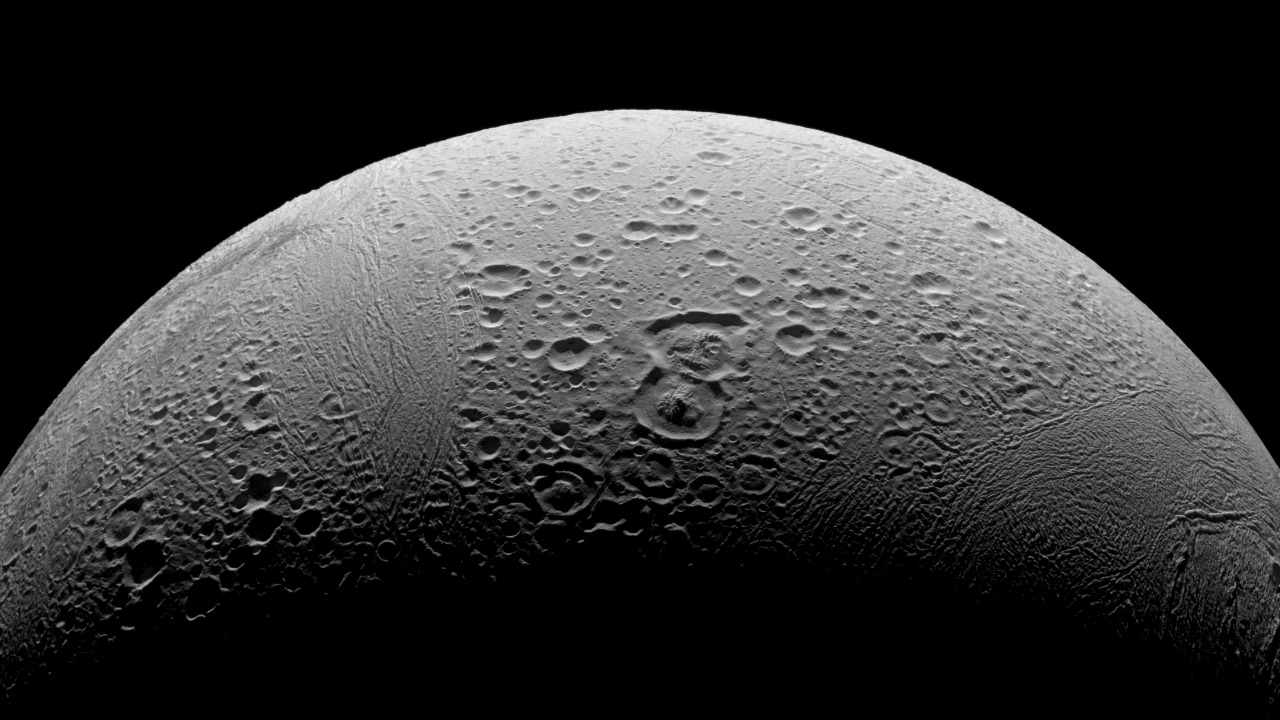
The scientific community’s interest in Enceladus has grown significantly due to its potential habitability. Cosmos Magazine highlights this growing fascination with Enceladus and its potential to reshape our understanding of life in the universe.
The implications of Enceladus’ potential habitability extend beyond the moon itself. As noted by ZME Science and Astronomy, the discovery of a potentially habitable environment on Enceladus could significantly impact our understanding of life beyond Earth.
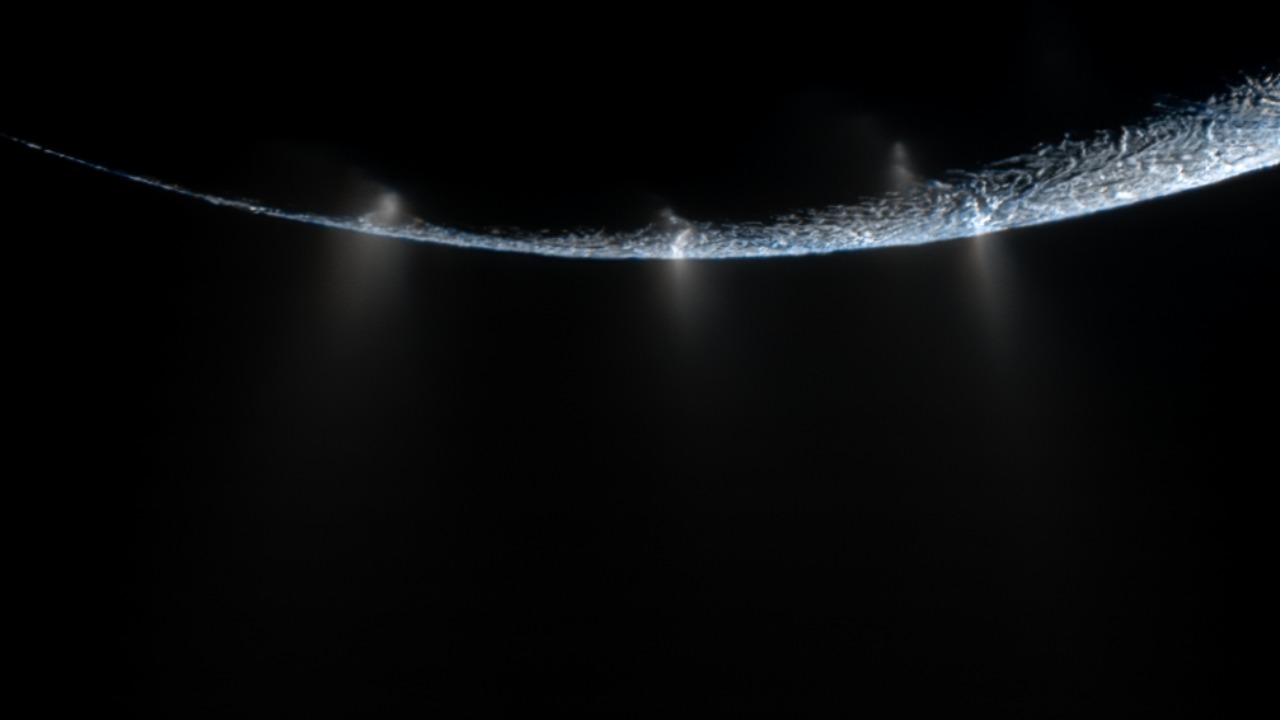
Enceladus’s geysers are another point of interest for scientists. As Cosmos Magazine explains, these geysers spew water vapor and ice particles from the moon’s subsurface ocean into space. This provides a unique opportunity to study the moon’s internal composition without the need for drilling or landers.
Moreover, the potential discovery of life on Enceladus would have profound implications for astrobiology. As ZME Science points out, finding life in such a harsh and distant environment would expand our understanding of the types of environments in which life can thrive, potentially leading to the discovery of life in other extreme environments in the universe.
Exploration Plans for Enceladus
Enceladus’ increasing potential for habitability has sparked exploration plans from Europe. As reported by Universe Today, Europe has big plans for this moon of Saturn, with the aim of further investigating its habitability potential.
These exploration plans could greatly enhance our understanding of Enceladus and its potential as a habitable environment. As noted by ZME Science and Universe Today, the exploration of Enceladus could provide valuable insights into the conditions necessary for life, potentially reshaping our understanding of where life can exist in the universe.
Europe’s exploration plans for Enceladus are ambitious and multifaceted. According to Universe Today, these plans include sending a spacecraft to orbit Saturn and make multiple flybys of Enceladus. The spacecraft would be equipped with instruments capable of analyzing the moon’s geysers to determine the composition of its subsurface ocean.
Furthermore, as ZME Science and Universe Today note, these exploration plans are not just about Enceladus. They are part of a broader effort to understand the potential for life in the outer solar system. The findings from Enceladus could inform future missions to other icy moons like Europa and Ganymede, further expanding our understanding of habitability in the universe.
