Saturn’s moon Enceladus has become a focal point of astrobiological interest following the detection of organic molecules in its icy plumes. Recent analyses have revealed the presence of carbon compounds, which significantly bolster the prospects of discovering extraterrestrial life within our solar system. Furthermore, studies indicate that even a high-speed spacecraft impact at 15,000 km/h would not disrupt potential microbial life on the moon, suggesting that Enceladus could harbor resilient forms of life.
Enceladus’ Geological Features
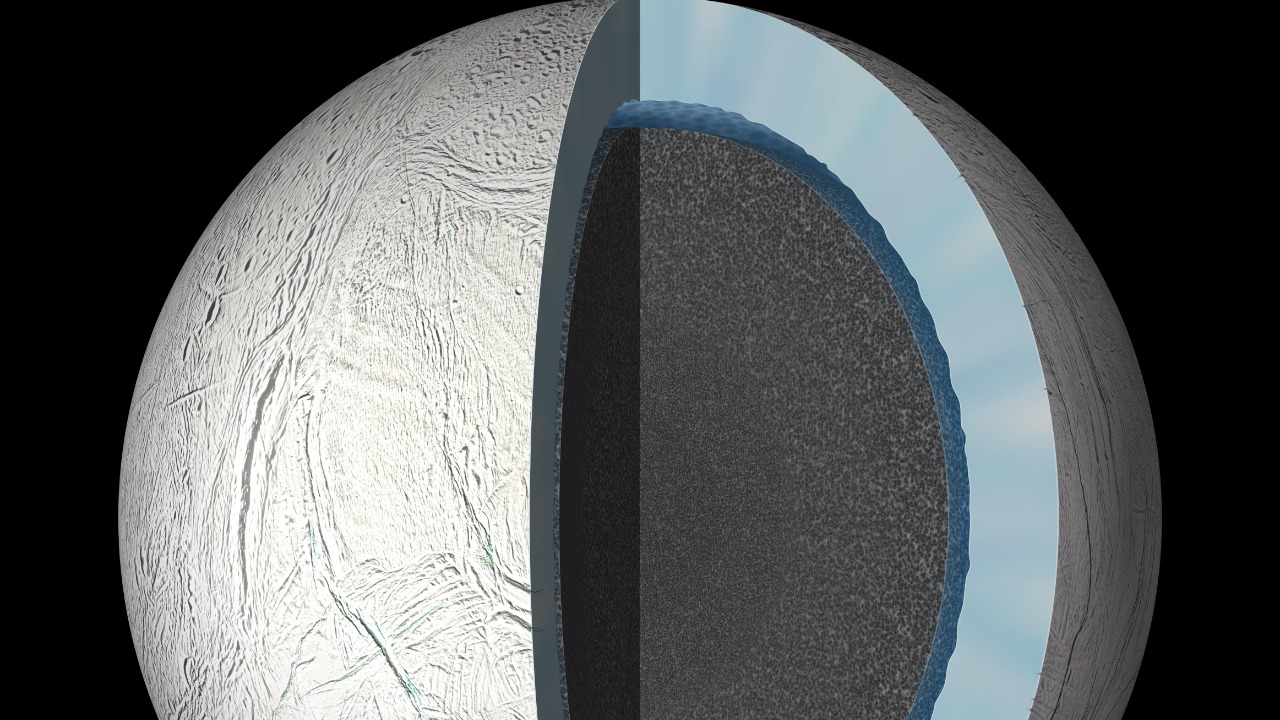
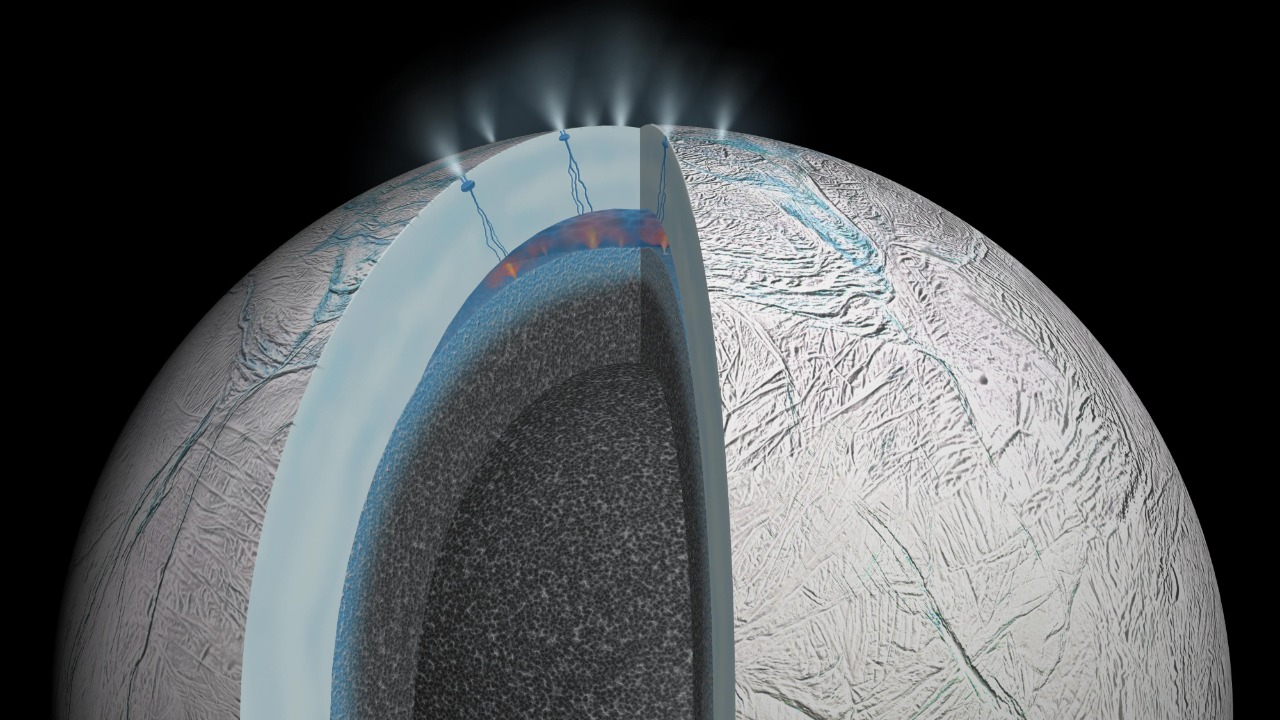
Enceladus, one of Saturn’s most intriguing moons, is renowned for its spectacular ice plumes that erupt from subsurface oceans. These plumes, which have been extensively studied, provide a unique glimpse into the moon’s hidden aquatic environment. According to UC San Diego, the geysers on Enceladus are not only a stunning natural phenomenon but also a potential habitat for organic processes. The moon’s icy surface, coupled with these dynamic plumes, creates an environment where life could potentially thrive.
The subsurface water reservoirs on Enceladus are believed to be capable of sustaining life forms, despite the extreme cold that characterizes the moon’s environment. As reported by Evrim Ağacı, these hidden oceans could provide the necessary conditions for life, protected beneath the thick ice crust. This possibility has made Enceladus a prime target for future exploratory missions aimed at uncovering signs of life beyond Earth.
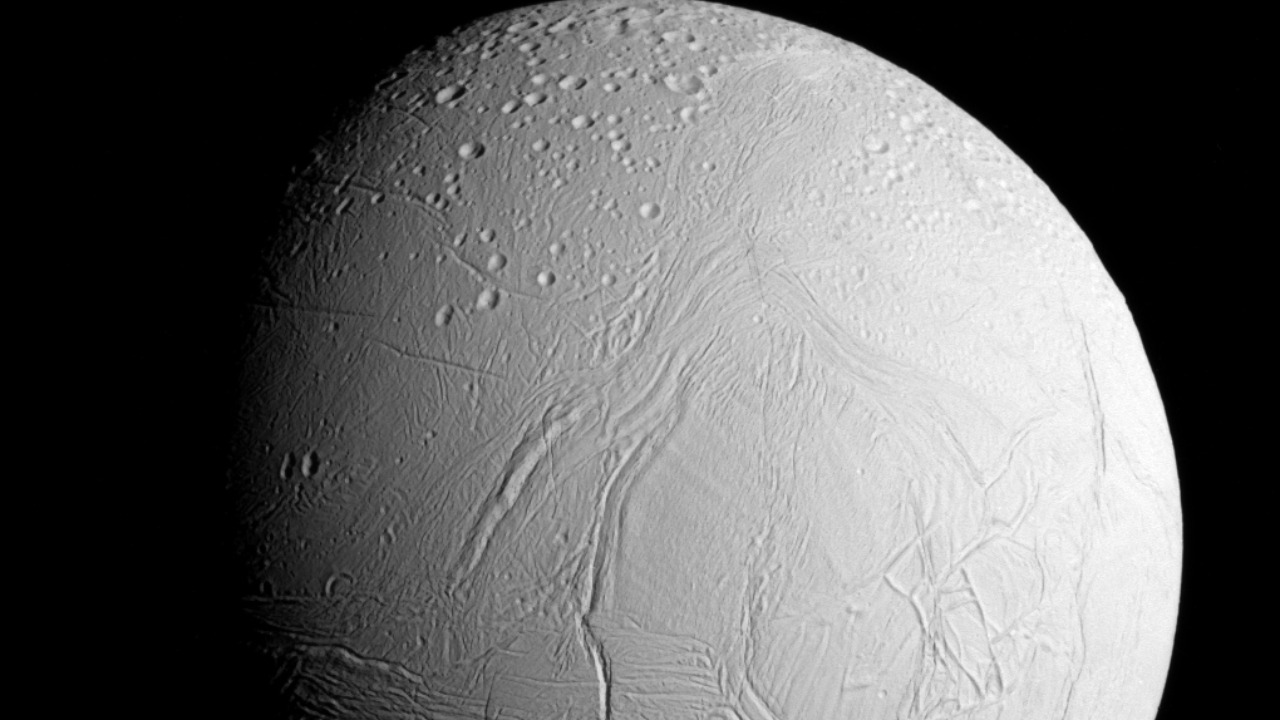
Enceladus’ surface is characterized by a complex network of fractures and ridges, which are believed to be caused by tectonic activity beneath its icy crust. This dynamic geological activity is driven by tidal forces exerted by Saturn, which generate heat through frictional processes. This heat is crucial as it keeps the subsurface oceans in a liquid state, providing a potential habitat for life. The continuous resurfacing of Enceladus, as observed by the Cassini spacecraft, suggests that the moon’s surface is relatively young, with an estimated age of less than 100 million years. This geological youthfulness indicates ongoing processes that could support life.
Moreover, the presence of silica particles in the plumes suggests hydrothermal activity on the ocean floor. These particles are formed under specific conditions where hot water interacts with rock, a process that on Earth is often associated with life. The detection of these particles provides further evidence that Enceladus’ ocean could be similar to Earth’s, where hydrothermal vents support diverse ecosystems. This similarity strengthens the hypothesis that Enceladus might host life forms adapted to extreme environments.
Detection of Organic Indicators
The identification of organic molecules in Enceladus’ plumes has been a groundbreaking development in the search for extraterrestrial life. According to Futurism, these molecules signal possible biological activity, offering a tantalizing hint that life might exist beyond our planet. The presence of carbon-based compounds in the moon’s emissions provides direct evidence of organic life signs, as noted by The Guardian.
Further analysis of plume samples has revealed complex organics that align with known life precursors. This discovery, highlighted by Evrim Ağacı, suggests that the building blocks of life are present on Enceladus, raising the possibility that microbial ecosystems could exist beneath its icy surface. These findings have invigorated the scientific community’s interest in Enceladus as a potential host for life.
The organic molecules identified in Enceladus’ plumes include a variety of carbon-based compounds such as methane, ethane, and formaldehyde. These compounds are considered essential precursors to more complex organic chemistry, potentially leading to the formation of life. The detection of these molecules was made possible by the Cassini spacecraft, which conducted multiple flybys through the plumes, collecting and analyzing samples. This mission provided unprecedented insights into the chemical composition of the plumes, revealing the presence of these life-related molecules.
In addition to carbon compounds, the plumes contain molecular hydrogen, a potential energy source for microbial life. On Earth, certain microorganisms known as methanogens utilize hydrogen as an energy source, converting it into methane. The presence of both hydrogen and methane in Enceladus’ plumes suggests that similar life processes could occur beneath its icy surface. This discovery has prompted scientists to consider Enceladus as one of the most promising locations in the solar system for finding extraterrestrial life.
Implications for Extraterrestrial Life
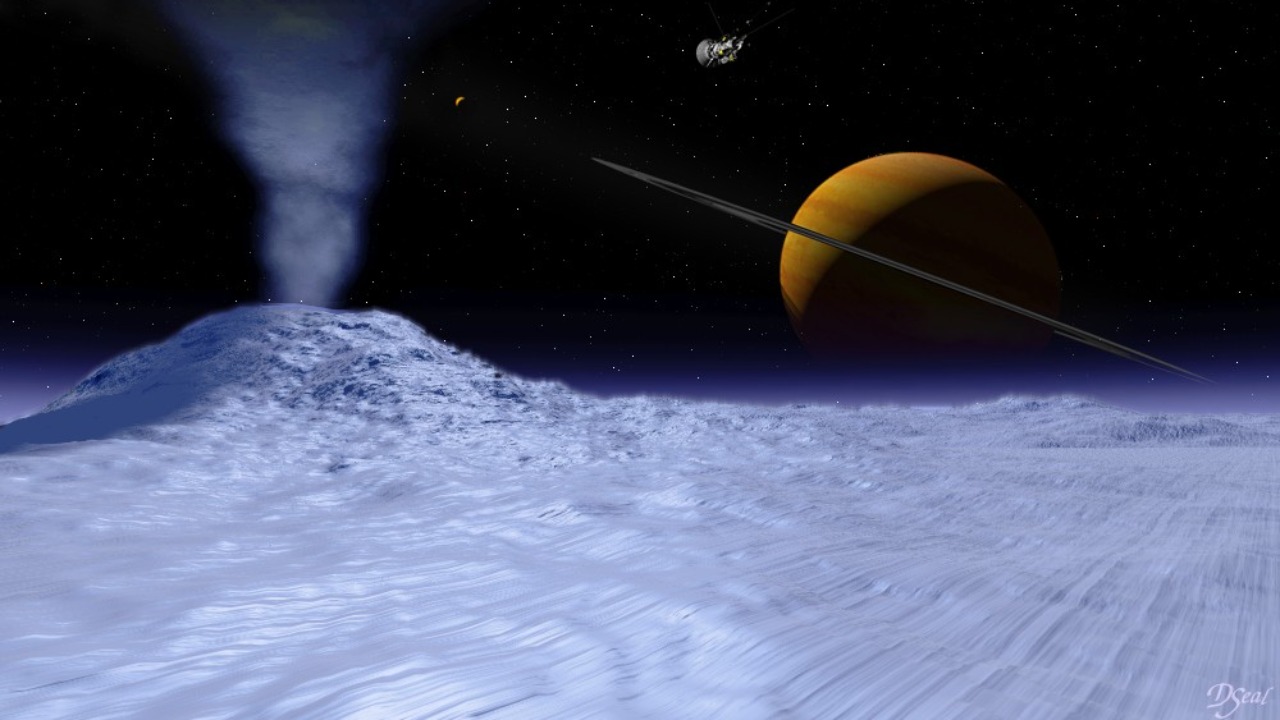
The discoveries on Enceladus have profound implications for the search for extraterrestrial life. As The Guardian reports, the presence of organic life indicators on this moon suggests that we might find extraterrestrial life within our own solar system. This prospect raises important questions about our ability to detect biosignatures remotely and the methods we use to explore distant celestial bodies.
Potential microbial ecosystems on Enceladus could represent a new frontier for astrobiology. The findings reported by Futurism highlight the moon’s potential to host life, making it a key target for future missions. The accessibility of these signs of life, due to the moon’s active plumes, provides a unique opportunity to study extraterrestrial life forms in situ, offering insights that could reshape our understanding of life’s prevalence in the universe.
The potential discovery of life on Enceladus would have profound implications for our understanding of life’s distribution in the universe. It would suggest that life can arise in environments vastly different from Earth, expanding the scope of astrobiological research. This possibility challenges the traditional view that life requires Earth-like conditions, such as a warm climate and sunlight, to thrive. Instead, it supports the idea that life could exist in subsurface oceans, protected from harsh surface conditions by thick ice layers.
Furthermore, the study of Enceladus could provide insights into the origins of life on Earth. By comparing the organic chemistry of Enceladus with that of early Earth, scientists might uncover clues about how life began on our planet. Such comparisons could reveal whether life on Earth is unique or if it shares a common ancestry with potential life forms on Enceladus. This research could ultimately lead to a better understanding of the fundamental processes that lead to the emergence of life in the universe.
Future Missions and Challenges
Despite the promising signs of life on Enceladus, future missions face significant challenges. According to Cosmos Magazine, even a spacecraft impact at 15,000 km/h would not halt signs of life if microbial activity exists, suggesting that Enceladus’ potential life forms are resilient. This resilience underscores the importance of designing missions that can withstand the harsh conditions of space while preserving the integrity of organic evidence.
Upcoming probes aim to sample Enceladus’ ice plumes directly to confirm the presence of life. As noted by UC San Diego, these missions must navigate the moon’s harsh environment while ensuring that potential organic evidence is not contaminated or destroyed. The challenges of exploring Enceladus are significant, but the potential rewards—discovering life beyond Earth—make these efforts a priority for the scientific community.
