Recent advancements in satellite technology have allowed scientists to capture the eerie sounds of Earth’s core in motion, a groundbreaking development in geophysical research. These haunting sounds offer new insights into the dynamic processes occurring beneath Earth’s surface, providing a unique acoustic perspective on our planet’s mysterious inner workings. This innovative approach not only deepens our understanding of Earth’s core but also opens up new avenues for studying seismic activities and magnetic field alterations.
The Science Behind Earth’s Core Sounds
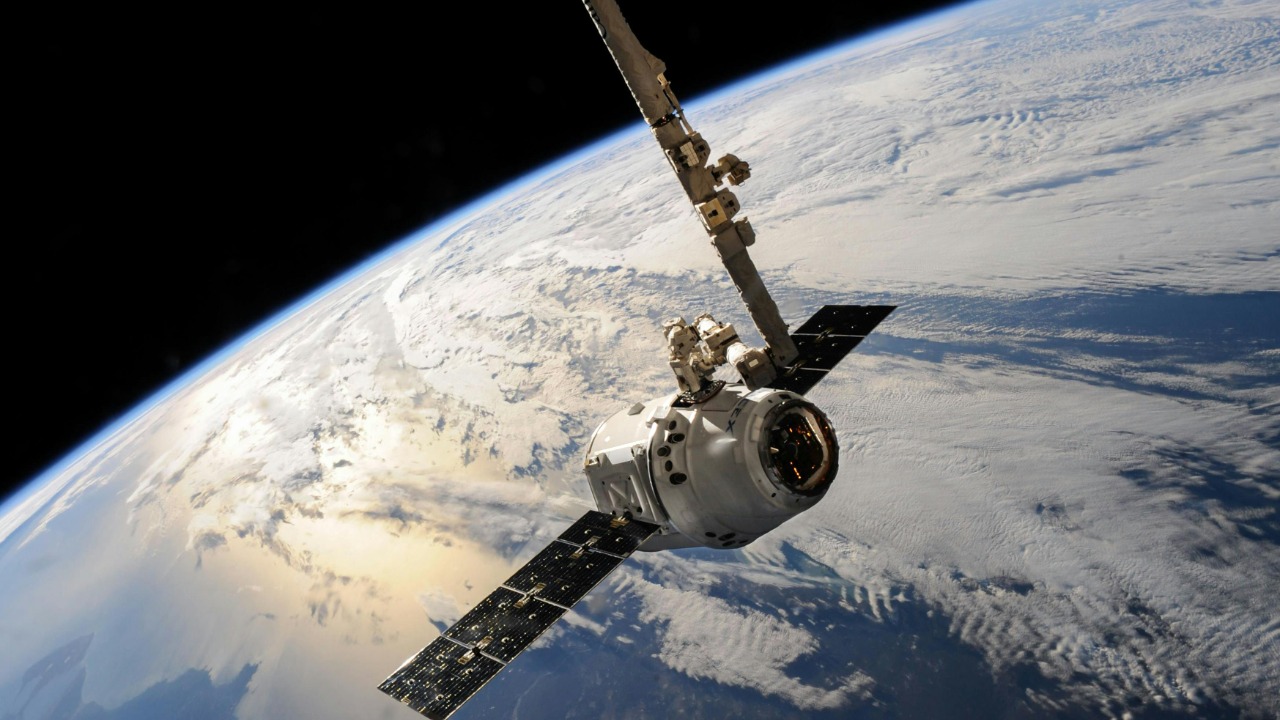
The technology used by satellites to capture the sounds emanating from Earth’s core is a marvel of modern science. According to Daily Galaxy, these satellites are equipped with highly sensitive instruments capable of detecting minute vibrations and acoustic signals from deep within the Earth. This capability allows scientists to monitor the core’s movements and interpret these signals as sounds, offering a novel way to study the planet’s interior.
The significance of these sounds lies in their potential to enhance our understanding of the geophysical processes within the core. By analyzing these acoustic signals, researchers can gain insights into the dynamics of Earth’s inner layers, including the flow of molten iron and the generation of the magnetic field. These sounds are closely related to seismic activities, as they can indicate shifts and movements within the core that might precede earthquakes or volcanic eruptions.
Furthermore, the relationship between these sounds and magnetic field alterations is of particular interest. Changes in the core’s movement can lead to fluctuations in Earth’s magnetic field, which can have far-reaching effects on everything from navigation systems to animal migration patterns. Understanding these connections is crucial for predicting and mitigating the impacts of such changes.
Historical Context and Magnetic Reversals
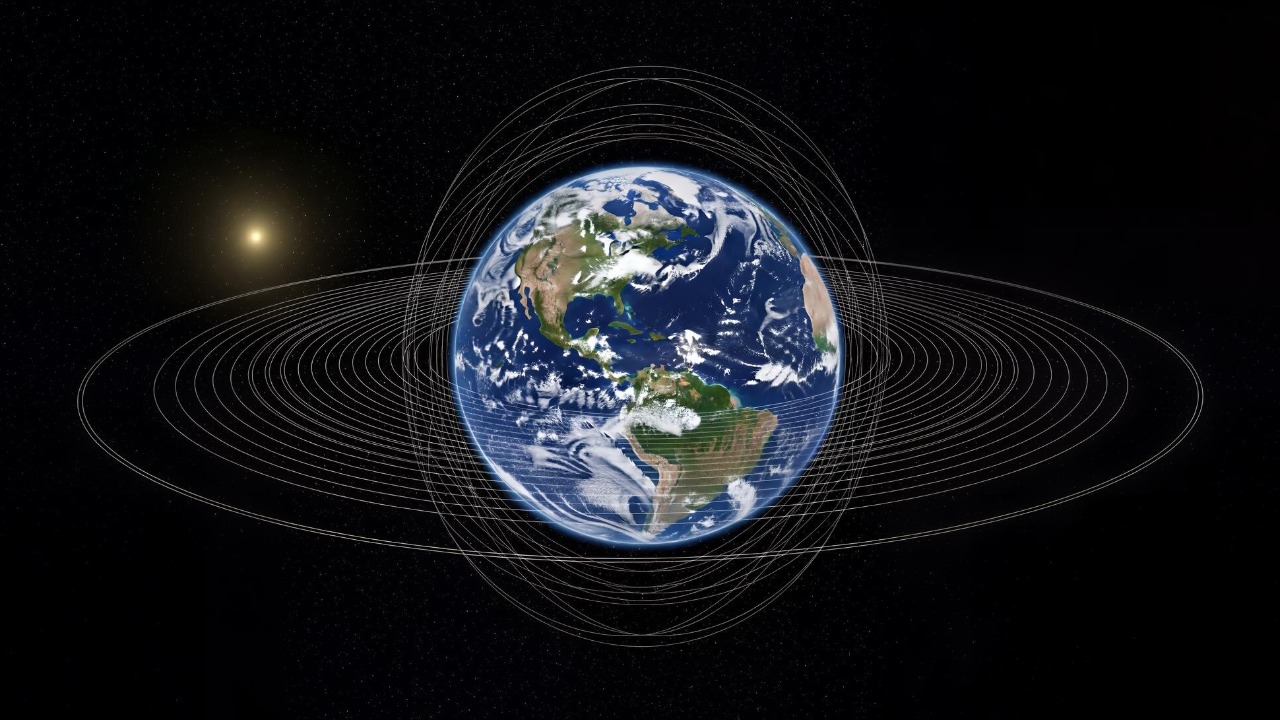
Earth’s ancient magnetic reversal, which occurred 41,000 years ago, provides a fascinating historical context for current research. As reported by SciTechDaily, scientists have recorded echoes from this ancient event, offering valuable data for understanding the dynamics of Earth’s magnetic field. These echoes serve as a reminder of the planet’s ever-changing nature and the potential for future reversals.
The implications of these recorded echoes are significant for current scientific research. By studying the patterns and characteristics of past magnetic reversals, scientists can better predict future changes in the magnetic field. This knowledge is essential for preparing for potential disruptions in technology and communication systems that rely on stable magnetic conditions.
These historical findings also enhance our understanding of Earth’s magnetic field dynamics. By comparing ancient data with current observations, researchers can identify trends and anomalies that may indicate upcoming changes. This information is invaluable for developing models and simulations that can predict future magnetic behavior.
Implications for Future Research
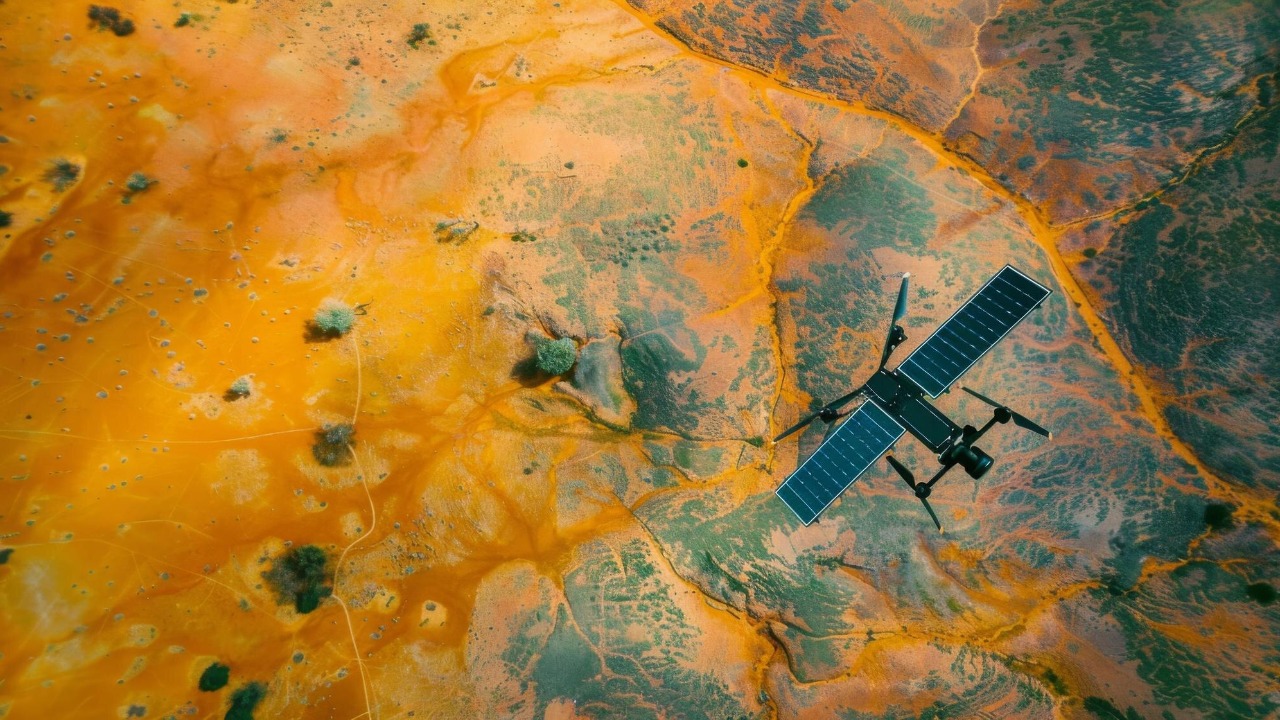
The acoustic findings from Earth’s core have numerous potential applications in predicting geological events. By analyzing the sounds captured by satellites, scientists can identify patterns and anomalies that may indicate impending earthquakes or volcanic eruptions. This predictive capability could revolutionize disaster preparedness and response, potentially saving lives and minimizing damage.
Moreover, this new data might influence future satellite missions and geophysical studies. As researchers continue to refine their understanding of Earth’s core, they may develop more advanced satellites and instruments to capture even more detailed acoustic data. These advancements could lead to breakthroughs in our understanding of the planet’s interior and its impact on surface conditions.
The broader implications for Earth’s climate and environmental changes are also worth considering. Changes in the core’s movement and the resulting magnetic field alterations can affect climate patterns and environmental conditions. By studying these connections, scientists can better understand the complex interactions between Earth’s interior and its surface, leading to more accurate climate models and predictions.
Challenges and Limitations
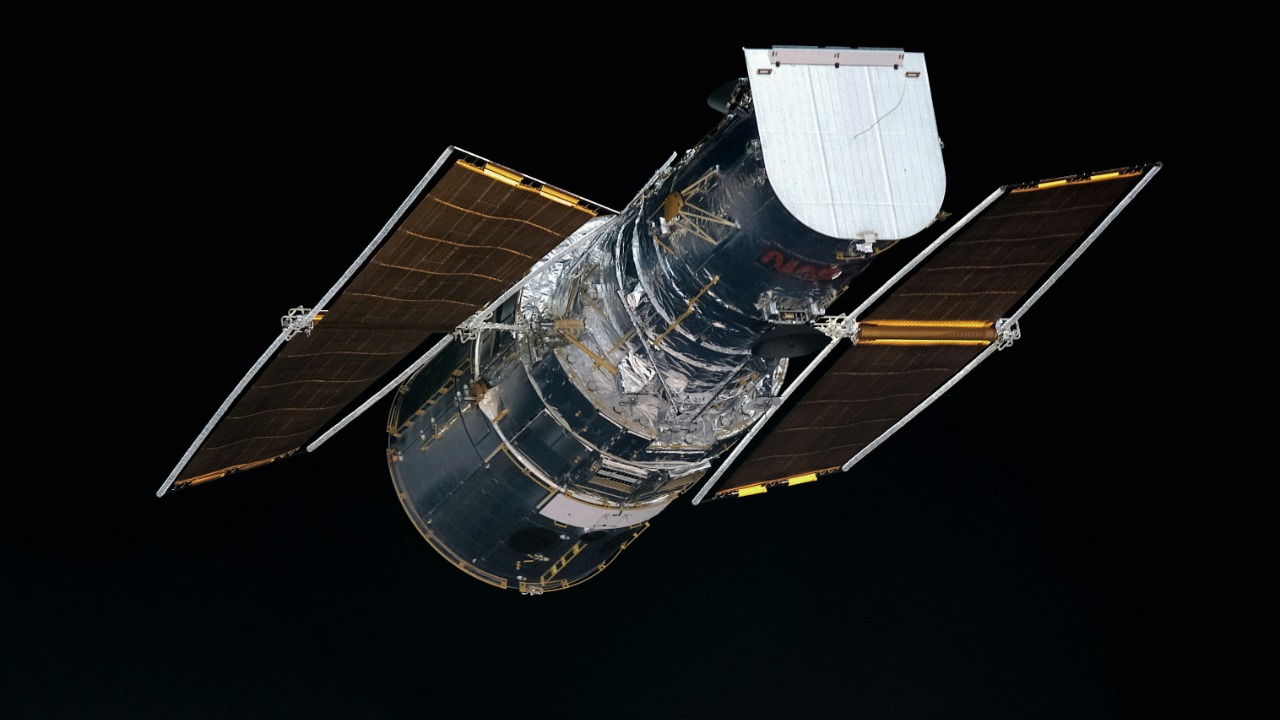
Despite the promising potential of capturing Earth’s core sounds, there are significant technical challenges involved. As noted by Daily Galaxy, the process of capturing and interpreting these sounds is complex and requires highly sensitive equipment. The signals are often faint and can be easily masked by other environmental noises, making it difficult to isolate and analyze them accurately.
Additionally, the limitations of current satellite technology pose challenges in providing comprehensive data. While the existing satellites have made significant strides in capturing core sounds, there is still much room for improvement. Future advancements in satellite technology and data processing techniques will be necessary to enhance the accuracy and scope of core sound detection.
To overcome these challenges, researchers are exploring potential advancements in satellite design and data analysis methods. By developing more sophisticated instruments and algorithms, scientists hope to improve the quality and reliability of the data collected, paving the way for more detailed and accurate studies of Earth’s core.
Public Engagement and Scientific Outreach

Efforts to make these findings accessible to the public are crucial for fostering interest and support for geophysical research. According to SciTechDaily, educational videos and online resources have been developed to share the sounds of Earth’s core with a wider audience. These resources help demystify the science behind the sounds and engage the public in the fascinating study of our planet’s interior.
The role of public interest in driving further research and funding for geophysical studies cannot be overstated. As more people become aware of the importance of understanding Earth’s core, there is likely to be increased support for research initiatives and funding opportunities. This support is essential for advancing the field and ensuring that scientists have the resources they need to continue their work.
Finally, the impact of these sounds on public perception of geoscience and Earth studies is significant. By providing a tangible and relatable way to understand complex scientific concepts, these sounds can inspire curiosity and appreciation for the natural world. This increased awareness and interest can lead to greater public engagement with environmental issues and a deeper understanding of the planet we call home.
