The Russian MiG-31 Foxhound, renowned for its impressive speed of Mach 2.83, has recently been outfitted with hypersonic missiles, signaling a significant strategic message to NATO amidst escalating tensions. This development comes in the wake of a recent encounter in Estonian airspace involving the MiG-31, F-35, and JAS 39 Gripen, underscoring the critical role of advanced aerial capabilities in modern military strategy. The implications of these advancements are profound, as they highlight the evolving dynamics of military power and deterrence in the region.
The Capabilities of the MiG-31 Foxhound
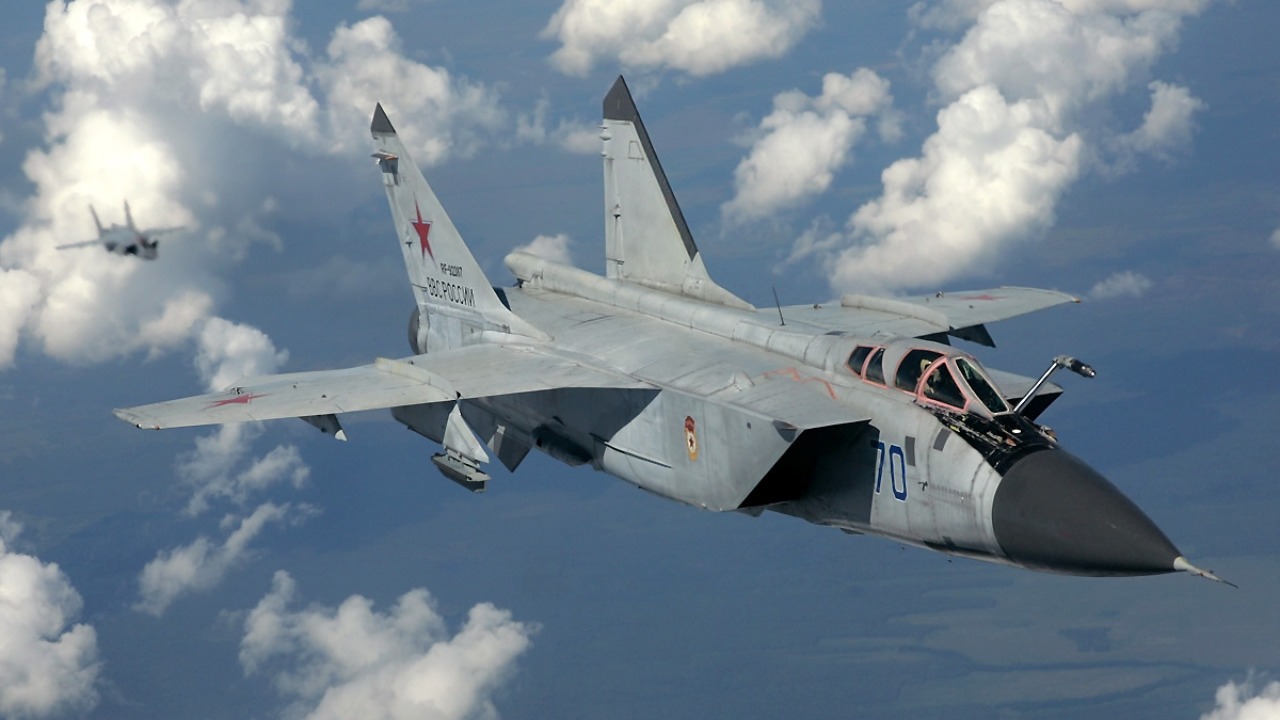
The MiG-31 Foxhound stands out as one of the fastest combat aircraft in the world, capable of reaching speeds of Mach 2.83. This remarkable speed allows it to intercept and engage targets with unprecedented efficiency. The aircraft’s design and engineering enable it to operate effectively at high altitudes and speeds, making it a formidable asset in Russia’s aerial arsenal. The recent addition of hypersonic missiles further enhances its capabilities, providing a significant boost to its strategic value. According to National Security Journal, this upgrade positions the MiG-31 as a critical component in Russia’s military strategy, capable of delivering rapid and precise strikes.
The integration of hypersonic missiles into the MiG-31’s arsenal represents a significant leap in military technology. These missiles, capable of traveling at speeds exceeding Mach 5, offer a level of speed and maneuverability that is difficult to counter. As reported by The National Interest, the hypersonic capability of the MiG-31 not only enhances its offensive potential but also serves as a powerful deterrent against potential adversaries. This development underscores the importance of maintaining technological superiority in modern warfare, where speed and precision are paramount.
Beyond its speed, the MiG-31 is equipped with advanced radar systems capable of tracking multiple targets simultaneously, enhancing its interception capabilities. This radar technology allows the MiG-31 to detect and engage enemy aircraft at long distances, providing a tactical advantage in both offensive and defensive operations. The aircraft’s ability to operate in all weather conditions further solidifies its role as a versatile and reliable component of Russia’s air defense strategy. The integration of hypersonic missiles complements these features by enabling the MiG-31 to strike targets with precision and speed, reducing the time adversaries have to react.
Furthermore, the MiG-31’s airframe is designed to withstand the stresses of high-speed flight, ensuring structural integrity during rapid maneuvers. This durability, combined with its powerful engines, allows the aircraft to maintain high speeds over extended periods, making it an ideal platform for long-range missions. The hypersonic missiles it carries are not only fast but also equipped with advanced guidance systems, increasing their accuracy and effectiveness against both stationary and moving targets. This combination of speed, technology, and firepower makes the MiG-31 a formidable deterrent in any potential conflict scenario.
The Strategic Message to NATO
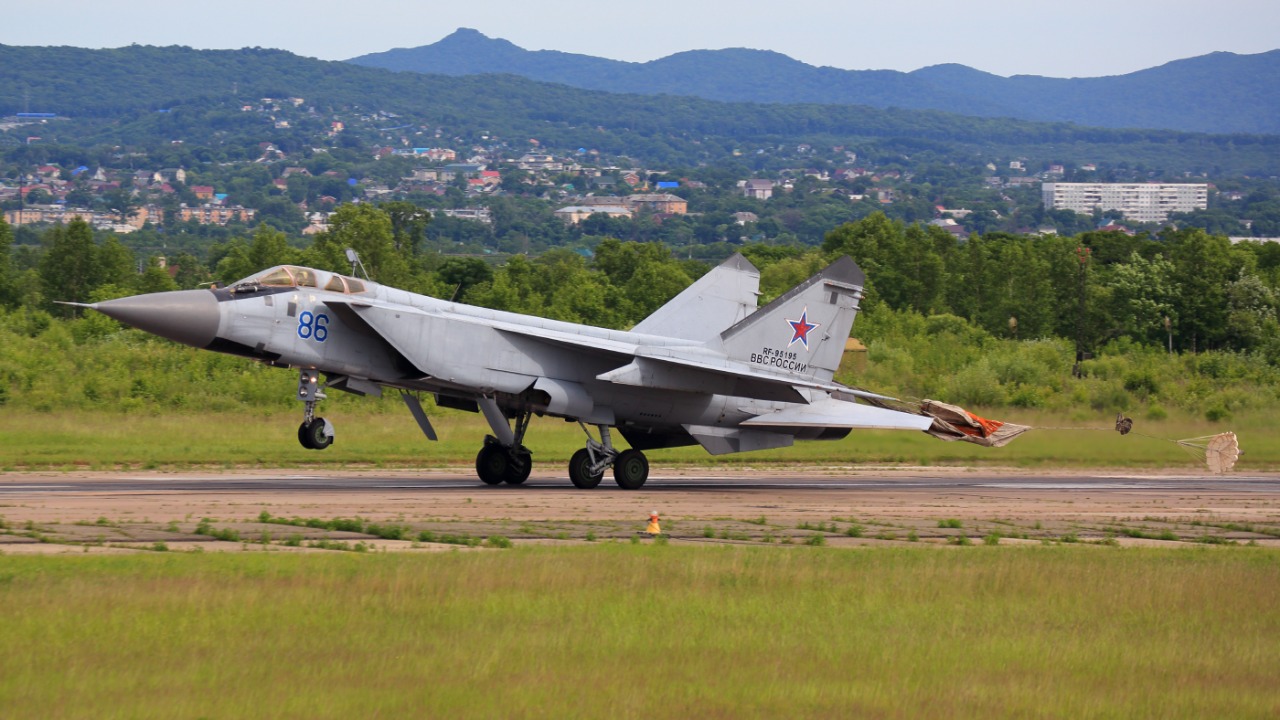
The enhancement of the MiG-31 with hypersonic missiles is a clear strategic message to NATO, reflecting Russia’s commitment to maintaining a robust and technologically advanced military force. This move is seen as a response to NATO’s increasing military presence in Eastern Europe and the Baltic region. The deployment of such advanced weaponry serves as a reminder of Russia’s military capabilities and its willingness to defend its interests. As noted by National Security Journal, the hypersonic upgrade is a strategic maneuver designed to ensure that Russia remains a formidable force in the global military landscape.
The recent faceoff in Estonian airspace further highlights the heightened tensions and strategic posturing between Russia and NATO. This incident, involving the MiG-31, F-35, and JAS 39 Gripen, underscores the ongoing power struggle and the importance of maintaining a state of readiness. The presence of advanced aircraft from both sides in such close proximity is a testament to the delicate balance of power in the region. According to MSN, this encounter serves as a stark reminder of the potential for conflict and the need for diplomatic engagement to prevent escalation.
Russia’s decision to enhance the MiG-31 with hypersonic missiles is also a reflection of its broader military modernization efforts. This move is part of a larger strategy to counterbalance NATO’s technological advancements and military deployments near Russian borders. By showcasing its ability to field cutting-edge weaponry, Russia aims to assert its influence and deter any perceived threats from NATO forces. This strategic posturing is crucial in maintaining a balance of power, particularly in regions where geopolitical tensions are high.
Moreover, the deployment of hypersonic missiles on the MiG-31 serves as a signal of Russia’s commitment to defending its sovereignty and interests. It underscores the nation’s readiness to respond swiftly to any aggression, thereby reinforcing its position on the global stage. The presence of such advanced capabilities within its military arsenal is intended to dissuade adversaries from engaging in actions that could escalate into open conflict. This strategic message is not only directed at NATO but also serves as a reminder to other global powers of Russia’s military prowess and its determination to protect its national security interests.
The Recent Faceoff in Estonian Airspace
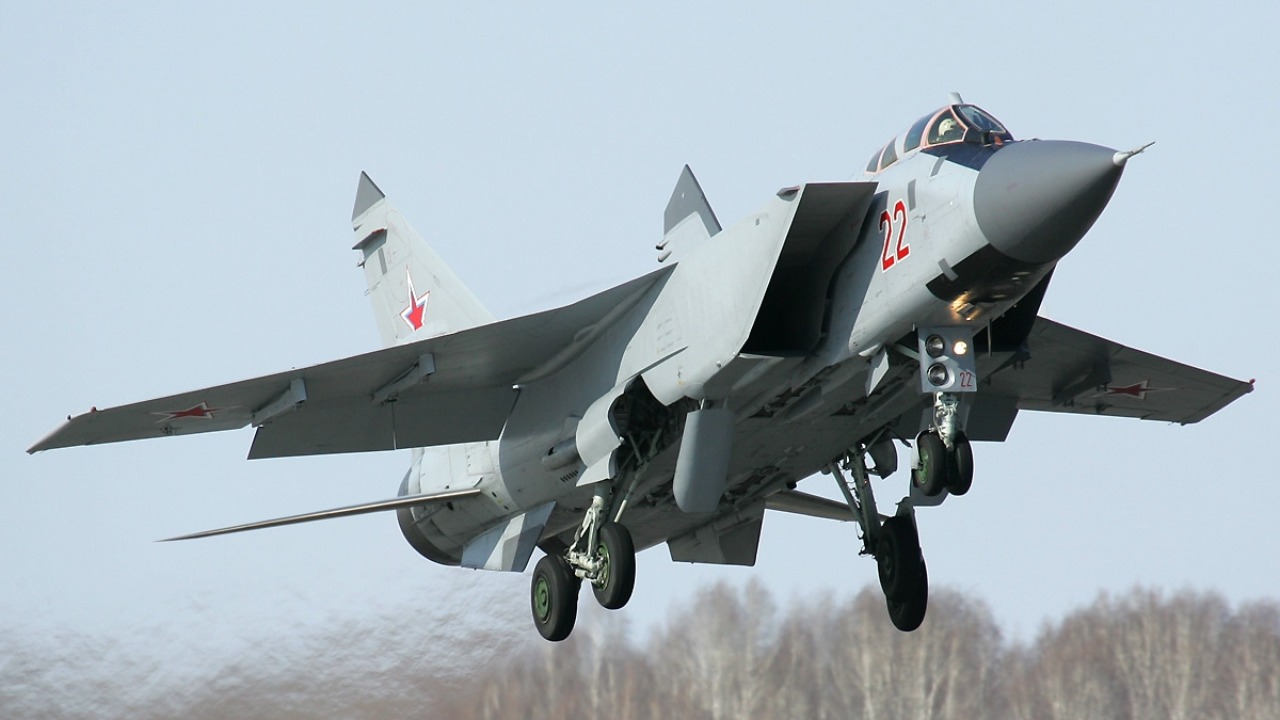
The military confrontation in Estonian airspace, involving the MiG-31, F-35, and JAS 39 Gripen, is a vivid illustration of the ongoing airspace disputes and the military readiness of both Russia and NATO forces. This incident highlights the strategic importance of the Baltic region and the potential for miscalculations to lead to broader conflicts. The presence of these advanced aircraft in such a contested area underscores the high stakes involved and the need for careful navigation of military engagements. As reported by MSN, the encounter serves as a reminder of the complex geopolitical dynamics at play and the importance of maintaining open lines of communication to prevent unintended escalations.
This event also highlights the evolving nature of military engagements, where advanced technology and rapid response capabilities are increasingly critical. The involvement of the MiG-31, with its hypersonic missiles, in such a high-stakes environment underscores the importance of maintaining technological superiority. The ability to deploy such advanced weaponry in contested airspace is a testament to the strategic planning and readiness of the forces involved. This faceoff serves as a stark reminder of the potential for conflict in the region and the need for continued vigilance and preparedness.
