Russia and China have embarked on an ambitious project to construct a nuclear power plant on the Moon, a venture that marks a significant milestone in space exploration and energy innovation. This initiative not only showcases their advancements in nuclear technology but also underscores their strategic interests in establishing a foothold in extraterrestrial territories.
Historical Context and Strategic Implications

The announcement of a joint Russian-Chinese initiative to build a nuclear plant on the Moon is reminiscent of the intense space race during the Cold War. Back then, the United States and the Soviet Union vied for dominance in space, a rivalry that culminated in the Apollo moon landings. Today, the dynamics appear to be shifting, with China and Russia leveraging their combined expertise to push the boundaries of space exploration. This renewed competition is fueled by an understanding that the Moon holds immense strategic value, both as a launch pad for deeper space missions and a potential source of valuable resources like helium-3, a rare isotope that could revolutionize nuclear energy.
The strategic significance of the Moon’s resources cannot be overstated. As global superpowers, Russia and China recognize the potential of lunar exploration to redefine international power dynamics. By establishing a sustainable presence on the Moon, they aim to secure a strategic advantage that could extend their influence beyond Earth’s orbit. As the collaboration between these two nations gains momentum, it raises questions about the future of international space exploration and the potential for new alliances or rivalries to emerge. The geopolitical landscape is shifting, and the implications of this development are profound.
Technological Feasibility and Challenges
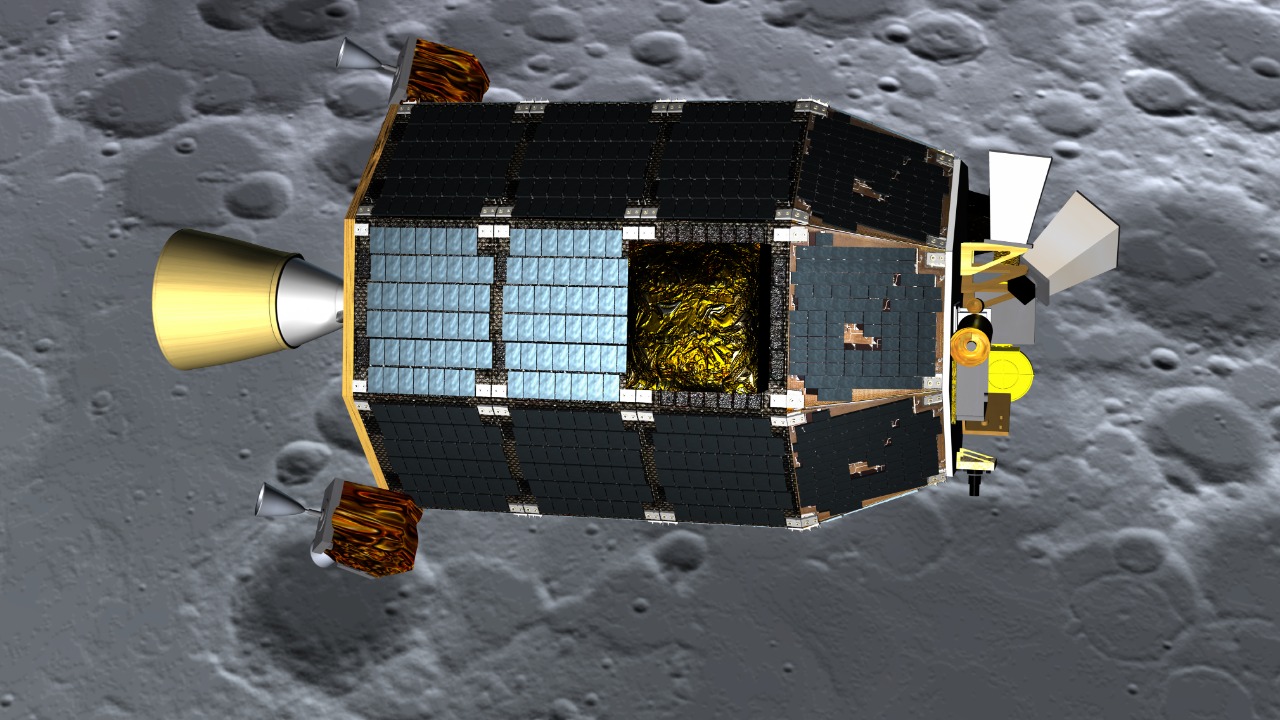
Building a nuclear power plant on the Moon is an engineering marvel that requires cutting-edge technology and innovative solutions. The project involves the design and deployment of modular reactors that can be transported and assembled on the lunar surface. These reactors must be robust enough to withstand the harsh conditions of space, including extreme temperatures, radiation, and micrometeorite impacts. Advances in nuclear technology, such as the development of compact and efficient reactors, have made this ambitious venture feasible. The collaboration between Russia and China is set to push the boundaries of what is technologically possible in space exploration.
However, the challenges posed by the lunar environment are formidable. The Moon’s lack of atmosphere and its exposure to cosmic radiation present significant hurdles that must be overcome. Additionally, the logistical complexities of transporting materials and equipment from Earth to the Moon add another layer of difficulty. Ensuring the safety of nuclear technology in such a remote and hostile environment is paramount. The project will require rigorous testing and validation to mitigate risks and ensure the long-term viability of the lunar power plant. Addressing these challenges is crucial to the success of this groundbreaking initiative.
Potential Benefits and Risks
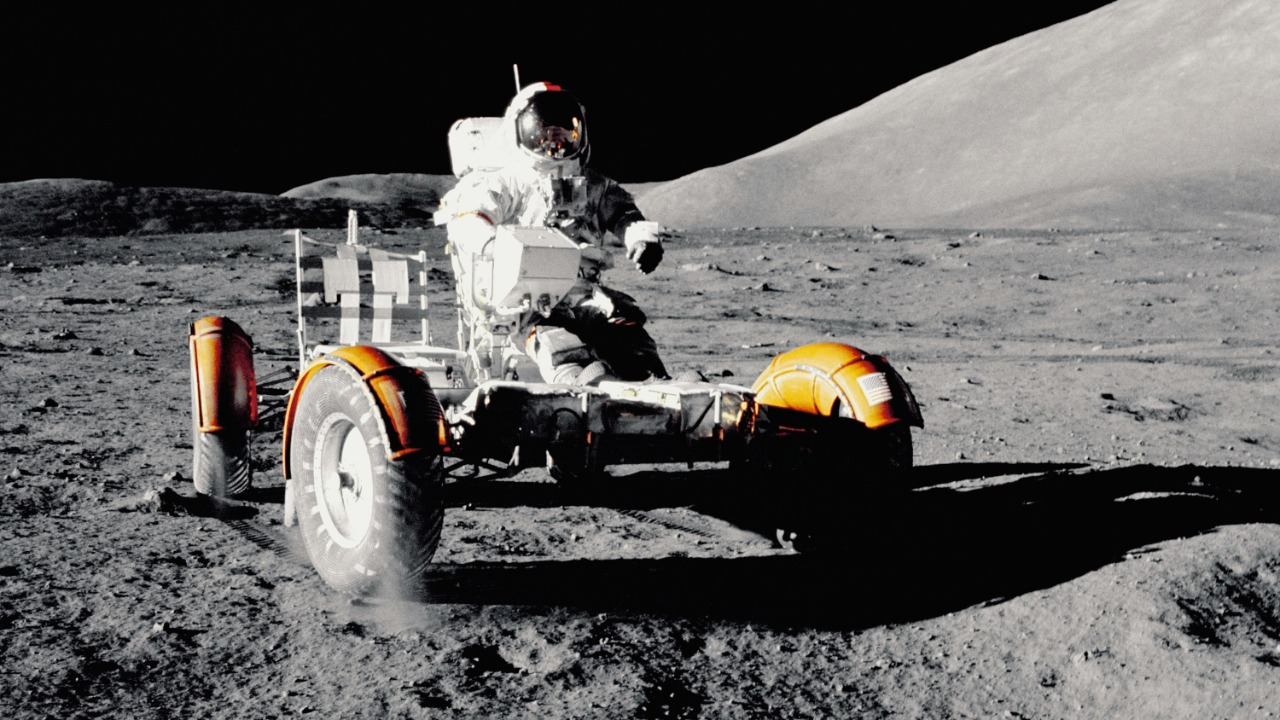
The potential benefits of a nuclear power plant on the Moon are manifold. It could provide a reliable source of energy to support long-term human habitation and exploration, reducing dependence on Earth-based resources. Energy independence is a key factor in enabling sustained lunar missions and could pave the way for future endeavors, such as the colonization of Mars. The establishment of a lunar nuclear plant also presents significant opportunities for scientific advancements. The research and development of nuclear and space technology could lead to breakthroughs with far-reaching implications for both space exploration and terrestrial applications.
However, the project is not without its risks. The introduction of nuclear technology to the lunar environment raises environmental and ethical considerations. There is a need to carefully assess the potential impact on the lunar ecosystem, as well as the broader ethical dimensions of utilizing extraterrestrial resources. The prospect of nuclear energy on the Moon also necessitates the development of robust safety protocols to prevent accidents and mitigate any potential fallout. Balancing the benefits and risks of this ambitious endeavor will be critical to its success and acceptance on the international stage.
International Reactions and Collaborations
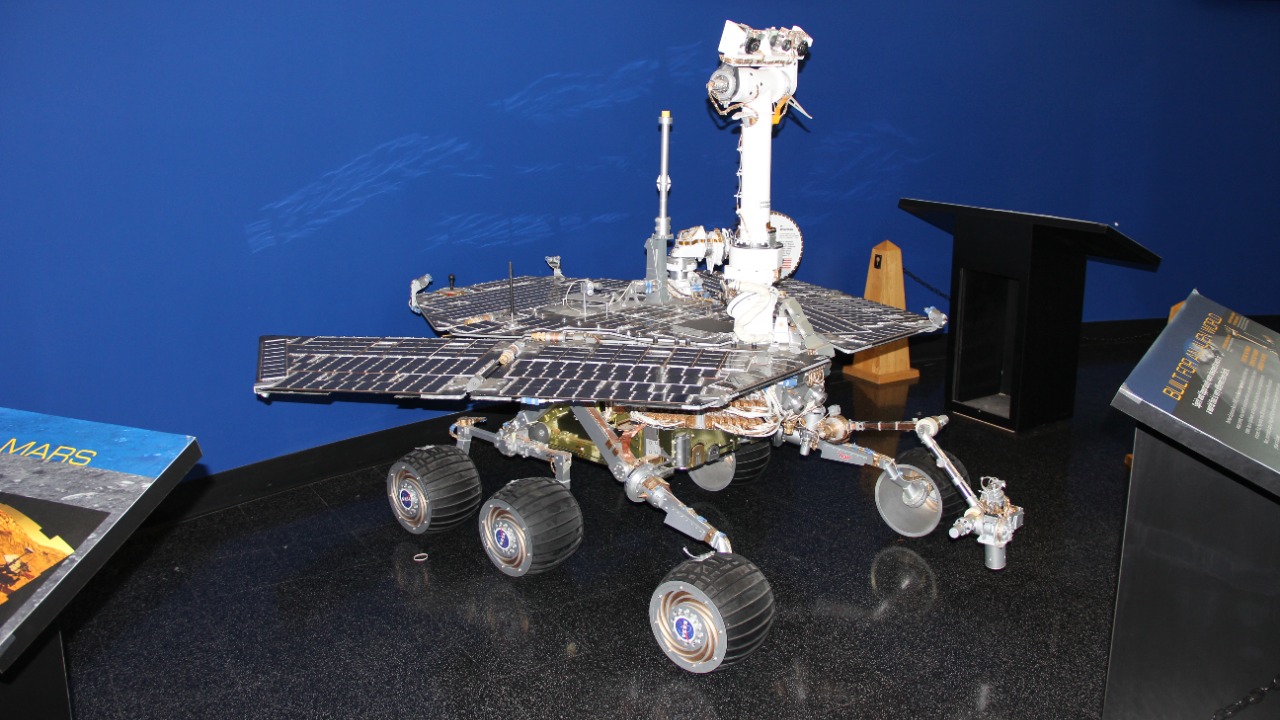
The announcement of a Russian-Chinese lunar nuclear project has elicited varied reactions from the international community. The United States, a key player in space exploration, views this development with a mix of concern and opportunity. On one hand, it underscores the need for the U.S. to accelerate its own lunar initiatives to maintain its leadership position in space. On the other hand, there is potential for collaboration that could benefit all parties involved. Other major spacefaring nations are also closely monitoring the situation, weighing the implications for their own space programs and international partnerships.
The role of international space law in shaping the development of lunar nuclear projects is crucial. Treaties and agreements, such as the Outer Space Treaty, provide a framework for the peaceful use of outer space and could influence the trajectory of this endeavor. The potential for international cooperation in lunar exploration and energy development is significant. By fostering collaboration, nations can pool resources and expertise to overcome common challenges and advance shared objectives. The prospects for cooperation will depend on the ability of countries to navigate the complex geopolitical landscape and find common ground in pursuit of mutual goals.
Future Prospects and Long-term Vision
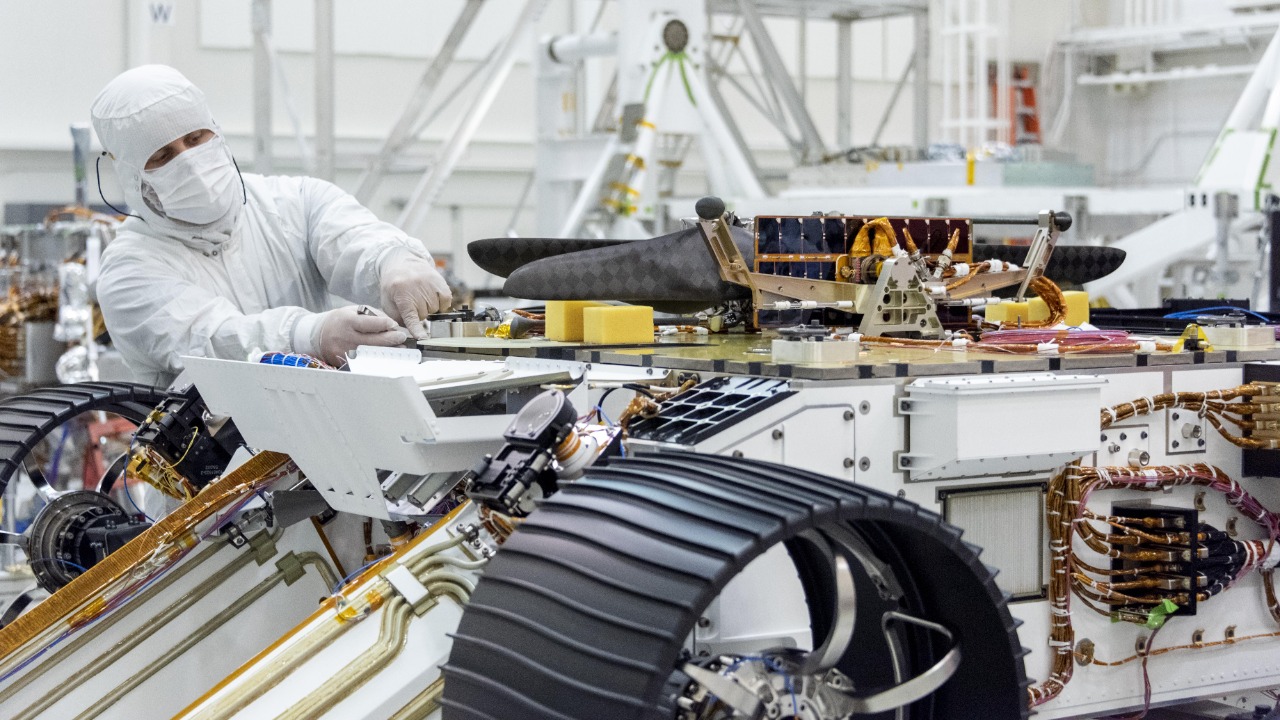
The road ahead for the Russian-Chinese lunar nuclear project is both challenging and exciting. The timeline for completion will involve a series of milestones, including the successful deployment of key technologies and the establishment of a sustainable power supply on the Moon. These achievements will serve as a foundation for future missions and could act as a stepping stone to Mars. The development of lunar nuclear power has the potential to facilitate missions to Mars and beyond, by providing a reliable energy source for deep space exploration.
Ultimately, the broader implications of space colonization and energy utilization extend far beyond the immediate goals of the lunar nuclear project. The vision for humanity’s future in space is one of expansion and innovation, driven by the pursuit of knowledge and the desire to explore the unknown. As nations work together to harness the potential of extraterrestrial resources, they pave the way for a new era of discovery and development. The challenges are immense, but the opportunities are boundless. By embracing this vision, humanity can unlock the mysteries of the cosmos and secure a sustainable future for generations to come.
