The ancient Romans were revered for their architectural prowess, and their aqueducts remain a testament to their engineering acumen. As we face modern-day challenges of water scarcity in drought-stricken regions, we can turn to these ancient water transport systems for inspiration and solutions.
Understanding Roman Aqueducts
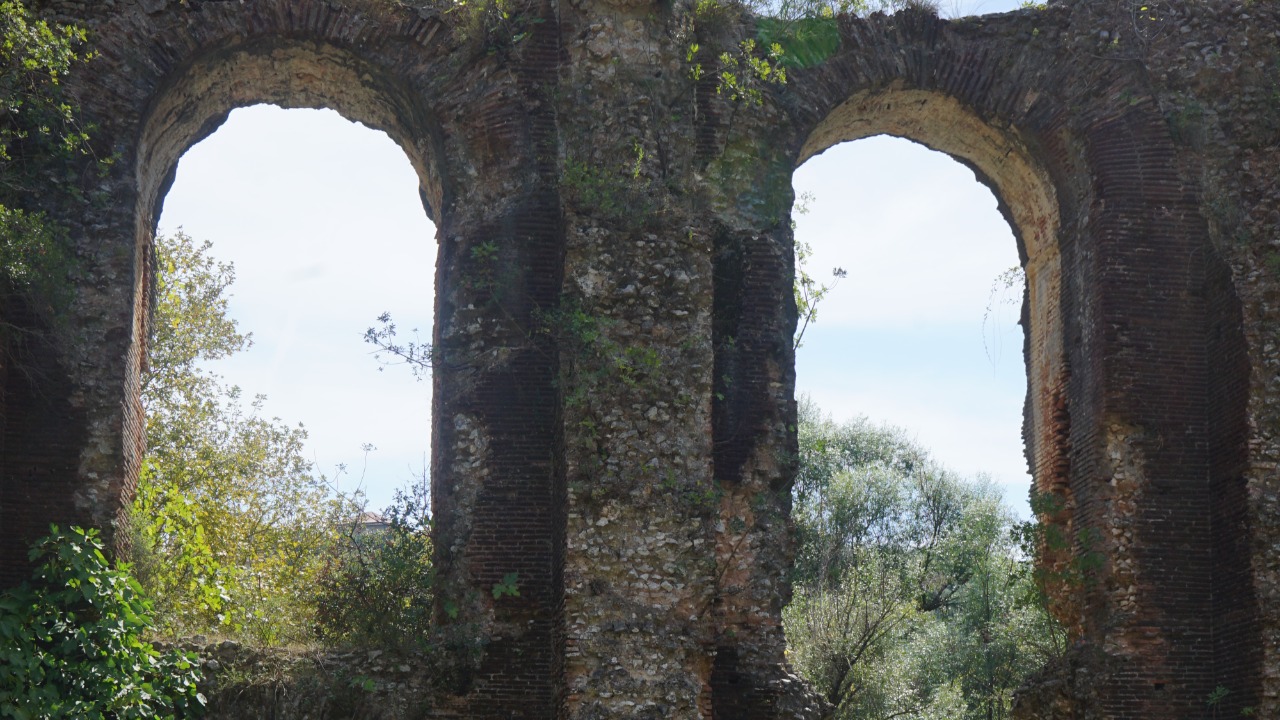
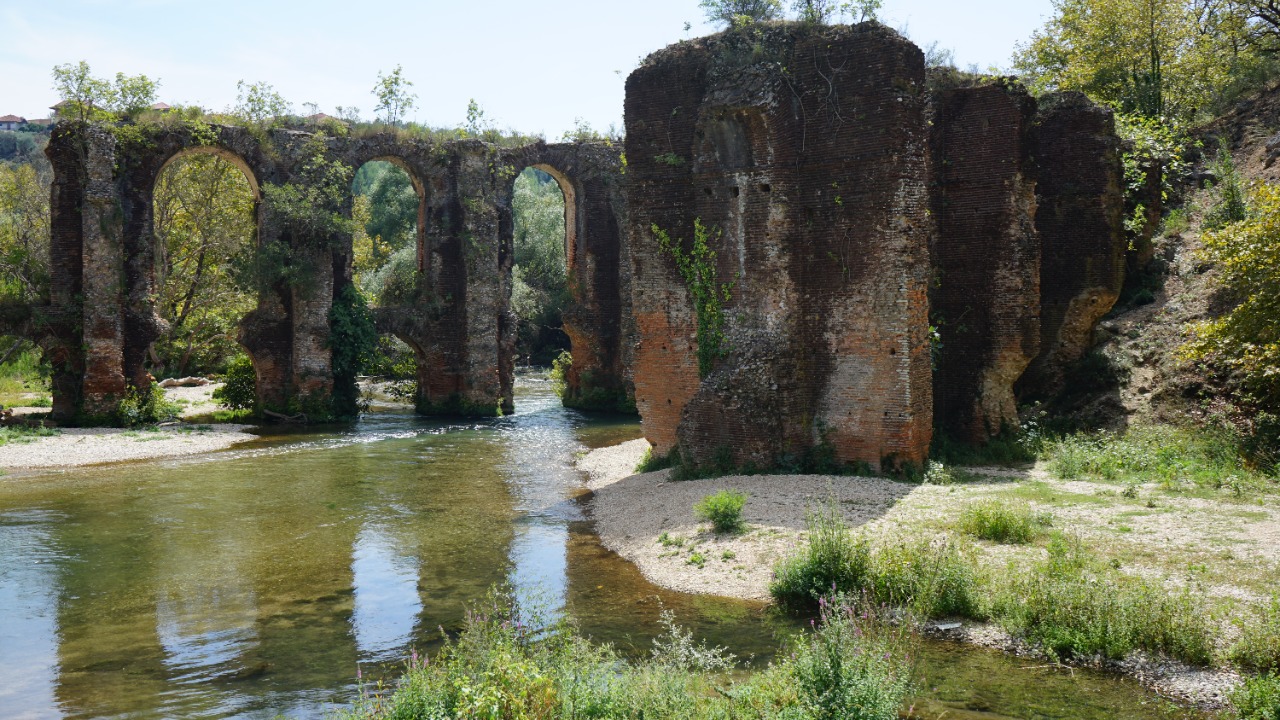
The Roman aqueducts were not just marvels of engineering; they were lifelines that supported the growth and prosperity of Rome. Built with precise calculations, these structures carried water from sources, often tens of kilometers away, to the city’s public baths, fountains, and even private homes. The gravity-driven system was a testament to the Romans’ understanding of hydraulics and their ability to manipulate the landscape to their advantage.
These grand structures have influenced modern water infrastructure significantly. Many cities around the world still use gravity-based water transport systems, a concept borrowed from the Romans. The aqueducts’ ability to transport large volumes of water over long distances without the need for pumping stations remains an engineering feat that continues to inspire today’s water management strategies.
Modern Drought Challenges
Today, the world is grappling with severe drought conditions. Regions such as the Western United States, Australia, and parts of Africa are suffering from long-term water scarcity. Climate change exacerbates these conditions, leading to more frequent and intense droughts. Additionally, increasing population and industrial demand put further pressure on the already strained water resources.
Water infrastructure plays a crucial role in managing these challenges. Well-designed and maintained systems can help conserve water, distribute it more efficiently, and mitigate the impacts of drought. However, many existing infrastructures are outdated and inefficient, leading to significant water loss. This is where the principles of Roman aqueducts can be applied to create more effective drought management strategies.
Roman Aqueducts as a Drought Solution
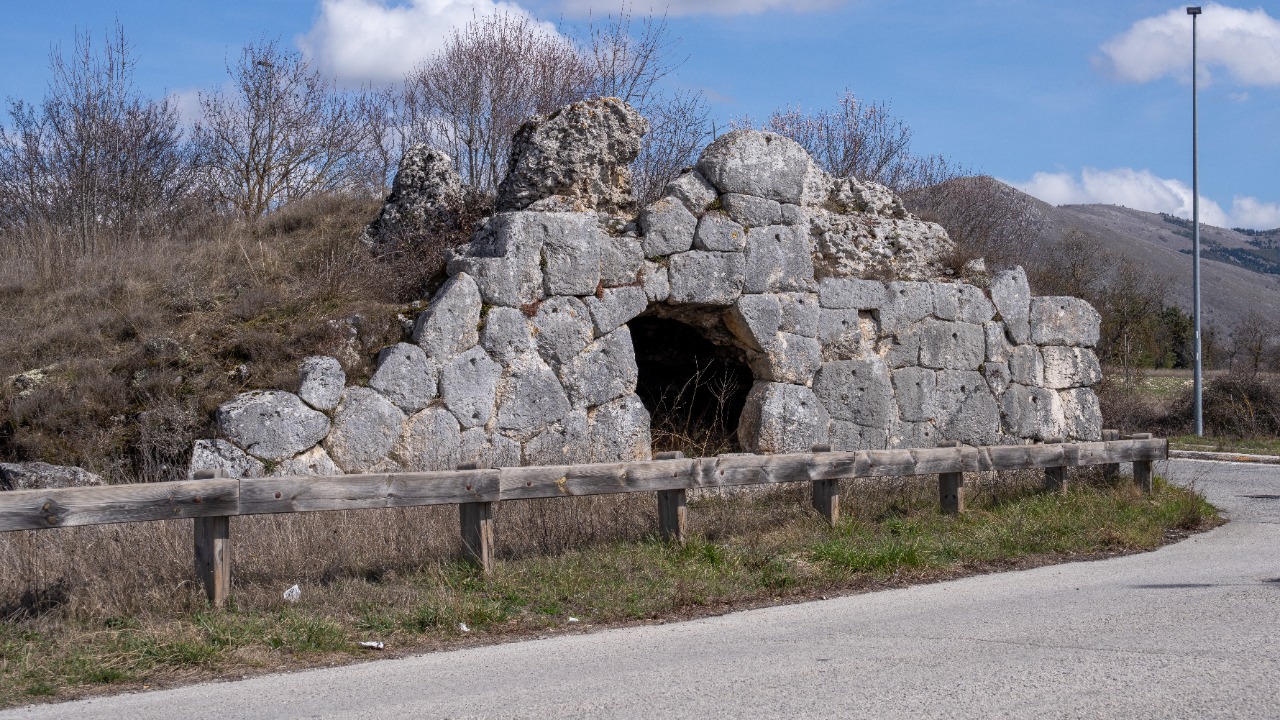
In Athens, the revival of Hadrian’s aqueduct has become a beacon of hope amidst severe drought conditions. This ancient aqueduct, built around 2,000 years ago, has been restored to transport water from springs in the mountains to the city. Its success highlights the potential of Roman aqueducts as a solution to modern drought challenges.
The design of Roman aqueducts, which relies on gravity rather than energy-consuming pumps, can significantly aid water conservation efforts. However, implementing such systems is not without challenges. Factors such as land ownership, environmental impacts, and the cost of construction and maintenance need to be considered. Despite these hurdles, the benefits of Roman-inspired aqueduct systems in terms of sustainability and efficiency make them a compelling solution for water management in drought-affected regions.
Emerging Drought Management Solutions Inspired by Roman Aqueducts
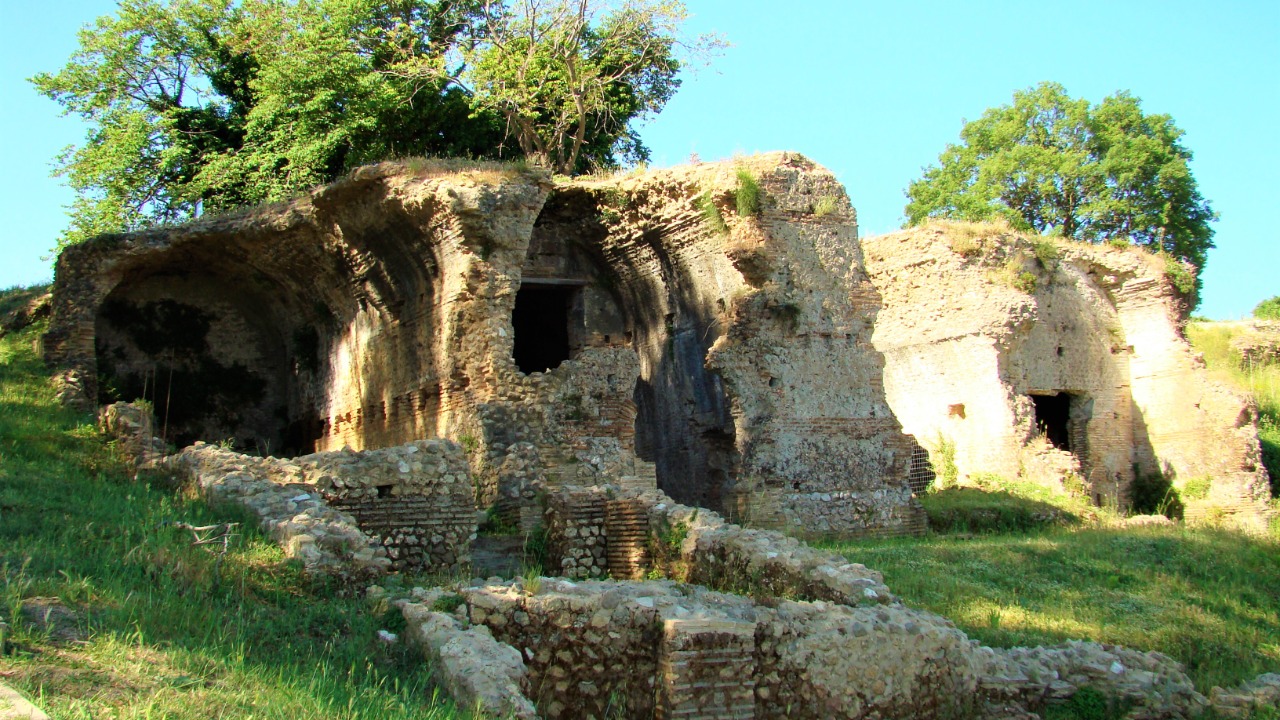
Several innovative projects worldwide are replicating the principles of Roman aqueducts to address water scarcity. For instance, in the arid regions of Jordan, an initiative has been launched to construct an underground network of water channels, similar to Roman aqueducts, to capture and store rainwater. This project has shown promising results in improving local water availability and reducing dependence on groundwater.
These projects’ effectiveness in managing drought conditions has opened up possibilities for scalability. By adopting the principles of Roman aqueducts, water-strapped regions can develop their own localized solutions to address water scarcity. While these solutions may not entirely solve the global water crisis, they can certainly contribute significantly to mitigating its impacts.
Implications for Future Drought Management
The use of ancient technologies in modern water management strategies might seem paradoxical, but the efficiency, durability, and sustainability of Roman aqueducts make them an indispensable resource. By integrating these principles into modern infrastructure, we can enhance water conservation efforts and make our systems more resilient.
Looking forward, these solutions hold tremendous potential in addressing global water scarcity. They offer a sustainable and efficient way to manage water resources, reducing our reliance on energy-intensive systems and minimizing environmental impacts. As the world grapples with the escalating challenges of climate change and water scarcity, the wisdom of the ancient Romans may well hold the key to our future survival.
