The rapid evolution of technology has given rise to a new kind of threat: rogue apps that exploit microphone access to eavesdrop without authorization. These pose a substantial risk to our privacy and security. Let’s delve into the world of these rogue apps, understand how they function, the implications of their intrusive behavior, and how we can protect ourselves.
Understanding Rogue Apps
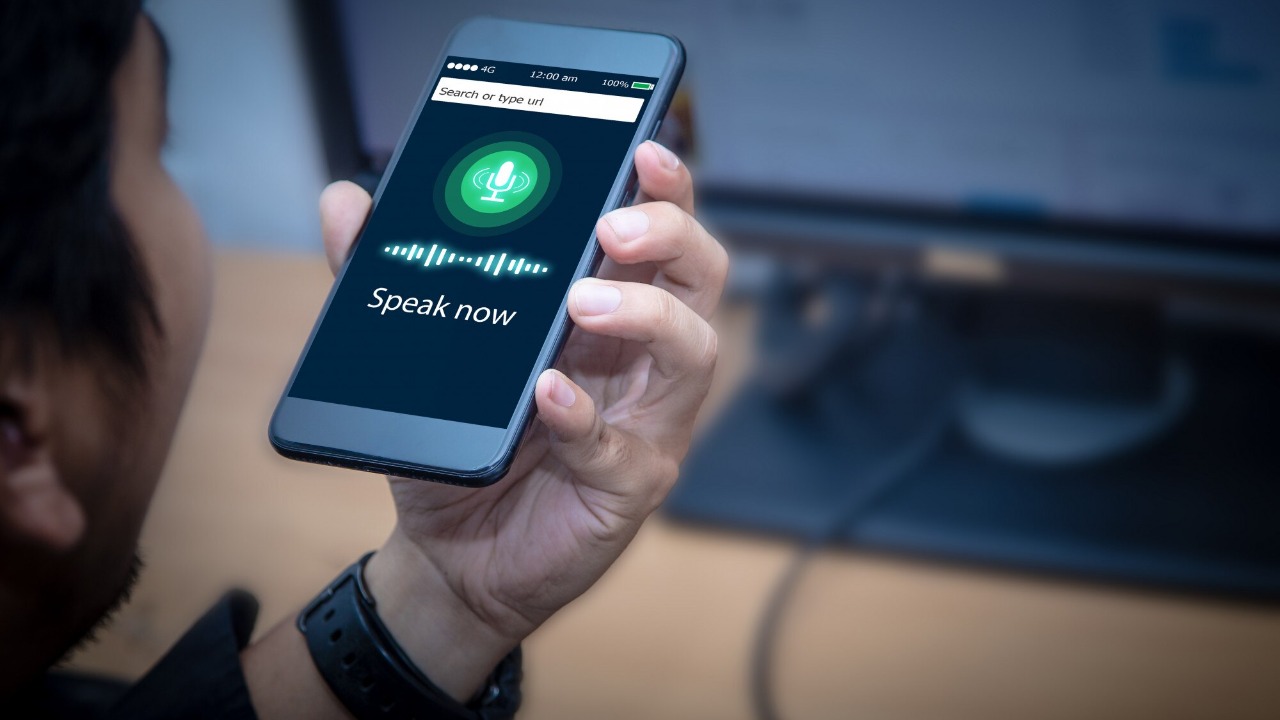
Rogue apps, as the name suggests, are applications that behave in a manner that’s potentially harmful to the user. These apps often masquerade as legitimate, useful tools, but in reality, they’re designed to steal information or exploit system vulnerabilities. Examples could include a seemingly harmless flashlight app that collects your location data, or a game that listens in on your conversations via microphone access. A study by Outseer has highlighted the rise and prevalence of such apps in today’s digital landscape.
The digital marketplace’s vastness makes it a fertile ground for these rogue apps. They often slip through the cracks of app store vetting processes and end up on our devices. The ubiquity and convenience of smartphones, combined with users’ often cavalier attitudes towards app permissions, have made rogue apps a pressing issue in the current digital age.
How Rogue Apps Exploit Microphone Access

Rogue apps employ various tactics to gain unauthorized access to your device’s microphone. One common method is to request seemingly innocuous permissions upon installation, which users often grant without much thought. Once these permissions are granted, the rogue app can potentially start eavesdropping. The role of permissions in exploiting microphone access cannot be overstated. As highlighted by MacObserver, even unknown apps can access your microphone if the necessary permissions are granted.
Some rogue apps can also exploit system vulnerabilities or use advanced techniques like rootkits to gain microphone access. These methods may not even require user permissions, making them even more dangerous. Therefore, it’s important to keep your device’s operating system and apps up-to-date to minimize such risks.
Implications of Unauthorized Eavesdropping

Unauthorized eavesdropping via rogue apps can have severe implications. It’s not just about the creepy notion of being listened to; it’s about the potential misuse of the information obtained. This could range from targeted advertising based on your conversations to more sinister outcomes like identity theft or corporate espionage.
Real-life instances of eavesdropping leading to breaches of privacy or security are numerous. Proofpoint provides numerous examples of such breaches, highlighting the potential harm of unauthorized eavesdropping. The severity and range of these breaches underscore the importance of vigilance in granting app permissions and keeping our digital devices secure.
Preventing Unauthorized Access by Rogue Apps
Preventing rogue apps from gaining microphone access begins with identifying potentially harmful apps. Regularly review your installed apps, especially those from lesser-known developers or with questionable permissions. A thorough guide on identifying rogue apps on various platforms is available at UCF Digital Commons.
Once identified, uninstall these rogue apps immediately. Also, avoid downloading apps from third-party app stores, as they’re more likely to host malicious apps. Regularly updating your device’s operating system and installed apps can also help patch potential vulnerabilities that rogue apps might exploit.
Understanding Permissions and Safeguarding Personal Data
Understanding app permissions is crucial to maintaining your digital privacy. Not all apps need access to all your data or device features. For instance, a weather app doesn’t need access to your contacts, and a calculator doesn’t need access to your microphone. Be mindful of the permissions you grant and question if an app truly requires the access it’s requesting.
Protecting your personal data also involves practicing good digital hygiene. This includes not sharing sensitive information over unsecured networks, regularly changing passwords, and using two-factor authentication whenever possible. More tips on safeguarding personal data can be found at FBI Support.
In conclusion, the threat of rogue apps exploiting microphone access for unauthorized eavesdropping is real and growing. However, by understanding how these apps operate and taking proactive measures to safeguard our devices and personal data, we can effectively mitigate this threat and protect our digital privacy and security.
