The world of medicine has seen a fascinating leap forward with the advent of robotic surgeons, now performing heart surgeries at an impressive 99% success rate. This revolutionary development encompasses a vast range of benefits and potential for the future of robot-assisted surgery.
Understanding Robotic Surgery
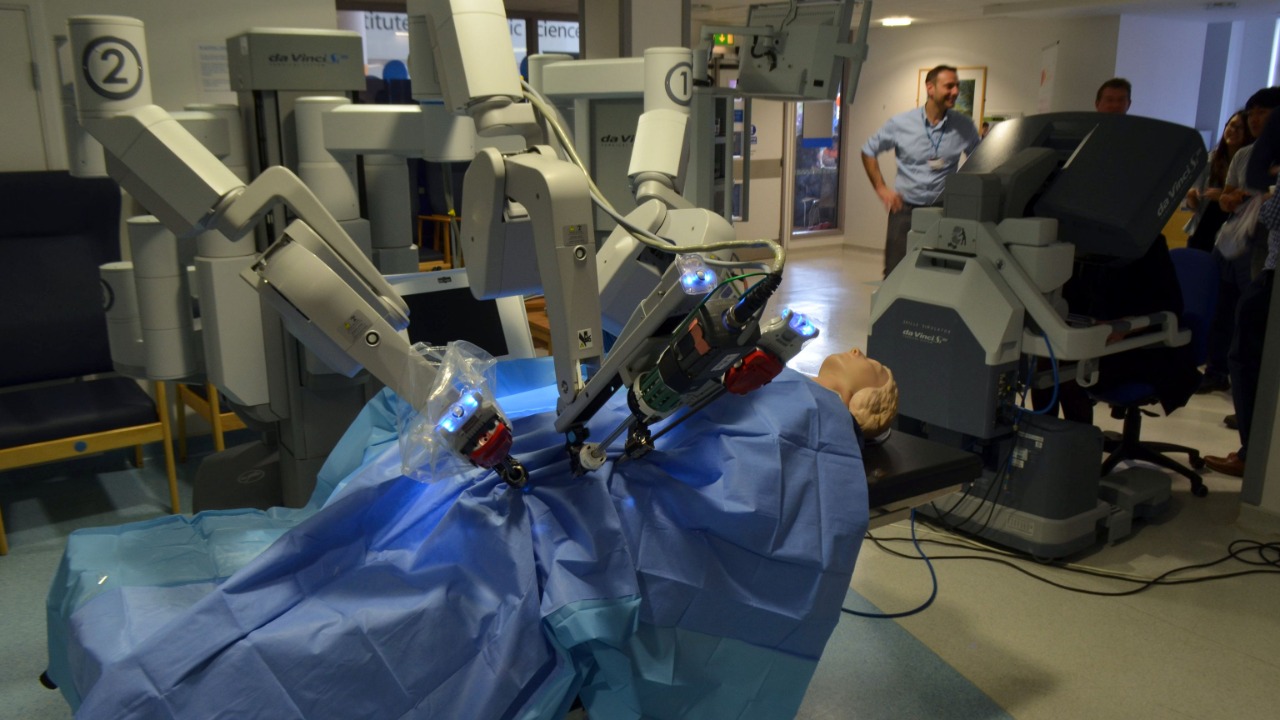
Robot-assisted surgery has been steadily gaining prominence in the medical field. It’s an evolution that has been driven by the need for precision, efficiency, and improved patient outcomes. These robotic systems, such as the renowned da Vinci Surgical System, have been designed to aid surgeons in performing complex procedures with enhanced capabilities.
In the context of heart surgeries, robotic surgery operates through a console controlled by the surgeon. The robotic arms mimic the surgeon’s movements, allowing for precise incisions and suturing. The system also provides a 3D high-definition view of the patient’s anatomical structure, allowing the surgeon to operate with superior vision, precision, and control.
Performance of Robotic Surgeons in Heart Surgery
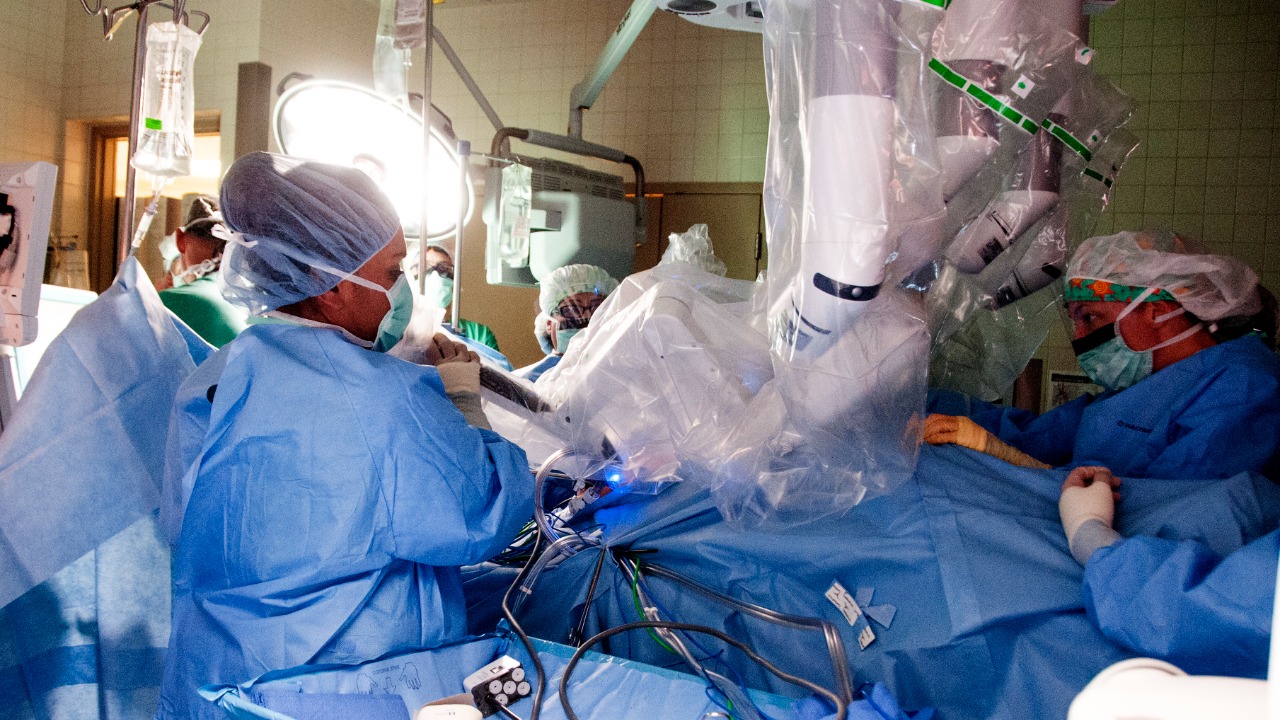
Robotic surgeons have demonstrated a remarkable 99% success rate in heart surgeries. This high success rate is attributed to the precision and control offered by these advanced systems. Moreover, the 3D imaging provides a clear view of the heart, enabling accurate identification of the areas requiring intervention.
Comparative studies, such as one published in The Journal of Thoracic and Cardiovascular Surgery, have shown that robotic surgery outperforms traditional open-heart surgery in terms of patient recovery time and post-operative complications. The enhanced precision of robotic surgeons reduces the risk of human error and leads to improved patient outcomes.
The Role of Robotic Surgery in Mitral Valve Repair

Mitral valve repair is a critical procedure in maintaining heart health. It involves the repair of the mitral valve, which controls the flow of blood between the chambers of the heart. Any dysfunction of this valve can lead to serious heart conditions.
Robotic surgical systems have shown great promise in mitral valve repair. Mayo Clinic and Cleveland Clinic, two leading names in cardiology, have reported successful use of robotic surgery in mitral valve repair. The precision and control offered by these systems result in less invasive procedures, reducing recovery time and increasing the procedure’s success rate.
Benefits of Robotic Surgery in Heart Procedures
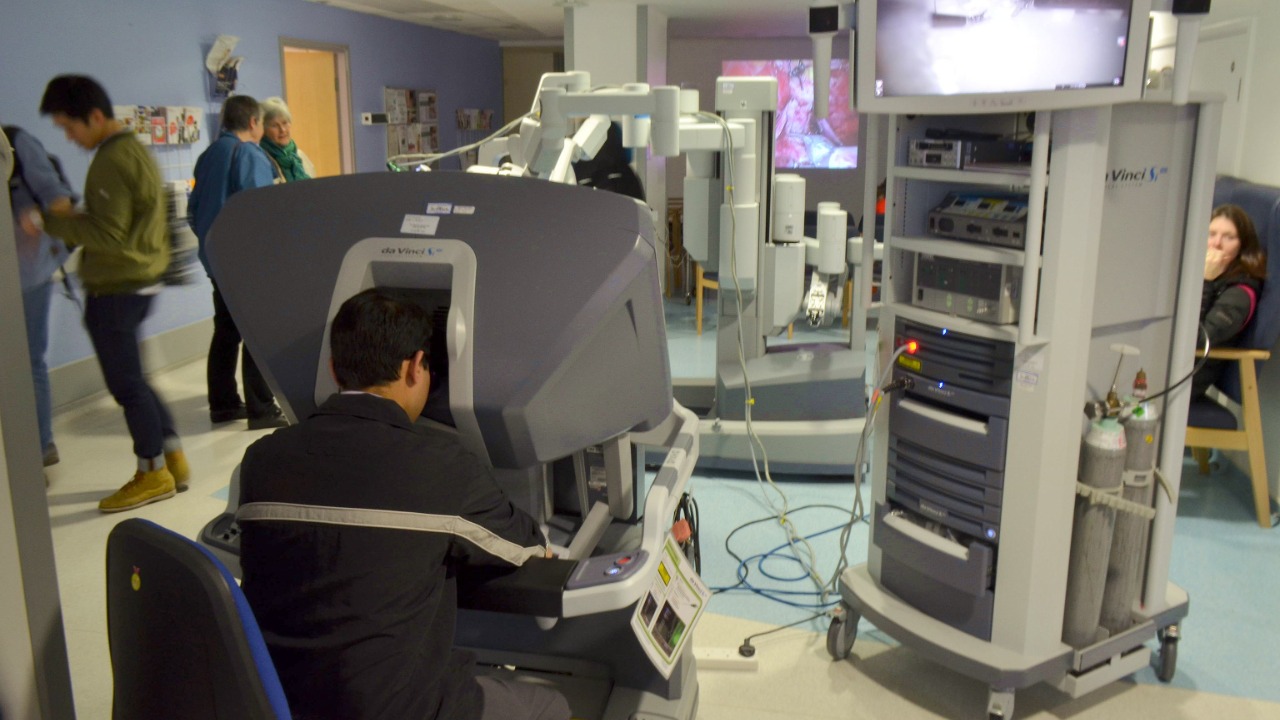
There are numerous benefits of robotic surgery over traditional methods in heart procedures. The precision and control of the robotic systems result in smaller incisions, leading to reduced risk of infection, less blood loss, and faster recovery times. Patients also report less post-operative pain compared to traditional open-heart surgery.
Real-world patient experiences and testimonials further reinforce the benefits of robotic heart surgery. For instance, a patient story highlighted by Cedars-Sinai revealed a significant improvement in quality of life post-robotic heart surgery. These testimonials underline the transformative potential of robotic surgeons in the realm of cardiology.
The Future of Robotic Surgery in Cardiology
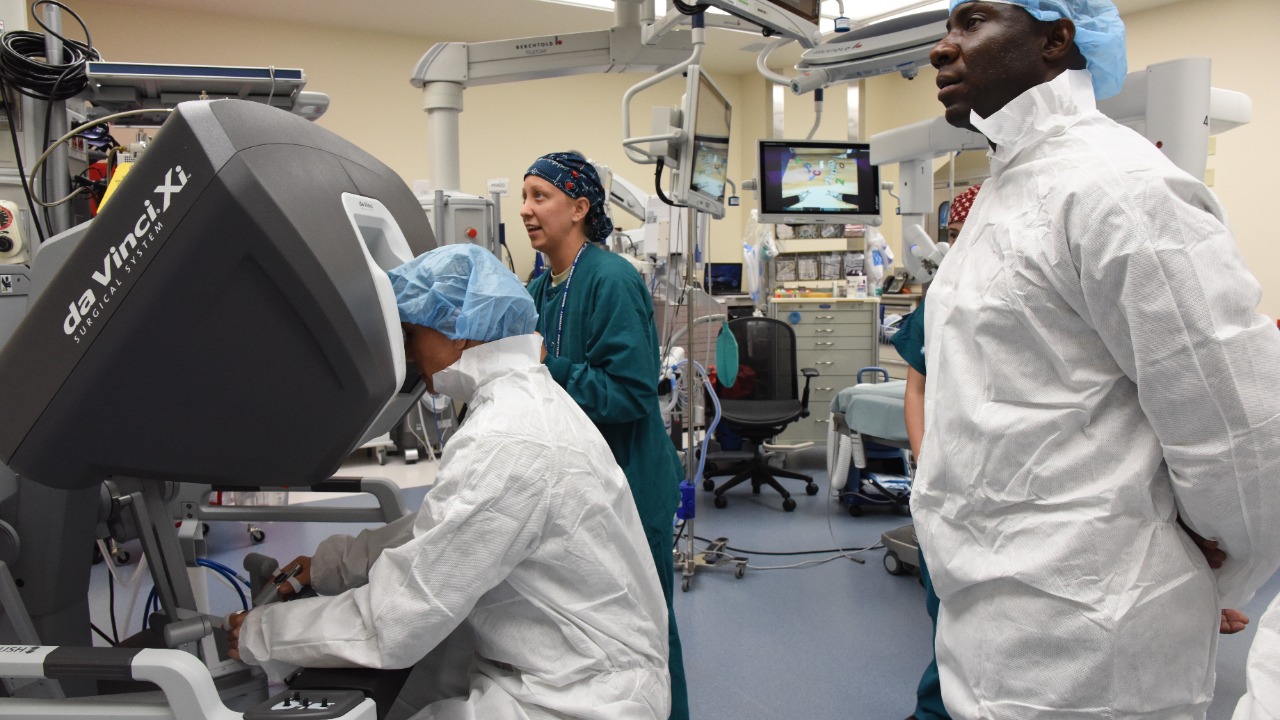
As technology continues to advance, so does the potential of robotic surgery in cardiology. Experts predict a future where robotic systems will become even more integrated into cardiac care. These advancements could lead to further improvements in patient outcomes and a revolution in how heart surgeries are performed.
However, the widespread adoption of robotic surgery in heart procedures is not without its challenges. High costs and the need for specialized training for surgeons are among the significant hurdles. Despite these challenges, the potential benefits of robotic surgery in enhancing patient care and improving surgical outcomes cannot be undermined.
