
As technology continues to evolve, libraries are beginning to adopt robotic systems to manage and catalog their vast archives. These robot librarians are transforming the way libraries operate, enabling them to sort, catalog, and retrieve materials with unprecedented speed and accuracy.
The Rise of Robot Librarians

The integration of robotics into library science is a direct result of significant technological advancements over the past few decades. Robotics and artificial intelligence have matured to a point where their applications in various fields, including library management, have become not only feasible but also highly beneficial. Libraries around the world are increasingly exploring these technologies to streamline operations and enhance the accessibility of their collections.
Robotics is reshaping traditional library operations by taking over repetitive and time-consuming tasks. The role of robots in modern library science is multifaceted, encompassing cataloging, sorting, and even customer service. This shift allows human librarians to focus more on curating collections and engaging with patrons, ultimately enhancing the user experience. Libraries such as the American Libraries Magazine have documented successful case studies where robotic systems have been integrated into their cataloging processes, showcasing the potential benefits and efficiency gains.
Efficiency and Speed in Cataloging

One of the most significant advantages of robot librarians is their ability to catalog archives with remarkable speed. Tasks that traditionally required human librarians days or even weeks to complete can now be accomplished in mere hours. This efficiency is largely due to the development of automated book scanning and retrieval systems, which can process large volumes of material with minimal human intervention.
The technology behind these systems is both sophisticated and efficient. For instance, robotic arms equipped with advanced scanners and sensors can quickly identify and categorize books and other materials. A striking example is the book-scanning technology used by libraries, which you can explore further here. This technology not only speeds up cataloging but also reduces the likelihood of errors, leading to more accurate and reliable library databases. The result is a more efficient system that enhances overall library operations and improves the user experience by enabling faster and more precise retrieval of materials.
The Technology Behind Robot Librarians
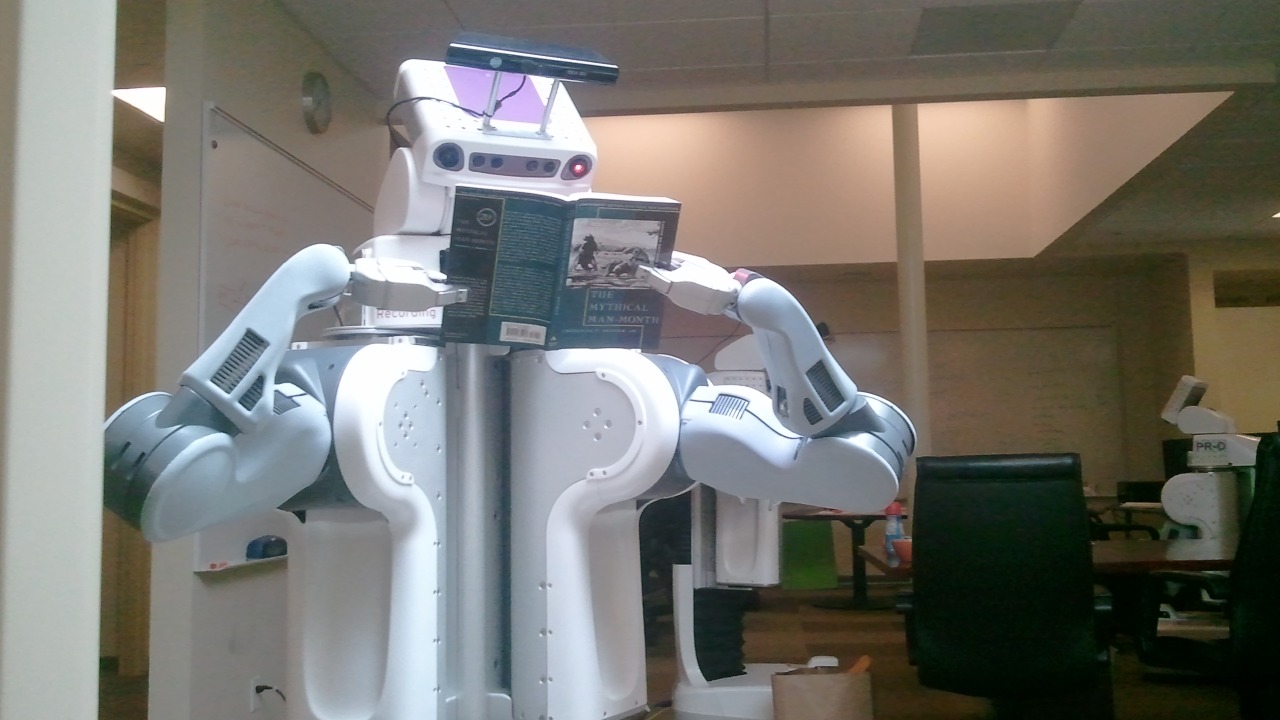
The core of robot librarians lies in advanced technologies such as artificial intelligence (AI) and machine learning. These technologies are essential for enabling robots to learn and adapt to various tasks within a library setting. AI allows robots to understand complex cataloging systems and make decisions about the categorization and placement of materials. Machine learning further enhances these capabilities by enabling robots to improve their performance over time through experience and data analysis.
Significant funding and research initiatives have also played a crucial role in advancing library robotics. For example, the Sloan Foundation has supported various projects aimed at developing robotic systems for libraries. These initiatives have led to innovations that continue to push the boundaries of what is possible in library automation. However, despite these advancements, challenges remain. Current robotic systems often face limitations in handling delicate or rare materials, requiring ongoing research and development to overcome these hurdles.
Impact on Library Staff and Operations

The introduction of robots into library systems inevitably impacts the roles and responsibilities of library staff. While there is a concern about potential job displacement, the reality is more nuanced. Robots are primarily designed to handle repetitive and labor-intensive tasks, freeing up librarians to focus on more value-added activities such as patron engagement, programming, and collection development.
To address concerns about job displacement, libraries are focusing on staff retraining and creating new roles that complement the capabilities of robots. For example, librarians can take on more advisory roles, assisting patrons in navigating digital resources and enhancing their research skills. This shift not only preserves jobs but also enriches the services libraries can offer to their communities. In this way, the introduction of robots into library operations has the potential to enhance, rather than diminish, the role of human librarians.
Future Prospects and Innovations

The future of library robotics holds exciting possibilities. As technology continues to evolve, we can expect further developments in robot capabilities and applications. For instance, ongoing research aims to expand the roles of robots beyond cataloging to include tasks such as assisting patrons with finding resources or even delivering books directly to them. The development of more sophisticated AI and machine learning algorithms will likely play a key role in these advancements.
Moreover, the broader implications of robotic librarians extend beyond libraries themselves. In education, for example, robots could play a vital role in improving information accessibility and enhancing learning experiences. Libraries in urban areas, like those in Brixton, are already exploring innovative uses of technology to engage with diverse communities. As robots become more integrated into various sectors, they have the potential to transform how we access and interact with information, ultimately democratizing knowledge and making it more accessible to people worldwide.
