
As the world grapples with sustainability and efficiency challenges, the agriculture sector is leveraging cutting-edge technology to redefine farming practices. An exciting development in this transformative journey is the advent of robotic farmers that are significantly reducing waste while optimizing harvests.
The Rise of Robotic Farmers
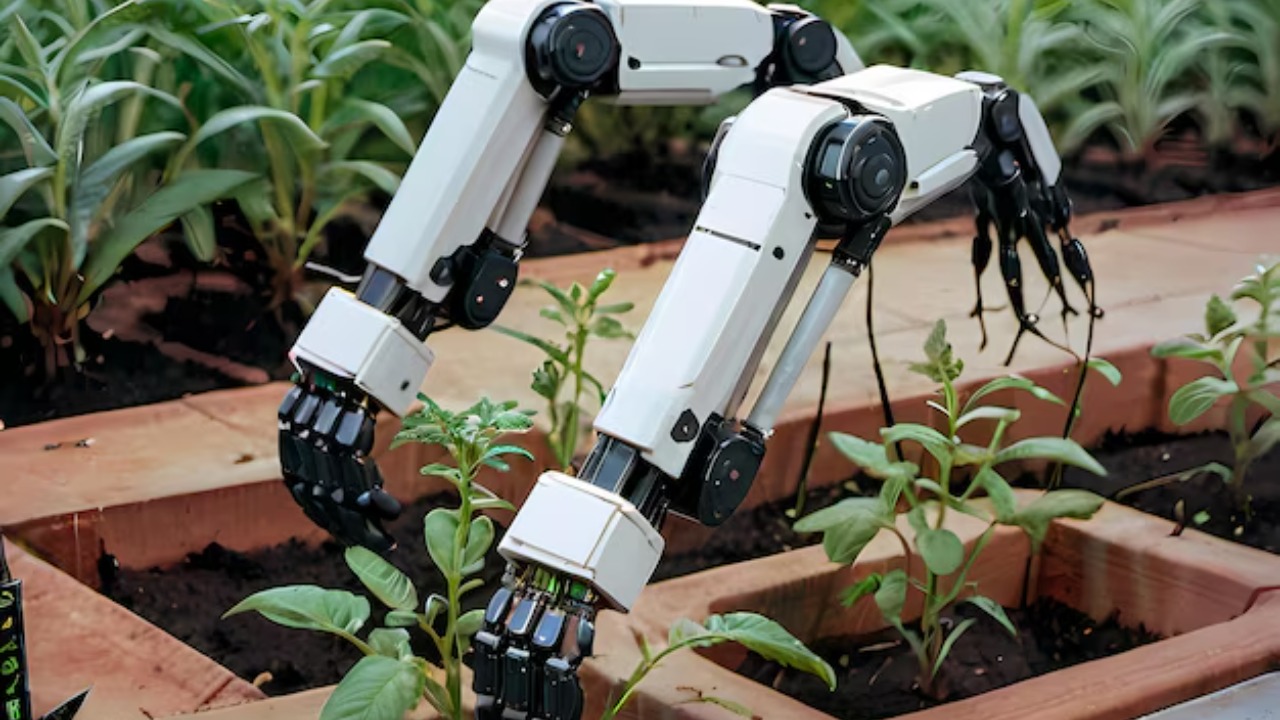
Though they might seem like a concept straight out of a sci-fi movie, robotic farmers are becoming an integral part of modern agriculture. Initially, their implementation was limited to simple repetitive tasks, but over time, advancements in technology have allowed them to perform a wide array of complex operations. From planting seeds to harvesting crops, these autonomous machines are revolutionizing the way we farm.
Several factors are driving the adoption of these technologies in farming. Among these are the increasing demand for efficiency, the need for precise application of resources, and the growing emphasis on sustainable practices. Furthermore, the agriculture industry faces a growing labor shortage, which the use of robots can help address. For more information on the rise of robotic farmers, you can refer to this article.
How Robotic Farmers Work
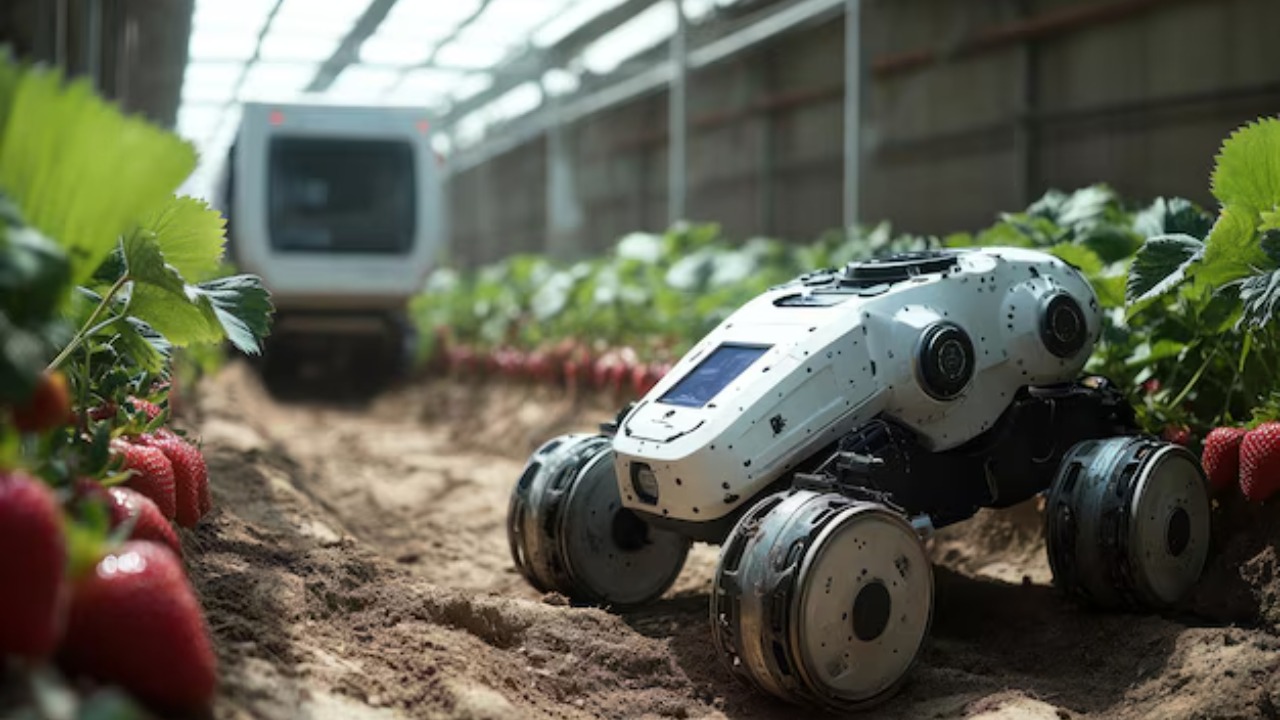
Robotic farmers leverage advanced technologies such as artificial intelligence (AI), machine learning, and computer vision to operate efficiently. AI and machine learning allow these robots to learn from their environment and improve their performance over time, while computer vision enables them to accurately identify crops and potential problems.
There are various types of robotic farmers, with each designed for a specific role in the farming process. For instance, some robots are designed for planting seeds, while others are tasked with harvesting crops or monitoring crop health. A common feature among these robots is their contribution to zero-waste farming. They achieve this through precise application of resources, thereby reducing unnecessary waste. An in-depth exploration of robotic farming can be found in this study.
The Impact of Robotic Farmers on Waste Reduction

Robotic farmers are contributing significantly to waste reduction in agriculture. They apply resources such as water, fertilizers, and pesticides with extreme precision, eliminating wastage. Additionally, their ability to harvest crops at the optimal time reduces post-harvest waste.
Consider the Agrobot, an autonomous strawberry harvester. This advanced robot can identify ripe strawberries and harvest them without damaging the fruit or the plant. Similarly, the Hippo robot from Zebra Technologies is used in indoor farming operations to ensure efficient harvesting and resource usage. You can watch the Hippo robot in action here. Both these robots are excellent examples of how technology can reduce waste in agriculture.
Benefits and Challenges of Robotic Farming

Robotic farming offers numerous benefits. It improves productivity by performing tasks faster and more accurately than humans. It also enhances resource efficiency by precisely applying inputs, thereby reducing wastage. Additionally, robotic farming can reduce the environmental impact of agriculture by minimizing the use of harmful chemicals and conserving water.
However, the adoption of robotic farming also comes with certain challenges. The initial cost of these technologies can be prohibitive for small and medium-scale farmers. Technical difficulties can arise, given the complex nature of these systems. Furthermore, there is a concern that the widespread use of robots in farming could displace human workers. It is essential to address these issues to ensure the sustainable and inclusive growth of robotic farming.
Case Study: Rwandan High-Tech Farming

One country making significant strides in robotic farming is Rwanda. To combat the adverse effects of drought and improve crop yields, Rwandan farms are turning to high-tech solutions, including the use of robots. These technologies are helping farmers to monitor soil conditions, optimize irrigation, and detect diseases early, thereby contributing to increased productivity and reduced waste.
The results of this approach have been promising. Despite the challenging climatic conditions, farms employing these technologies have reported improved yields and reduced resource wastage. This success story from Rwanda demonstrates the potential of robotic farming to transform agriculture, even in regions with harsh weather conditions. More about Rwandan high-tech farming can be found here.
