In recent years, the deployment of robot dogs in disaster zones has become a groundbreaking development in emergency response efforts. These advanced machines offer unique capabilities that enhance human efforts in search and rescue operations. Exploring the growing role of robot dogs in disaster zones reveals the technological advancements behind their success.
The Evolution of Robot Dogs
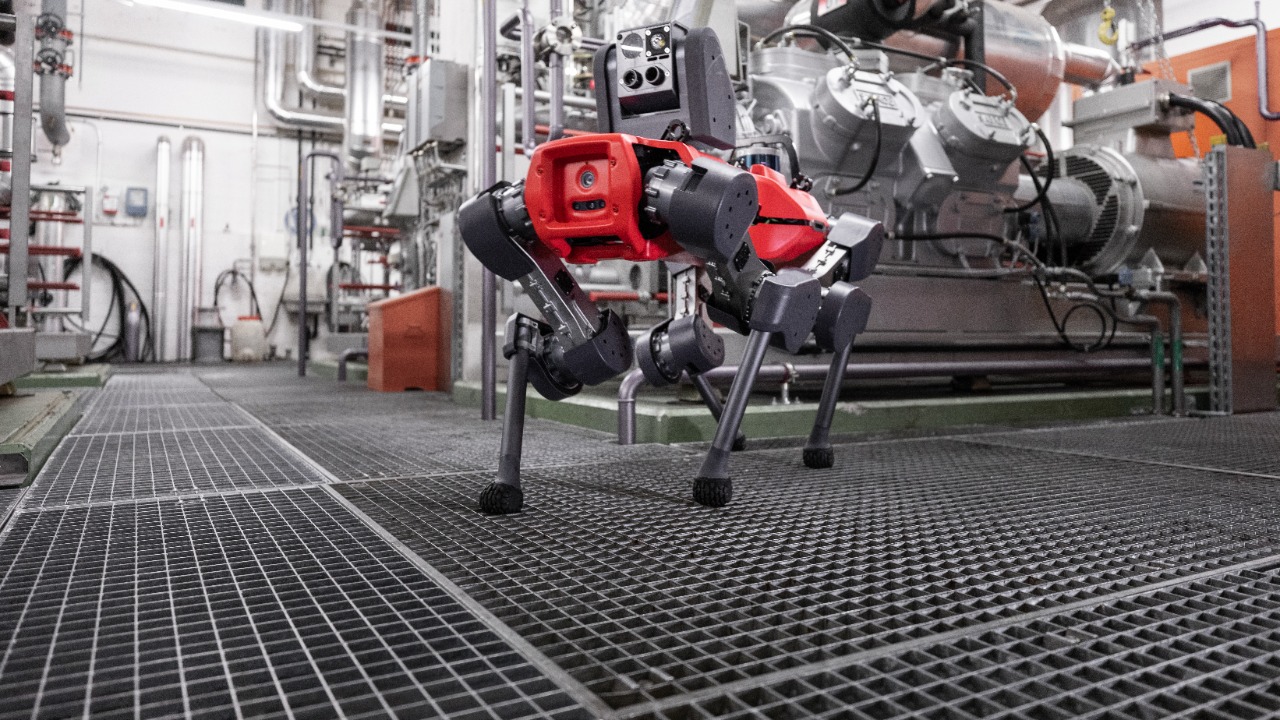
The development of robot dog technology has been a progressive journey marked by significant technological advancements in robotics. Over the years, robotics experts have worked tirelessly to enhance the capabilities of these machines, enabling them to perform complex tasks in challenging environments. Companies like Boston Dynamics and Unitree have emerged as key players in the industry, driving innovation in AI-assisted robotics. These organizations have been instrumental in pioneering features that allow robot dogs to navigate and interact with their surroundings intelligently.
Initially, robot dogs were tested in controlled environments to evaluate their performance and resilience. These early applications served as a stepping stone for their deployment in real-world scenarios. For example, Boston Dynamics’ Spot robot was initially tested in construction sites and warehouses before being deployed in disaster zones. These trials provided invaluable insights, helping developers refine the technology and overcome initial hurdles. The lessons learned from these early case studies have been crucial in shaping the capabilities and functionalities of robot dogs today.
Capabilities of Robot Dogs in Disaster Response
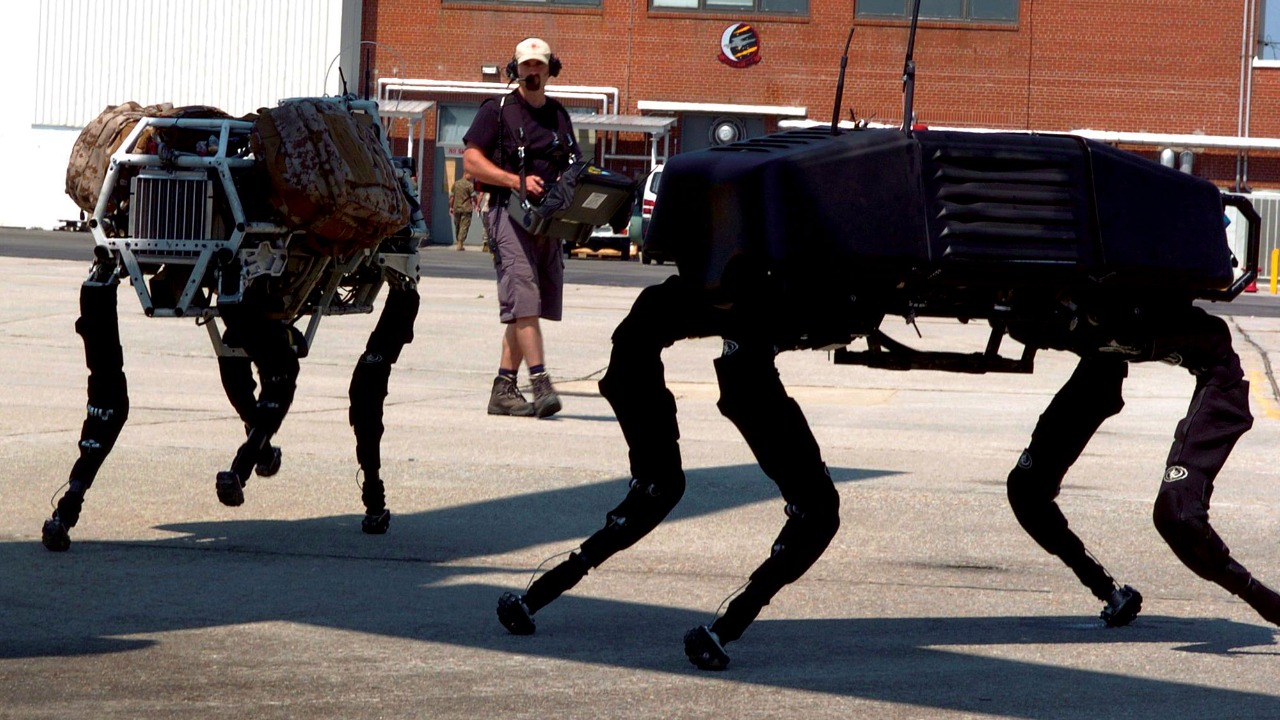
One of the standout features of robot dogs is their exceptional navigation and mobility, which are essential in disaster response scenarios. Equipped with advanced sensors and AI algorithms, these machines can traverse challenging terrains that often pose risks to human responders. For instance, robot dogs have been successfully used in earthquake-stricken areas to navigate rubble and debris, reaching places that would be difficult for humans to access safely. Their ability to move through narrow passages and climb over obstacles makes them invaluable in complex disaster environments.
In addition to navigation, robot dogs play a critical role in search and rescue operations. They are equipped with cutting-edge technologies such as thermal imaging cameras and LiDAR sensors, allowing them to locate trapped individuals with precision. These technologies enable robot dogs to identify heat signatures and detect movements, significantly reducing response times. By performing initial assessments and locating victims, robot dogs can enhance the safety of human rescuers and improve the overall efficiency of rescue missions. The integration of these capabilities has made robot dogs essential assets in modern disaster response efforts.
Integration with Human Teams
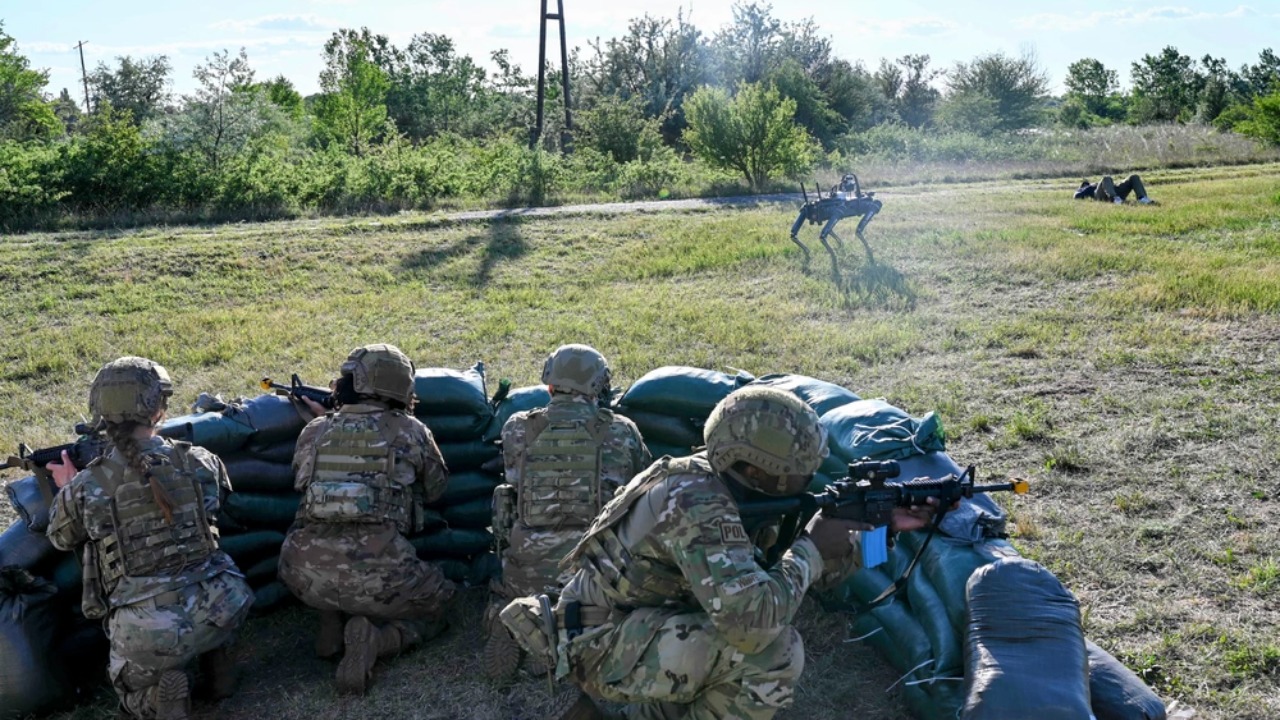
Successfully integrating robot dogs into existing disaster response teams requires careful planning and collaboration. Human operators need to be trained in using these advanced machines effectively. Training programs and protocols have been developed to ensure seamless collaboration between robots and human teams. These programs focus on familiarizing human operators with the capabilities and limitations of robot dogs, enabling them to make informed decisions during rescue missions. By understanding how to leverage the strengths of robot dogs, human teams can maximize their effectiveness in disaster response scenarios.
The impact of robot dogs on mission efficiency and safety cannot be overstated. By taking on tasks that are hazardous or time-consuming for humans, robot dogs significantly enhance the overall efficiency of disaster response operations. Their ability to operate in environments that would otherwise be inaccessible reduces the risks faced by human responders. Recent deployments have demonstrated the success of this collaboration. For instance, during the aftermath of Hurricane Dorian, robot dogs were used to assess damages and identify areas requiring immediate attention, showcasing their potential to transform disaster response strategies.
Challenges and Future Prospects
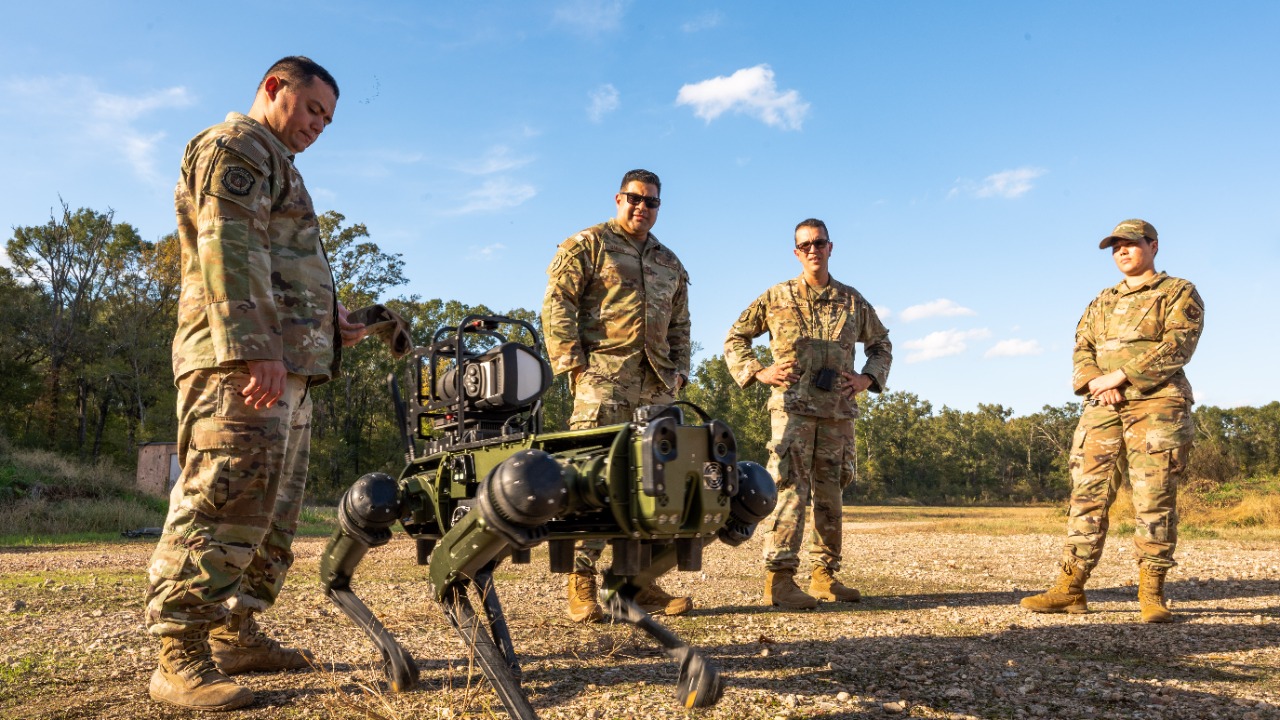
Despite their remarkable capabilities, robot dogs face technical and ethical challenges in disaster zones. Technical limitations, such as battery life and network connectivity, can hinder their performance in certain situations. Additionally, the ethical considerations surrounding the use of robotic technology in sensitive scenarios have sparked debates. Public perception and acceptance of these machines are critical factors that influence their deployment. Addressing these challenges requires ongoing research and dialogue to ensure that robot dogs are used responsibly and effectively in disaster response efforts.
Looking ahead, the future prospects for robot dogs in disaster response are promising. Ongoing research and development efforts are focused on overcoming current limitations and exploring new possibilities. Innovations such as improved battery technology and enhanced AI capabilities are on the horizon, promising to further enhance the performance of robot dogs. As these advancements unfold, robot dogs are expected to play an even more significant role in future disaster response scenarios. Predicting their role over the next decade involves envisioning a landscape where robot dogs are integral to emergency response teams, complementing human efforts to save lives and mitigate the impact of disasters.
