Coral reefs, these vibrant underwater ecosystems, are essential to marine biodiversity and human life. Unfortunately, they are under siege due to the adverse effects of climate change, pollution, and overfishing. In response to this crisis, researchers are harnessing the power of advanced robotics to repair and restore coral reefs with unparalleled precision.
The Urgency of Coral Reef Restoration
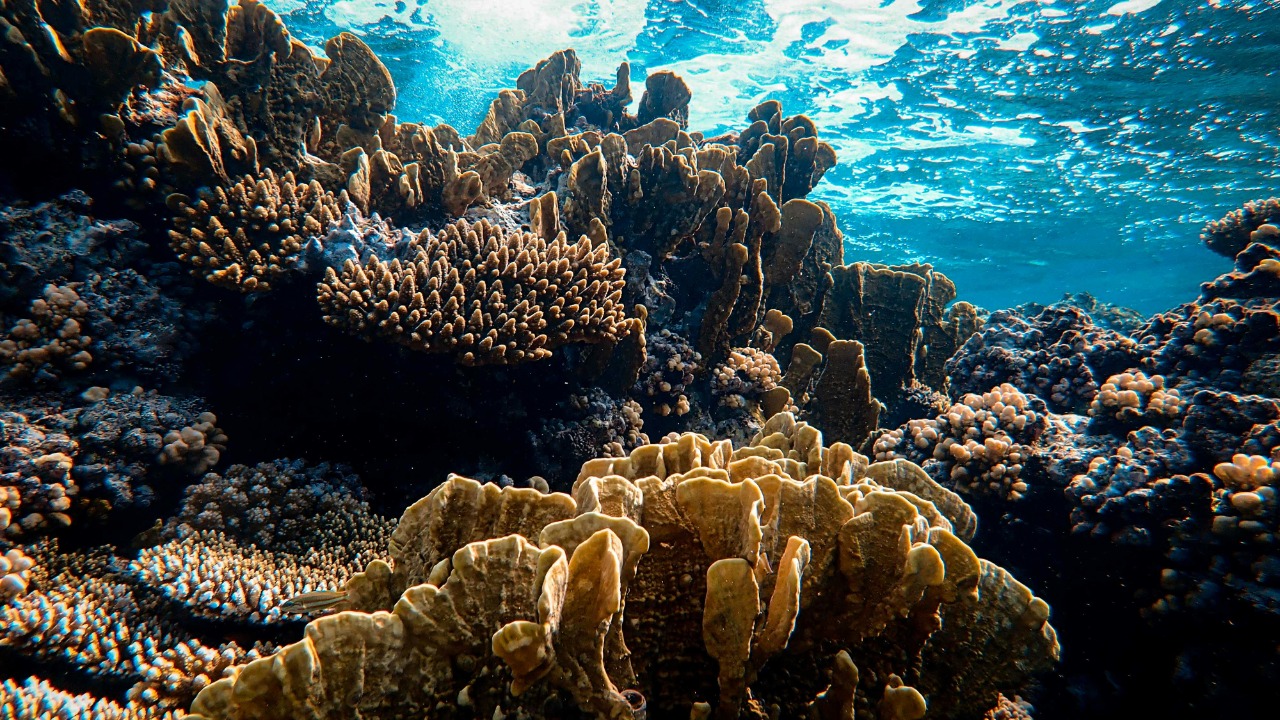
Coral reefs are a vital part of the marine ecosystem, providing a home for about 25% of all marine species. They play a crucial role in the marine food chain, and their health directly impacts the survival of countless marine species. Aside from their ecological importance, coral reefs also provide economic and protective benefits to human communities, especially those in coastal areas.
However, coral reefs worldwide are facing an existential threat due to human activities. The rise in sea temperatures due to climate change, ocean acidification, overfishing, and pollution are some of the significant stressors causing coral bleaching and death. Events like the mass bleaching of the Great Barrier Reef, which lost half of its corals between 1995 and 2017, underscore the urgency of restoring these important ecosystems.
Robotic Divers: An Innovative Solution for Coral Restoration
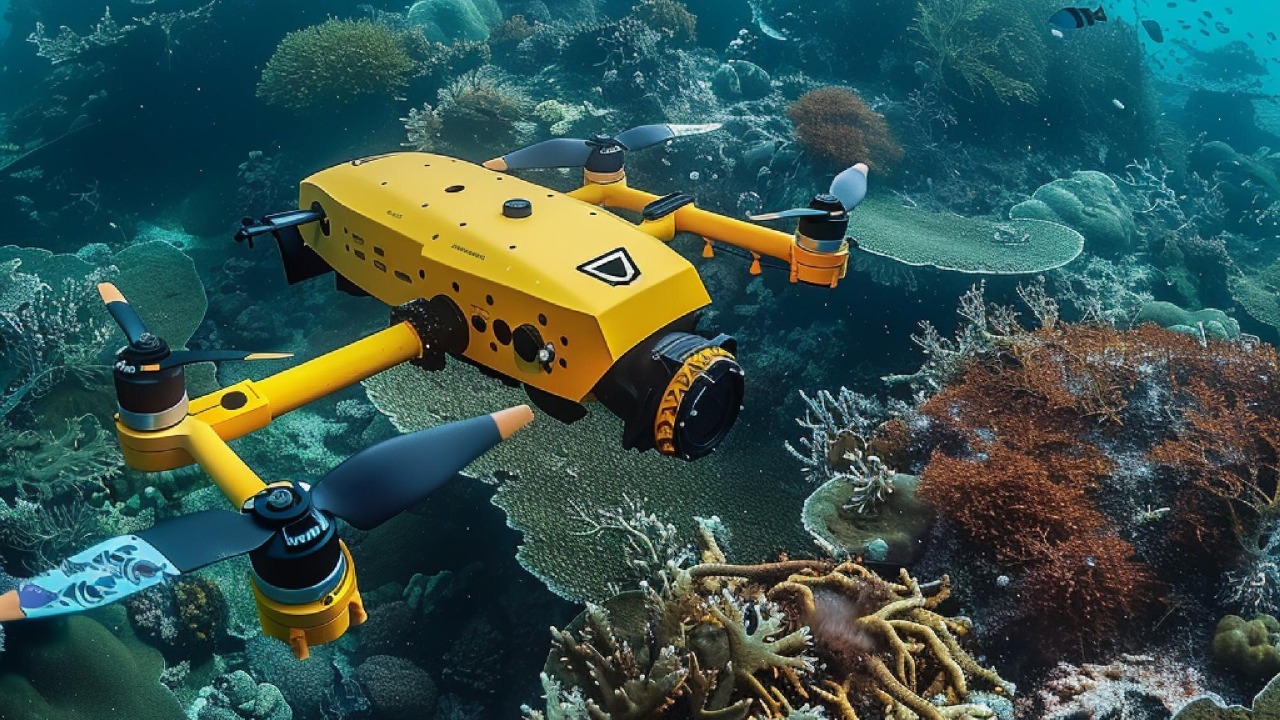
The use of advanced technology, specifically robots, is emerging as a promising solution to restore coral reefs. Robotic divers, equipped with machine learning algorithms and artificial intelligence, can perform tasks with precision, speed, and efficiency far beyond human capabilities. These robots use cameras and sensors to navigate underwater and perform specific tasks, such as identifying healthy and bleached corals or planting coral fragments.
Taking a closer look at these robotic divers’ functioning, they rely on a combination of software algorithms, machine learning, and artificial intelligence. Unlike humans, robots can work tirelessly around the clock, significantly increasing the speed and scope of coral restoration efforts. Furthermore, using robots minimizes human interference with delicate coral ecosystems, thereby reducing the risk of further damage.
CoralBot: A Case Study
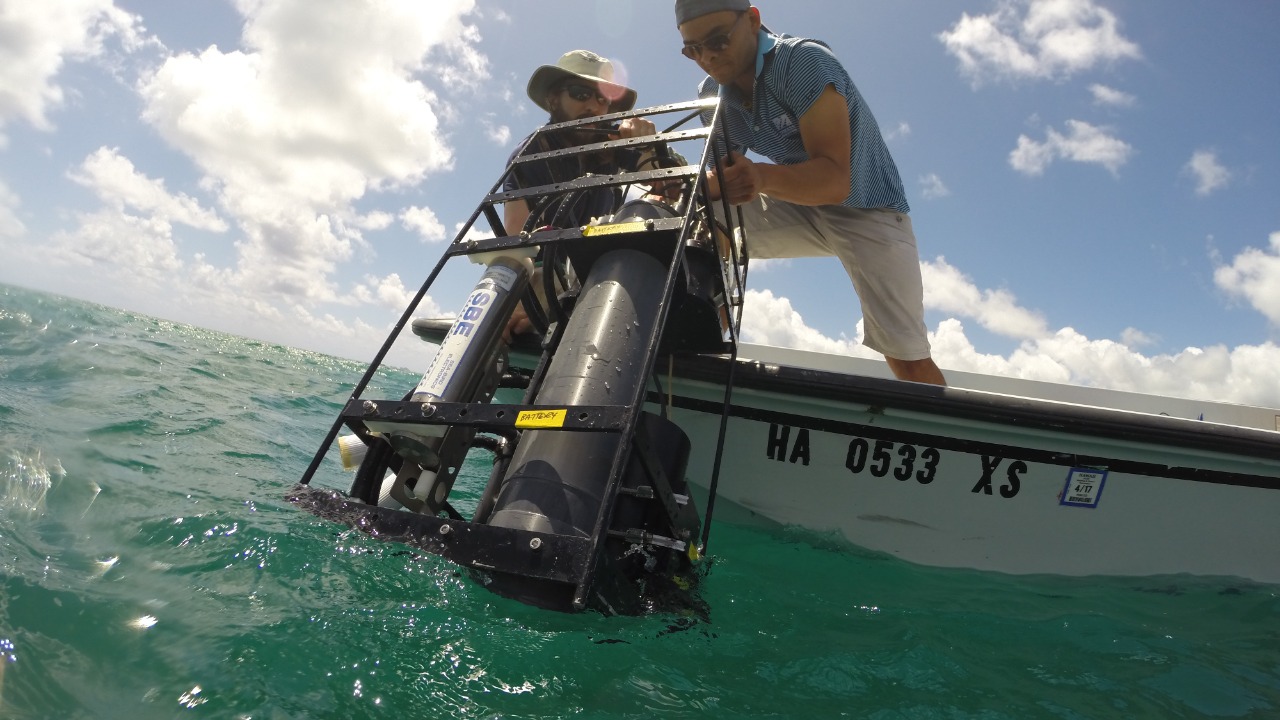
One of the most notable examples of a robotic diver used for coral restoration is CoralBot. Developed by a team of researchers, this autonomous robot uses machine learning to identify, collect, and re-cement broken coral fragments. Its development and success mark a significant milestone in the use of technology for environmental preservation.
The CoralBot Kickstarter campaign was a testament to the public’s interest in such initiatives, raising sufficient funds to support further development and testing. Despite initial challenges, the CoralBot team has made significant strides, demonstrating the potential of robotics in coral reef restoration.
How Robot Divers are Contributing to Global Coral Restoration Efforts
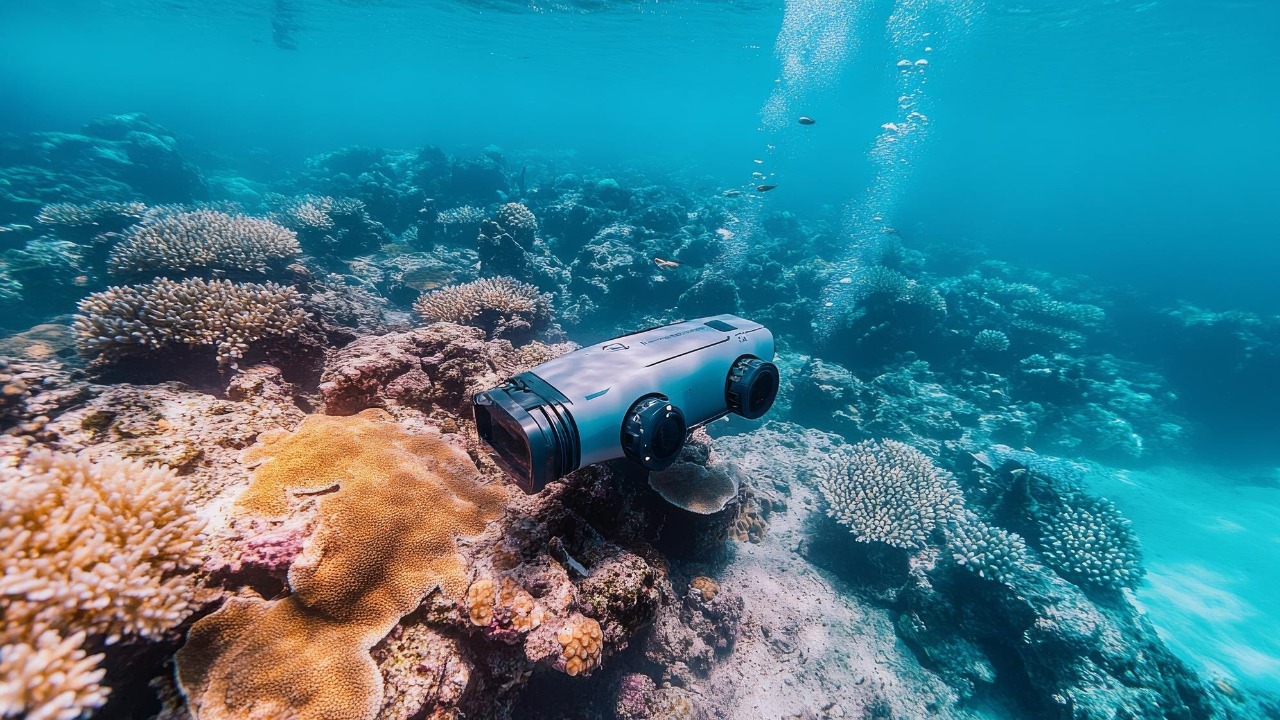
Robotic divers are not just a theoretical concept; they are actively contributing to coral restoration efforts worldwide. For instance, in Australia, a robotic diver is being used to monitor and record the rate of coral loss on the Great Barrier Reef. Similarly, in Canada, underwater robots are being used to map and monitor the health of local coral reefs.
These robots are proving effective in local coral restoration initiatives, providing accurate data and performing tasks with a level of precision and speed that would be impossible for humans. Collaborations between tech companies, marine biologists, and environmental organizations are instrumental in driving these efforts, showcasing the power of cross-sector cooperation in addressing environmental challenges.
The Future of Robotics in Coral Restoration
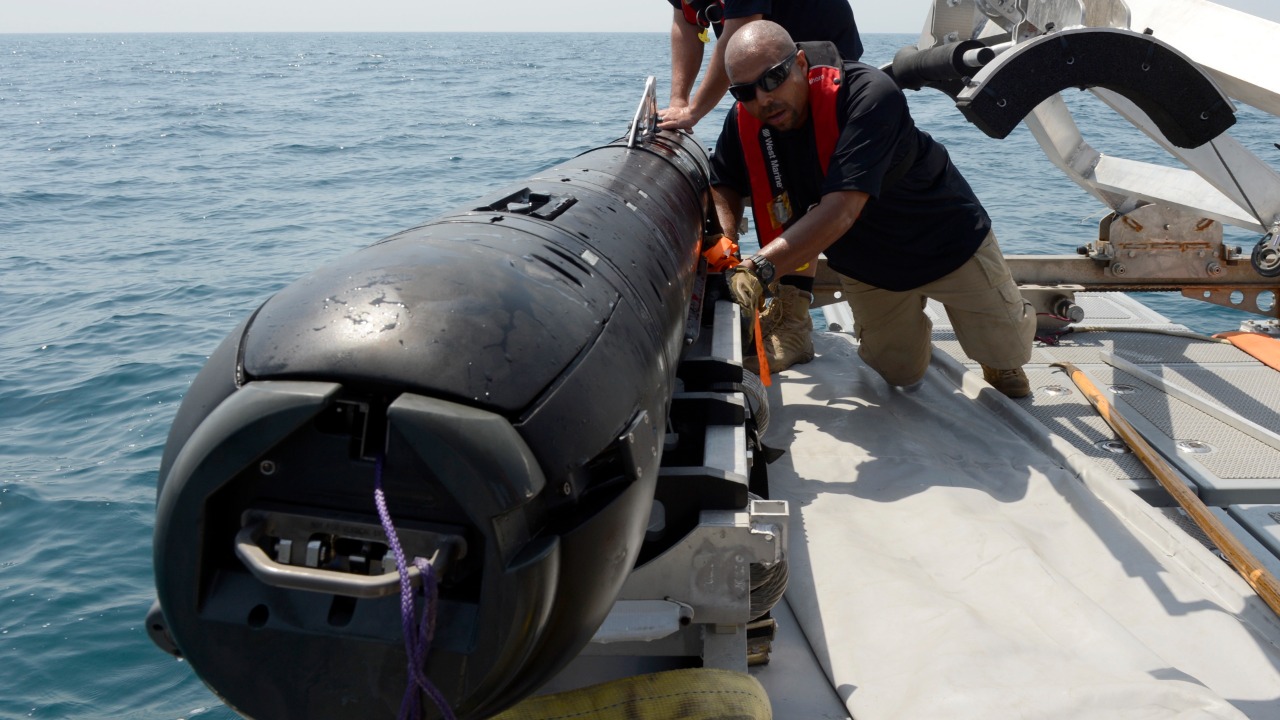
The future of robotics in coral restoration looks promising. As technology advances, there is potential for significant improvements in robot diver capabilities. This could range from enhancing their precision and efficiency to expanding their functionality to include tasks such as coral breeding and genetic modification for increased resilience.
There is also a strong potential for scaling up these initiatives. Currently, robot divers are being used in specific areas, but with increased funding and technological advancements, these efforts could be extended to larger areas of coral destruction. Additionally, the technologies developed for coral restoration could be applied to other areas of marine conservation, further amplifying their impact. The story of how underwater robots are saving our dying ocean ecosystems is just beginning, and the chapters ahead promise exciting advancements.
