As bee populations dwindle globally due to a myriad of factors such as climate change, pesticide use, and habitat loss, the need for innovative solutions to sustain vital pollination processes becomes more pressing. Enter “robot bees” – miniature, drone-like devices engineered to emulate the pollinating activities of natural bees.
The Decline of Bee Populations
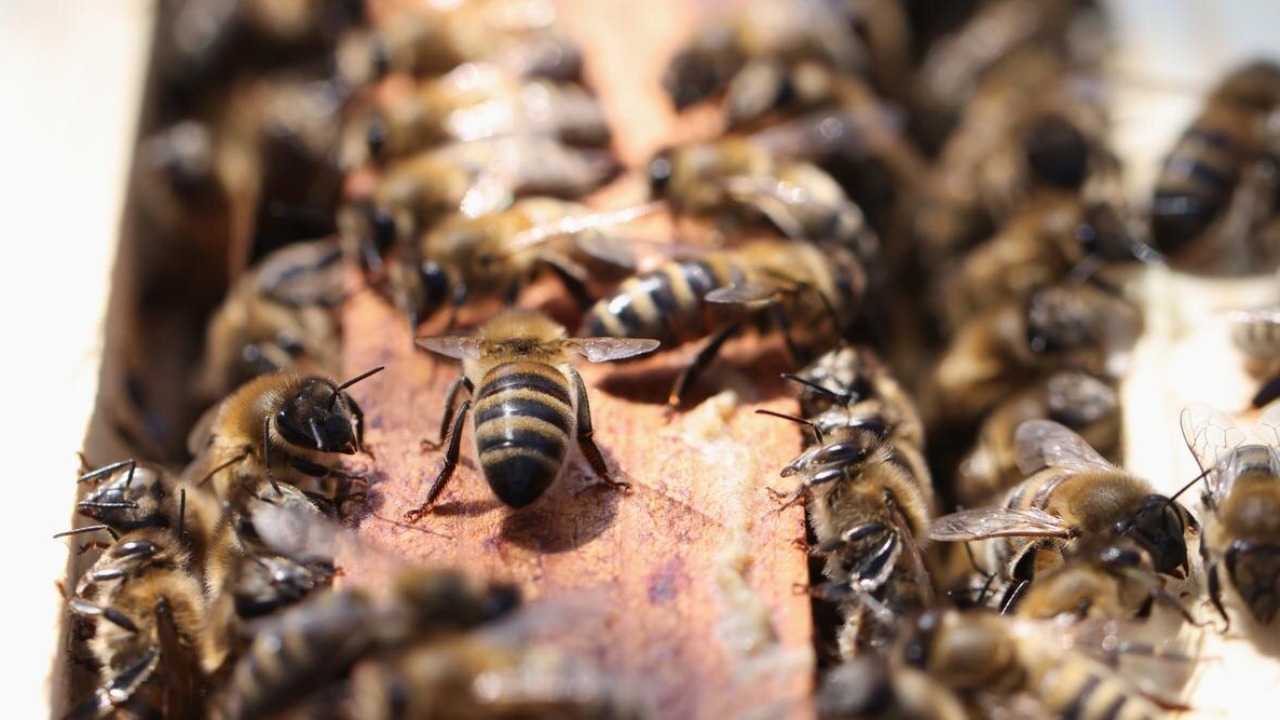
The worldwide decrease in bee populations is a serious concern. Bees play a vital role in agriculture, pollinating crops and contributing to the world’s food supply. Yet, their populations are being decimated by factors such as climate change, pesticide use, and habitat loss. A number of studies, such as this one published in MDPI, underscore the severity of this decline and its potential implications. If this trend continues, it could have devastating effects on our food production capabilities.
Bees are not just important for honey production. They are crucial pollinators, responsible for a large portion of global food crops. The decrease of their populations could have catastrophic effects on our food supply. Various reports emphasize the magnitude of this issue, stressing the importance of finding viable solutions to counteract the decline.
The Role of Robot Bees in Pollination
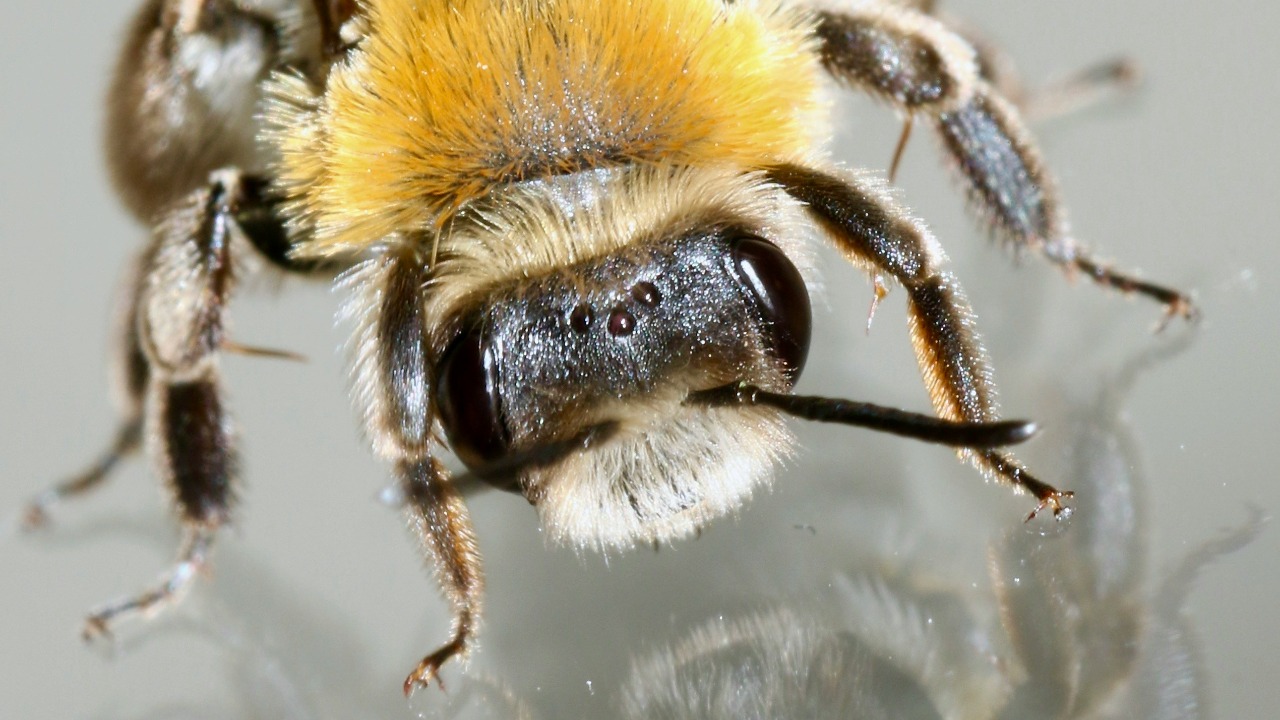
Robot bees, or robobees, are drone-like devices designed to imitate the pollination activities of real bees. Developed through advancements in micro-robotics and sensor technology, these tiny robots are programmed to mimic the behavior of bees, collecting pollen from one flower and depositing it on others. They are primarily used in areas with low bee populations to help sustain crop pollination.
Several scientific studies and experiments, such as those reported by ScienceDirect, demonstrate the effectiveness of robot bees in pollination. These studies confirm that robot bees can successfully replace real bees in the pollination process, thereby ensuring the survival of crops that depend on pollination.
Technological Innovations and Challenges in Developing Robot Bees
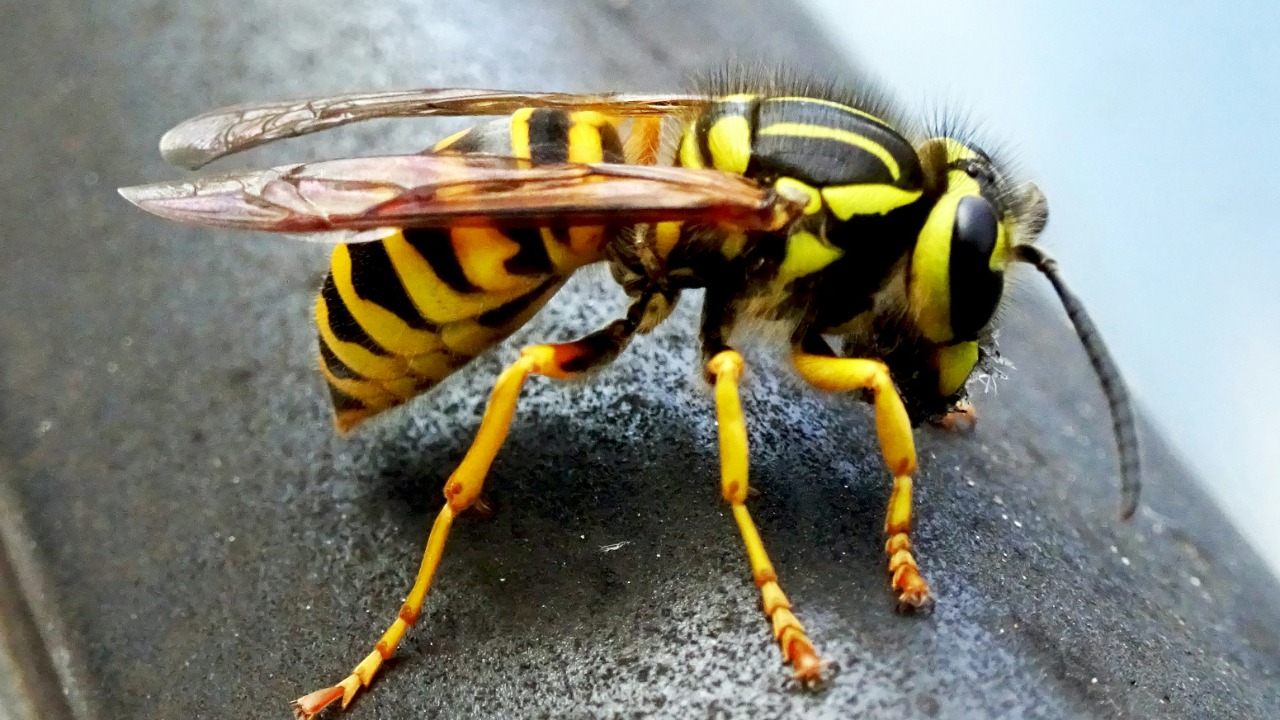
Technological advancements in micro-robotics and sensor technology have made the development of robot bees possible. However, designing and implementing these robots is not without its challenges. One of the significant obstacles is replicating the complex behaviors of real bees, which are not fully understood. Another issue is ensuring the robots can withstand environmental conditions, such as wind and rain, which can be particularly challenging for small, lightweight devices.
Several different types of robot bees have been developed by various companies and institutions. For example, BuiltIn provides a comprehensive overview of different robot bee designs and the organizations behind their development. These range from tiny, bee-like drones to larger, more robust models capable of carrying out multiple functions.
Environmental Impact and Ethical Considerations

While the use of robot bees can potentially help offset the decline in bee populations, there are potential environmental and ethical considerations. For instance, the introduction of artificial elements into the ecosystem could have unforeseen consequences. On the positive side, robot bees could potentially reduce the need for harmful pesticides, as they are not affected by these chemicals.
From an ethical perspective, the use of robot bees raises questions about our increasing dependence on technology and its potential impacts on remaining bee populations. There’s also the concern about the long-term effects of replacing natural pollinators with artificial ones, and the potential for unforeseen consequences.
The Future of Robot Bees and Pollination
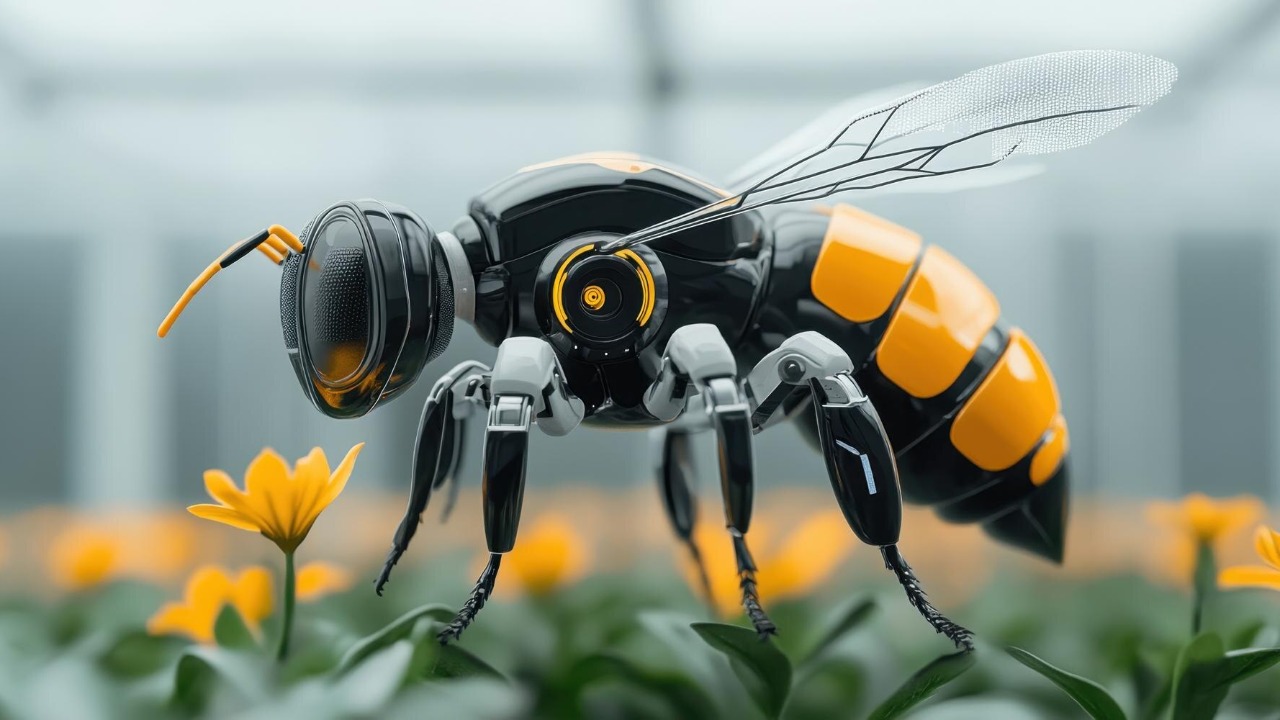
The future of robot bees looks promising, with potential for further improvements and areas of research. With advancements in technology, these bee mimics could potentially play a significant role in sustaining pollination processes, either complementing or replacing the work of natural bees.
Emerging technologies, such as robotic flowers that attract and protect bees, as reported on Springwise, could also support or enhance the role of robot bees in pollination. These technologies could work in tandem with robot bees to ensure pollination, thereby safeguarding our food crops for future generations.
In conclusion, while there are certainly challenges and ethical considerations to address, robot bees and associated technologies represent an exciting and potentially vital solution to the worldwide decline in bee populations. As we continue to innovate and refine these technologies, it is crucial that we also strive to protect and conserve our natural bee populations.
