The unveiling of the world’s largest wind turbine has sparked both excitement and concern among scientists and environmentalists. This massive structure, with its unprecedented size and energy output, has raised fears about potential weather changes. Scientists are particularly worried about how such a large-scale turbine might influence local and global weather patterns. This development comes at a critical time when wind and solar energy are increasingly recognized as key solutions to combat climate change.
The Revolutionary Design of the World’s Largest Wind Turbine

The world’s largest wind turbine stands as a marvel of engineering, boasting dimensions and capabilities that dwarf existing models. According to a report, this turbine’s size and energy output are unparalleled, making it a significant advancement in renewable energy technology. The turbine incorporates innovative technologies that enhance its efficiency and operational capacity, setting a new benchmark for wind energy production (source).
Compared to existing models, this turbine offers superior efficiency and output, thanks to its cutting-edge design and materials. The integration of advanced aerodynamics and materials science has allowed for a more efficient conversion of wind energy into electricity. This leap in technology not only promises to increase the viability of wind energy but also positions it as a formidable competitor to traditional energy sources.
The turbine’s design incorporates a modular approach, allowing for easier maintenance and upgrades over time. This adaptability ensures that the turbine can remain at the forefront of technology as new advancements are made in the field. Additionally, the use of lightweight composite materials reduces the overall weight of the turbine, which decreases the stress on its structural components and prolongs its operational lifespan. These innovations not only enhance the turbine’s performance but also reduce the costs associated with its operation and maintenance, making it a more economically viable option for large-scale energy production.
Implications for Global Weather Patterns
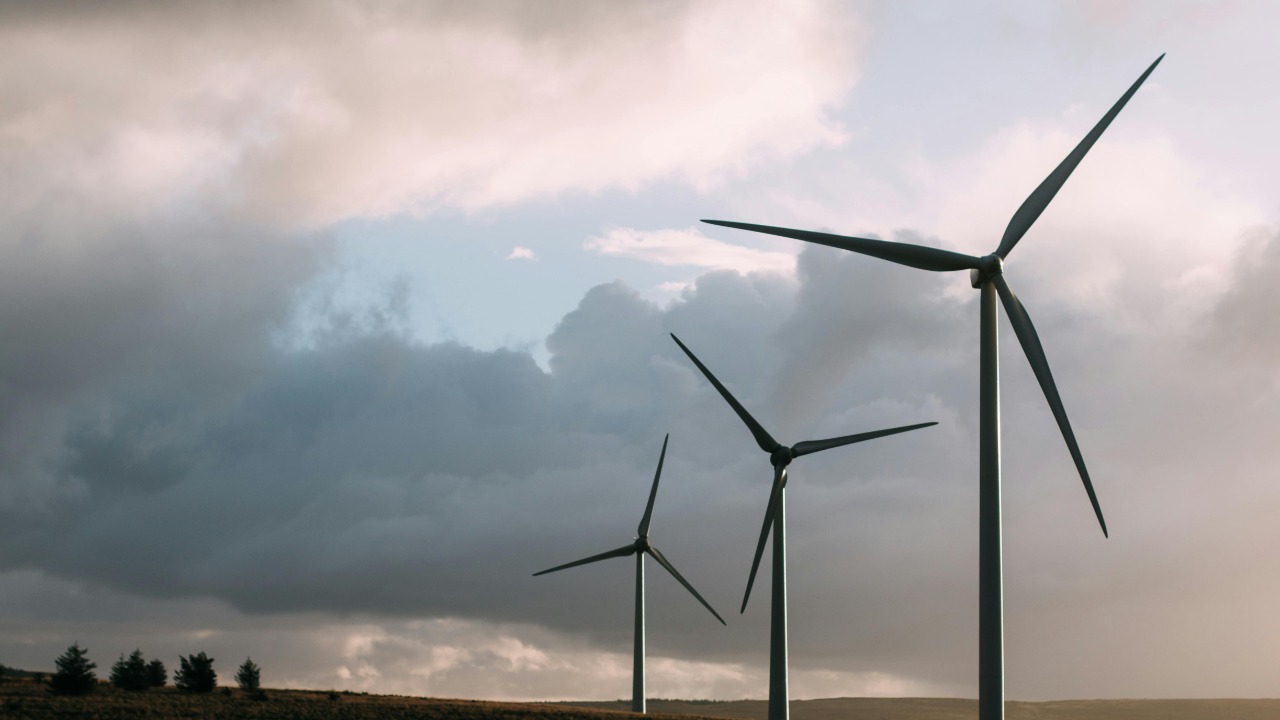
Despite its technological advancements, the world’s largest wind turbine has raised concerns among scientists about its potential impact on weather patterns. The scale of the turbine is such that it could alter local wind dynamics, potentially affecting weather systems on a larger scale. Experts have expressed apprehension that the turbine’s operation might lead to changes in atmospheric conditions, which could have unforeseen consequences (source).
Studies have explored the relationship between large turbines and climate dynamics, suggesting that while the immediate effects might be localized, the cumulative impact of multiple such installations could be significant. Historical data on wind patterns provide a basis for understanding these potential impacts, but the introduction of such massive turbines adds a new variable to the equation. As the deployment of large-scale turbines increases, ongoing research will be crucial to fully understand and mitigate any adverse effects on the climate.
Furthermore, the potential impact on local ecosystems is a concern that scientists are closely monitoring. The alteration of wind patterns could affect migratory bird routes and local wildlife habitats, necessitating comprehensive environmental impact assessments before the widespread deployment of such large-scale turbines. These assessments are crucial to ensure that the benefits of renewable energy do not come at the expense of biodiversity and ecological balance. Collaborative efforts between engineers, environmentalists, and policymakers are essential to address these challenges and develop strategies that minimize negative impacts while maximizing the positive contributions of wind energy to climate goals.
Wind Energy as a Solution to Climate Change
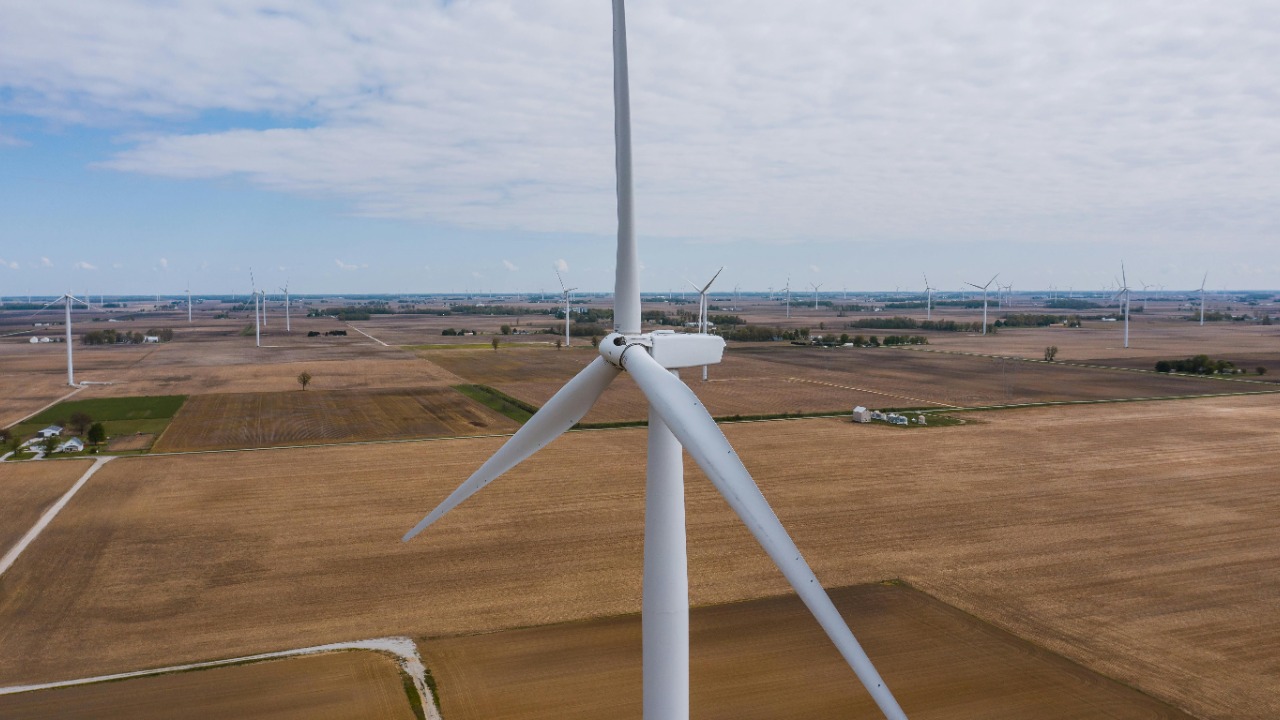
Wind energy, alongside solar power, is increasingly seen as a pivotal solution in the fight against climate change. By reducing carbon emissions and decreasing reliance on fossil fuels, wind energy plays a crucial role in global efforts to achieve sustainability. The integration of wind energy into the global power grid presents both challenges and opportunities, as it requires significant infrastructure development and technological innovation (source).
The transition to renewable energy sources like wind is essential for reducing the environmental impact of energy production. However, this transition must be managed carefully to ensure that the benefits outweigh any potential drawbacks. The challenges of integrating wind energy include grid stability, energy storage, and the need for supportive policy frameworks. Despite these challenges, the opportunities for reducing greenhouse gas emissions and promoting sustainable development are immense.
Moreover, the economic implications of expanding wind energy infrastructure are significant. Investment in wind energy can lead to job creation in manufacturing, installation, and maintenance sectors, providing a boost to local economies. Additionally, the decentralization of energy production through wind farms can enhance energy security by reducing dependence on imported fossil fuels. This shift not only supports national energy independence but also contributes to global efforts to stabilize energy prices and reduce the geopolitical tensions often associated with fossil fuel resources.
The Role of Critical Minerals in Energy Innovation
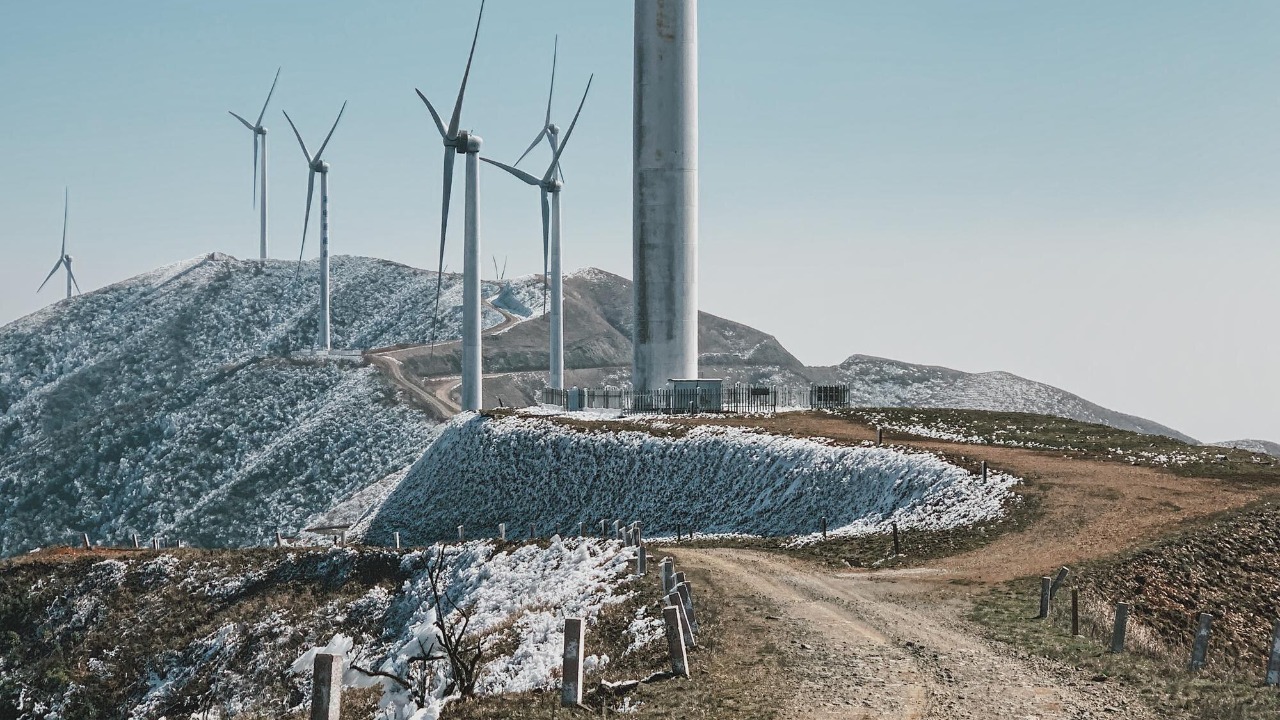
The future of renewable energy, including wind power, is heavily dependent on the availability of critical minerals such as rare earth elements, lithium, cobalt, and nickel. These minerals are essential for the production of advanced energy technologies, including wind turbines and batteries. The demand for these minerals is driving significant changes in energy technology and infrastructure, as industries seek to secure reliable supplies (source).
However, the extraction and use of these minerals raise important environmental and ethical considerations. Mining operations can have significant ecological impacts, and there are concerns about the social and environmental justice implications of sourcing these materials. As the renewable energy sector grows, it will be crucial to develop sustainable practices for the extraction and use of critical minerals to minimize their environmental footprint.
To address these concerns, there is a growing emphasis on recycling and reusing critical minerals to reduce the environmental impact of their extraction. Innovations in recycling technologies are being developed to recover valuable materials from end-of-life products, such as old wind turbine blades and electric vehicle batteries. This approach not only conserves natural resources but also reduces the environmental footprint of renewable energy technologies. International cooperation and policy frameworks are needed to support sustainable mining practices and ensure that the transition to renewable energy is both environmentally and socially responsible.
The Broader Impact of Renewable Energy Technologies
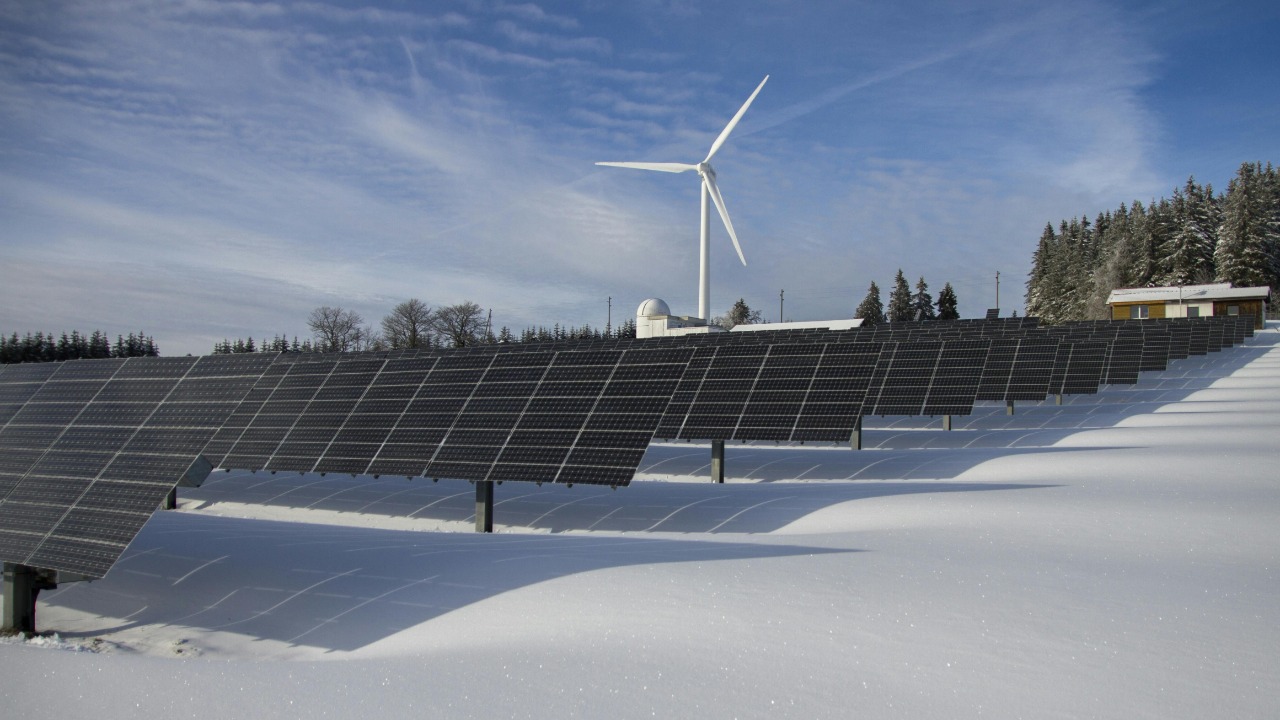
The global shift towards renewable energy technologies, such as cheaper solar panels, is transforming energy accessibility, particularly in the Global South. These technologies are reshaping economies and societies by providing affordable and sustainable energy solutions. The widespread adoption of renewable energy is driving economic growth and improving quality of life in regions that previously lacked reliable energy access (source).
However, the reliability of green power is threatened by phenomena such as “wind droughts,” which are driven by climate change. These periods of reduced wind activity can impact the consistency of wind energy production, posing a risk to energy security. As the world continues to transition to renewable energy, understanding and mitigating the effects of climate change on energy resources will be essential to ensure a stable and sustainable energy future (source).
