Scientists have recently stumbled upon Japan’s mysterious underwater “pyramid” off the coast of Yonaguni Island, igniting intrigue among researchers worldwide. This enigmatic structure, often referred to as the Yonaguni Pyramid, has sparked debates over whether it is a natural geological formation or a remnant of an ancient civilization lost to time. Recent reports from early October 2025 highlight these discoveries and the ongoing quest to unravel the site’s origins (MSN; SSB Crack).
The Discovery of the Underwater Structure
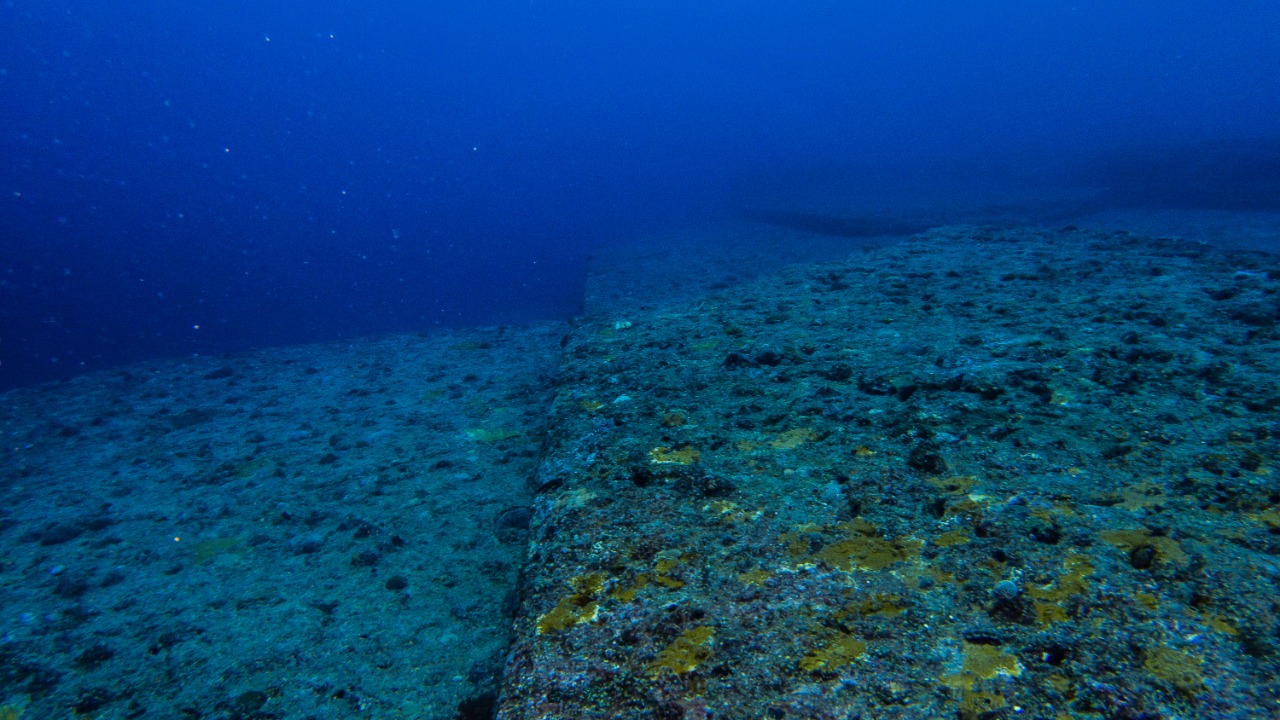
In recent explorations, scientists have stumbled upon Japan’s mysterious underwater ‘pyramid’ located off the coast of Yonaguni Island. This discovery has captivated the scientific community, as the structure’s origins remain shrouded in mystery. The reporting on this find was published under the title “Scientists Stumble Upon Japan’s Mysterious Underwater ‘Pyramid’,” highlighting the significance of this underwater marvel (MSN).
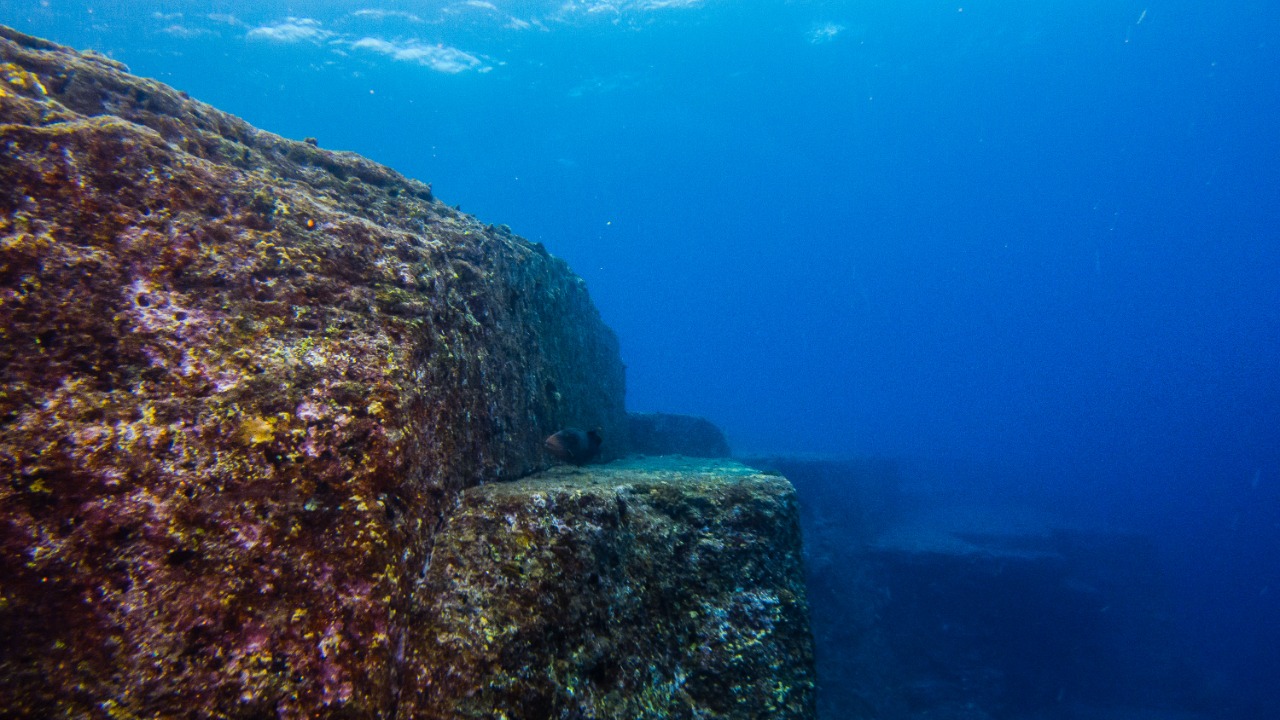
The Yonaguni Pyramid has been a subject of fascination since its initial discovery, with its massive stone formations resembling a stepped pyramid. The structure’s precise lines and right angles have led some to speculate about its possible man-made origins, while others argue that it could be a natural formation shaped by tectonic activity and ocean currents. This ongoing debate continues to fuel interest and research into the site’s true nature (SSB Crack).
Further exploration of the Yonaguni Pyramid has revealed intricate details that continue to puzzle scientists. Divers have documented the presence of what appear to be terraces, steps, and even a flat platform, which some argue could have served as a ceremonial site. These features add to the complexity of determining whether the structure is a natural wonder or a relic of human ingenuity. The site has become a focal point for underwater archaeologists who are employing advanced sonar mapping and 3D modeling to better understand its dimensions and potential functions (MSN).
Debating the Origins: Nature vs. Ancient Civilization
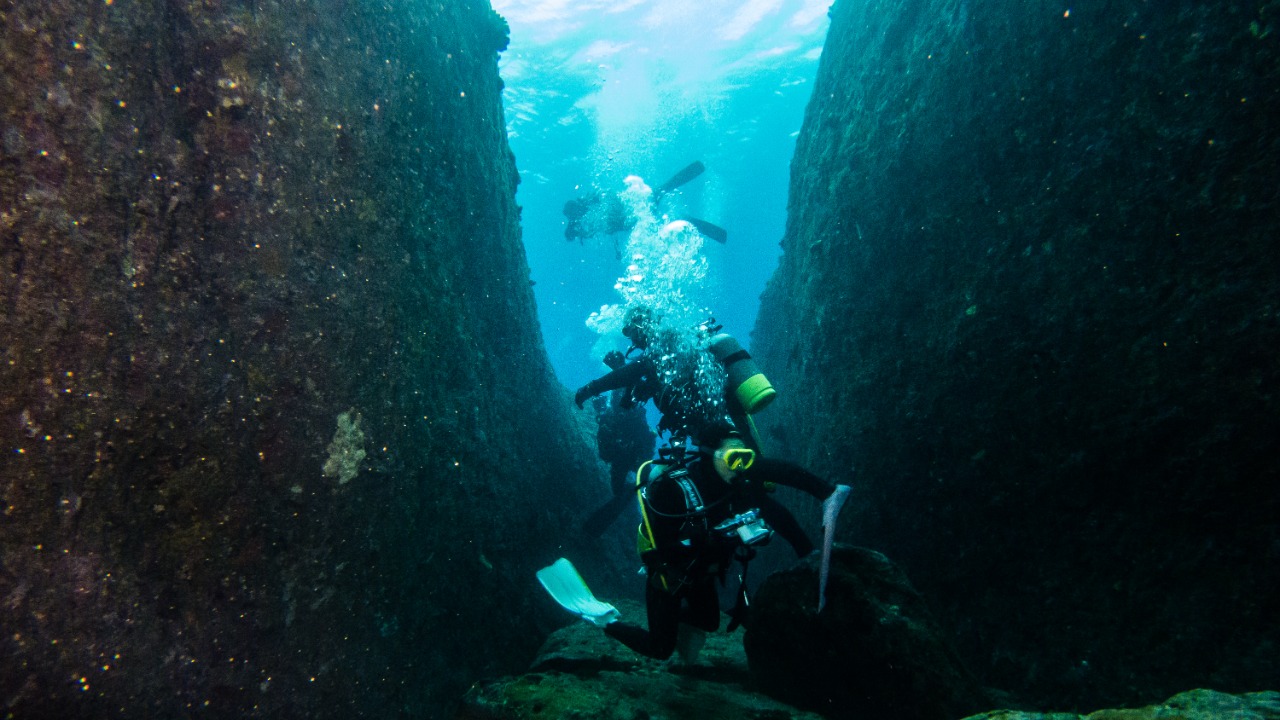
The central mystery surrounding the Yonaguni Pyramid is whether it is a product of natural forces or evidence of an ancient civilization. This debate is explored in depth in coverage titled “Unraveling the Mystery of Japan’s Yonaguni Pyramid: Nature or Ancient Civilization?” which examines the conflicting theories about the site’s origins. Some researchers suggest that the structure could be remnants of a lost civilization, potentially rewriting the history of early human settlements in the region (SSB Crack).
On the other hand, proponents of the natural formation theory argue that the Yonaguni Pyramid could be the result of unique geological processes. These processes may have sculpted the rock into its current form over thousands of years, creating the illusion of a man-made structure. This debate, detailed in reporting published on October 4, 2025, underscores the complexity of distinguishing between natural and artificial formations in underwater archaeology (SSB Crack).
Adding to the debate, some researchers have pointed to the presence of nearby artifacts, such as pottery shards and stone tools, which could suggest human activity in the area. These findings, however, are not universally accepted as evidence of an ancient civilization, as skeptics argue that these items could have been transported by ocean currents from other locations. The lack of definitive dating for these artifacts complicates efforts to establish a clear timeline for human presence in the region. This ongoing investigation highlights the challenges faced by archaeologists in piecing together historical narratives from underwater sites (SSB Crack).
Broader Context in Scientific Exploration
While the Yonaguni Pyramid captures the imagination of archaeologists, scientists are also making strides in other fields of exploration. For instance, a stunning new image of OJ 287, revealing the heart of a mysterious galaxy, has been captured, showcasing the capabilities of advanced imaging technology. This astronomical discovery parallels the underwater mysteries like the Yonaguni site, highlighting the role of cutting-edge technology in uncovering hidden structures, whether on the ocean floor or in distant galaxies (Daily Galaxy).
Such advancements underscore the importance of interdisciplinary approaches in scientific research. By combining techniques from marine archaeology and astronomy, researchers can gain new insights into the natural world and its hidden wonders. The ability to capture detailed images of both cosmic phenomena and underwater structures is transforming our understanding of the universe and our place within it (Daily Galaxy).
In addition to the Yonaguni Pyramid, scientists are exploring other submerged sites around the world, such as the ancient city of Dwarka off the coast of India and the sunken ruins of Pavlopetri in Greece. These sites, like Yonaguni, offer glimpses into past civilizations and challenge our understanding of historical geography. The use of submersible vehicles and remote-operated drones has revolutionized the ability to conduct detailed surveys of these underwater landscapes, providing new data that could reshape historical and geological theories. This global perspective underscores the interconnectedness of scientific discoveries across different domains (Daily Galaxy).
Implications for Archaeology and Geology
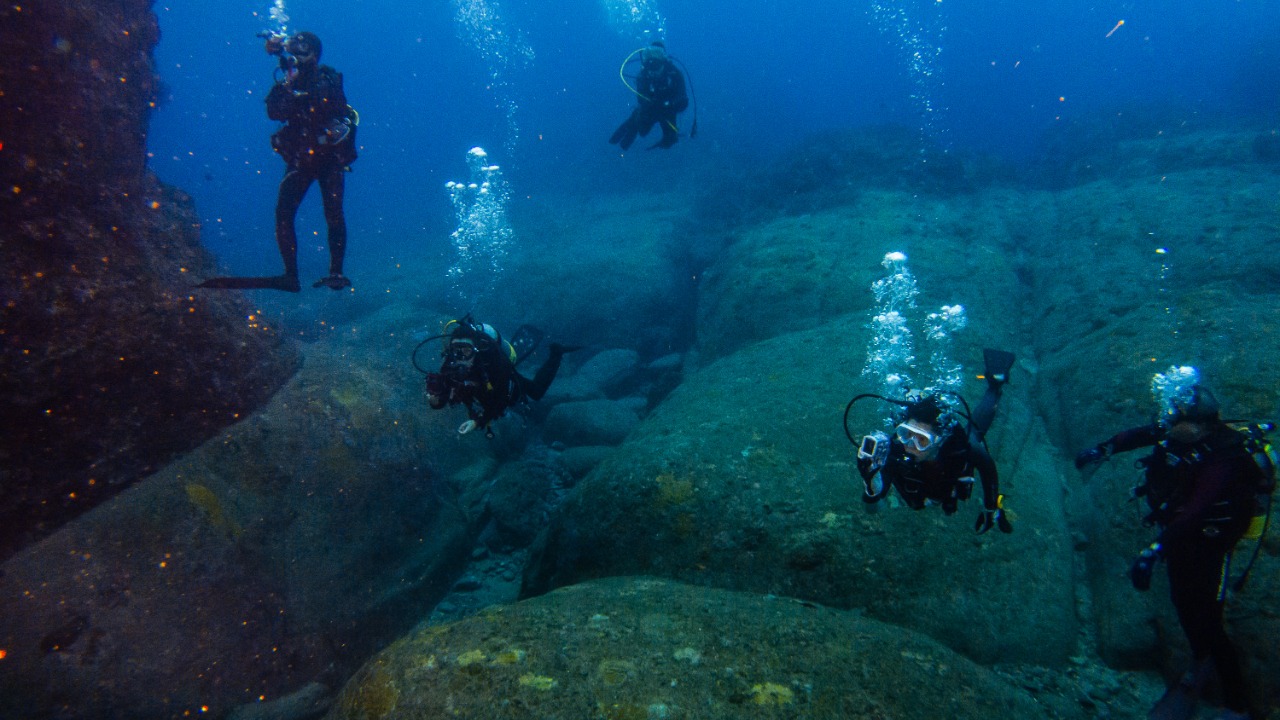
The potential of the Yonaguni Pyramid as an ancient artifact could have profound implications for our understanding of early civilizations in Japan. If confirmed as a man-made structure, it may provide evidence of sophisticated societies existing in the region long before previously thought. This possibility could lead to a reevaluation of historical timelines and cultural developments in ancient Japan (SSB Crack).
Conversely, if the structure is determined to be a natural formation, it would highlight the unique geological processes capable of creating pyramid-like features underwater. This would offer valuable insights into the dynamic forces shaping the Earth’s surface and contribute to our understanding of geological phenomena. Ongoing research into sites like the Yonaguni Pyramid emphasizes the need for interdisciplinary studies that combine marine archaeology and earth sciences, as highlighted in the 2025 reports (MSN).
