Researchers have recently uncovered a series of artifacts that suggest the existence of pre-human engineers, challenging our understanding of early human evolution. These findings, dispersed globally, indicate advanced tool-making skills and possible early cognitive development among pre-human species.
Emerging Discoveries in Archaeology

Recent archaeological excavations have led to groundbreaking discoveries that are reshaping our understanding of early hominin capabilities. Artifacts dated back over a million years have been unearthed, revealing advanced tool-making abilities in pre-human species. These findings suggest that the cognitive development of these early ancestors may have been more sophisticated than previously thought. The discovery of stone tools in China, for instance, has revealed manufacturing techniques that resemble those used by Neanderthals and early Homo sapiens, creating a fascinating Middle Stone Age mystery.
Analysis of these artifacts indicates a level of sophistication previously unattributed to early hominins. The tools exhibit complex designs and manufacturing techniques, hinting at cognitive capabilities that rival those of early modern humans. This challenges the long-held belief that such advanced tool-making skills were exclusive to Homo sapiens and their closest relatives. The presence of these tools across various global locations suggests that pre-human species may have possessed a shared understanding of technology and innovation.
Technological Advancements of Pre-Human Species

The technological prowess of pre-human species is further evidenced by the discovery of stone tools that exhibit complex manufacturing techniques. These tools, found in diverse locations around the world, demonstrate a level of craftsmanship that suggests a deep understanding of material properties and tool-making processes. The similarities between these tools and those used by Neanderthals and early Homo sapiens indicate that pre-human species may have developed parallel technological advancements independently or through cultural exchanges.
One of the most intriguing discoveries is the presence of carved limestone balls dating back 1.4 million years. These artifacts, found in various archaeological sites, reveal a potential understanding of geometry and design among pre-human engineers. The intricate carvings on these limestone balls suggest that early hominins possessed not only the manual dexterity required for such work but also the cognitive ability to conceptualize and execute complex designs. This finding, reported by The Brighter Side, challenges the notion that such skills were exclusive to later human species.
Implications for Human Evolutionary History

The discovery of these advanced artifacts necessitates a reevaluation of the timeline and nature of cognitive development in human ancestors. The evidence suggests that the origins of engineering skills may date back much further than previously believed, potentially pushing back the timeline of technological innovation among pre-human species. This challenges the traditional view of human evolution as a linear progression of increasing complexity and sophistication.
Furthermore, these findings support theories of early human migration and cultural exchange. The presence of similar tools and artifacts across different continents indicates that technological innovations may have spread much earlier than previously thought. This aligns with recent research suggesting that early humans may have walked from Türkiye to mainland Europe, as reported by EurekAlert. Such migrations could have facilitated the exchange of knowledge and skills, contributing to the development of early engineering practices.
The Role of Early Human Migration in Technological Development

Genomic studies have provided further insights into the role of early human migration in the dissemination of technological skills. Research indicates that early migrations into Asia played a critical role in shaping the technological landscape of the region. A genomics study has shown that the longest early human migration was from Asia, and it significantly influenced the development of the Americas. This suggests that the movement of early human populations facilitated the spread of technological innovations across vast distances.
The cradle of civilization in Africa remains central to understanding the spread and evolution of early engineering practices among pre-human species. The region’s rich archaeological record provides valuable insights into the technological advancements of early hominins. Discoveries of ancient tools and artifacts in Africa highlight the continent’s role as a hub of innovation and cultural exchange. The Cradle of Civilization article underscores the importance of Africa in the broader narrative of human evolution and technological development.
Future Research Directions and Challenges
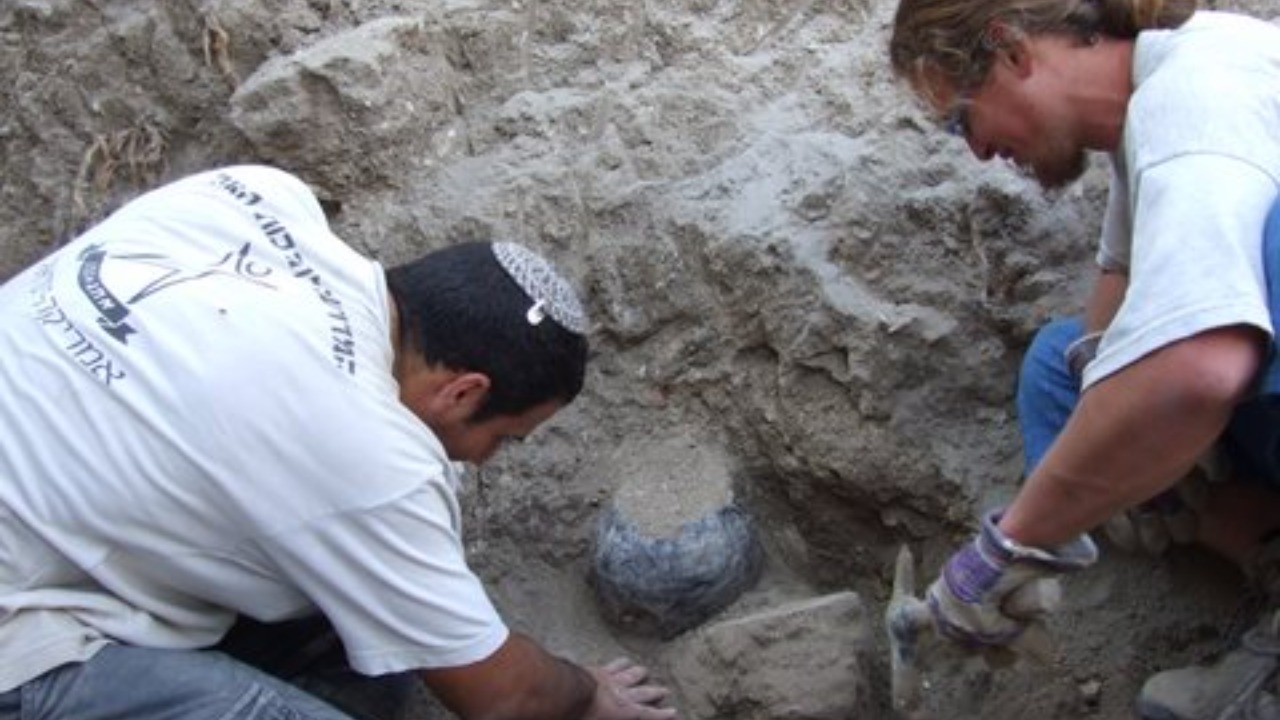
As researchers continue to uncover more artifacts, the extent and nature of pre-human engineering capabilities are becoming clearer. Ongoing excavation efforts aim to shed light on the technological prowess of early hominins and their contributions to the development of human civilization. These efforts are crucial for understanding the complex interplay between cognitive development, technological innovation, and cultural exchange in human evolution.
However, researchers face significant challenges in dating and contextualizing these findings within the broader framework of human evolution. The interdisciplinary nature of this research requires collaboration between archaeologists, anthropologists, geneticists, and other experts to piece together the puzzle of early human history. As new discoveries are made, the scientific community must work together to refine our understanding of the origins and evolution of engineering skills among pre-human species.
