
The legendary city of Atlantis has captivated explorers and scholars for centuries. Recent research suggests that the ruins of this enigmatic civilization might lie off the coast of Spain. This exploration delves into the latest discoveries, the evidence supporting these claims, and the implications for our understanding of ancient history.
The Legend of Atlantis: Myth or Reality?
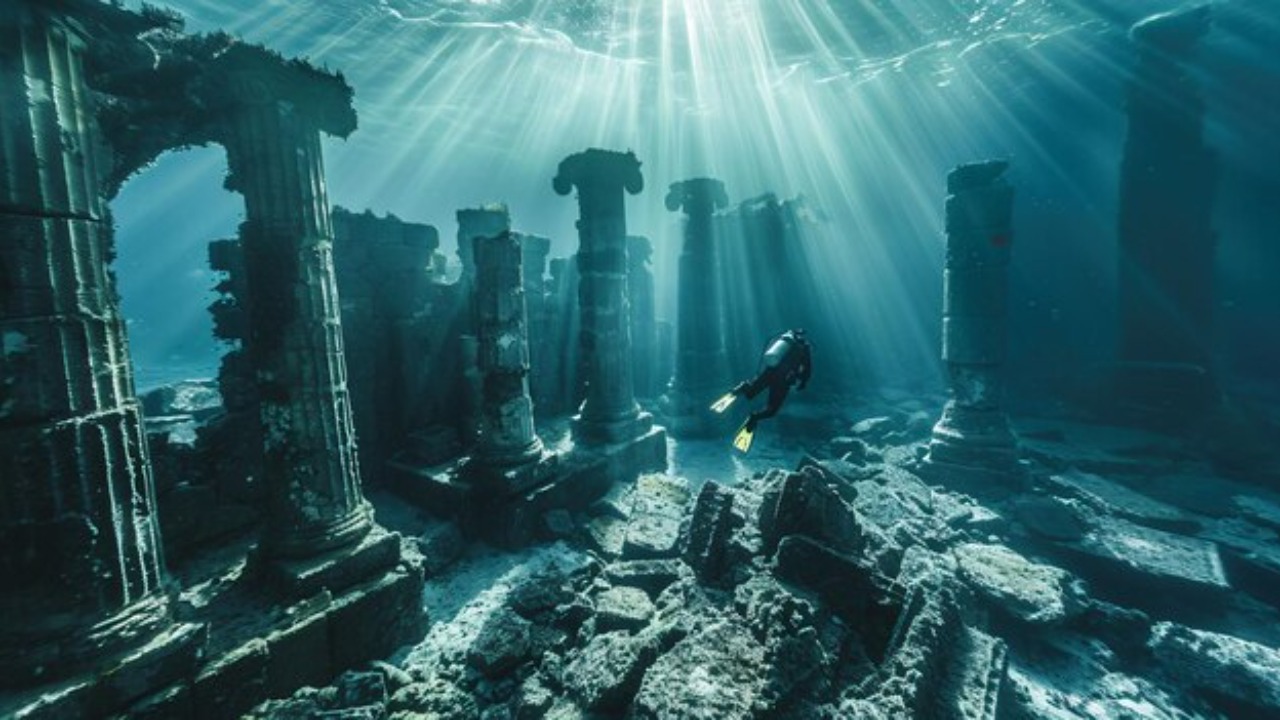
The legend of Atlantis finds its roots in the writings of the ancient Greek philosopher Plato. In his dialogues, “Timaeus” and “Critias,” Plato describes a powerful and advanced civilization that existed around 9,000 years before his time. According to his accounts, Atlantis was a utopian island situated beyond the “Pillars of Hercules” — known today as the Strait of Gibraltar. This civilization supposedly met its demise in a single day and night of catastrophic events, sinking into the sea. While some view Plato’s Atlantis as a mere allegory or philosophical construct, it has inspired countless explorations and theories about its existence and location.
Over the years, the quest to find Atlantis has prompted various theories and expeditions. Some have speculated that Atlantis could have been located in the Mediterranean, the Caribbean, or even Antarctica. Notable searches include those by Ignatius Donnelly in the 19th century, who linked Atlantis to the Azores, and the more recent work of Charles Orser, who has investigated the possibility of Atlantis being submerged near the Bahamas. Despite numerous explorations, definitive evidence remains elusive, leaving room for continued speculation and intrigue.
New Discoveries off the Coast of Spain

Recent archaeological findings off the coast of Spain have reignited interest in the Atlantis legend. A team of researchers utilizing advanced imaging technologies has identified submerged structures that bear a striking resemblance to ancient cities. These underwater ruins, located in the mudflats of the Doñana National Park, have captured the attention of many scholars. The geographical location aligns with Plato’s description, making it a compelling candidate for the ancient city.
The research team employed satellite and sonar imaging to map the seabed and identify potential artifacts. These technologies have allowed for detailed analysis without intrusive excavation, preserving the site for future study. The project is a collaborative effort involving scientists from various international institutions, highlighting the global fascination with the Atlantis mystery. This discovery adds a new dimension to the search for Atlantis and provides a promising lead that could reshape historical narratives.
Evidence Supporting the Spanish Atlantis Theory
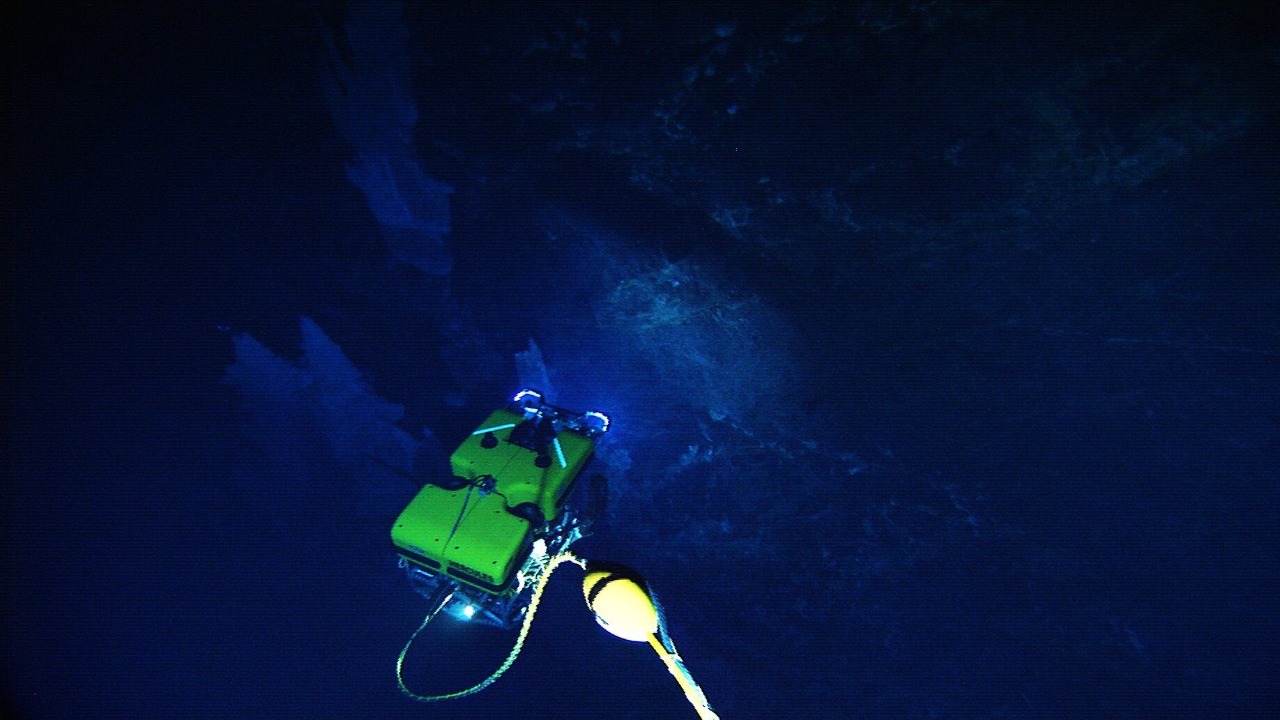
One of the key elements supporting the Spanish Atlantis theory is the geological and environmental factors of the region. The area around the Doñana National Park is known for its historical seismic activity, which could have contributed to a sudden submersion of land. Studies of the region’s geology suggest significant landscape changes over thousands of years, consistent with the idea of an advanced civilization being lost to the sea. These findings align with Plato’s description of Atlantis disappearing due to cataclysmic events.
In addition to geological evidence, there are cultural and architectural parallels that enhance the credibility of the Spanish Atlantis theory. Artifacts and structures unearthed at the site show similarities with other ancient Mediterranean civilizations, such as the Minoans and the Phoenicians. Moreover, local legends and historical records hint at the existence of a prosperous society that once thrived in the region. These parallels suggest that if Atlantis existed, it could have had connections with known ancient cultures, further supporting the theory of its location near Spain.
Implications for Historical Understanding
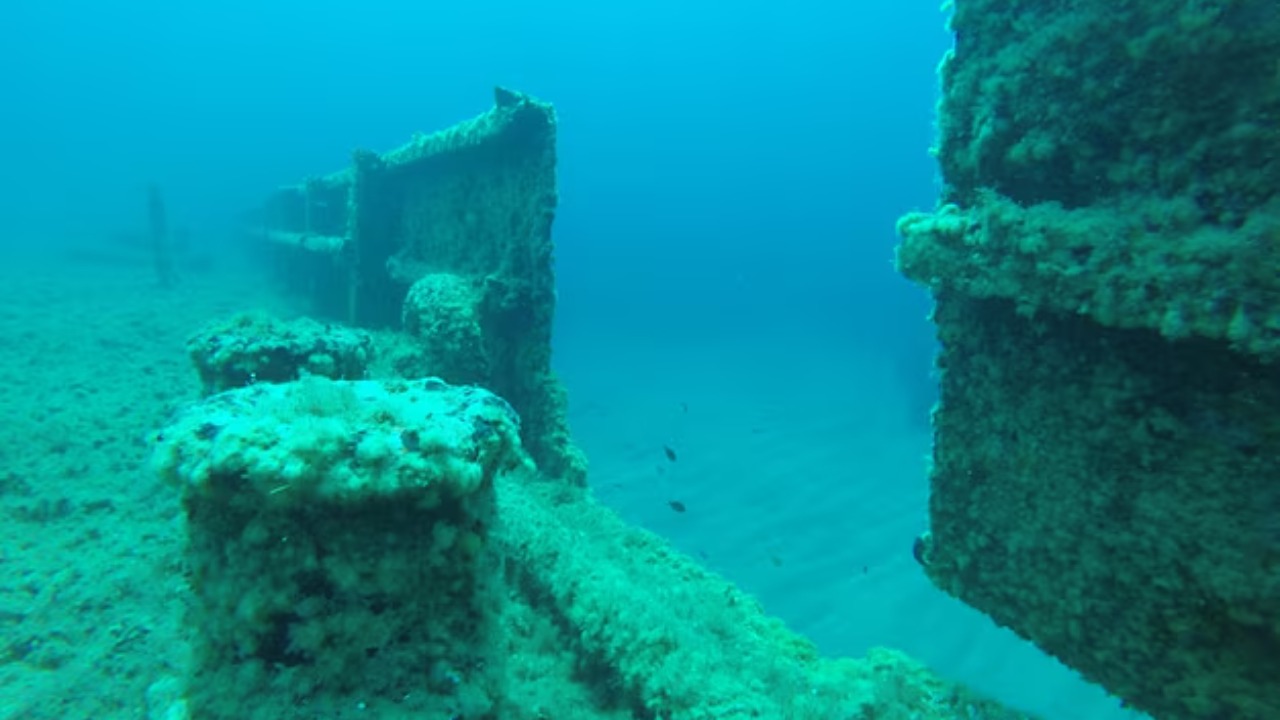
The potential discovery of Atlantis off the coast of Spain could lead to a significant rewriting of historical narratives. If verified, these findings might alter our understanding of the timeline of human development, particularly regarding the interactions between ancient Mediterranean civilizations. Such a discovery would challenge existing theories about the advancement and spread of ancient cultures, prompting scholars to reassess historical timelines and connections.
However, the Spanish Atlantis theory is not without its critics. Some members of the academic community remain skeptical, arguing that the findings could result from natural formations rather than human-made structures. The need for further research and verification is essential to address these criticisms. As with any groundbreaking discovery, rigorous scientific examination and peer review are crucial to establishing the validity of the claims. Continued exploration and analysis will be necessary to resolve these debates and determine the true nature of the site.
The Future of Atlantis Exploration
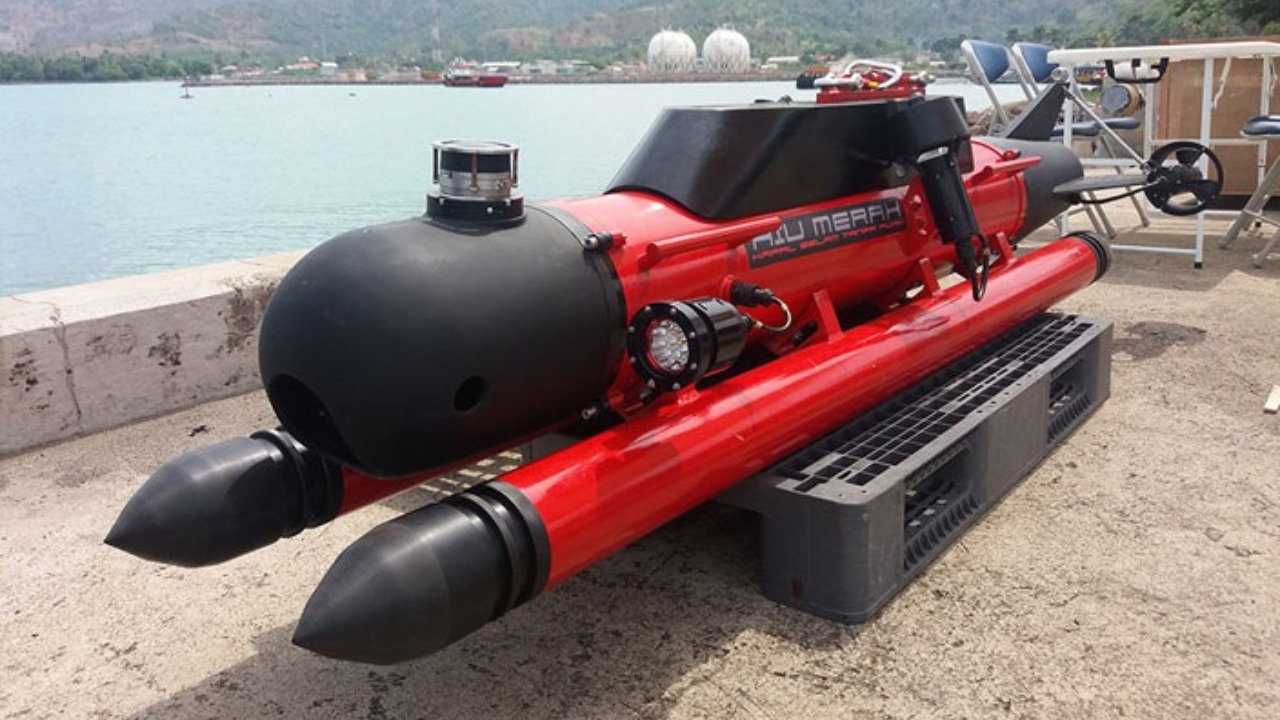
The search for Atlantis is far from over, and ongoing research initiatives aim to uncover more evidence. Future expeditions will benefit from advancements in technology, such as improved imaging techniques and underwater robotics, which will allow for more detailed exploration of submerged sites. The involvement of international researchers and institutions underscores the collaborative nature of this endeavor, with shared resources and expertise driving the investigation forward.
Beyond the scientific community, the broader impact of Atlantis exploration continues to inspire public interest and engagement. The allure of discovering a lost civilization captivates the imagination, encouraging a new generation of explorers and researchers to pursue careers in archaeology and related fields. Media coverage and documentaries play a significant role in maintaining public interest, emphasizing the importance of storytelling in archaeological discovery. As the search for Atlantis progresses, it serves as a testament to humanity’s enduring curiosity and desire to uncover the mysteries of our past.
