A groundbreaking discovery has revealed a massive ocean hidden 700 kilometers beneath the Earth’s surface, challenging our understanding of the planet’s structure. This astonishing find, documented in recent scientific studies, could have profound implications for geology, hydrology, and even the origins of life on Earth.
Unveiling the Discovery
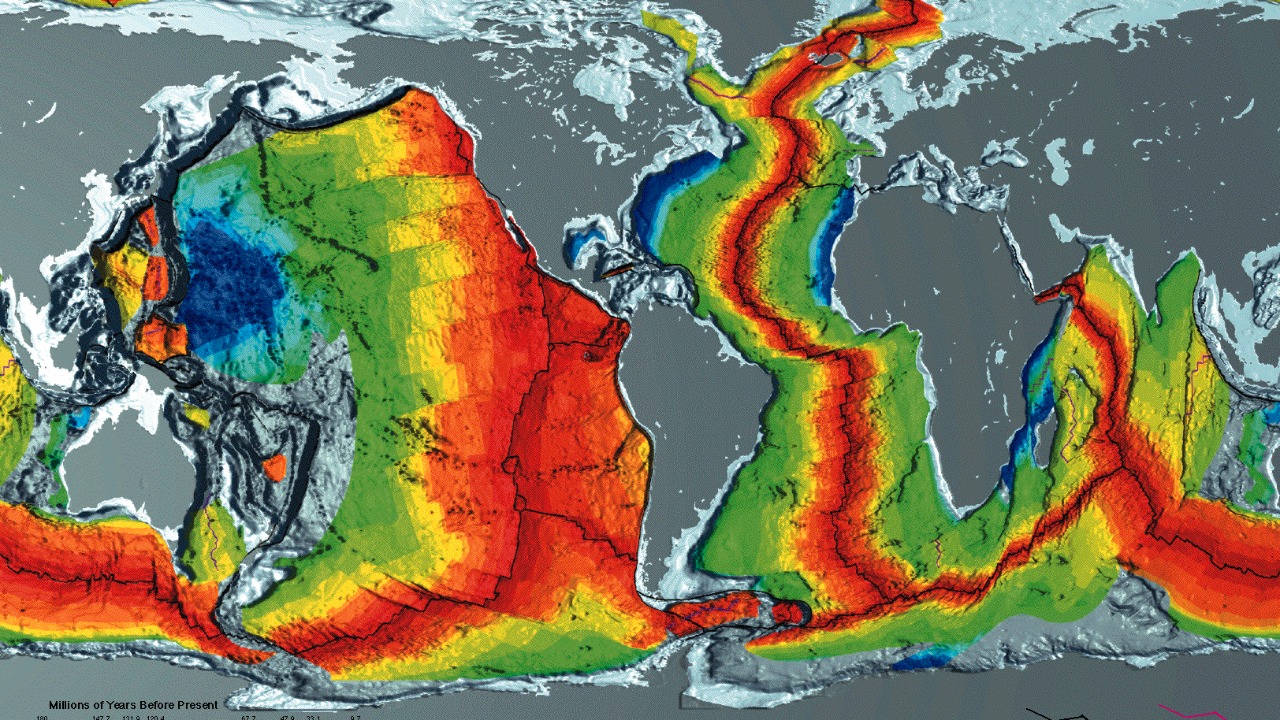
The discovery of the subterranean ocean is the result of relentless exploration by a consortium of international scientific teams. Over the years, researchers have persistently sought to understand the mysteries lying deep beneath the Earth’s surface. Their efforts have culminated in this extraordinary revelation, which was made possible through the use of advanced seismic imaging techniques and data analysis. These scientists have built on decades of geological research to piece together this hidden aspect of our planet.
Technological advances have played a crucial role in revealing this hidden ocean. The use of advanced seismic imaging allowed researchers to detect anomalies and patterns that hinted at the presence of vast water reserves beneath the Earth’s crust. Such technological breakthroughs have opened new avenues in the field of geology, allowing scientists to visualize and study parts of the Earth previously thought to be inaccessible.
The scientific community has reacted with a mix of excitement and curiosity. This discovery has sparked widespread discussions, with researchers eager to explore the implications of this subterranean ocean. Initial reactions have emphasized the need for further studies to understand the full scope and significance of this finding, as well as its potential impacts on existing geological theories.
Geological Implications

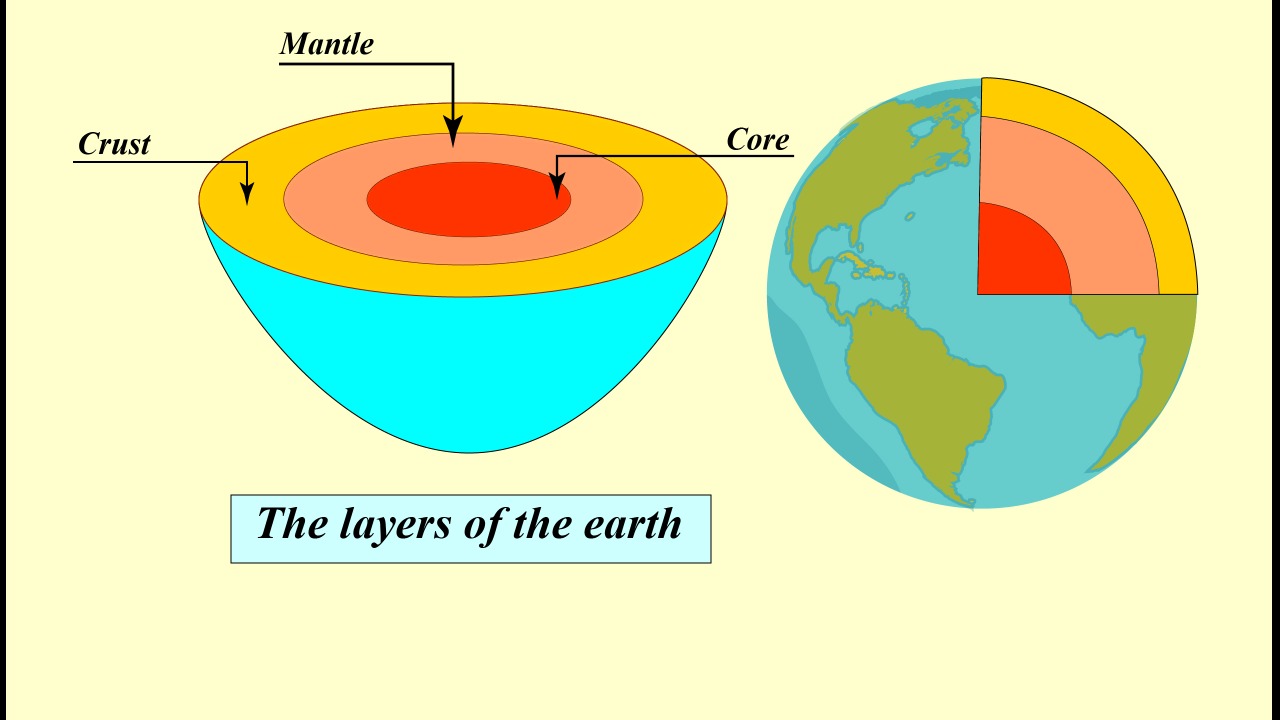
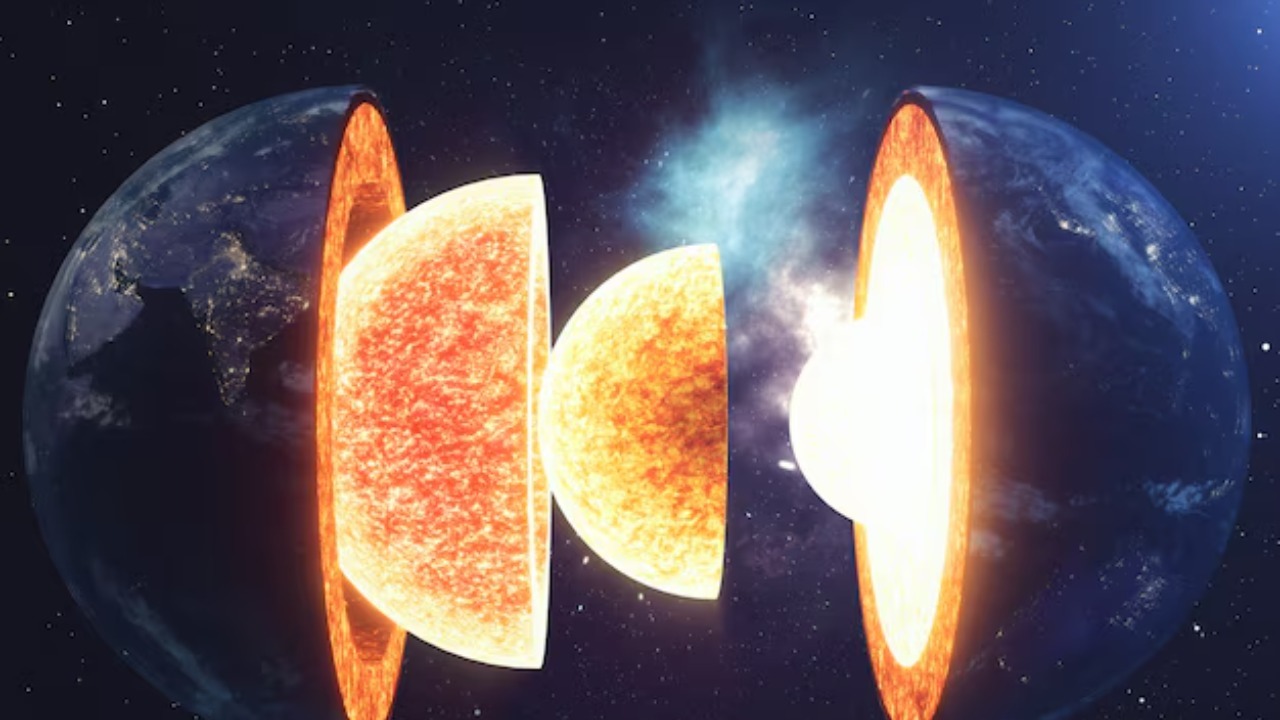
This discovery has significant implications for our understanding of Earth’s structure. Prior to this, the Earth’s layers were understood primarily as a series of solid and molten rock formations. However, the presence of a massive ocean beneath the crust suggests that our planet’s interior is far more complex than previously thought. This finding challenges conventional geological models and may lead to a reevaluation of the composition and dynamics of Earth’s layers.
The impact on plate tectonics theories is also profound. The existence of this ocean could influence the movement and interactions of tectonic plates, potentially altering our understanding of seismic activity and the forces driving plate movements. Researchers are now considering how this hidden ocean might interact with the Earth’s mantle and influence geological processes on a global scale.
Moreover, this discovery prompts a reconsideration of the global water cycle. Traditionally, the water cycle has been understood to involve only the surface and atmospheric waters. With the addition of this vast subterranean ocean, scientists are now rethinking how water moves through the Earth system, including how it might contribute to the replenishment of surface waters and influence climate patterns over geological time scales.
Potential for Life
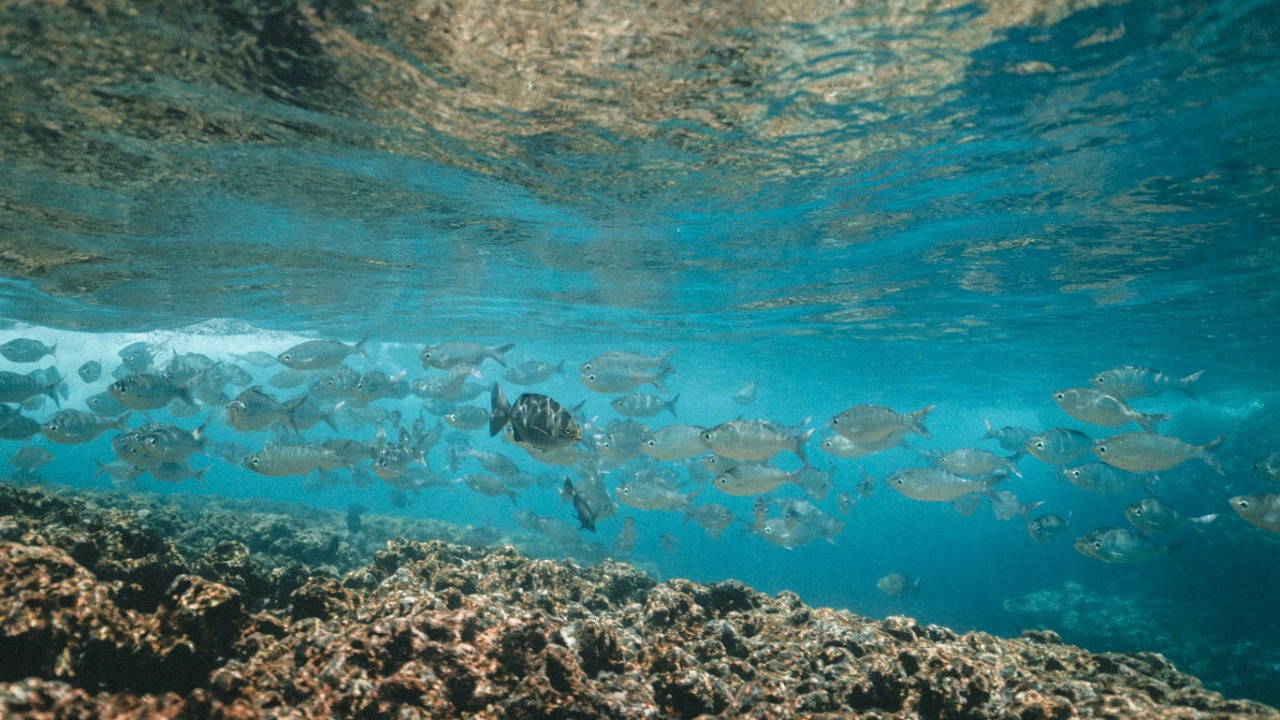
The conditions within this hidden ocean raise intriguing questions about the potential for life. Scientists are keen to explore whether the environmental conditions—such as temperature, pressure, and chemical composition—could support life forms adapted to such extreme environments. This ocean might host unique ecosystems, similar to those found around hydrothermal vents in the deep sea, where life thrives in the absence of sunlight.
When compared to Earth’s surface oceans, this underground ocean may differ significantly in terms of size, composition, and biodiversity potential. While the surface oceans are teeming with diverse life forms, this subterranean ocean might harbor life forms that are fundamentally different, potentially offering new insights into the adaptability and resilience of life in extreme conditions.
The discovery also holds astrobiological insights. The presence of a hidden ocean beneath Earth’s crust suggests that similar conditions could exist on other planets and moons, particularly those with icy crusts and subsurface oceans. This expands the possibilities for the search for extraterrestrial life, as scientists look for signs of life on celestial bodies with similar subterranean water reserves.
Technological and Methodological Breakthroughs
The detection of this ocean was largely made possible through the innovative use of seismic wave analysis. By studying how seismic waves travel through the Earth, scientists were able to identify areas where the waves slowed down or changed direction, indicating the presence of water. This method provided a new way to explore the Earth’s interior without the need for physical drilling, which is both costly and technically challenging.
Interpreting the data from seismic wave analysis posed significant challenges. Researchers had to contend with complex geological structures and potential sources of error in their data. However, advances in data interpretation techniques, including the use of machine learning and sophisticated modeling software, have allowed scientists to accurately identify and map the subterranean ocean.
Looking to the future, emerging technologies promise to enhance our understanding of deep Earth phenomena even further. Innovations such as improved sensor technologies and more powerful computational models could provide even clearer insights into the Earth’s structure and the dynamics of its hidden ocean. These tools will be essential for future research efforts aimed at uncovering the full extent and significance of this discovery.
Broader Impact on Science and Society
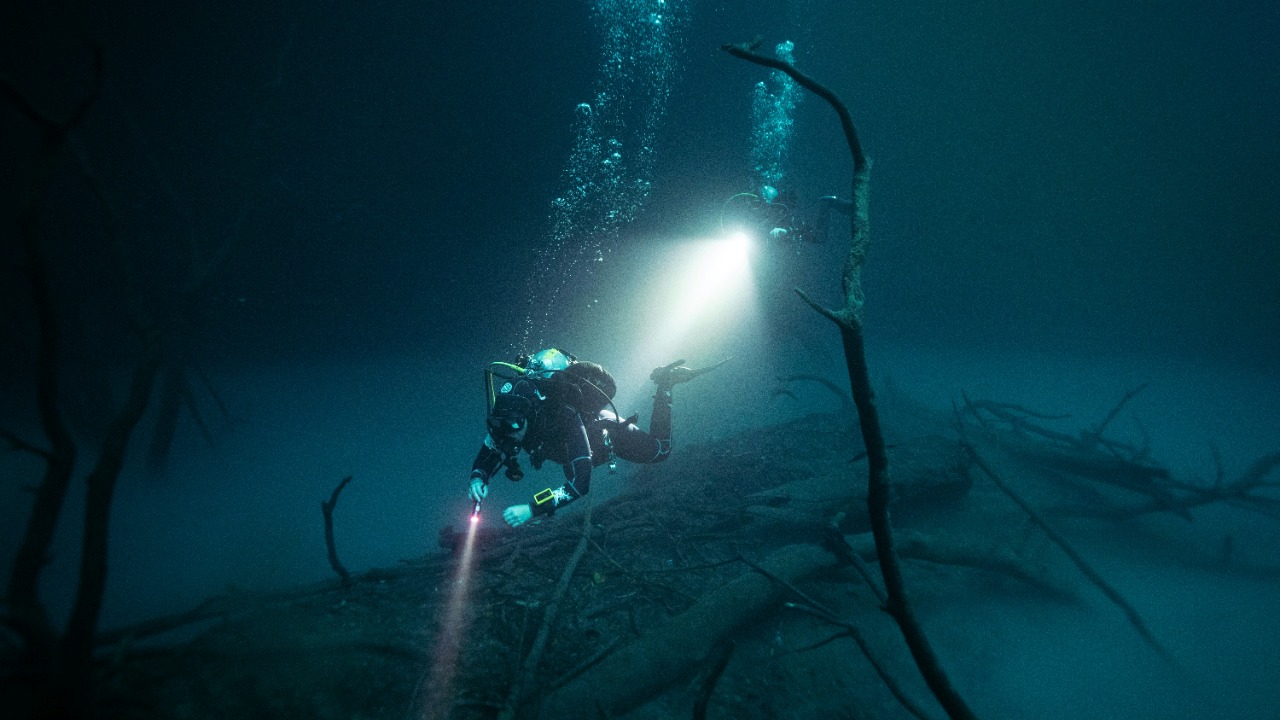
The discovery of this hidden ocean offers exciting educational opportunities. It can be integrated into educational curricula to inspire future scientists and encourage interest in geology, hydrology, and planetary science among students. Educators can use this discovery to demonstrate the dynamic nature of scientific exploration and the importance of technological advancements in expanding our understanding of the natural world.
From an environmental perspective, this discovery could reshape our understanding of Earth’s resources and sustainability. The existence of such a vast reservoir of water beneath the Earth’s crust raises questions about its potential role in supporting surface ecosystems and contributing to the planet’s overall water budget. Researchers and policymakers will need to consider the implications of this discovery for resource management and environmental conservation.
The importance of global collaboration in advancing deep Earth research cannot be overstated. This discovery was made possible through the combined efforts of scientists from around the world, highlighting the value of international partnerships in tackling complex scientific challenges. Continued collaboration will be crucial for further exploring this hidden ocean and uncovering what it can teach us about our planet and beyond.
Looking Ahead
As researchers continue to explore this hidden ocean, several next steps in research are already being planned. Future studies will focus on understanding the physical and chemical properties of the water, as well as mapping the extent and dynamics of the ocean. These efforts will require the development of new research tools and methodologies to delve deeper into the Earth’s interior.
The implications of this discovery extend beyond geology and hydrology. Fields such as physics, chemistry, and environmental science stand to benefit from the insights gained through the study of this subterranean ocean. By understanding the interactions between different Earth systems, scientists can develop more comprehensive models of planetary processes and improve predictions related to climate change and resource management.
Engaging the public in these discoveries is also essential. Strategies to increase public interest and awareness about deep Earth discoveries could include educational outreach programs, public lectures, and interactive exhibits. By fostering a greater understanding of the significance of these findings, we can inspire the next generation of explorers and innovators to continue pushing the boundaries of scientific knowledge.
