Recent discoveries of fossils have provided evidence suggesting intelligent tool use among pre-human species. This groundbreaking research has the potential to reshape our understanding of early hominid behavior and evolution.
Discovery of Fossils Indicating Tool Use
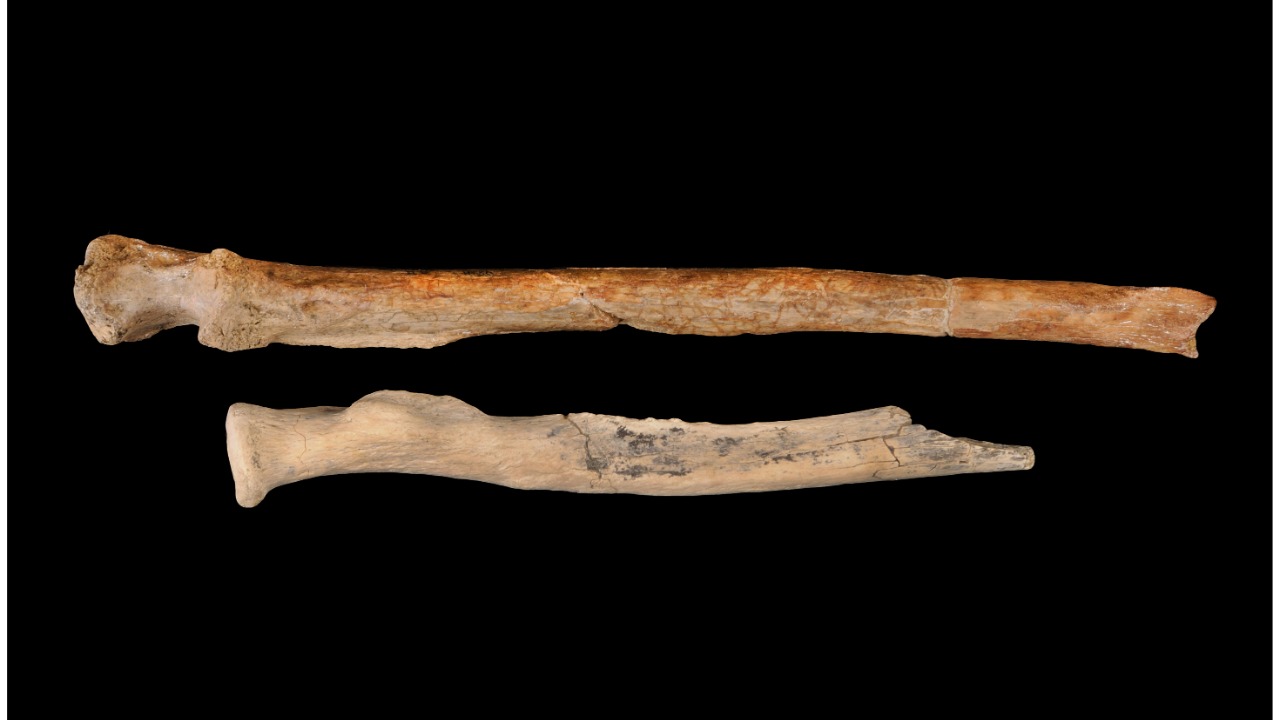
The fossil findings that suggested tool use are truly remarkable. Detailed examinations of the remains provide clues about our early ancestors and their ability to use tools. For instance, the Paranthropus, a distant human relative, show possible signs of tool use. These are primarily based on the wear patterns found on the teeth of these early hominids.
The discoveries were made in various parts of the world, serving as vital pieces in the puzzle of human evolution. The age of these fossils, determined through radiometric dating, indicates that tool use predates Homo sapiens. This suggests a much earlier timeline for tool use than previously believed.
Interpretation of Evidence of Tool Use

The tools found in association with the fossils add another layer of intrigue to these discoveries. These objects, formed from stones and bones, provide a glimpse into the lives and habits of our distant predecessors. Experts believe that these tools might have been used for a variety of purposes, including food preparation, hunting, and possibly even crafting.
When compared with known tool use in early human species like Homo habilis, these tools show striking similarities. This link suggests a continuous evolution of tool use and intelligence from pre-human species to modern humans.
The Role of Tool Use in Hominid Evolution
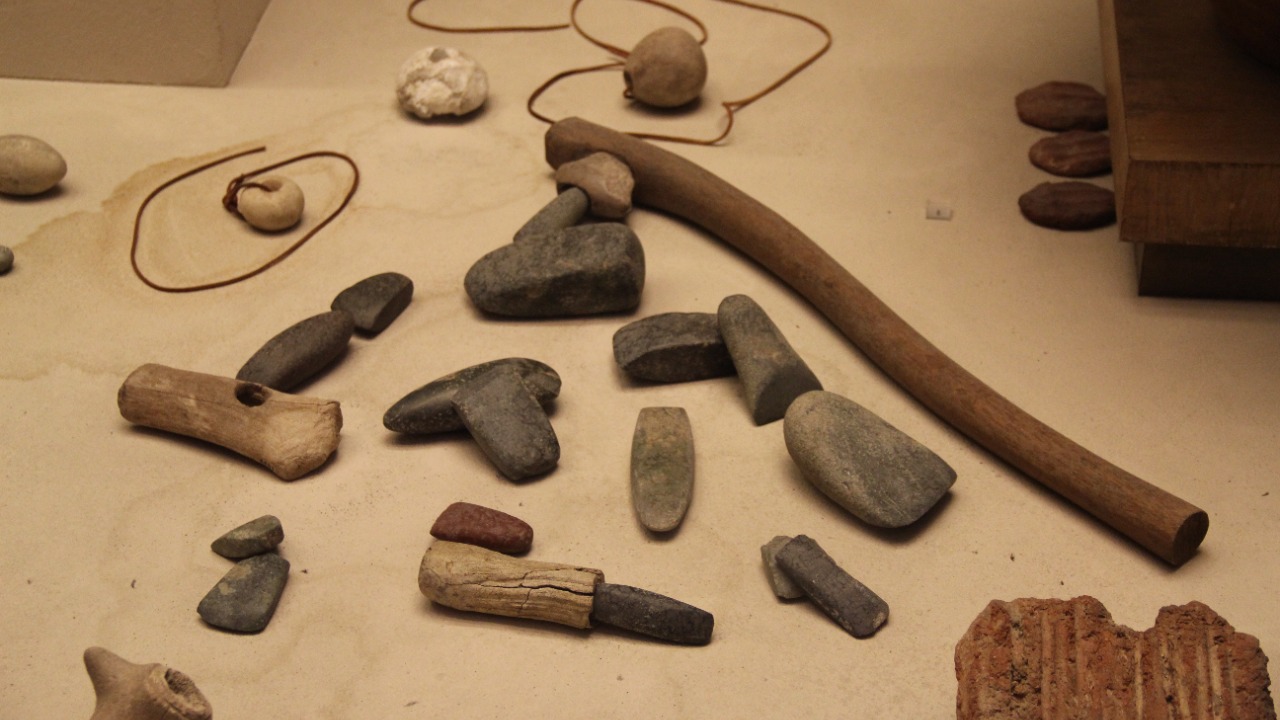
Tool use likely played a significant role in the development of early hominids. Manipulating objects and creating tools requires a certain level of cognitive ability. This is believed to have driven the evolution of larger brain sizes among early hominids. One theory suggests that tool use and the associated cognitive demands could have been a driving force behind the development of traits associated with modern human intelligence.
There is also a strong link between diet and tool use. For instance, early hominids like Australopithecus, who were largely vegetarian, might have used tools to access and process a wider variety of plant-based foods. This could have had significant implications for their survival and evolutionary success.
Contrasting Views on Pre-Human Tool Use
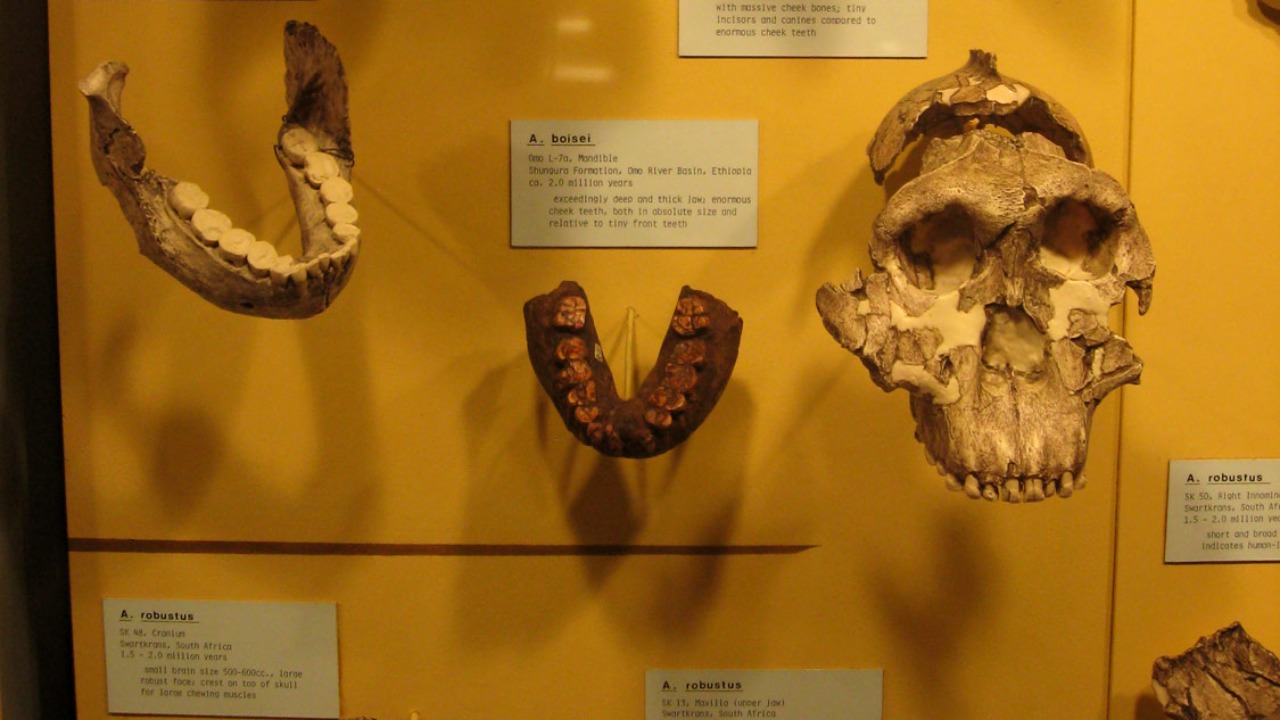
While the evidence of tool use among pre-human species is compelling, it’s not without controversy. Opinions within the scientific community vary widely. Some researchers question whether the wear patterns on fossil teeth truly indicate tool use, or if they could be the result of other behaviors. Others argue that the tools found could have been used by more recent hominids and simply ended up in older sediment layers due to geological processes.
Alternative explanations for the evidence include the possibility that the tools were not intentionally crafted but are simply naturally occurring objects that were opportunistically used by early hominids. However, the complexity and specificity of some of the tools suggest a level of intentional design that goes beyond mere opportunistic use.
Implications for Understanding Human Evolution
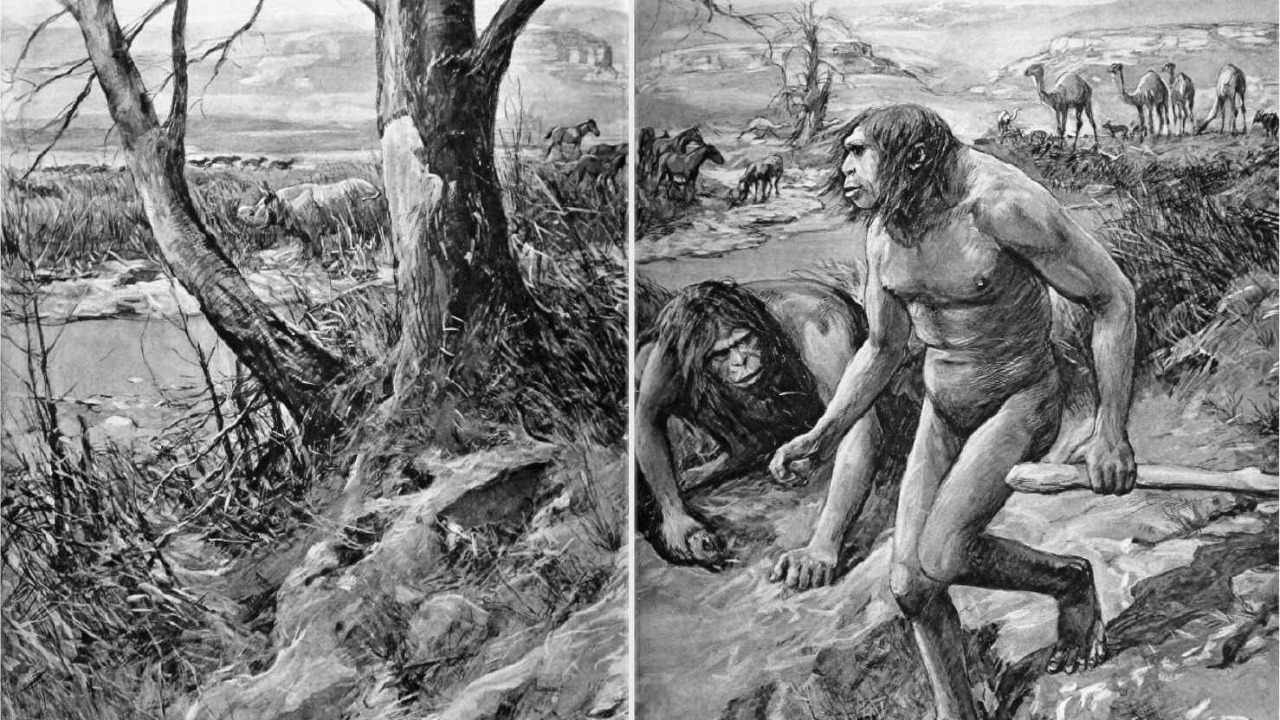
The findings of tool use among pre-human species could have profound implications for our understanding of human evolution. They invite us to rethink established timelines and the development of cognitive abilities among early hominids. These discoveries open up a new realm of possibilities for future research in this field.
Moreover, the importance of these discoveries extends beyond the realm of paleoanthropology. They provide invaluable insights into the broader context of archaeological and anthropological study, shedding light on the origins of human culture and society. As we continue to unearth the secrets of our past, we gain a deeper understanding of our species and our place in the natural world. In the words of paleoanthropologist Rick Potts, “we are a species that has evolved to be explorers and innovators.”
