Scientists have recently identified an intriguing gravitational anomaly concealed beneath the icy vastness of Antarctica. This fascinating discovery prompts us to explore its origins, the methods used for its detection, and what it could imply about the Earth’s geology and physics.
Understanding Gravitational Anomalies
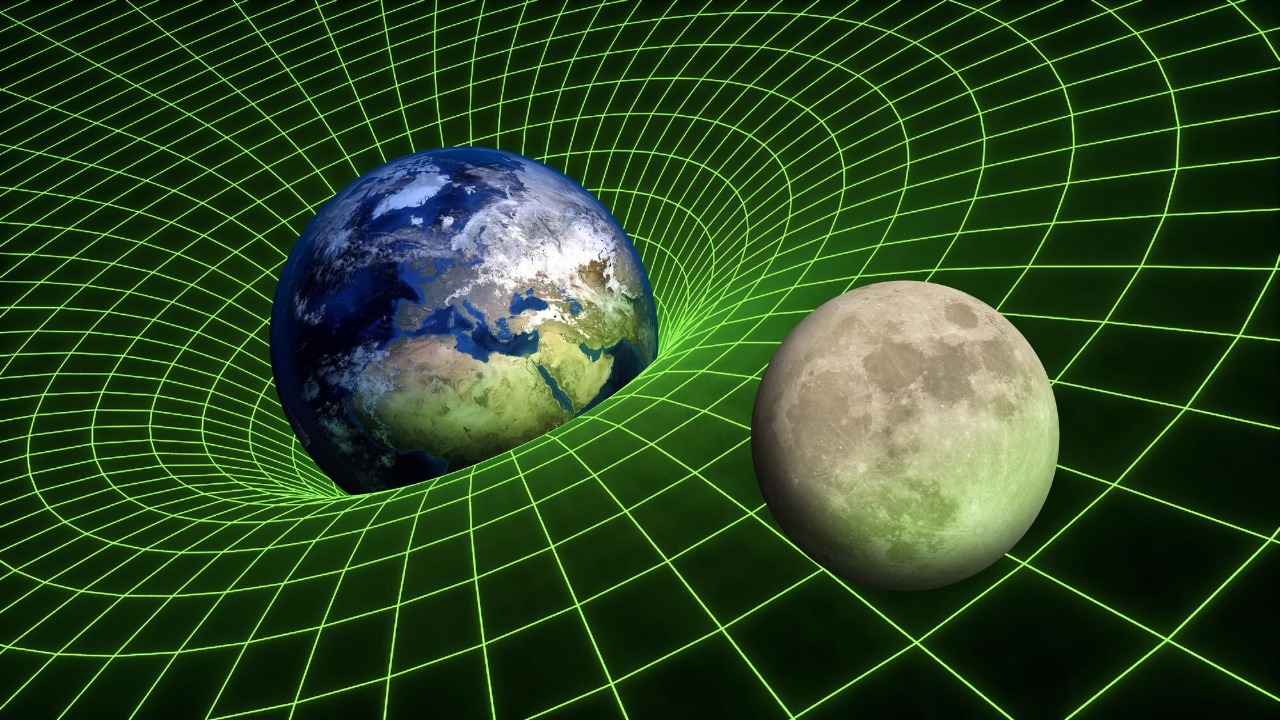
Gravitational anomalies refer to deviations in the Earth’s gravitational field, differing from what we consider “normal”. These variations occur because the distribution of mass in the Earth’s interior is not uniform, leading to changes in gravity across different locations on the planet. For instance, as explained in this article on how gravity changes across Earth, you would weigh less at the summit of Mount Everest than at sea level due to the reduced gravitational pull at higher altitudes.
Detecting and measuring these anomalies involves a range of methods. Geophysicists often use satellites, which can provide a global view of gravity variations. Ground-based surveys, on the other hand, can offer more detailed local readings. These methods can unveil hidden geological structures and processes, which contribute to our knowledge of Earth’s internal structure.
The Discovery in Antarctica

The anomaly that caught scientists’ attention lies beneath the Wilkes Land region of Antarctica. This Wilkes Land gravity anomaly was identified through a combination of satellite measurements and ground-based surveys. The data collected revealed a significant deviation in the local gravitational field, suggesting the presence of a structure of significant mass hidden beneath the ice.
The initial interpretations of the data suggest that the anomaly could be due to a massive object deep below the Earth’s surface. However, further research is needed to accurately determine the nature and origin of this anomaly. This groundbreaking discovery is opening new avenues for understanding the geological secrets hidden beneath Antarctica’s icy expanse.
The ANITA Experiment and Its Findings
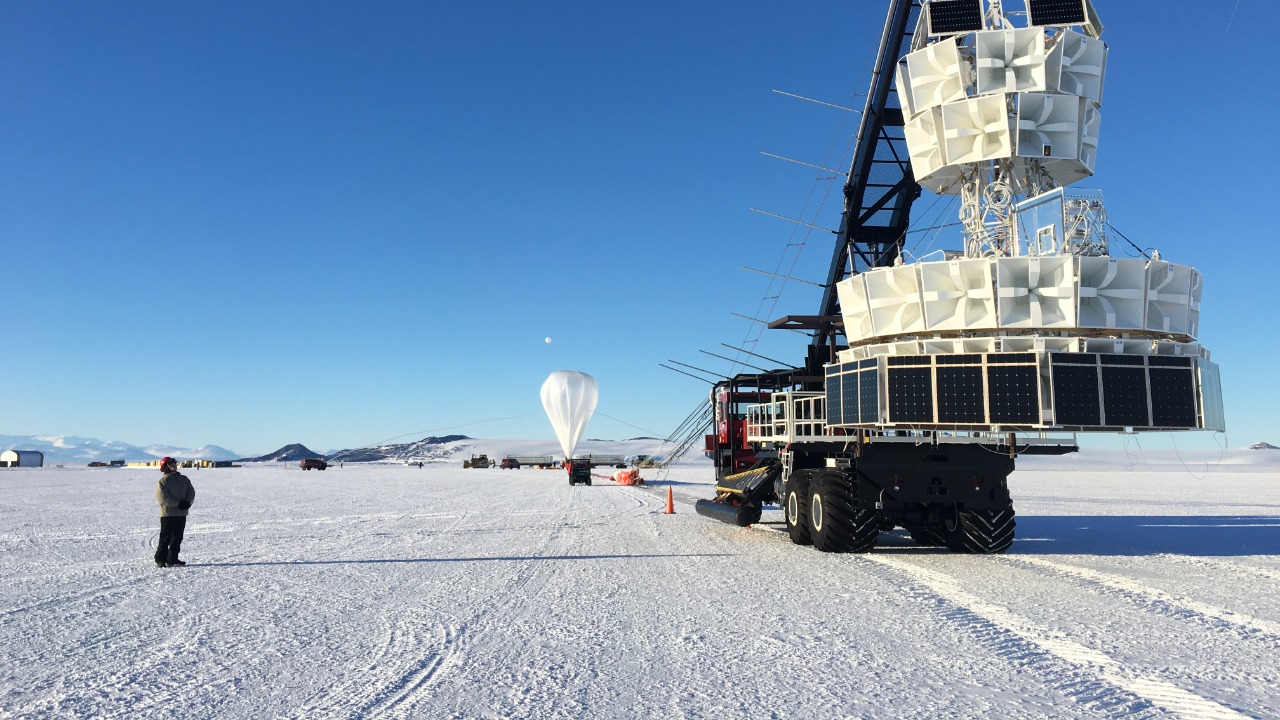
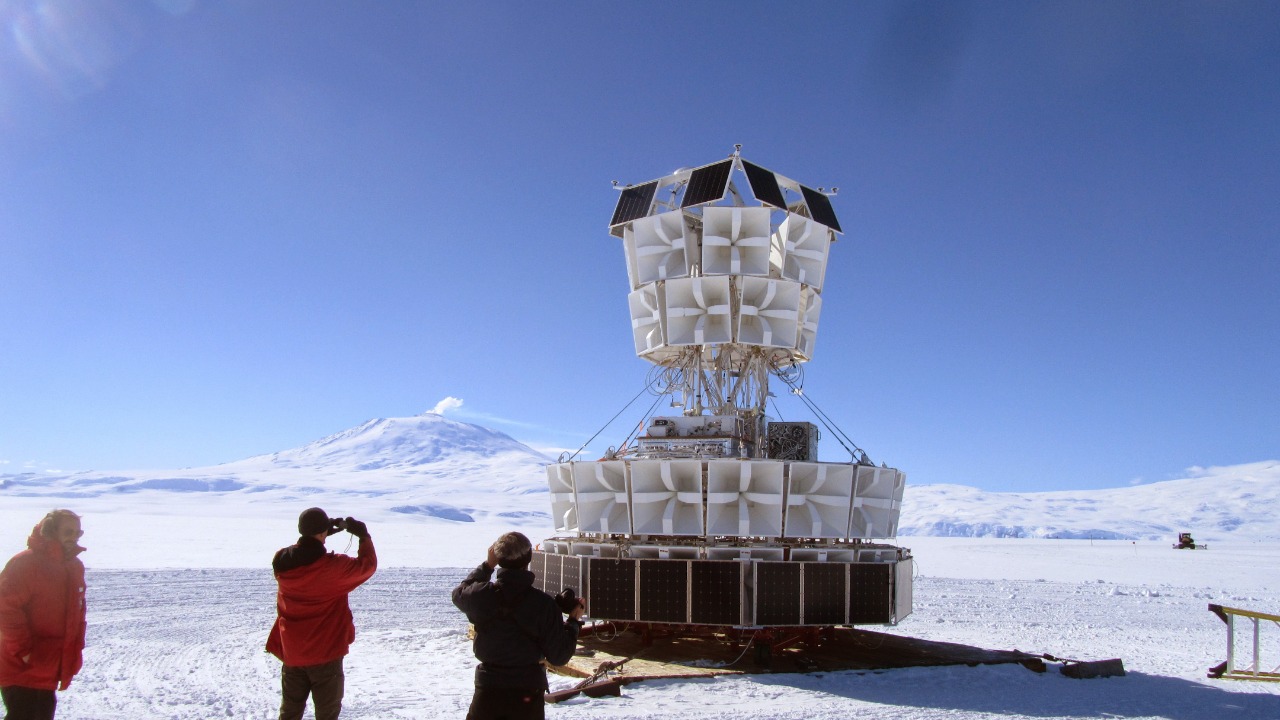
The Antarctic Impulsive Transient Antenna (ANITA) experiment has been instrumental in this discovery. ANITA is a NASA-led project involving a high-altitude balloon equipped with radio antennas. The main aim of ANITA is to detect ultra-high-energy cosmic neutrinos, which are elusive particles from outer space that can pass through solid matter.
Interestingly, ANITA detected anomalous radio signals coming from the Antarctic ice. As reported by Newsweek, these signals could not be readily explained by our current understanding of physics. This unexpected finding, alongside the detected gravitational anomaly, has sparked significant interest and debate within the scientific community.
Potential Causes of the Anomaly

One popular hypothesis for the Antarctic anomaly is that it could be the result of a massive asteroid impact. The detected gravitational variations could be due to the dense impact crater or the remnants of the asteroid itself buried beneath the ice. However, this theory is yet to be confirmed and requires further investigation.
Other potential causes could relate to geological structures or features. For instance, variations in the Earth’s crust or mantle, or the presence of dense rock formations, could contribute to localized changes in gravity. Additionally, the mass and density of the Antarctic ice itself could influence the gravitational readings, an aspect highlighted in this article published in Geophysical Research Letters.
Implications for Science and Future Research
This discovery has significant implications for our understanding of geology and physics. It challenges current theories and models, prompting scientists to reassess and refine their understanding. For example, if the anomaly is indeed due to an asteroid impact, it could have far-reaching implications for our knowledge of Earth’s history and evolution.
The potential for similar discoveries elsewhere in the world also opens new possibilities for exploration. Researchers may seek to investigate other remote and inaccessible regions for similar gravitational anomalies. The ongoing study of the Antarctic anomaly could also influence future research directions, encouraging scientists to delve deeper into the mysteries concealed beneath the Earth’s surface.
Whether or not the anomaly turns out to be an asteroid impact site, a geological feature, or something entirely unexpected, the Antarctic gravity anomaly has opened a new chapter in the scientific exploration of our planet. As investigations continue, we can look forward to more revelations about this mysterious gravitational anomaly and what it tells us about our home planet.
