Recent discoveries in a remote cave have unveiled mysterious carvings that bear a striking resemblance to alien figures. Researchers are working to decode these ancient symbols, offering potential insights into early human culture and its fascination with otherworldly beings. These enigmatic carvings raise questions about the influence of extraterrestrial imagery on ancient civilizations and their perspectives on the universe beyond Earth.
The Discovery of the Cave Carvings

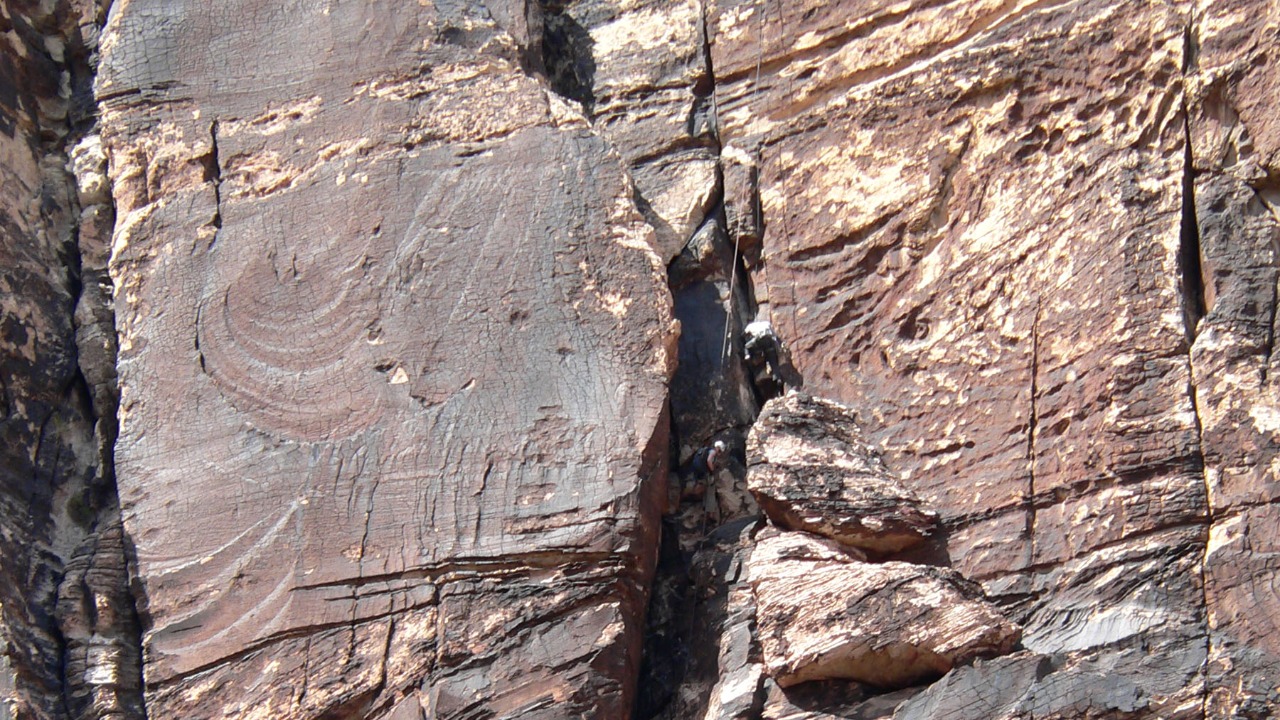
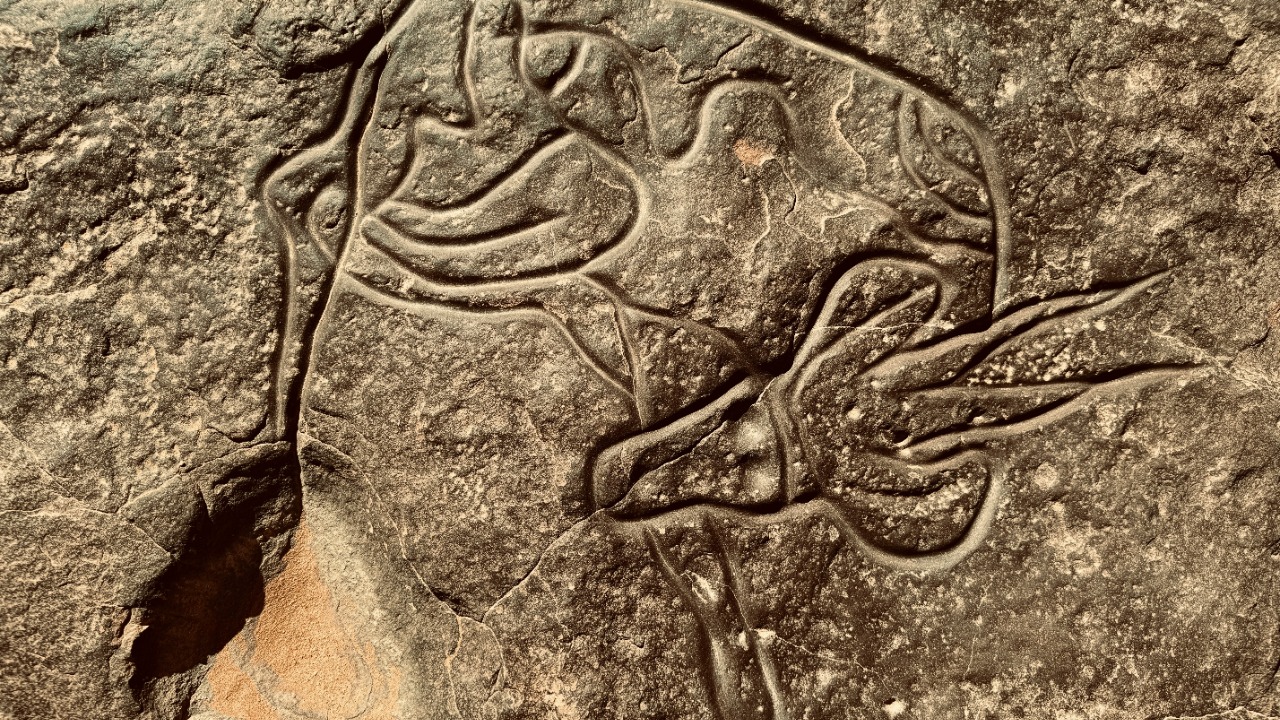
The cave, nestled within a secluded mountain range, has long been a site of intrigue for historians and archaeologists. Its remote location has preserved its secrets for centuries, shielding it from the wear of time and human interference. This discovery echoes other significant findings, such as ancient artworks on canyon rock walls that depict otherworldly figures. The cave’s carvings, however, are distinct in their detailed portrayal of figures that resemble modern depictions of aliens, complete with elongated heads and large eyes.
Archaeologists and local historians were astounded by the initial discovery. Many had expected to find traditional symbols or depictions of local wildlife, but the alien-like carvings presented a fascinating anomaly. The comparisons to other ancient artworks depicting otherworldly beings highlight the cultural significance of these findings. Such depictions have often been interpreted as symbolic representations of gods or mythological beings, adding layers of complexity to their interpretation.
Decoding the Symbols
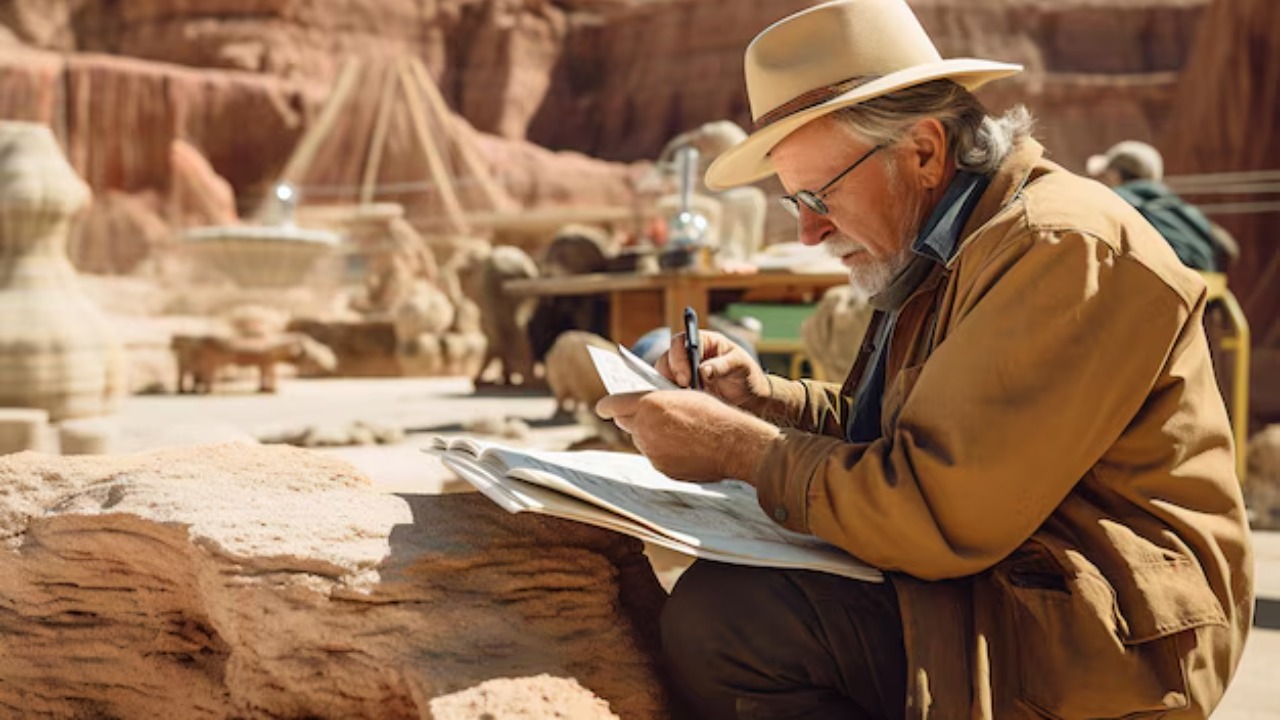
To understand the carvings, researchers have employed a variety of methodologies, blending technology and historical context. Advanced imaging techniques have allowed for detailed analyses of the carvings’ intricacies, while historical records offer context for their potential meanings. These carvings may have served as a form of communication or storytelling, conveying messages from the past.
The possible meanings of the symbols are manifold. Some researchers suggest they could represent celestial events or mythological narratives, while others propose they might indicate a form of early human contact with extraterrestrial beings. The challenges in decoding these symbols are considerable, as researchers must navigate the delicate balance between scientific rigor and imaginative interpretation. The true purpose and origin of the carvings remain shrouded in mystery, inviting further exploration and debate.
Cultural and Historical Context
Exploring the civilization responsible for these carvings reveals intriguing parallels with other ancient cultures. The use of extraterrestrial imagery in ancient art is a recurring theme, as seen in discoveries like the 7,000-year-old figurine from Kuwait. This figurine, with its alien-like features, has sparked similar debates about the influence of otherworldly concepts on early human societies.
These carvings might also be linked to mythologies and legends involving otherworldly beings. Many ancient cultures have stories of celestial visitors or gods descending from the heavens, suggesting a long-standing human fascination with the cosmos. The implications of such imagery are profound, potentially altering our understanding of how ancient civilizations perceived their place in the universe and their interactions with the unknown.
Implications of the Findings
The decoding of these carvings could significantly alter our understanding of ancient civilizations and their worldviews. By shedding light on the potential connections between human societies and extraterrestrial concepts, these findings may prompt a reevaluation of historical narratives. The discovery challenges modern interpretations of human interaction with the cosmos, suggesting that the fascination with alien life is not a recent phenomenon but rather a deeply ingrained aspect of human culture.
For the fields of archaeology and anthropology, this discovery represents a valuable opportunity to expand the scope of research. It encourages interdisciplinary collaboration, bringing together experts from various fields to explore the broader implications of alien-like depictions in ancient art. The integration of technology, historical knowledge, and cultural studies could pave the way for new methodologies in understanding our ancestors’ interactions with the unknown.
Future Research and Exploration
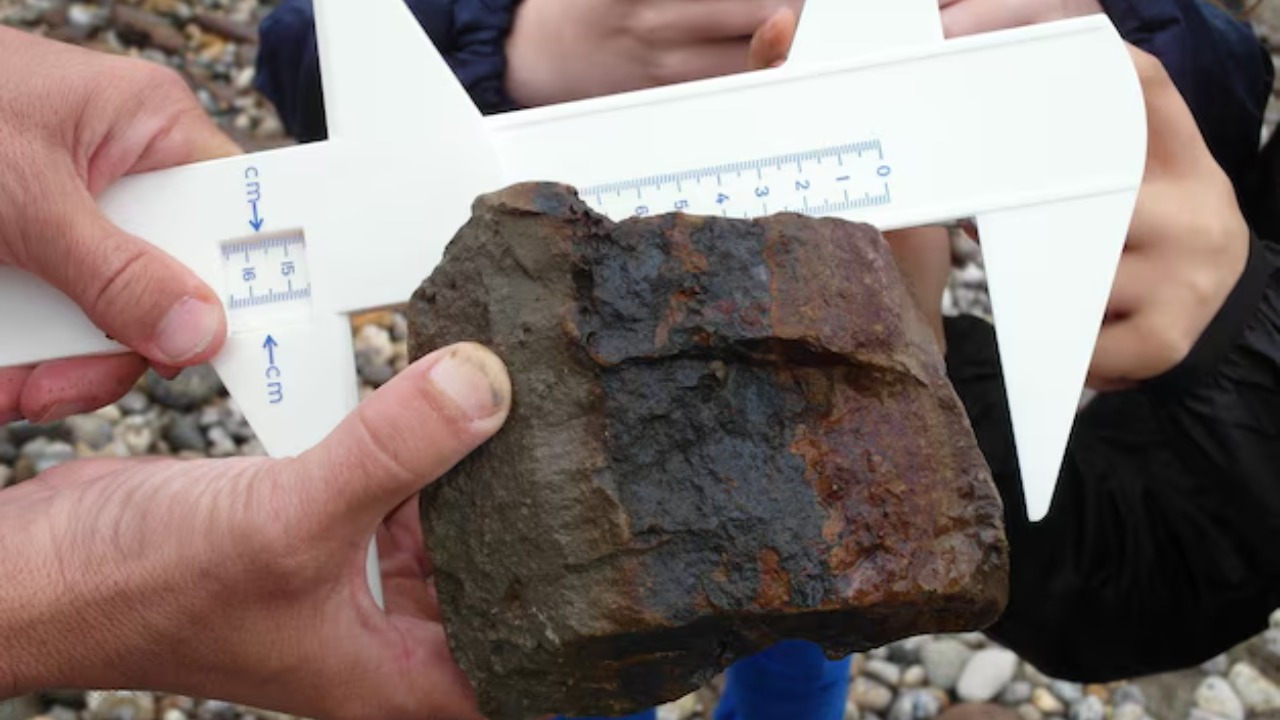
Looking ahead, the next steps for researchers involve continued exploration of the cave site and similar locations worldwide. The potential for further discoveries is immense, as many remote areas remain unexplored and may hold similar carvings waiting to be unearthed. Researchers are encouraged to adopt an interdisciplinary approach, combining expertise from archaeology, anthropology, and even astronomy to enhance their understanding of ancient alien-like depictions.
This discovery serves as a reminder of the vast mysteries that still lie beneath the surface of our world. It calls for a renewed commitment to exploring the unknown, driven by curiosity and a desire to understand our shared human heritage. As researchers continue to decode the secrets of these carvings, they contribute to a broader narrative that connects us to our past and our place in the cosmos.
