Recent advancements in neuroscience and engineering have led to the development of prosthetic limbs that can be controlled by thoughts, marking a significant leap in the field of assistive technology. This breakthrough not only enhances the functionality of prosthetic devices but also improves the quality of life for individuals with amputations. By integrating brain-computer interfaces (BCIs) and sophisticated algorithms, researchers are paving the way for more intuitive and responsive prosthetics.
The Science Behind Thought-Controlled Prosthetics

Overview of Brain-Computer Interfaces (BCIs)
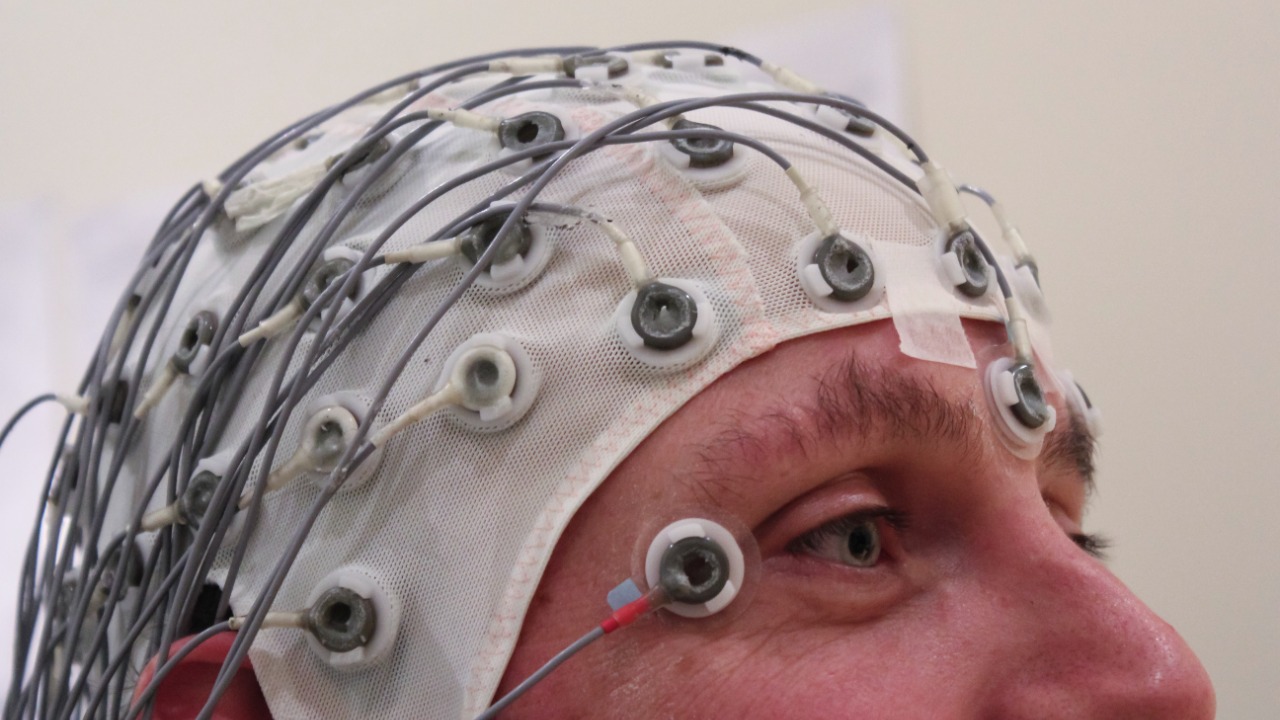
Brain-computer interfaces (BCIs) serve as the crucial link between neural activity and external devices, allowing users to control prosthetics using their thoughts. BCIs interpret neural signals, which the brain naturally generates, to translate them into commands that operate robotic limbs. There are two primary methods of implementing BCIs: invasive and non-invasive. Invasive BCIs involve implanting electrodes directly into the brain tissue, offering high precision but carrying surgical risks. Non-invasive BCIs, on the other hand, utilize external sensors to detect brain activity, reducing risk but often at the cost of signal clarity and precision.
The choice between invasive and non-invasive BCIs depends on various factors, including the user’s health condition and the desired level of control. For example, while invasive BCIs can offer more detailed control for complex movements, non-invasive alternatives are more accessible and pose fewer health risks. Researchers are continually refining these technologies to enhance their practicality and efficiency, ensuring that the benefits of thought-controlled prosthetics reach as many individuals as possible.
The Role of Machine Learning and Algorithms
Machine learning algorithms have become integral in enhancing the functionality and responsiveness of thought-controlled prosthetics. These algorithms analyze patterns in neural signals and adjust prosthetic responses accordingly, effectively learning from the user’s behavior to provide more intuitive control. One study published in the Journal of Rehabilitation and Research highlights how machine learning can significantly reduce the time it takes for a user to adapt to a new prosthetic limb.
There are numerous case studies demonstrating the successful application of these technologies. For instance, a project at the University of Chicago is delving into the development of brain-controlled prosthetic limbs. By employing advanced algorithms, researchers there aim to create devices that offer seamless interaction, allowing users to perform tasks that require intricate hand movements. These advancements not only improve the mechanical performance of prosthetics but also enhance the overall user experience, making artificial limbs feel like a natural extension of the body.
Challenges and Innovations in Development
Overcoming Technical Hurdles
Despite significant progress, developing thought-controlled prosthetics comes with its share of technical challenges. One major issue is the accuracy of signal interpretation, as BCIs must differentiate between intentional commands and background noise in neural data. Researchers are actively working on techniques to improve signal clarity, such as advanced filtering methods and more sensitive sensors. These innovations aim to make BCIs more robust and reliable, ensuring that prosthetic limbs respond accurately to user intentions.
Another area of focus is the integration of artificial intelligence to predict user intentions better and adapt to different environments. By employing predictive algorithms, prosthetic devices can anticipate the user’s needs, offering smoother transitions between movements. These efforts are essential for creating devices that not only respond promptly but also adjust to the complexities of real-world scenarios.
Innovations in Sensory Feedback
One of the most exciting developments in prosthetic technology is the inclusion of sensory feedback, which allows users to “feel” through their artificial limbs. By incorporating sensors that simulate touch, researchers are enabling prosthetics to relay information about pressure, texture, and temperature back to the user. This innovation significantly enhances the user experience, making prosthetics more functional and lifelike.
An article from NPR illustrates how researchers are developing these prosthetics to include a sense of touch. This capability not only improves the user’s ability to interact with their environment but also has profound implications for their psychological well-being, providing a deeper connection to the world around them.
The Impact on Users’ Lives
Improving Mobility and Independence
The introduction of thought-controlled prosthetics has transformed the lives of many, granting them newfound mobility and independence. Users who once struggled with basic tasks can now perform them with ease, thanks to the intuitive control these devices offer. For instance, a report from MIT News describes how a new type of prosthetic helps individuals with amputations walk naturally, enhancing their day-to-day lives.
Testimonials from users highlight the profound impact these devices have had on their lives. Many express a sense of empowerment and freedom, as they are no longer constrained by the limitations of traditional prosthetics. This transformation is not just physical but also deeply emotional, as users regain a sense of normalcy and confidence in their abilities.
Psychological and Emotional Benefits
The psychological and emotional benefits of regaining control through thought-controlled prosthetics cannot be overstated. For many users, the ability to interact with their environment in a natural and intuitive manner has led to significant improvements in mental health. Being able to perform daily activities without assistance boosts self-esteem and reduces feelings of dependency.
Studies have shown that the use of these advanced prosthetics can lead to lower levels of anxiety and depression among users. A New York Times article highlights the emotional impacts, noting how the sense of control and sensation can lead to a more positive outlook on life. These advancements not only restore physical capabilities but also foster psychological resilience and well-being.
Future Prospects and Research Directions
Ongoing Research and Funding
The field of thought-controlled prosthetics is rapidly evolving, with numerous research projects underway to push the boundaries of what is currently possible. Various institutions, supported by significant grants, are exploring innovative approaches to enhance prosthetic technology. For example, the University of Chicago recently received a grant to further develop brain-controlled prosthetic limbs, as reported by UChicago Medicine.
As these projects progress, experts predict that future breakthroughs will lead to even more sophisticated and accessible prosthetic solutions. With continued investment and collaboration across disciplines, the potential for these technologies to become widely available is promising, paving the way for a future where advanced prosthetics are the norm rather than the exception.
Ethical Considerations and Accessibility
As thought-controlled prosthetics continue to evolve, ethical considerations and accessibility remain at the forefront of discussions. It is crucial to ensure that these technologies are developed responsibly, with a focus on user safety and privacy. Additionally, making these advanced prosthetics accessible to a broader population is essential to maximizing their societal impact.
Strategies to achieve this include addressing cost considerations and ensuring that insurance coverage accommodates these innovations. By prioritizing affordability and widespread availability, researchers and policymakers can work together to ensure that the benefits of thought-controlled prosthetics are within reach for all who need them, addressing both ethical concerns and practical challenges in the process.
