
Over the centuries, scholars have debated whether William Shakespeare worked alone or collaborated with other writers on some of his most famous works. Recent advancements in artificial intelligence (AI) are providing new insights into this age-old mystery. A researcher has employed AI technology to analyze Shakespeare’s texts and uncover evidence of co-authorship, shedding light on how these literary masterpieces were crafted.
The Historical Debate on Shakespeare’s Authorship
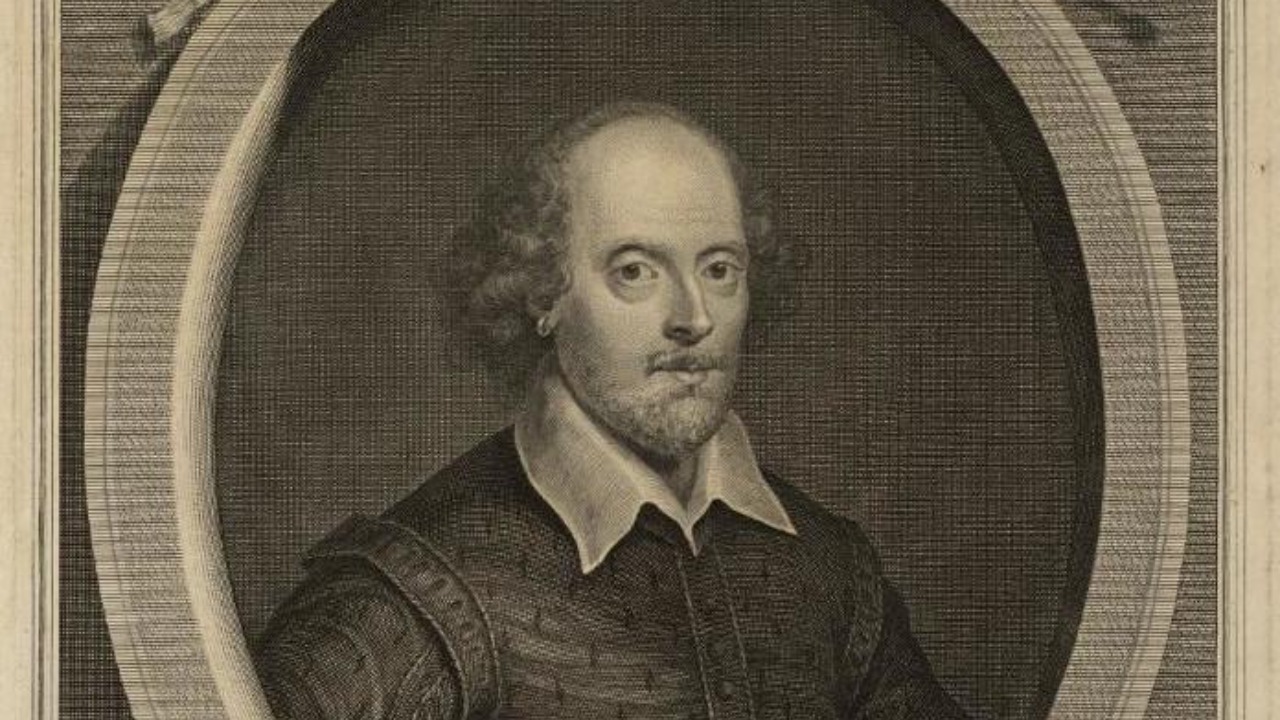
The question of whether William Shakespeare penned every word attributed to him has intrigued academics for generations. While Shakespeare is renowned for his unparalleled literary prowess, the possibility that he collaborated with other writers has sparked lively debates. Various theories suggest that some of Shakespeare’s plays might have been the result of joint efforts with contemporaries like Christopher Marlowe or Thomas Middleton. This notion has been supported by historical accounts and linguistic studies that point to stylistic inconsistencies in certain texts.
Traditionally, scholars have relied on linguistic analysis and historical documentation to unravel these mysteries. By examining language patterns and historical records, researchers have identified plays such as “Henry VIII” and “The Two Noble Kinsmen” as potential collaborations. Despite these efforts, definitive evidence has remained elusive, often leading to more questions than answers.
The Role of AI in Literary Analysis
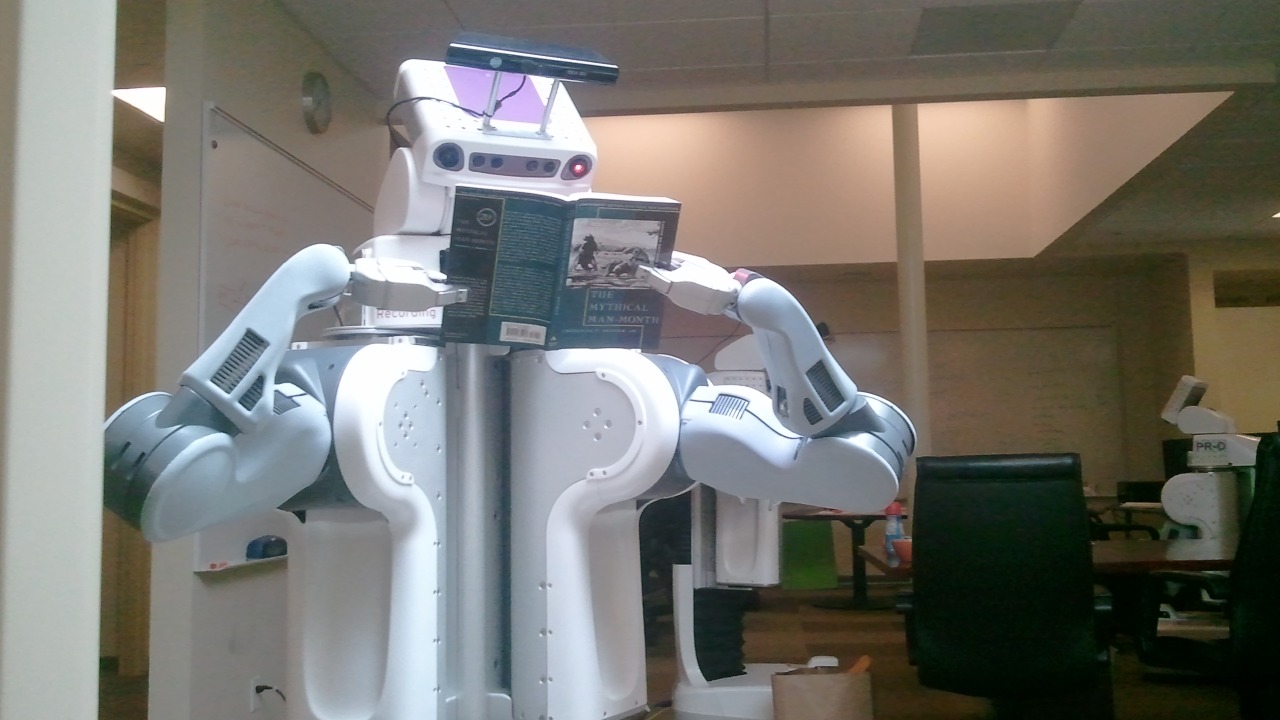
In recent years, AI has emerged as a powerful tool in the field of literary analysis. By leveraging machine learning algorithms, researchers can analyze vast amounts of text data to detect subtle patterns and stylistic nuances. This technological advancement allows for a more precise identification of an author’s unique writing style, enabling scholars to distinguish between different contributors to a single work.
AI’s ability to process and compare textual data offers an edge over traditional methods, which can be labor-intensive and subjective. Machine learning models can be trained using known works of specific authors, allowing them to recognize specific linguistic features that are characteristic of those writers. This precision and reliability make AI a valuable ally in the ongoing quest to understand the true nature of Shakespeare’s authorship.
Case Study: AI Analysis of Shakespeare’s “Henry VIII”
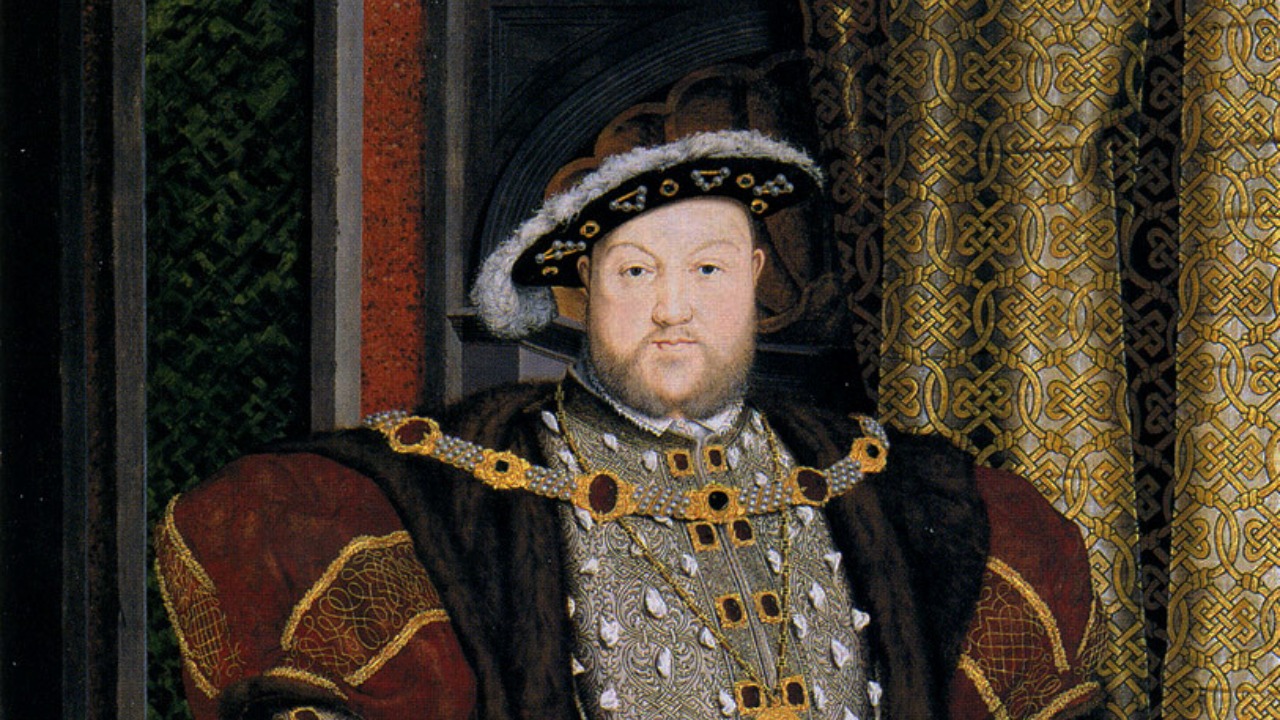
One of the most intriguing applications of AI in Shakespearean studies has been the analysis of “Henry VIII.” This play has long been suspected of being a collaborative effort, and recent AI studies have added weight to this theory. By examining the text through an AI lens, researchers have been able to identify distinct linguistic patterns that suggest multiple authorship.
The findings from the AI analysis of “Henry VIII” reveal that parts of the play likely originated from other writers besides Shakespeare. According to AI studies, certain sections exhibit stylistic differences that align with the known works of other playwrights of the era. These insights not only enrich our understanding of the play’s creation but also challenge the traditional perception of Shakespeare as a solitary genius.
Technological Advances and Their Impact on Literary Scholarship
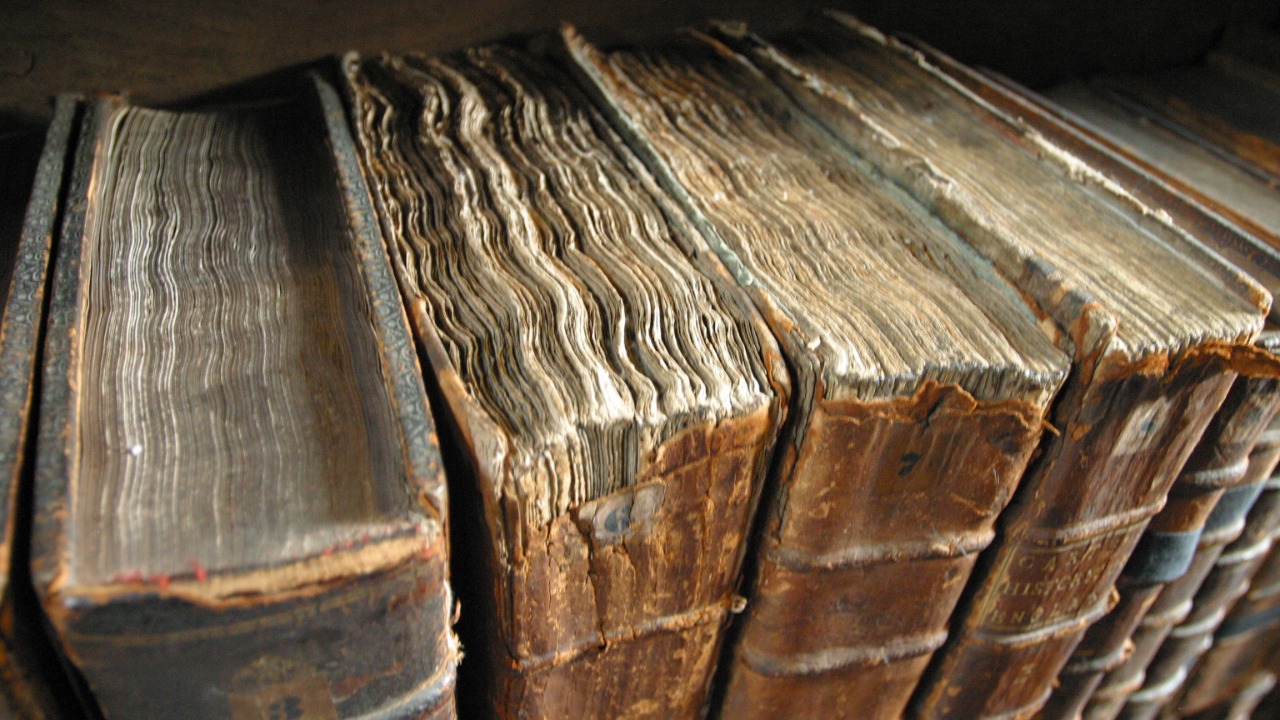
The integration of AI into literary scholarship represents a transformative shift in how classic texts are studied. Beyond Shakespeare, AI has the potential to revolutionize the analysis of other historical works, offering fresh perspectives on long-standing literary debates. By providing a more objective means of evaluating authorship, AI can complement the efforts of literary scholars, leading to a more comprehensive understanding of the past.
However, the use of AI in literary studies is not without its challenges. Ethical considerations, such as the potential for algorithmic bias, must be carefully managed to ensure the integrity of research findings. Moreover, the limitations of AI, including its reliance on existing data and potential misinterpretations, must be acknowledged. Nevertheless, the possibilities for interdisciplinary collaboration between AI researchers and literary scholars are immense, promising a new era of discovery and interpretation.
The Broader Implications of AI in Unraveling Historical Mysteries

The application of AI extends beyond literary studies, offering valuable insights into a wide range of historical mysteries. From analyzing ancient manuscripts to reconstructing lost historical events, AI is playing a crucial role in preserving and interpreting cultural heritage. For instance, AI techniques have been employed to decipher ancient scripts and reconstruct fragmented texts, shedding light on civilizations long past.
While technology offers unprecedented opportunities to explore history, it is essential to balance technological advancement with human interpretation. AI can provide data-driven insights, but the contextual understanding and critical analysis provided by human scholars remain indispensable. By combining these approaches, we can achieve a more nuanced understanding of history and literature, enriching our cultural legacy for future generations.
