Quantum computing is rapidly advancing, moving closer to practical, real-world applications. While traditional computers handle data in binary, quantum computers leverage the principles of quantum mechanics to process complex calculations more efficiently. The landscape of quantum computing is evolving at an unprecedented pace, driven by breakthroughs in technology, increased investment, and global interest. Here are ten compelling reasons why quantum computers are nearer than you might think.
1. Breakthroughs in Quantum Hardware
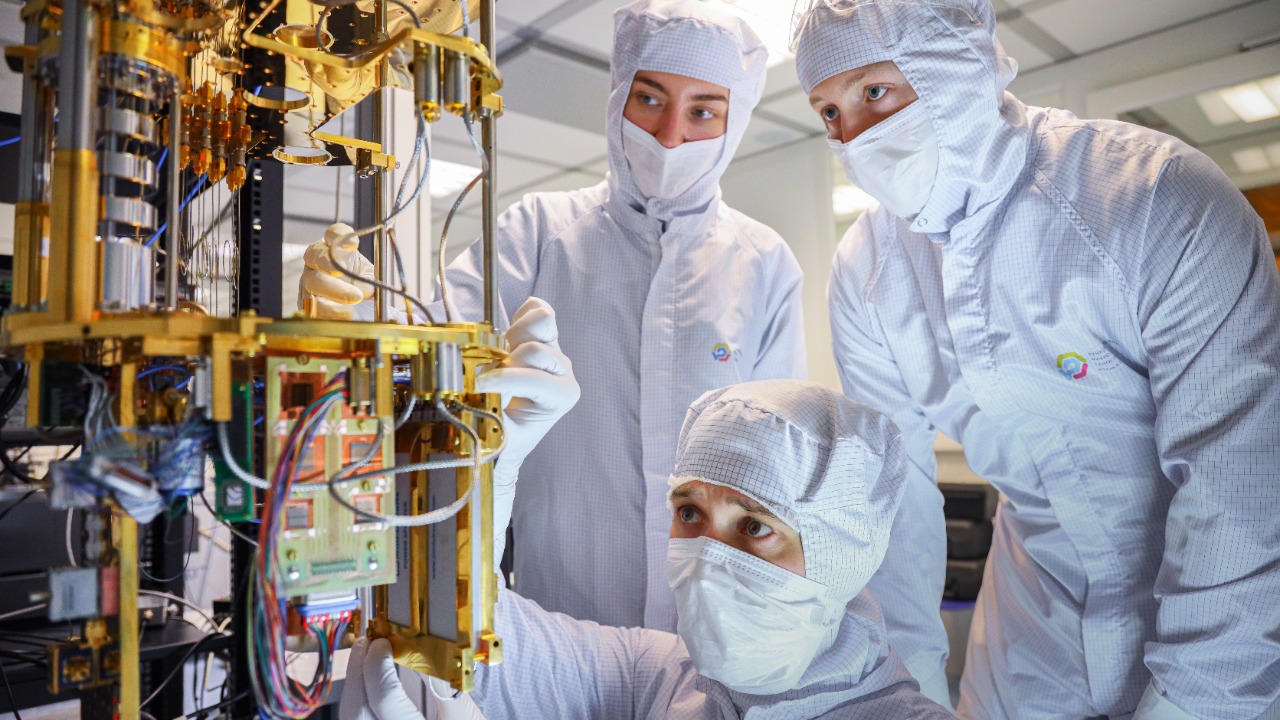
Significant advancements in quantum hardware have been made, particularly in developing more stable and scalable qubits. Companies like IBM and Google have made strides in increasing the number of qubits their machines can handle. For instance, IBM’s Eagle processor now boasts 127 qubits, marking a notable milestone in quantum hardware development. These advancements are crucial for performing more complex computations and solving problems that were previously thought impossible.
Moreover, new materials and techniques have been discovered that enhance qubit coherence times, reducing error rates and improving reliability. This progress helps bridge the gap between theoretical quantum computing concepts and their practical implementation, bringing quantum technology closer to everyday use.
2. Increased Investment from Tech Giants

Tech giants are pouring billions into quantum research, signaling their belief in the technology’s potential. Companies like Microsoft, Amazon, and IBM are investing heavily in developing quantum computing capabilities. For example, Microsoft has launched Azure Quantum, a cloud-based platform providing access to quantum algorithms and hardware.
These investments not only accelerate technological advancements but also foster a competitive environment that drives innovation. By funding research and development, these companies are actively contributing to bringing quantum computing technologies to the forefront of the tech industry.
3. Growing Interest from Governments Worldwide

Governments across the globe recognize the strategic importance of quantum computing and are increasing their investments in this field. The European Union, China, and the United States have all launched significant initiatives to advance quantum research. For instance, the U.S. National Quantum Initiative Act aims to enhance quantum information science R&D, with substantial funding allocated to various projects.
This global interest not only ensures that quantum technologies receive the necessary support but also encourages international collaboration, further accelerating the pace of advancements. As governments continue to prioritize quantum research, the realization of practical quantum computers becomes increasingly feasible.
4. Advances in Quantum Algorithms

Developing effective quantum algorithms is crucial for harnessing the power of quantum computers. Researchers are making significant strides in this area, improving existing algorithms and discovering new ones that can solve complex problems more efficiently than classical algorithms. For example, Shor’s algorithm, which can factor large numbers exponentially faster than classical algorithms, highlights the potential of quantum computing.
These advances in algorithms are essential for demonstrating quantum advantage, where quantum computers outperform classical ones in specific tasks. As these algorithms continue to evolve, they pave the way for quantum computers to tackle real-world challenges across various industries.
5. Emergence of Quantum Startups

The quantum computing landscape is seeing a surge of startups dedicated to advancing this revolutionary technology. Companies like Rigetti Computing, D-Wave, and IonQ are leading the charge, each focusing on different aspects of quantum computing development. These startups bring fresh perspectives and innovative approaches, often collaborating with established tech giants to push the boundaries of what’s possible.
Additionally, these startups are attracting significant venture capital funding, indicating investor confidence in the potential of quantum computing. The entrepreneurial spirit and rapid innovation within these companies are vital components in accelerating the development and adoption of quantum technologies.
6. Development of Quantum Cloud Services

Quantum cloud services are making quantum computing accessible to a broader audience, allowing researchers and developers to experiment with quantum algorithms without needing to own expensive hardware. Companies like IBM and Google offer cloud-based platforms like IBM Quantum Experience and Google Quantum AI, providing users with access to quantum processors and simulators.
These services democratize access to quantum computing resources, fostering a community of researchers and developers who can contribute to the field’s growth. By enabling wider participation, quantum cloud services play a crucial role in accelerating innovation and bringing quantum computing closer to mainstream adoption.
7. Collaboration Between Academia and Industry

Collaboration between academia and industry is essential for advancing quantum computing. Universities and research institutions are teaming up with tech companies to bridge the gap between theoretical research and practical applications. For instance, the University of Chicago’s Chicago Quantum Exchange collaborates with leading companies like IBM, Intel, and Microsoft to advance quantum research.
These partnerships facilitate knowledge exchange and resource sharing, allowing for faster progress in developing quantum technologies. By working together, academia and industry are tackling some of the biggest challenges in quantum computing, driving the field forward.
8. Progress in Quantum Error Correction

One of the biggest hurdles in quantum computing is error correction, as qubits are prone to errors due to environmental interference. Significant progress has been made in developing quantum error correction techniques to address this issue. Researchers are exploring various methods, such as surface codes and topological qubits, to improve error resilience.
Advancements in quantum error correction are essential for building reliable quantum computers capable of performing long and complex calculations. As these techniques continue to improve, they bring us closer to realizing practical and scalable quantum computing solutions.
9. Expansion of Quantum Education Programs

As the demand for quantum computing expertise grows, educational institutions are expanding their quantum education programs. Universities worldwide are offering specialized courses and degrees in quantum information science, preparing the next generation of quantum researchers and engineers. Institutions like MIT, Stanford, and the University of Waterloo are leading the charge in quantum education.
These programs are crucial for building a skilled workforce capable of driving innovation in quantum technologies. By investing in education, we are ensuring a steady pipeline of talent that will contribute to the rapid advancement of quantum computing.
10. Rising Public Awareness and Interest

Public awareness and interest in quantum computing are on the rise, fueled by media coverage and educational outreach efforts. As more people learn about the potential of quantum technologies, there is growing enthusiasm and support for its development. This increased awareness is evident in the popularity of documentaries, books, and news articles exploring the implications of quantum computing.
Rising public interest helps drive demand for quantum technologies, encouraging further investment and research. As quantum computing continues to capture the public’s imagination, it gains momentum towards becoming a transformative force in technology and society.
