Raytheon, a leading player in the defense technology sector, has unveiled its latest innovation: the APG-82(V)X radar for the F-15EX fighter jet. This cutting-edge radar system is fortified with gallium nitride technology, promising to revolutionize the capabilities of the F-15EX.
1. The Announcement by Raytheon

The official announcement by Raytheon about the APG-82(V)X radar has stirred excitement in the defense technology industry. As a major player in this sector, Raytheon’s innovations often set the pace for advancements in military technology. The company’s reputation for delivering high-quality, reliable, and technologically advanced systems makes this announcement particularly significant.
Raytheon’s role in the defense technology industry is pivotal. The company’s products are integral to the operations of various military forces worldwide. The introduction of the APG-82(V)X radar is expected to further solidify Raytheon’s position as a leading innovator in this industry.
According to TWZ, the announcement of the APG-82(V)X radar is a significant milestone for Raytheon. The company’s continuous efforts to develop advanced defense technologies have been instrumental in maintaining its leadership position in the industry. This latest innovation further demonstrates Raytheon’s dedication to providing cutting-edge solutions for modern warfare challenges.
The APG-82(V)X radar is not just a product, but a testament to Raytheon’s commitment to technological excellence. The announcement has not only sparked interest in the defense technology industry but also among military forces worldwide. The anticipation surrounding this radar system underscores the global recognition of Raytheon’s technological prowess and its ability to shape the future of defense technology.
2. Features of the APG-82(V)X Radar
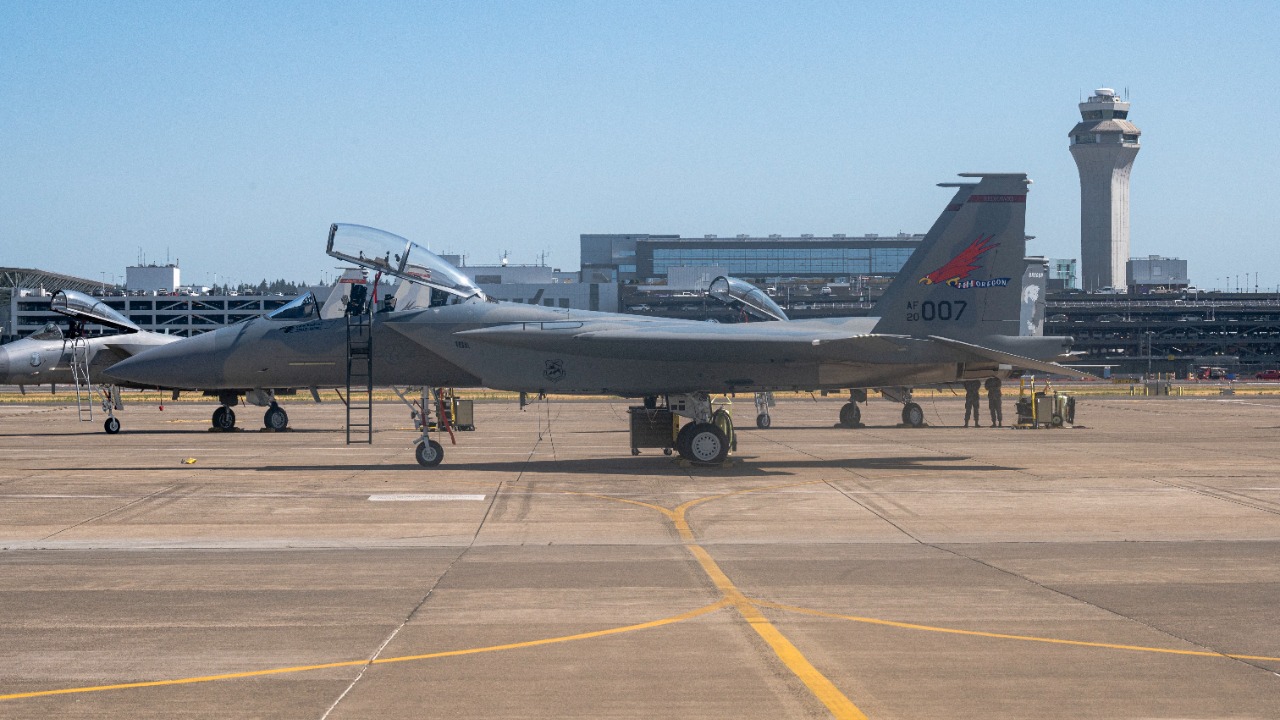
The APG-82(V)X radar is a testament to Raytheon’s commitment to pushing the boundaries of technology. This new radar system, designed specifically for the F-15EX fighter jet, is expected to significantly enhance the jet’s performance and capabilities. The exact technological aspects of the APG-82(V)X radar have not been fully disclosed, but it is clear that this system represents a major leap forward in radar technology.
The impact of the APG-82(V)X radar on the F-15EX’s performance cannot be overstated. With this new radar, the fighter jet is expected to have improved detection capabilities, allowing it to identify and track targets with greater accuracy and at longer ranges. This could potentially give military forces using the F-15EX a significant strategic advantage.
As reported by TWZ, the APG-82(V)X radar is expected to offer superior performance in terms of target detection and tracking. The radar’s advanced features are designed to provide the F-15EX with superior situational awareness, enabling it to effectively engage with multiple targets simultaneously. This multi-target engagement capability is a significant enhancement over previous radar systems and is expected to greatly improve the F-15EX’s combat effectiveness.
Furthermore, the APG-82(V)X radar is designed to be highly resistant to jamming, a critical feature in modern warfare where electronic warfare tactics are increasingly prevalent. This resistance to jamming not only enhances the radar’s reliability but also ensures that the F-15EX can maintain its operational effectiveness even in highly contested environments.
3. The Integration of Gallium Nitride Technology

The APG-82(V)X radar’s standout feature is its integration of gallium nitride technology. According to FlightGlobal, gallium nitride is a semiconductor material that offers several advantages over traditional materials used in radar systems. It can handle higher voltages and temperatures, leading to increased power efficiency and longer lifespan for the radar system.
The use of gallium nitride technology in the APG-82(V)X radar is expected to result in significant improvements in radar performance. This could include enhanced target detection and tracking capabilities, as well as increased resistance to electronic countermeasures. The integration of this technology underscores Raytheon’s commitment to staying at the forefront of defense technology innovation.
FlightGlobal notes that the integration of gallium nitride technology into the APG-82(V)X radar represents a significant technological breakthrough. Gallium nitride’s superior thermal efficiency allows the radar to operate at higher power levels without overheating, thereby enhancing its performance. This is particularly beneficial in combat scenarios where the radar needs to operate at peak performance for extended periods.
Moreover, the use of gallium nitride technology also contributes to the radar’s longevity. The material’s ability to withstand high temperatures and voltages reduces wear and tear on the radar system, potentially extending its operational life. This not only reduces maintenance requirements but also lowers the total cost of ownership, making the APG-82(V)X radar a cost-effective solution for military forces.
4. Future Implications

The development of the APG-82(V)X radar has far-reaching implications for the future of fighter jet technology. As other defense technology companies strive to keep pace with Raytheon, we can expect to see further advancements in radar technology, potentially leading to even more powerful and efficient fighter jets.
Moreover, the potential impact on the strategic capabilities of military forces using the F-15EX with the new radar is significant. With improved detection and tracking capabilities, these forces could gain a crucial edge in combat situations. This development underscores the importance of continuous innovation in the defense technology industry, as it directly influences the balance of power in global military affairs.
As TWZ points out, the development of the APG-82(V)X radar could set a new standard for future radar systems. The integration of gallium nitride technology, in particular, could become a common feature in future radar designs. This could lead to a new generation of radar systems that are more powerful, efficient, and durable than their predecessors.
Furthermore, the enhanced capabilities of the APG-82(V)X radar could have profound implications for the strategic dynamics of future conflicts. The ability to detect and track targets with greater accuracy and at longer ranges could give military forces a decisive advantage in combat. This could potentially alter the balance of power in future conflicts, underscoring the strategic importance of technological innovation in the defense sector.
