U.S. scientists have achieved a groundbreaking milestone with the discovery of a unique adaptation in a beetle species found in Yellowstone National Park. This remarkable find has led to the first-ever patent awarded for such an adaptation, sparking excitement and marking a significant advancement in biological research. The discovery is not only a testament to the wonders of nature but also a pivotal moment for scientific innovation.
The Discovery of a Lifetime
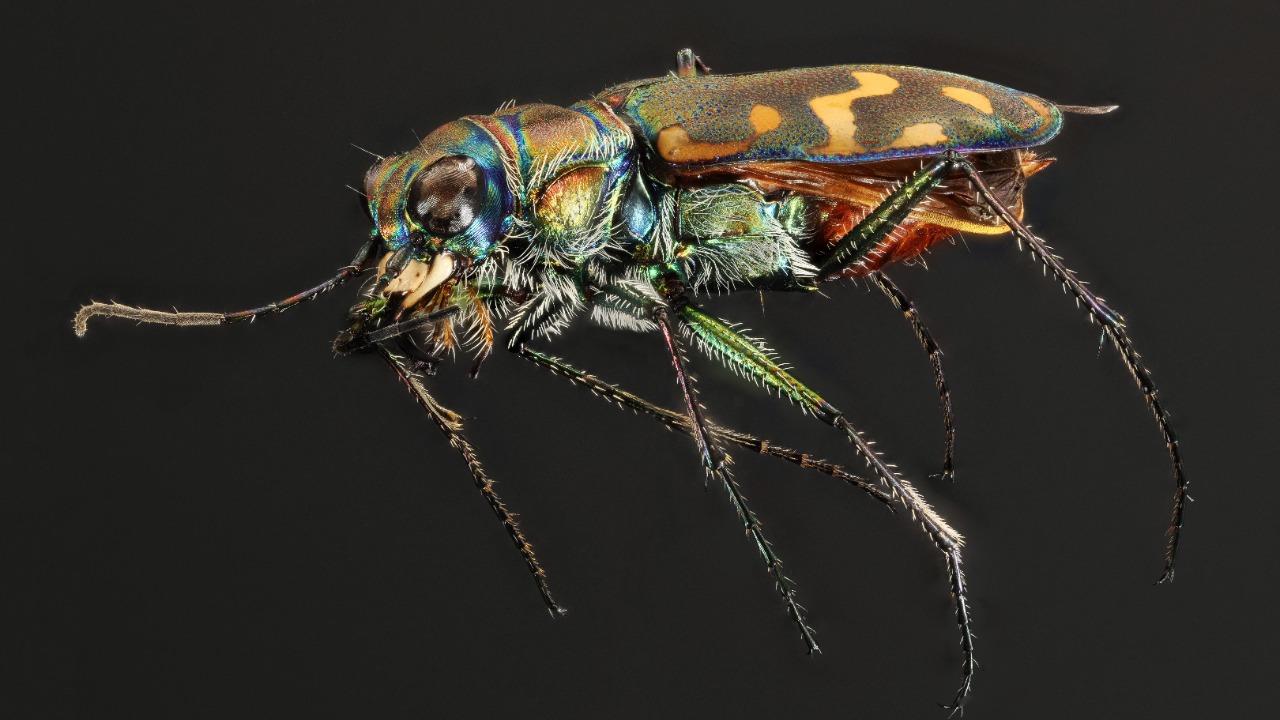
The beetle species at the center of this groundbreaking discovery was found in the diverse ecosystem of Yellowstone National Park. This beetle exhibits a unique adaptation that has never been documented before, capturing the attention of the scientific community. The adaptation involves a specialized mechanism that allows the beetle to thrive in the park’s challenging environment, showcasing nature’s ability to innovate and adapt in unexpected ways. The scientific team behind this discovery expressed immense excitement, noting that such a find could open new avenues for research and application in various fields (The Travel).
Initial reactions from the scientific team highlight the potential implications of this discovery. The team, composed of leading entomologists and biologists, emphasized the importance of understanding and preserving such unique adaptations. Their comments reflect a broader enthusiasm within the scientific community, as this discovery not only enhances our understanding of beetle biology but also underscores the potential for future innovations inspired by nature’s ingenuity.
The discovery process was meticulous, involving extensive fieldwork and observation. Scientists spent months in Yellowstone, carefully documenting the beetle’s behavior and habitat. This rigorous approach ensured that the adaptation was thoroughly understood before any conclusions were drawn. The team utilized advanced imaging techniques to study the beetle’s physiology, revealing the intricate details of its adaptation. This comprehensive analysis not only confirmed the uniqueness of the adaptation but also provided insights into how such mechanisms could evolve in response to environmental pressures.
Moreover, the discovery has sparked interest in the potential for similar adaptations in other species within the park. Researchers are now considering the broader implications of these findings, hypothesizing that Yellowstone’s diverse ecosystems may harbor other undiscovered adaptations. This possibility has invigorated the scientific community, prompting calls for increased funding and resources to support further exploration in the park. The discovery serves as a catalyst for a renewed focus on the importance of biodiversity and the untapped potential it holds for scientific advancement.
Implications of the Patent
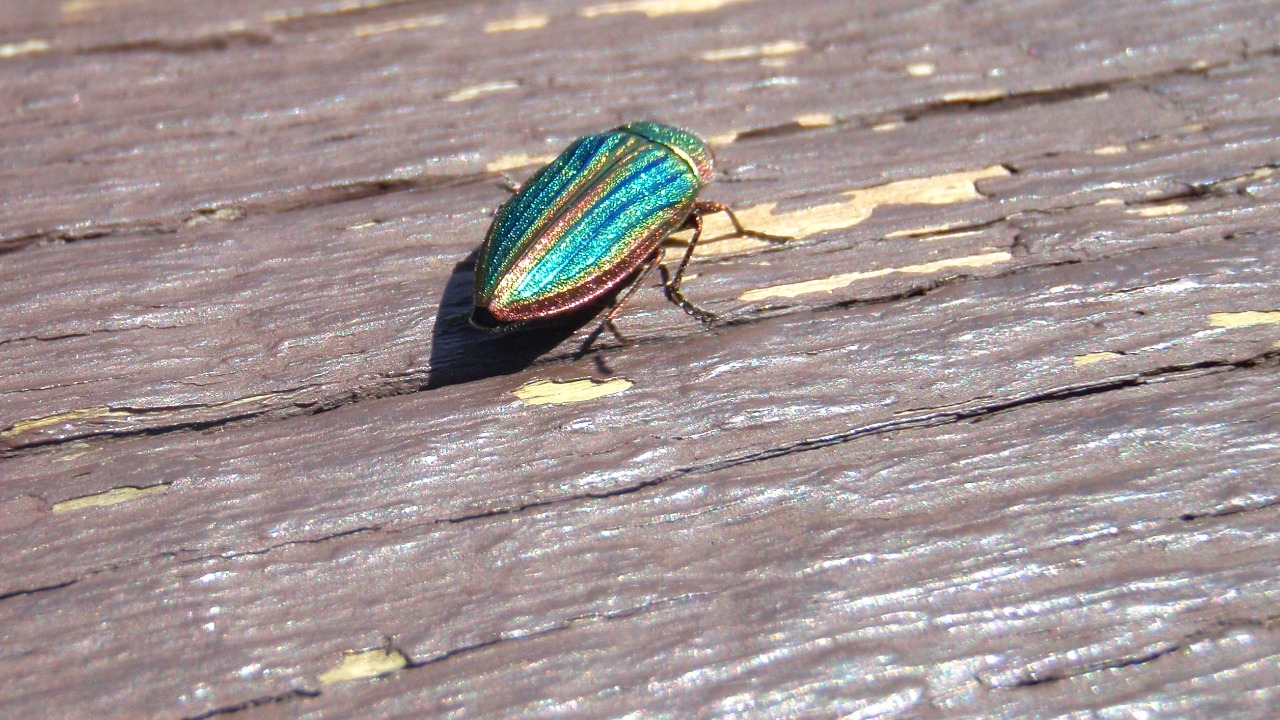
The patent awarded for the beetle’s adaptation is a “world’s first,” marking a new chapter in the intersection of biology and intellectual property. The patent process involved rigorous evaluation to ensure the uniqueness and potential utility of the adaptation. This unprecedented patent opens doors to numerous applications, ranging from biotechnology to environmental conservation. The adaptation’s potential to inspire new technologies and solutions in various industries is a testament to the value of preserving and studying natural ecosystems.
Leading scientists and patent officials have lauded the impact of this discovery, emphasizing its potential to drive innovation across multiple sectors. The patent not only protects the intellectual property associated with the adaptation but also encourages further research and development. This milestone highlights the importance of fostering collaboration between scientific research and patent authorities to unlock nature’s secrets for the benefit of society.
The patent’s implications extend beyond scientific research, potentially influencing policy and conservation strategies. By recognizing the commercial and ecological value of natural adaptations, this patent sets a precedent for how intellectual property can be used to incentivize the preservation of biodiversity. It highlights the need for a balanced approach that respects both the commercial interests of innovators and the ecological importance of natural habitats. This balance is crucial in ensuring that the benefits derived from such discoveries are shared equitably and sustainably.
Furthermore, the patent could lead to new partnerships between academia, industry, and government agencies. These collaborations are essential for translating scientific discoveries into practical applications that benefit society. By fostering an environment where innovation is encouraged and protected, the patent system can play a pivotal role in driving technological advancements inspired by nature. This approach not only enhances our understanding of the natural world but also promotes the development of sustainable solutions to global challenges.
The Role of Yellowstone National Park
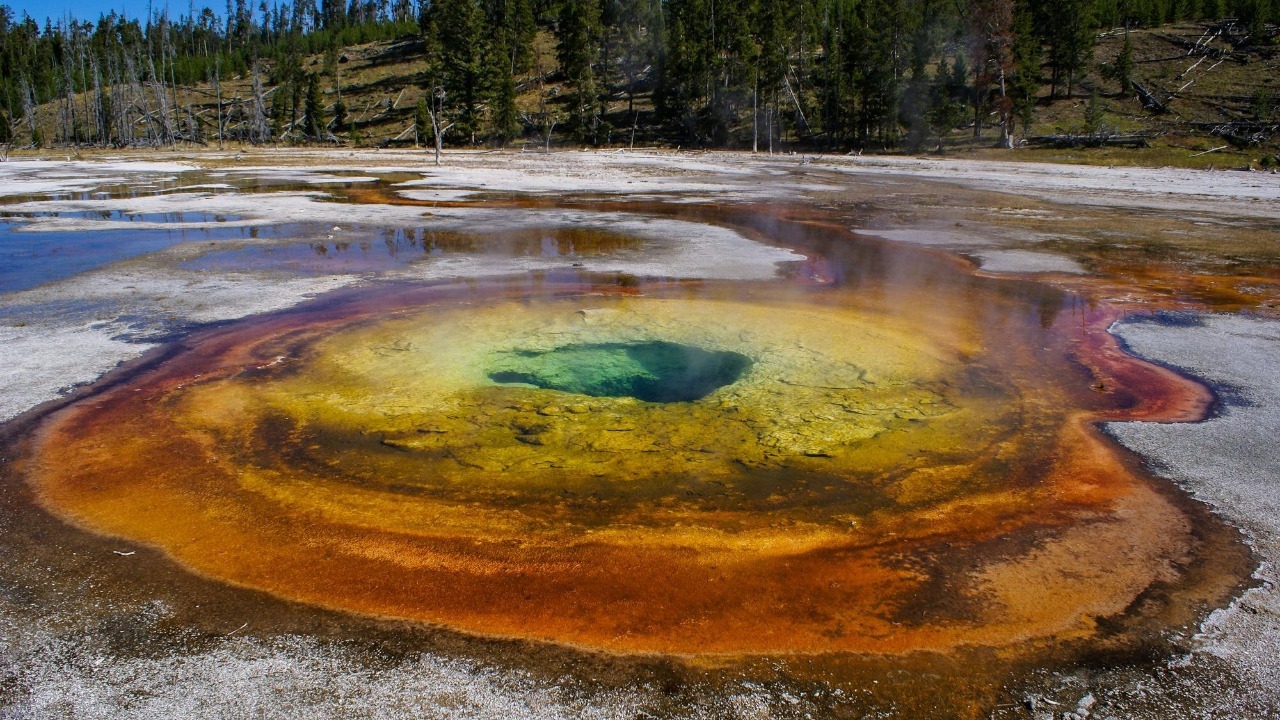
Yellowstone National Park’s unique environment played a crucial role in facilitating this discovery. The park’s diverse ecosystems provide a rich tapestry of habitats that support a wide array of species, making it an ideal location for scientific research. The park’s history of groundbreaking discoveries underscores its importance as a natural laboratory, where researchers can observe and study the intricate relationships between organisms and their environments.
Park officials have emphasized the significance of continued biological research in Yellowstone, highlighting the park’s role in advancing our understanding of natural processes. The park’s commitment to preserving its ecosystems ensures that future generations of scientists can continue to explore and uncover the secrets of nature. This discovery serves as a reminder of the value of protecting natural reserves and the potential they hold for scientific advancement.
Yellowstone’s commitment to conservation and research is evident in its ongoing support for scientific studies. The park’s management has implemented policies that prioritize ecological integrity, ensuring that research activities do not disrupt the delicate balance of its ecosystems. This approach has made Yellowstone a model for other protected areas, demonstrating how conservation and research can coexist harmoniously. The park’s infrastructure, including its research facilities and educational programs, further supports its role as a hub for scientific inquiry and discovery.
In addition to its research contributions, Yellowstone plays a vital role in public education and awareness. The park’s outreach programs engage visitors in understanding the importance of biodiversity and conservation. By showcasing the park’s unique species and ecosystems, these programs inspire a sense of stewardship and responsibility towards the natural world. This educational aspect is crucial in fostering a broader appreciation for the value of protected areas and the need to preserve them for future generations.
Future Research and Exploration
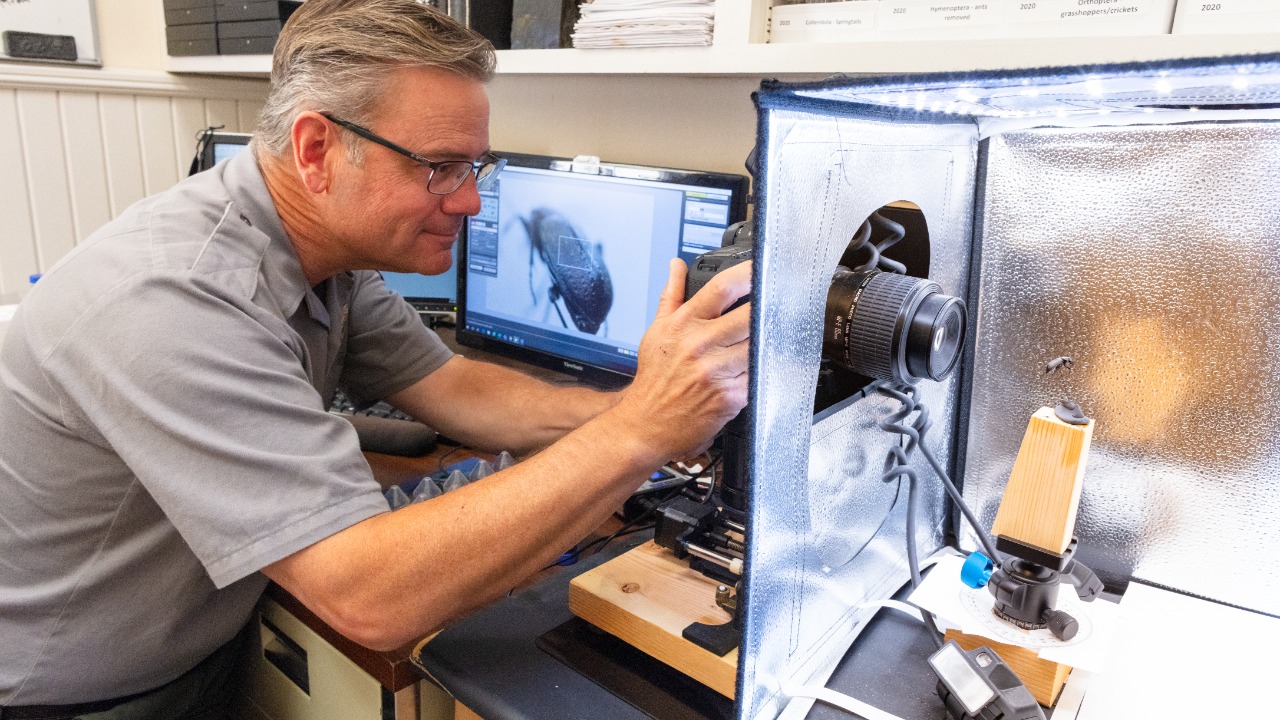
Building on this discovery, plans are underway for further research to explore additional applications of the beetle’s adaptation. Scientists are eager to collaborate with other research institutions to expand the scope of their studies and uncover new insights. Government funding and support will play a crucial role in facilitating these efforts, ensuring that the potential benefits of this discovery are fully realized.
Experts speculate that this discovery could pave the way for future breakthroughs in Yellowstone and beyond. The park’s rich biodiversity and unique environmental conditions make it a prime location for ongoing exploration and discovery. As researchers continue to delve into the mysteries of Yellowstone, the potential for new and exciting discoveries remains vast, promising a future filled with innovation and wonder.
