Fascinating and elusive, the deep-sea squid is a creature of intriguing mysteries. One of the most compelling is its ability to use bioluminescent camouflage, a phenomenon recently captured on film.
Understanding Bioluminescent Camouflage

Bioluminescence is a unique characteristic found in various marine creatures, a phenomenon where light is produced and emitted as a result of a chemical reaction. This concept is not just breathtaking, but it also serves a vital role in the survival of these creatures. In the case of squids, they utilize this characteristic as a form of camouflage. Their bodies have light-producing organs called photophores that emit a glow, matching the light filtering from the surface. Thus, from a predator looking up, they blend seamlessly with their surroundings, effectively becoming invisible.
The ability of squids to use bioluminescent camouflage is a significant survival tool. This defensive mechanism helps them evade predators and also serves as a method for hunting prey. The light can lure small fish and other food sources towards the squid, making it easier for them to catch a meal.
Recent Rare Squid Sighting

The recent sighting and filming of a squid using its bioluminescent camouflage was a rare and exciting event. This elusive deep-sea creature was captured on film by a remotely operated underwater vehicle (ROV). The video, shared by OceanX, showcases the fascinating phenomenon in detail.
The squid sighted belongs to the Chiroteuthis family, known for their long, slender bodies and impressive bioluminescent displays. Observing and filming them in their natural habitat provides invaluable data for scientists studying these captivating marine organisms. Technology plays a pivotal role in these studies, with advancements in ROV and camera technology allowing researchers to delve deeper and capture clearer footage than ever before.
The Mysterious World of Deep Sea Squids
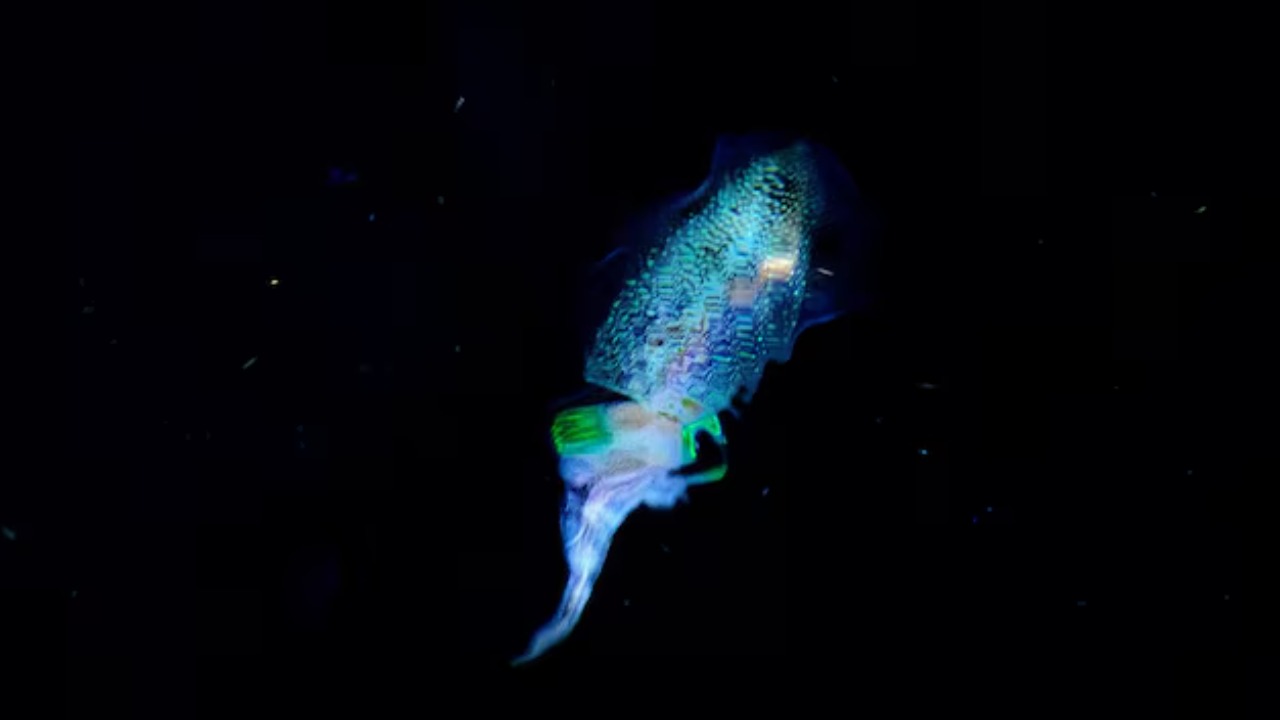
Deep-sea squids inhabit environments under extreme conditions – immense pressure, low temperatures, and complete darkness. These creatures are marvels of adaptation, with their bodies and behaviors uniquely suited to these challenging environments. Despite the harsh conditions, a wide variety of squid species, such as the giant squid and glass squid, thrive in the deep sea.
Studying deep-sea squids is not an easy task. Their habitats are difficult to access, and the squids themselves are elusive, often fleeing from the light and noise associated with human exploration. As a result, much about these fascinating creatures remains unknown, making every new sighting and piece of data incredibly valuable.
Other Unique Survival Techniques of Squids
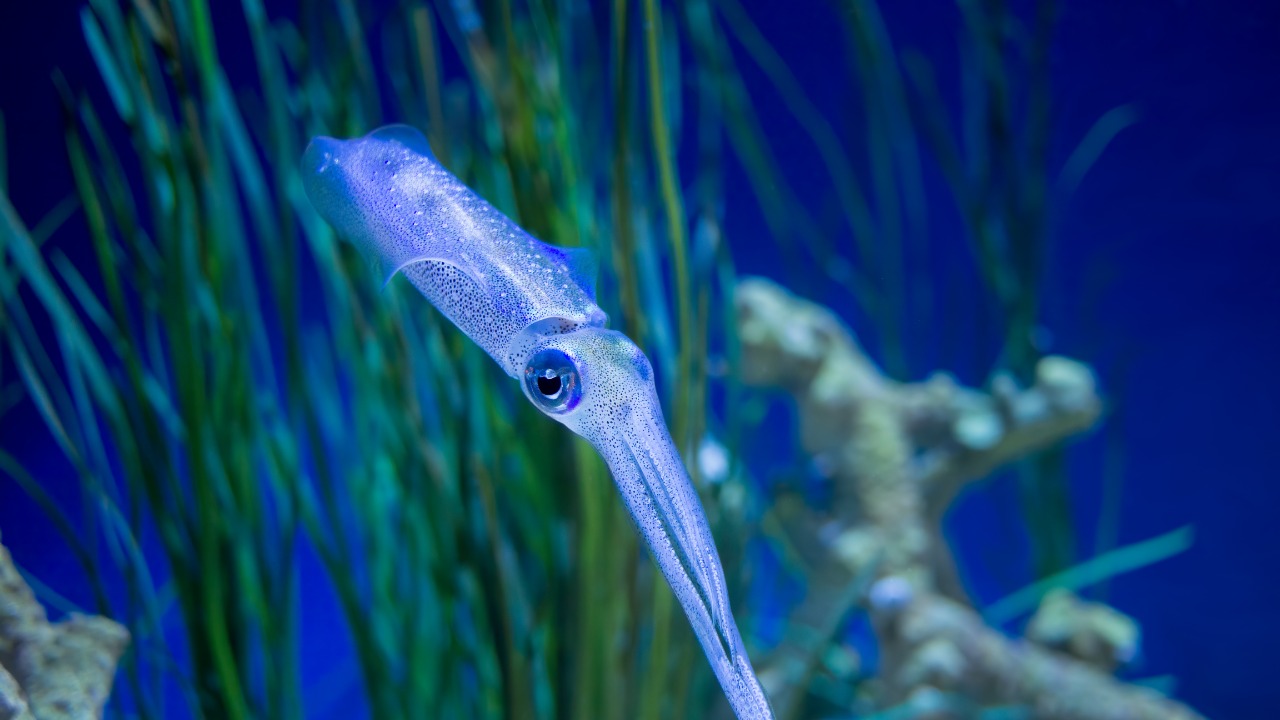
Aside from their bioluminescent camouflage, squids have other unique survival techniques. One such mechanism is jet propulsion, where squids expel water from their mantles, allowing them to move swiftly through the water. Another is the release of ink, a cloud of dark liquid that confuses predators and allows the squid to escape.
These survival mechanisms, along with their bioluminescent camouflage, contribute significantly to the squid’s evolutionary success. Each strategy is suited to the challenges of their environment and their needs as a predator and prey. For example, the bioluminescent camouflage is particularly effective in the open ocean, where there are few places to hide, making it a vital tool for survival.
Future Research and Implications

Understanding bioluminescent camouflage and other survival mechanisms of squids can have far-reaching implications for scientific and technological advancements. For example, knowledge gained about bioluminescence could be utilized in medical diagnostics, pollution detection, or even lighting solutions. However, studying these deep-sea creatures is fraught with challenges. Overcoming these will require continued advancements in technology, from more robust and capable ROVs to improved methods for capturing and analyzing data.
Preserving the deep-sea habitats of squids is also crucial for continued research. These environments are increasingly under threat from pollution, climate change, and deep-sea mining. Protecting these habitats is not only vital for the survival of squids and other marine life, but it also ensures that we can continue to explore and learn from these remarkable creatures. For more in-depth information on this topic, you may refer to this journal.
