A recent breakthrough in the world of geology and physics has surfaced with the discovery of a rare mineral deep beneath the Earth’s surface. Found in an underground reservoir, this unique mineral could provide new insights into the structure and behavior of matter, opening up exciting opportunities for further scientific exploration and discovery.
Discovery of the Rare Mineral

The discovery of this extraordinary mineral has astounded the scientific community. Located deep beneath the Earth’s surface, the mineral was found inside an expansive underground reservoir. The use of advanced geological technologies, such as seismic imaging and deep drilling, played a crucial role in locating and analyzing this mineral. This unprecedented discovery was reported on EurekAlert and has sparked intrigue within the field of geology.
The significance of this discovery extends beyond its rarity. It offers an opportunity to expand our knowledge of Earth’s geology and mineral composition. This find could potentially provide answers to longstanding geological mysteries and foster a deeper understanding of the Earth’s crust and mantle’s complex processes.
The Mineral and Its Properties
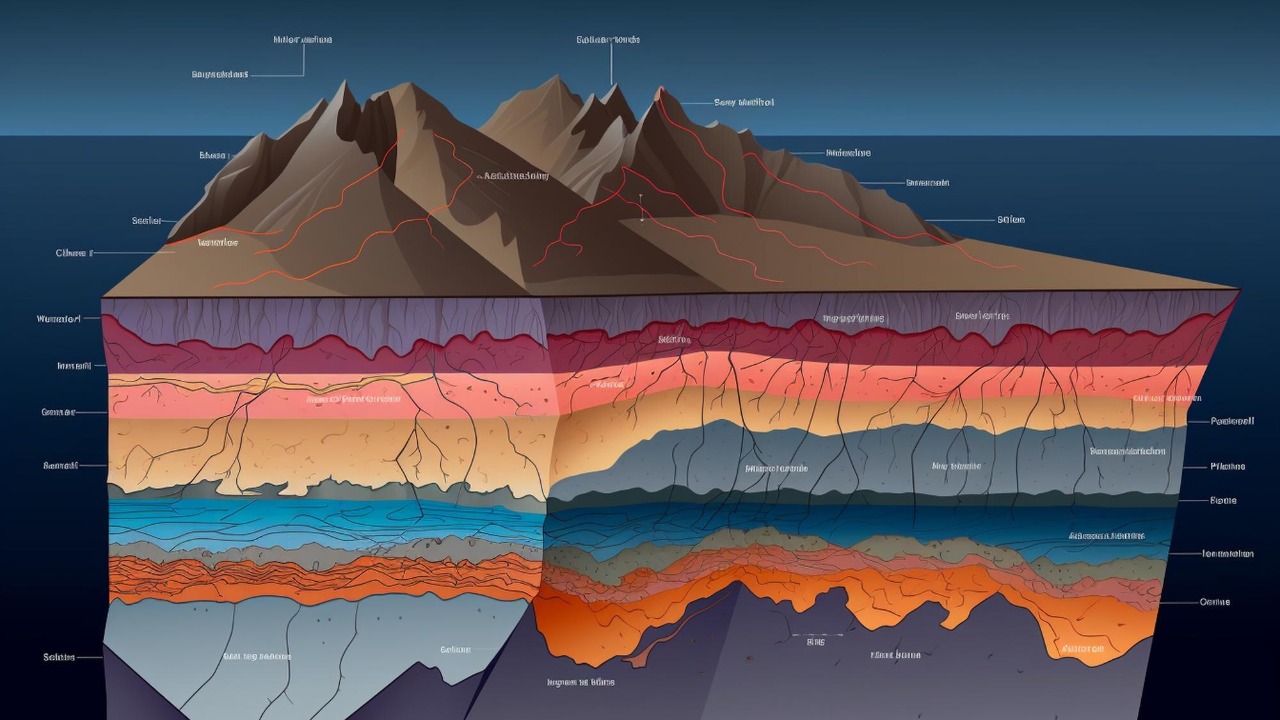
Detailed analysis of the mineral reveals its unique properties, distinct from other known minerals. Its formation and existence in the Earth’s deep layers provide a fascinating glimpse into the intense pressure and temperature conditions there. A recent publication on SciTechDaily delves into these properties and their potential implications for our understanding of the Earth’s inner structure.
The potential impact of this mineral on our understanding of the Earth’s inner structure is substantial. Its unique properties, formation process and location could provide clues about the geodynamics of the deep Earth, significantly contributing to the Earth’s geological model revisions.
Implications for Physics

This mineral’s unique properties could potentially revolutionize our understanding of physics. It may help redefine the theories surrounding the structure and behavior of matter, particularly under extreme conditions. Such a transformative discovery could fundamentally alter or expand upon existing physical laws and principles.
Specific areas of physics could be significantly impacted by this discovery. For instance, the mineral’s properties could enhance our understanding of solid-state physics, crystallography, and material science. Moreover, this mineral may shed light on the behavior of subatomic particles, such as neutrinos, as discussed in this Syracuse University news release. This could potentially challenge or support existing theories in the world of quantum physics.
The Mineral’s Role in Environmental Science

The discovery of this mineral also holds implications for environmental science. According to an article on The Brighter Side of News, this mineral’s discovery could influence our understanding of Earth’s water cycles. The mineral is found in an underground reservoir, hinting at the possibility of a gigantic water body beneath the Earth’s surface.
This revelation could significantly impact our understanding of Earth’s water dynamics, potentially revealing new aspects of the hydrological cycle. Furthermore, studying this mineral could also shed light on climate change and environmental preservation, given its potential role in deep Earth’s water storage and recycling processes.
Future Research Directions

The discovery of this mineral undoubtedly calls for further study. Scientists will likely invest in more detailed analyses of the mineral’s properties, its formation process, and its implications for various scientific fields. An article on FreeThink discusses potential future research directions and the methodologies scientists may employ.
However, studying this mineral might come with its own set of challenges. Accessing the mineral, given its location deep within the Earth, could be difficult and costly. Additionally, the high pressure and temperature conditions at such depths could pose technical challenges. Despite these potential hurdles, the scientific community is optimistic about overcoming these issues, paving the way for groundbreaking discoveries in the future.
