Unique pieces of ‘cosmic glass’ discovered exclusively in Australia are providing intriguing clues to a significant historical event: a giant asteroid impact. This discovery not only sheds light on Earth’s past but also opens up new avenues for future research in the field of asteroid prediction and prevention.
Discovery of the Cosmic Glass

The initial discovery of this cosmic glass in Australia was a remarkable event. The rarity of such finds cannot be overstated, as these unique pieces are found nowhere else on Earth. This exclusivity adds a layer of mystery and intrigue to the discovery, making it a significant point of interest for scientists and researchers worldwidesource.
Identifying and confirming the cosmic glass involved a series of scientific methods. These techniques, often used in the field of geology and space science, helped to verify the origin and nature of the glass. The rigorous process ensured the validity of the findings and underscored the importance of the discovery. source.
Unearthing the cosmic glass was a meticulous process. The researchers had to sift through vast amounts of soil and rock, using specialized equipment to detect and isolate these rare pieces. The glass’s unique properties, such as its distinct color and texture, were key indicators that helped the scientists identify it amidst the common terrestrial materials. source.
Once the cosmic glass was identified, it underwent a comprehensive examination. Advanced imaging techniques were used to study its structure at a microscopic level. The scientists also conducted chemical analyses to determine its composition. These tests revealed that the glass contained elements and isotopes that are typically associated with extraterrestrial objects, further confirming its cosmic origin. source.
Link to an Ancient Asteroid Impact
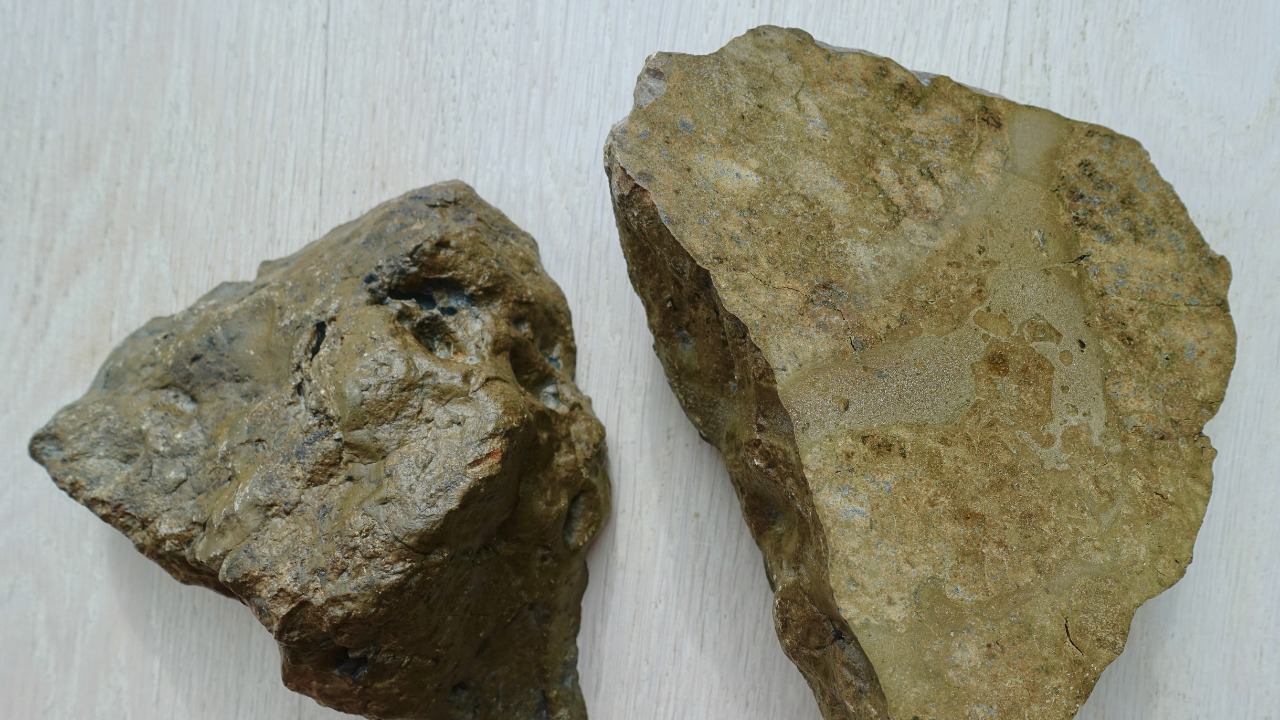
The cosmic glass is believed to be connected to an asteroid impact due to several pieces of evidence. The size and composition of the glass pieces suggest a large-scale asteroid event. Such events are known to generate intense heat and pressure, leading to the formation of unique glass-like materials. source.
Further supporting this theory is the age and location of the glass. These factors align with known asteroid activity, providing a compelling case for the asteroid impact theory. The correlation between the glass and asteroid events adds a new dimension to our understanding of Earth’s history. source.
The cosmic glass’s connection to an asteroid impact is also supported by the presence of telltale signs of such an event in the surrounding area. For instance, the researchers found evidence of a layer of iridium, a rare element on Earth’s surface but abundant in asteroids, in the same geological strata where the glass was found. This suggests that the glass was likely formed during an asteroid impact event. source.
Additionally, the researchers used radiometric dating techniques to estimate the age of the cosmic glass. The results indicated that the glass was formed around the same time as a known period of increased asteroid activity on Earth. This temporal correlation provides further evidence supporting the asteroid impact theory. source.
Implications of the Discovery
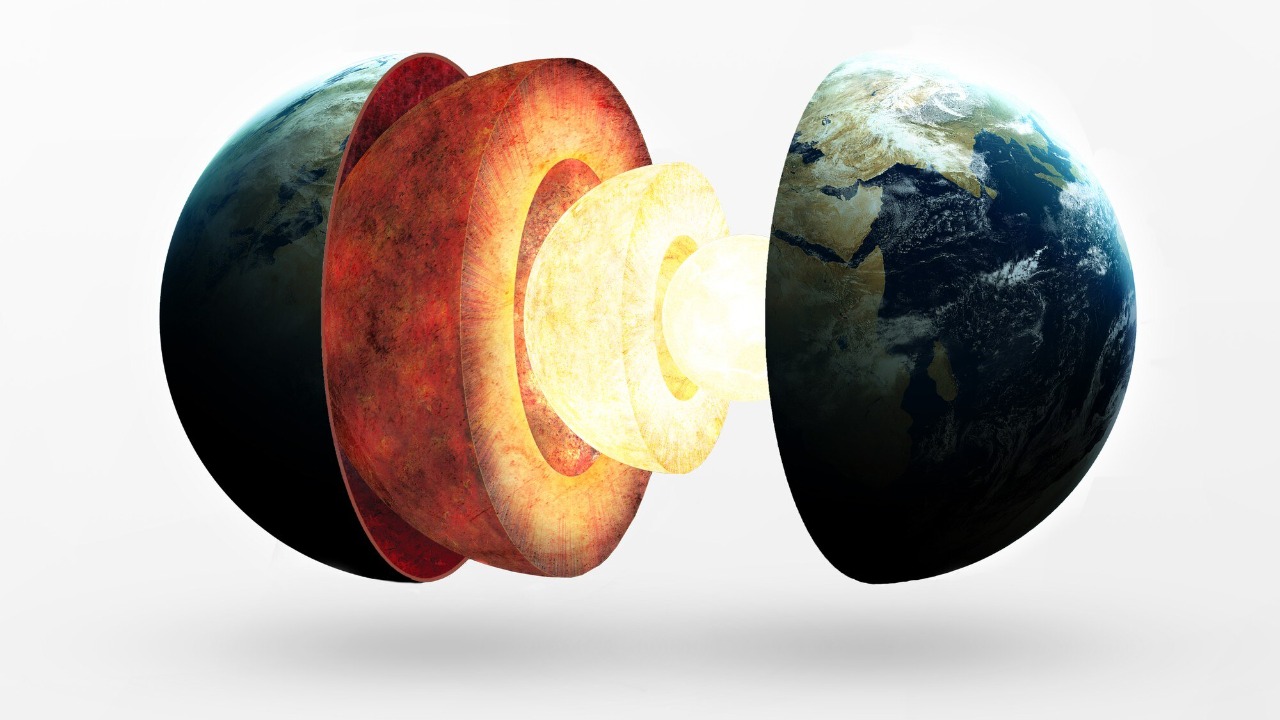
This discovery has far-reaching implications for our understanding of Earth’s history, particularly in relation to asteroid impacts. The cosmic glass provides tangible evidence of past asteroid activity, offering valuable insights into the scale and effects of such events. This could significantly enhance our ability to predict and potentially prevent future asteroid impacts. source.
Moreover, the discovery has broader implications beyond asteroid research. It could impact geological studies by providing a new perspective on the formation and transformation of Earth’s crust. In the realm of space exploration, the findings could offer valuable insights into the nature and effects of asteroid impacts, potentially informing future missions and studies. source.
The discovery of the cosmic glass could also have implications for the study of life on Earth. Asteroid impacts are believed to have played a significant role in the evolution of life, causing mass extinctions and triggering environmental changes. By studying the cosmic glass and the asteroid impact it’s linked to, scientists could gain new insights into these pivotal moments in Earth’s biological history. source.
Furthermore, the cosmic glass could serve as a valuable tool for calibrating dating techniques used in geology and paleontology. Its well-established age and unique composition make it an ideal reference point for these scientific methods. This could improve the accuracy of age estimates for other geological and fossil specimens, enhancing our understanding of Earth’s timeline. source.
