Scientists have unearthed a new ancient shark species dating back 340 million years in Mammoth Cave National Park, a renowned site in Kentucky and the world’s longest cave system. This discovery marks a significant paleontological breakthrough deep within its passages. The tiny shark fossil, also 340 million years old, highlights the rare preservation conditions found within this extensive cave network.
Key Discoveries in Mammoth Cave
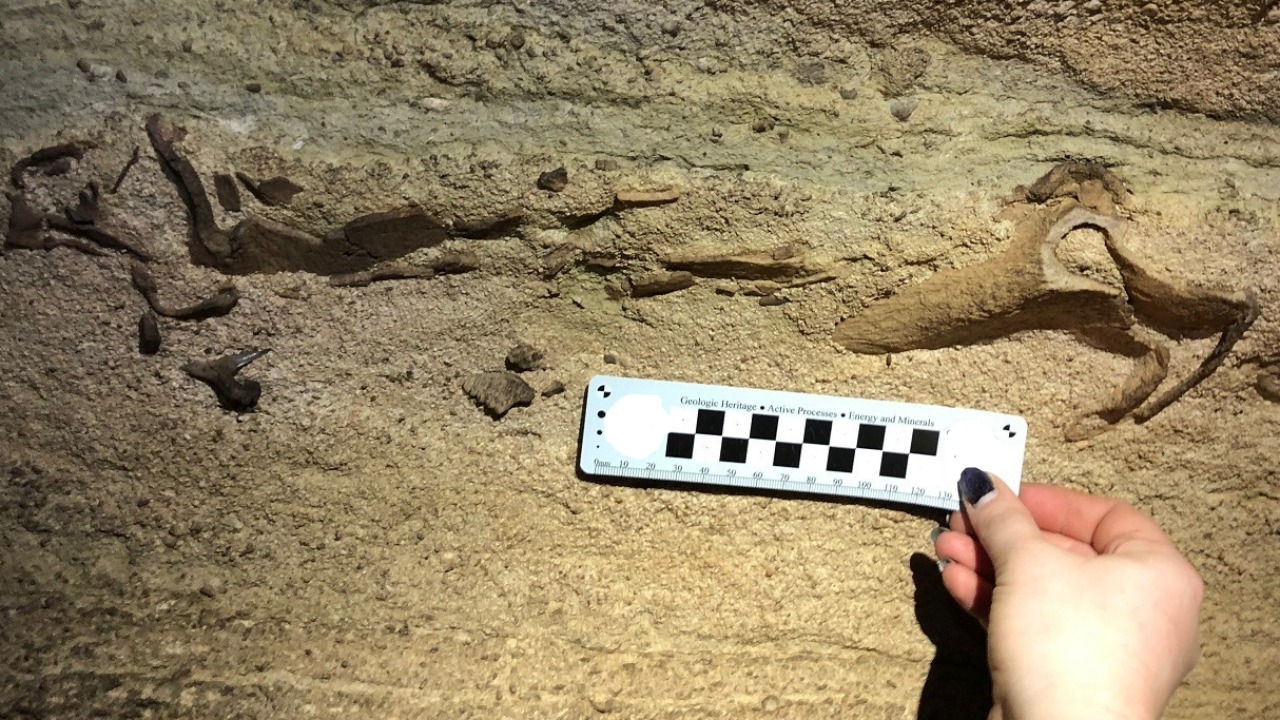
The recent unearthing of an ancient shark species in Mammoth Cave National Park has captured the attention of the scientific community. This remarkable find, dating back 340 million years, was made within the world’s largest cave system, underscoring the unique conditions that have allowed such fossils to be preserved over millennia. The discovery is not just a testament to the cave’s historical significance but also to its ongoing contribution to our understanding of prehistoric marine life. According to a New York Post report, this new species adds a significant chapter to the paleontological record of the area.
In addition to the new species, a 340 million-year-old tiny shark was also found within the cave system. This discovery, detailed by Interesting Engineering, highlights the exceptional fossilization conditions present in Mammoth Cave. The preservation of such ancient marine life forms provides invaluable insights into the biodiversity and ecological conditions of the distant past.
Historical Context of Shark Fossils
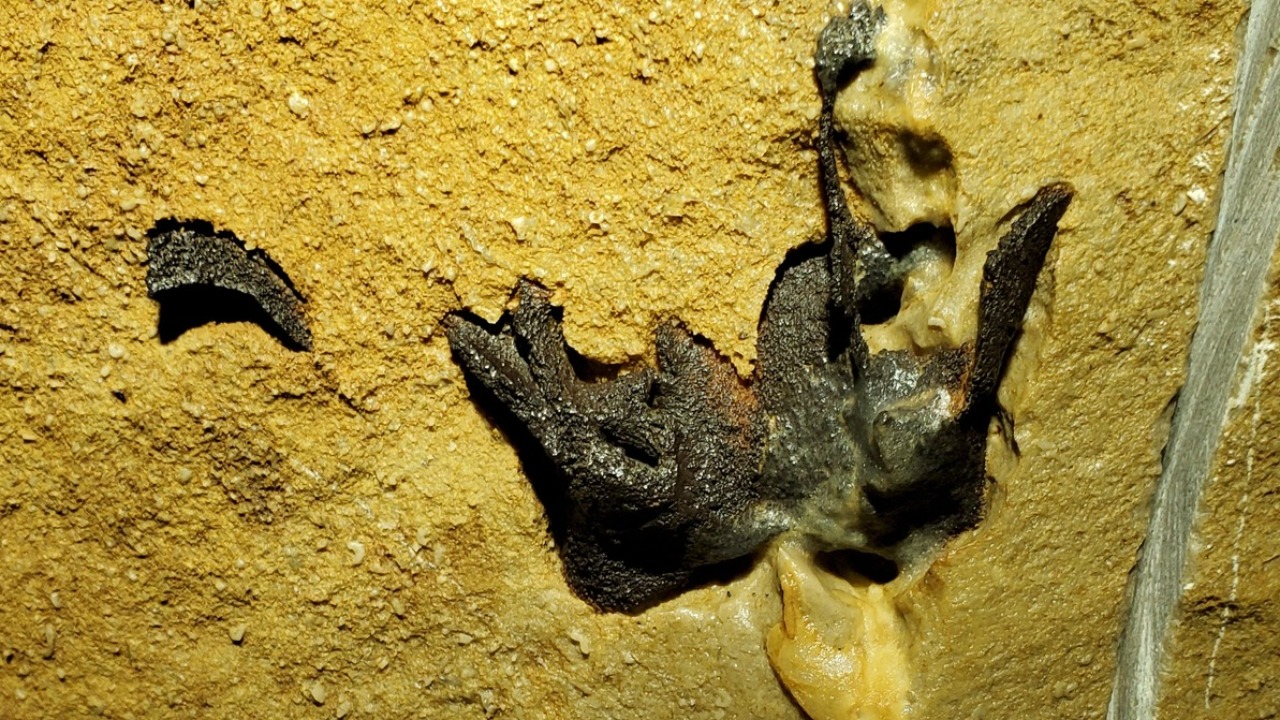
Mammoth Cave has long been a site of significant paleontological interest. Previous explorations have revealed a wealth of ancient shark fossils, including a notable discovery of a 330-million-year-old shark head. This find, reported by WLKY, underscores the cave’s rich history as a repository of prehistoric marine life. These discoveries have consistently highlighted the cave’s role in preserving ancient biological records.
Further back, on October 15, 2020, Newsweek reported on the discovery of ancient sharks within Mammoth Cave, emphasizing the site’s ongoing yield of significant paleontological finds. These historical discoveries have laid the groundwork for understanding the evolutionary history of sharks and other marine species that once inhabited the region.
The discovery of shark fossils within Mammoth Cave is part of a broader narrative of paleontological exploration that has been ongoing for decades. The cave’s unique geological formations have created an environment conducive to the preservation of ancient marine life, offering a window into the distant past. The presence of these fossils suggests that the area was once submerged under a shallow sea, teeming with diverse marine species. This ancient sea, part of the Mississippian period, provided the ideal conditions for the deposition and fossilization of marine organisms, including sharks, which were among the dominant predators of their time.
Moreover, the fossil record within Mammoth Cave has been instrumental in tracing the evolutionary history of sharks, which have existed for over 400 million years. The findings from the cave contribute to a deeper understanding of how these ancient creatures adapted to changing environments over millions of years. As reported by Live Science, the fossils not only highlight the diversity of prehistoric shark species but also provide insights into the ecological dynamics of the Carboniferous period, a time marked by significant evolutionary advancements in marine life.
Significance of the Finds
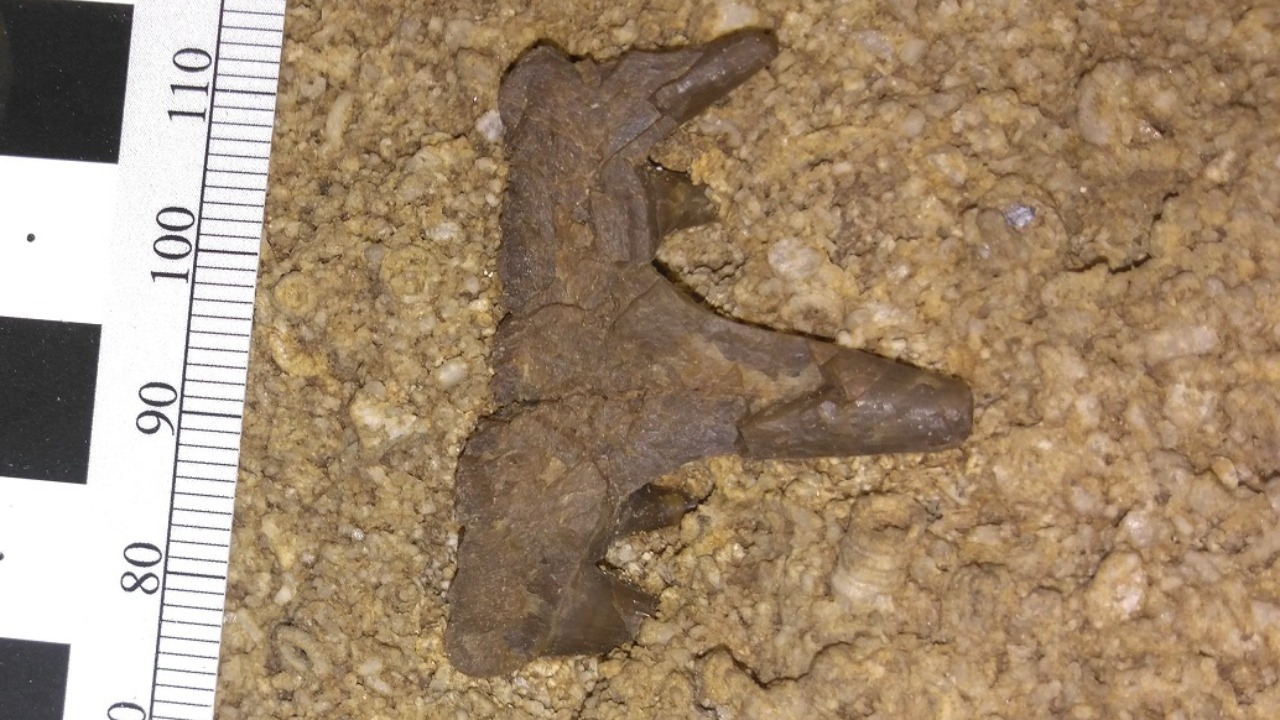
The fossils discovered in Mammoth Cave offer profound insights into ancient marine ecosystems. The preservation of these 340 million-year-old specimens, including the newly identified shark species and the tiny shark, demonstrates the exceptional fossilization conditions within the world’s largest cave system. As noted by Interesting Engineering, these finds are crucial for understanding the biodiversity and ecological dynamics of the Carboniferous period.
These discoveries not only enrich our understanding of prehistoric marine life but also highlight the importance of Mammoth Cave as a site of scientific exploration. According to Live Science, the fossils provide a rare glimpse into the ancient environments that existed in what is now Kentucky, offering clues about the climatic and geological conditions of the time.
Exploration and Location Details

The discoveries within Mammoth Cave National Park are a testament to the site’s unique geological and paleontological significance. Located in Kentucky, this extensive cave system has been the focus of numerous scientific explorations aimed at uncovering its hidden treasures. The recent finds, including the ancient shark species and the tiny shark fossil, were made deep inside the cave, as reported by Newsweek.
These explorations have consistently contributed to the paleontological record of the area, with significant finds such as the 330-million-year-old shark head adding to the site’s historical narrative. The ongoing research and discoveries within Mammoth Cave continue to shed light on the rich and diverse history of life on Earth, making it a vital location for scientific inquiry and discovery.
